Newsletters


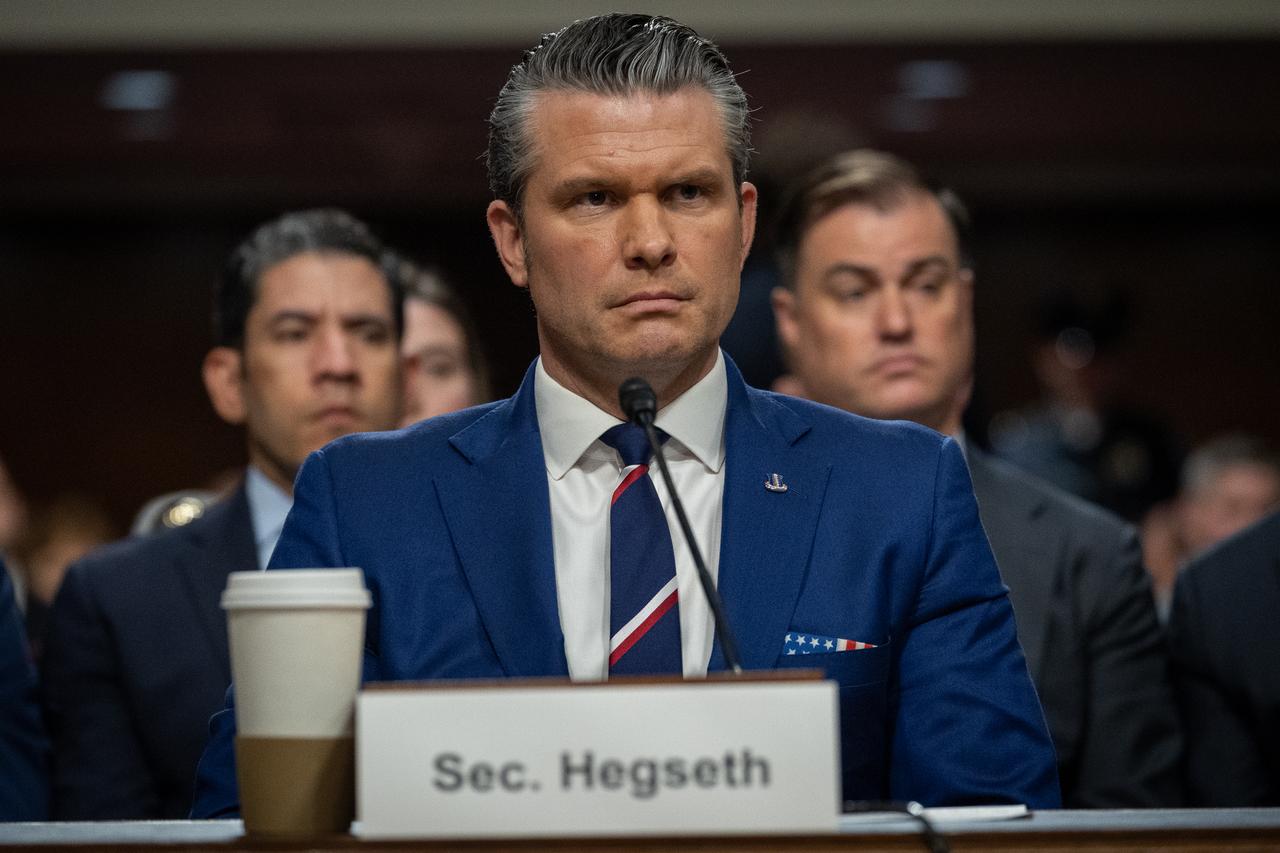


U.S. Defense Secretary Pete Hegseth told the Senate Armed Services Committee Thursday that the 60-day War Powers Resolution clock had "paused or stopped" because of the Iran ceasefire.
The argument was instantly rejected by scholars from both parties, with Yale Law professor Harold Hongju Koh declaring, "There is no pause button in the War Powers Resolution."
Former George W. Bush administration's National Security Council (NSC) legal adviser John Bellinger said it was "a legal stretch" given that U.S. warships were still blockading Hormuz and firing on Iranian vessels.
"We are in a ceasefire right now, which our understanding means the 60-day clock pauses, or stops, in a ceasefire," Hegseth told the committee, while declining to say whether the administration would seek congressional authorization.
A senior administration official separately told Reuters that "for War Powers Resolution purposes, the hostilities that began on Saturday, February 28, have terminated", citing no exchange of fire since the ceasefire began.
Legal experts flatly rejected both framings.
Speaking to the New York Times (NYT), Koh, a Yale Law professor and former Obama State Department legal adviser, said: "There is no pause button in the War Powers Resolution."
Bellinger, who served as national security legal adviser under George W. Bush told NYT: "It's a legal stretch to say that hostilities are not ongoing when U.S. warships are blockading the Strait of Hormuz and firing on Iranian vessels. There continues to be a clear and present danger of armed conflict for U.S. forces."
Speaking to The Washington Post (WP), Brennan Center expert Katherine Yon Ebright said: "To be very, very clear and unambiguous, nothing in the text or design of the War Powers Resolution suggests that the 60-day clock can be paused or terminated."

Senator Tim Kaine said Hegseth had "advanced a very novel argument that I've never heard before" and "certainly has no legal support," adding: "A ceasefire means bombs aren't dropping. It doesn't mean there are no hostilities. If we're using the U.S. military to blockade everything going into and out of Iran, that's still hostility."
"That answer showed they know they've got a 60-day problem, and they're trying to come up with a rationale to get around it," he said.
Senator Susan Collins, who voted for a resolution to end military action, said: "That deadline is not a suggestion; it is a requirement. Further military action against Iran must have a clear mission, achievable goals, and a defined strategy for bringing the conflict to a close."
Republicans were more accommodating. Senator Todd Young said, "It sounds like there's some wiggle room he provided there for himself. We'll take a look at whatever they send over."
Senator Josh Hawley said he expected the administration to send formal notification explaining its legal position.
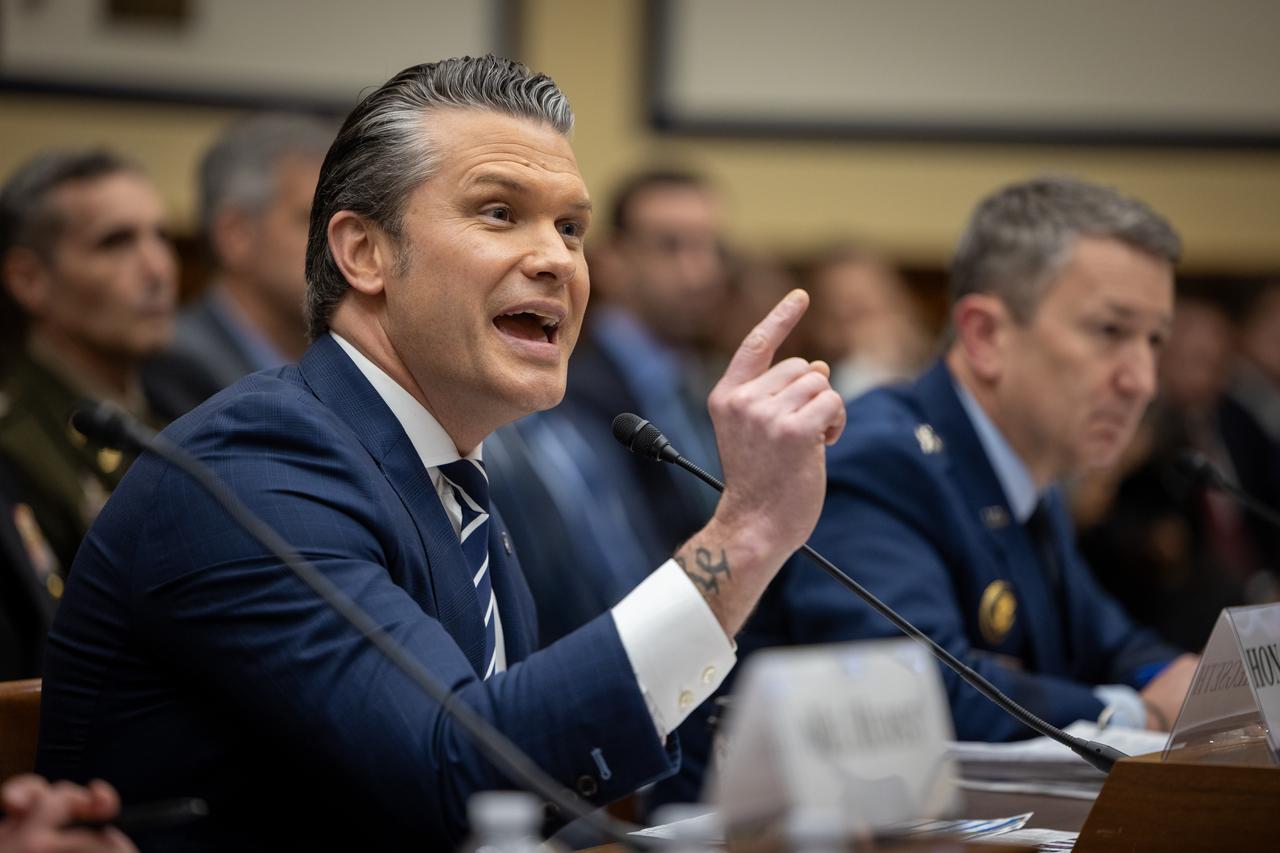
Hegseth's Senate appearance followed an equally combative Wednesday House hearing.
In his opening remarks Thursday, before a question was asked, he said "the biggest adversary we face at this point are the reckless naysayers and defeatist words of congressional Democrats and some Republicans."
At one point he pointed his finger at Senator Richard Blumenthal and told him he was a "defeatist Democrat" clouding the American public's mind. Committee chairman Roger Wicker intervened to urge him to answer colleagues' questions, mirroring Republican chairman Mike Rogers's interventions in the House hearing Wednesday.
Senator Elissa Slotkin told Hegseth, "We can try and tell the American people that it's going great and we're killing it. But until the Strait of Hormuz is open, I don't think we can credibly say that with any seriousness."
Senator Jack Reed said: "The American people's trust in our military took 250 years to build. You are dismantling it in a fraction of that time."
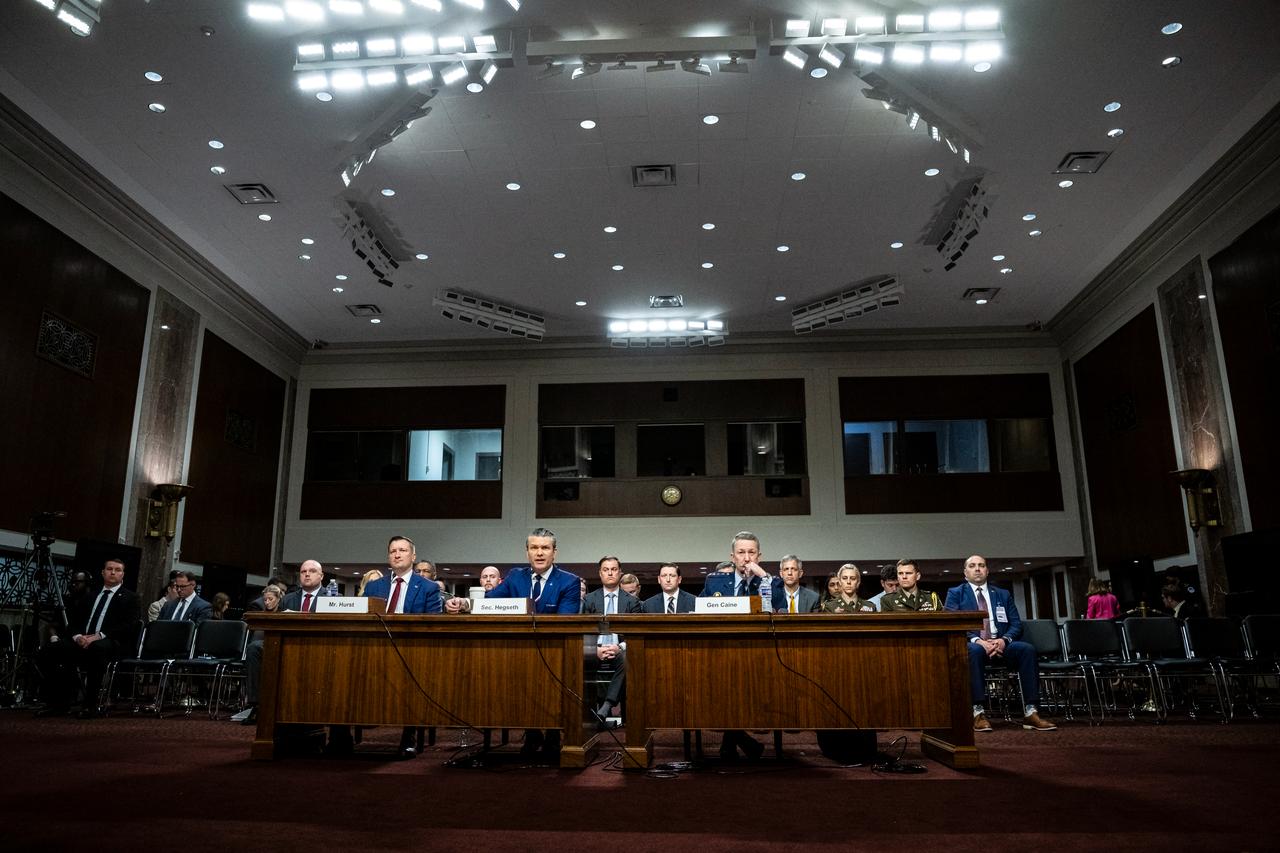
Senators Joni Ernst, John Curtis and Thom Tillis expressed frustration over the firings of Navy Secretary Phelan and Army Chief of Staff General George.
Hegseth said the administration would "continue to make changes as necessary with general officers" and declined to explain where George had fallen short.
On munitions, Hegseth said the situation was now "really good," with production ordered at two to four times previous levels, though he acknowledged significant deficits caused by donations to Ukraine and the war on Iran.
On AI in targeting, he said "there is a human in the loop on decisions that are made."
Acting comptroller Hurst said damage to U.S. bases was difficult to estimate given the unclear future force posture, and that only $26 billion of the $150 billion additional defense spending Congress passed last year had been spent.


 Set as preferred source
 Set as preferred source



 1 min read