Newsletters


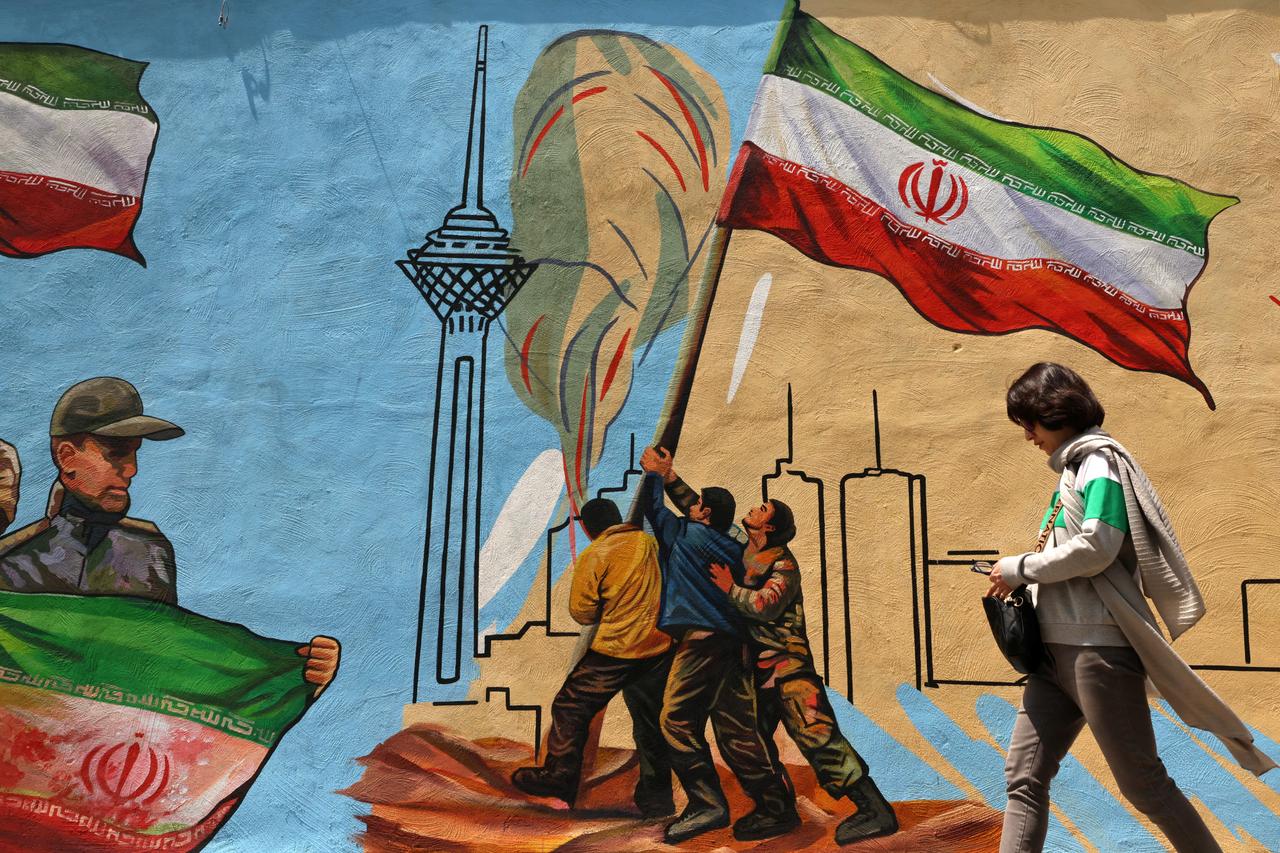


U.S. President Donald Trump claimed Wednesday that Iran is "collapsing financially," losing $500 million a day from the Hormuz blockade.
He claimed that military and police personnel were going unpaid, while warning that if the U.S. lifted the blockade, "there can never be a deal with Iran, unless we blow up the rest of their country, their leaders included."
Meanwhile, U.S.-based Axios reported Trump was also considering extending a Jones Act waiver that has increased U.S. domestic oil shipments by 70% since March.


Trump posted two separate messages on Truth Social.
"Iran is collapsing financially! They want the Strait of Hormuz opened immediately—starving for cash! Losing 500 Million Dollars a day. Military and Police complaining that they are not getting paid. SOS!!!" he wrote.
In a second post, Trump argued that Iran's stated desire to keep Hormuz closed was performative. "Iran doesn't want the Strait of Hormuz closed; they want it open so they can make 500 million dollars a day, which is, therefore, what they are losing if it is closed! They only say they want it closed because I have it totally blockaded, so they merely want to 'save face,'" he wrote.
He then issued a stark warning about the strategic consequences of lifting the blockade.
"People approached me four days ago, saying, 'Sir, Iran wants to open up the Strait, immediately.' But if we do that, there can never be a deal with Iran, unless we blow up the rest of their country, their leaders included!" Trump wrote.
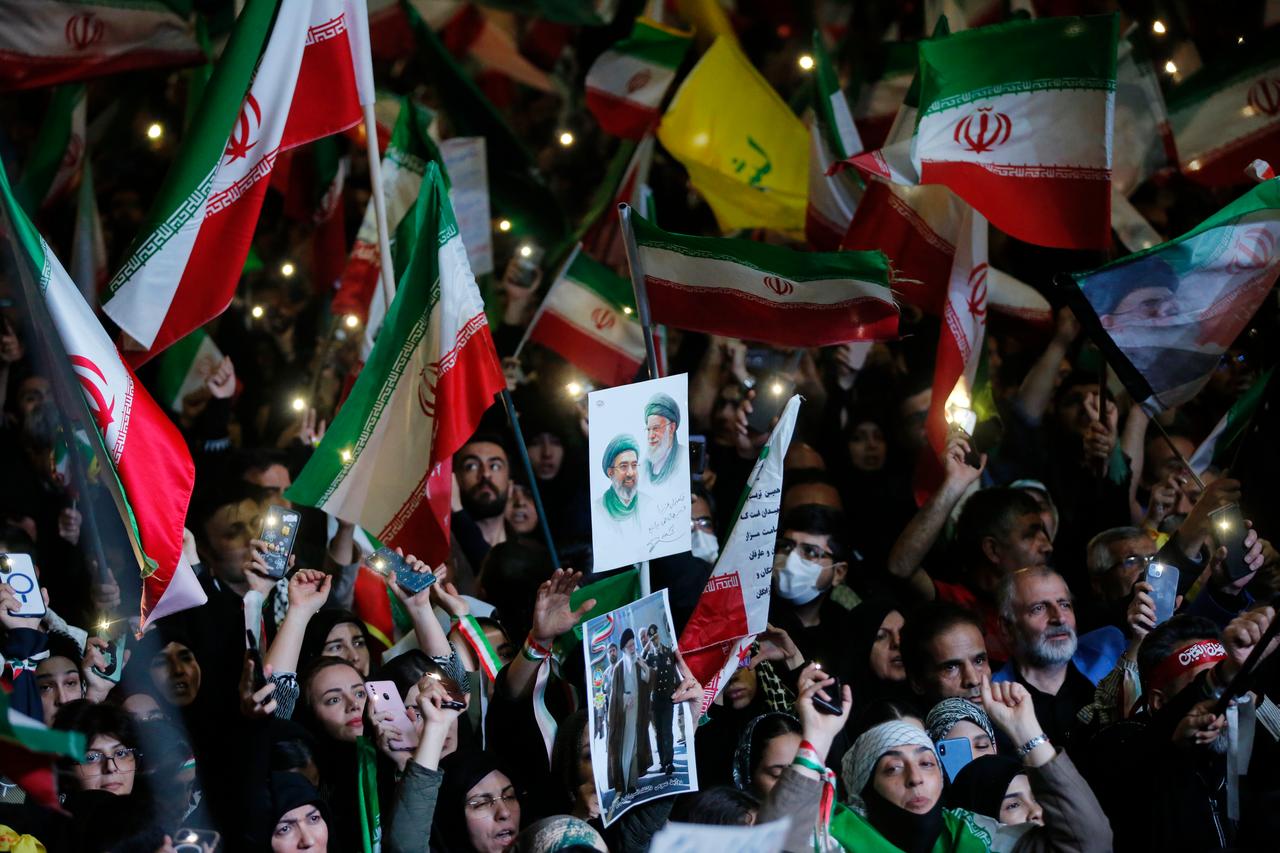
Axios reported Tuesday that Trump was considering extending the 60-day Jones Act waiver he issued on March 18, which suspended a century-old maritime law requiring goods transported between U.S. ports to be carried on American-built, American-owned and American-crewed vessels.
Since the waiver took effect, White House data provided to Axios showed 40 foreign-flagged tankers had transported oil between U.S. ports, from California to Texas, Florida and Alaska, expanding the active domestic shipping fleet by approximately 70%.
Approximately 9 million barrels of oil had been moved under the waiver.
Administration officials said the impact was particularly notable in Alaska, where jet fuel imported under the waiver accounted for roughly half the state's average monthly consumption.
A Trump adviser who had discussed the act with the president said Trump "likes what he sees" and that "as long as the Iranians are a threat and raising fuel prices, the president would like to keep the waiver in place for as long as is necessary."
White House spokesperson Taylor Rogers said no final decision had been made but that "the data reveals more supply has reached U.S. ports faster."


 Set as preferred source
 Set as preferred source


 3 min read