

 Newsletters


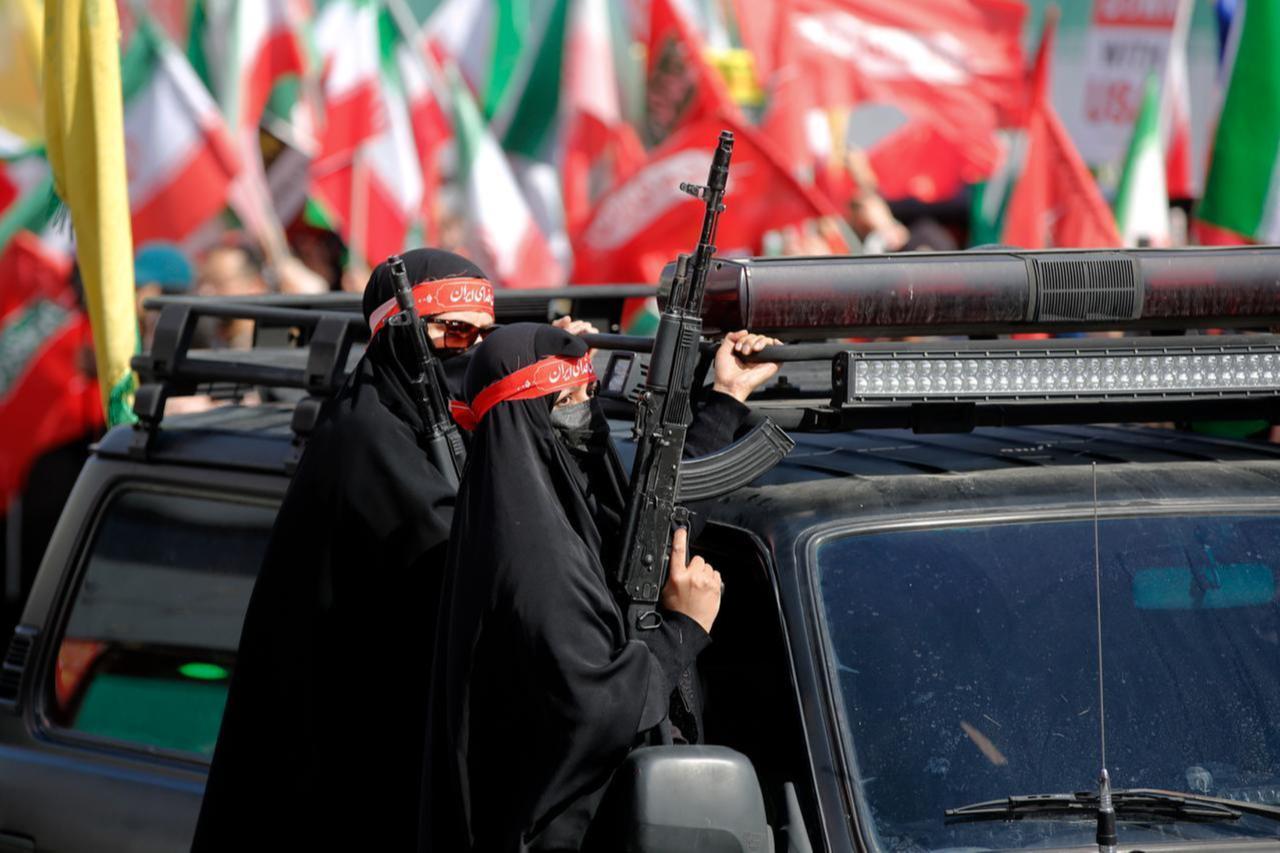


With hours remaining before a fragile ceasefire was set to expire, Iran and the United States on Tuesday traded escalating accusations of bad faith, a second round of diplomatic talks remained in limbo, and human rights advocates warned that ordinary Iranians were bearing the heaviest cost of a war they cannot even follow online.
Iranian Foreign Minister Abbas Araghchi accused Washington of undermining the ceasefire on two fronts: the ongoing U.S. naval blockade of Iranian ports, which he described as "an act of war and thus a violation of the ceasefire," and the seizure of the Iranian-flagged cargo vessel Touska in the Gulf of Oman on Sunday. Calling the ship's capture "an even greater violation," Araghchi said its crew was effectively being held hostage. He warned that Iran "knows how to neutralise restrictions, how to defend its interests and how to resist bullying."
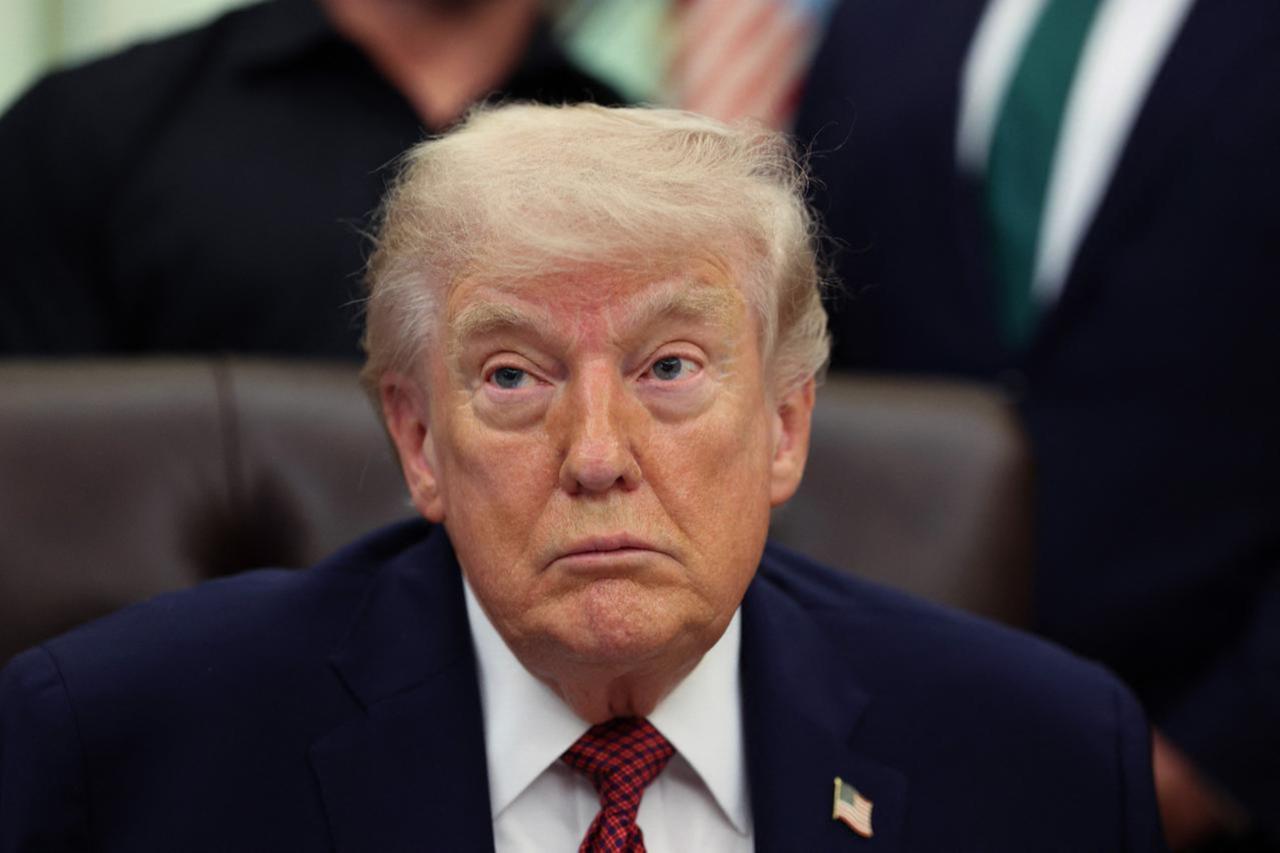
President Donald Trump struck back on Truth Social, accusing Iran of violating the ceasefire, though he offered no specifics. Iran's military echoed Araghchi's charges and vowed to retaliate for the ship attack, further muddying prospects for a diplomatic resolution before the ceasefire's expiration.
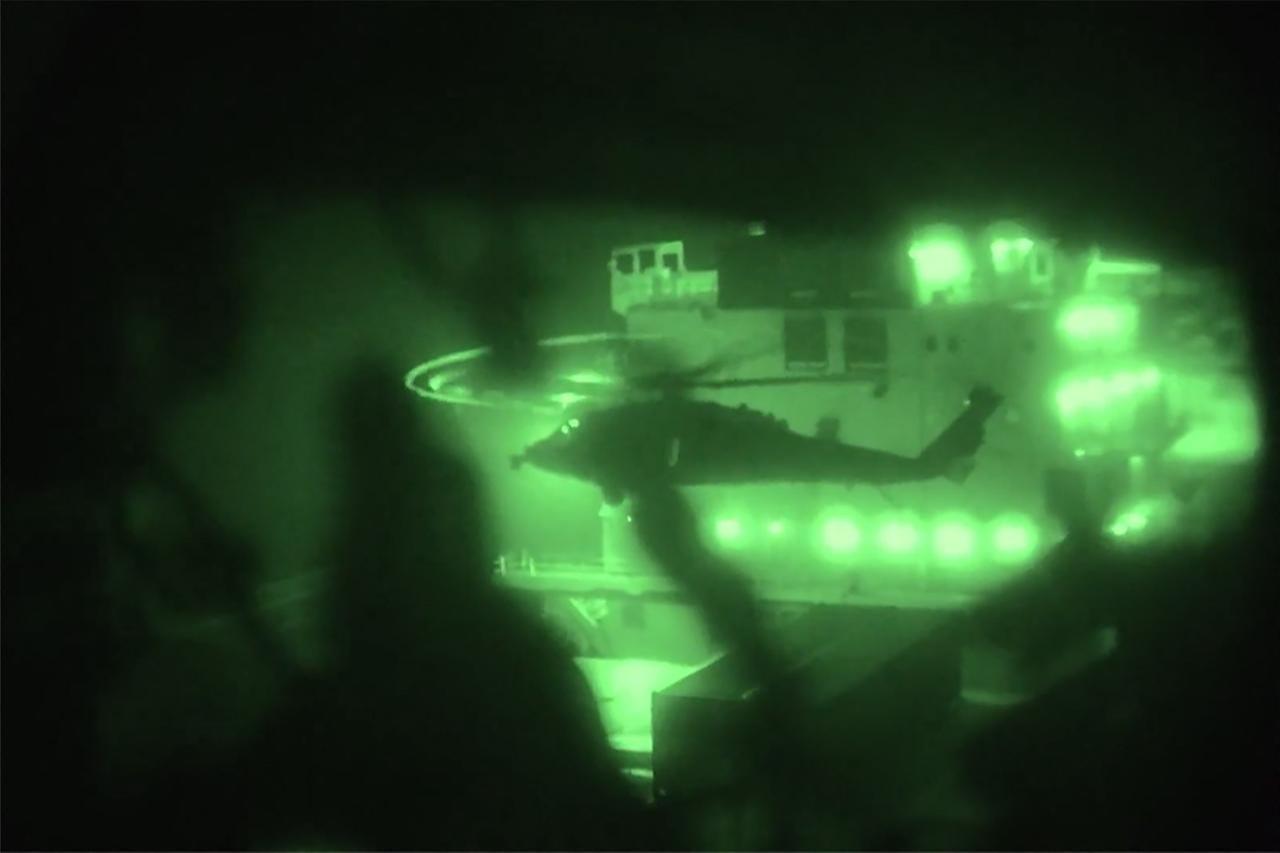

The Touska incident has become the flashpoint threatening to unravel what remains of the ceasefire, brokered by Pakistan on April 8 and due to expire Wednesday. The guided missile destroyer USS Spruance intercepted the Iranian-flagged cargo ship in the Gulf of Oman as it attempted to transit toward the Iranian port of Bandar Abbas, issuing warnings over a six-hour period before firing on the vessel's engine room. U.S. Marines then boarded and seized the ship.
Washington has enforced a naval blockade on vessels entering or leaving Iranian ports since April 13, in response to Tehran's renewed closure of the Strait of Hormuz, through which roughly one-fifth of the world's crude oil passes.
The Touska seizure marked the first time U.S. forces boarded and took control of a non-military Iranian vessel since the blockade began. Brent crude surged to approximately $95 a barrel following the incident, compounding what analysts have described as one of the worst global energy price crises in decades.
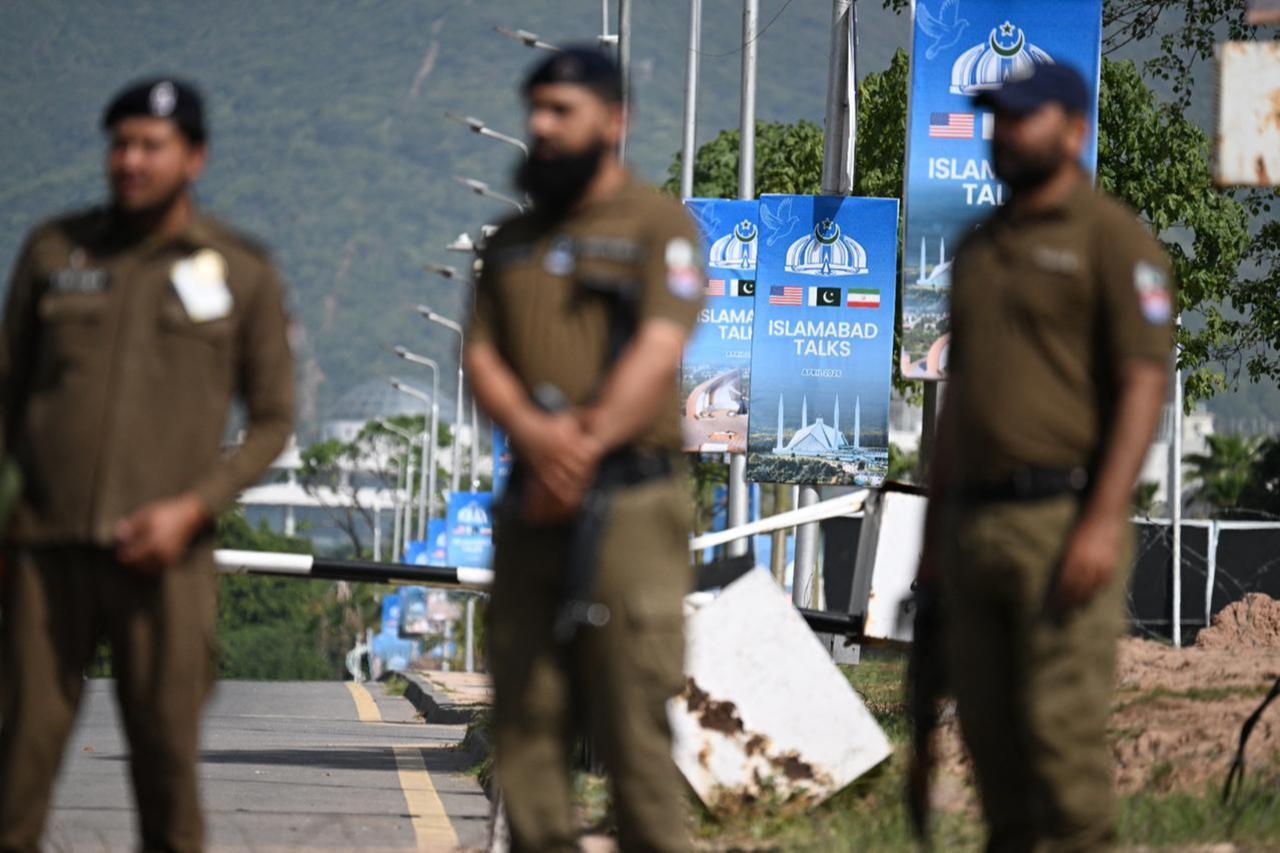
A planned second round of peace talks between American and Iranian negotiators in Islamabad appeared increasingly unlikely to proceed. Vice President JD Vance's diplomatic trip to Pakistan, where he had been expected to push for a nuclear deal, was put on hold after Tehran failed to respond to American negotiating positions, according to the New York Times. A U.S. official said the trip had not yet been formally cancelled, and Pakistan had not received an official response from Iran.
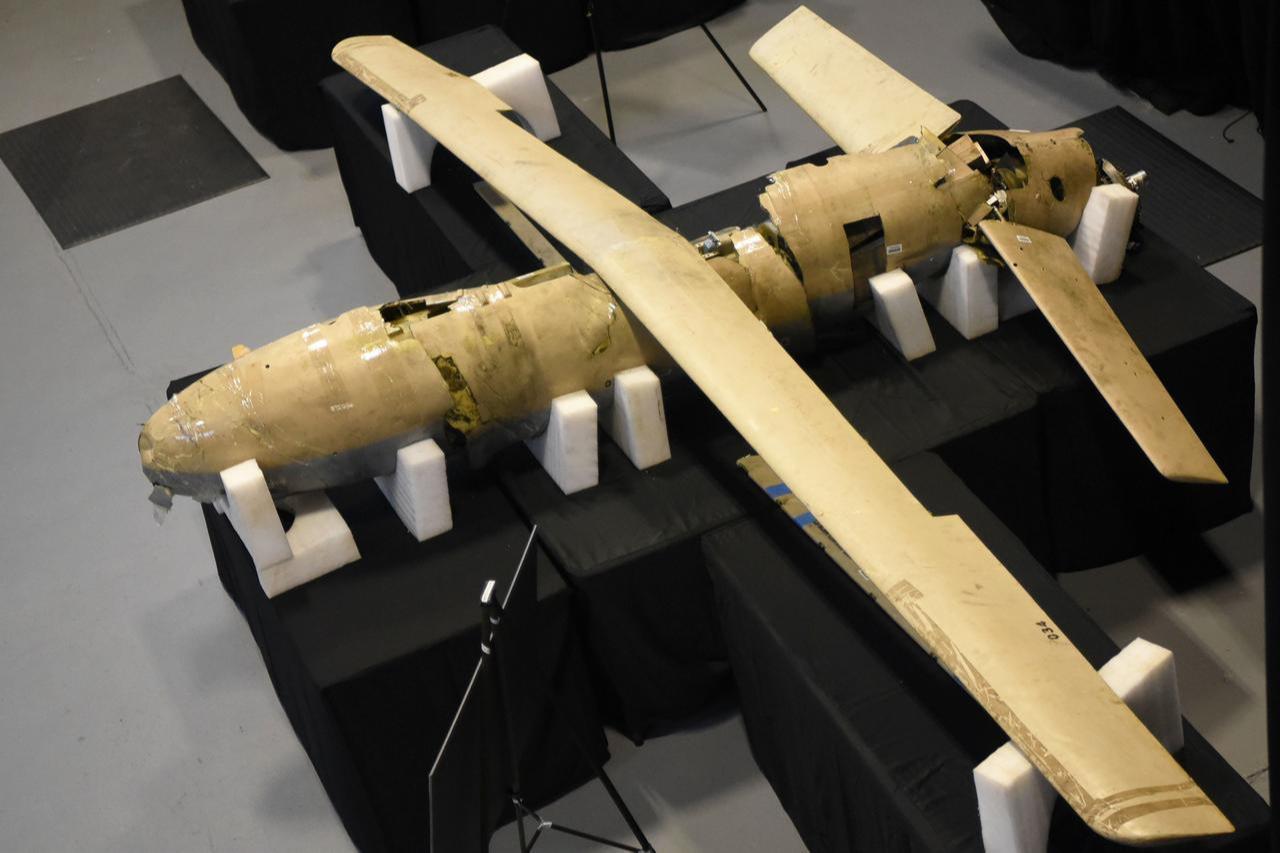
Even as diplomacy faltered, analysts were taking stock of Iran's military capabilities after weeks of sustained conflict. Ukraine, which has gained extensive battlefield experience studying Iran's Shahed drones, the same designs Russia has deployed to devastating effect against Ukrainian cities, offered a sobering assessment.
Serhii Kuzan, chairman of the Ukrainian Security and Cooperation Centre, said Ukraine had turned its front line into what he called "a 'living laboratory' for testing the Shahed and its upgrades," using downed drones to track design changes and trace the origins of their components. That intelligence, he said, was essential both for countering the drones on the battlefield and for identifying Western and Asian companies supplying electronics used in the weapons.
Iran's drone output has declined significantly since the early weeks of the conflict, dropping from a peak of between 100 and 800 launches per day to an average of 50 to 100 per day by early April. Despite that drop, Kuzan warned that Tehran "retains the capability to carry out massive strikes, which can still breach the air defences of allies in the Middle East."
He also flagged the Shahed-238, a jet-powered variant unveiled by Iran in 2023, as a particular concern: equipped with a Chinese turbojet engine, the drone is significantly harder to intercept than propeller-driven models due to its higher speed and the compressed reaction time it forces on air defences.
Iranian engineers, Kuzan noted, also helped Russia establish production lines for Shahed drones in the Russian region of Tatarstan, meaning the technology has already proliferated well beyond Iran's own arsenal.
 1 min read
While the military and diplomatic dimensions of the conflict have dominated international attention, human rights advocates are warning that a parallel crackdown inside Iran has gone largely unnoticed.
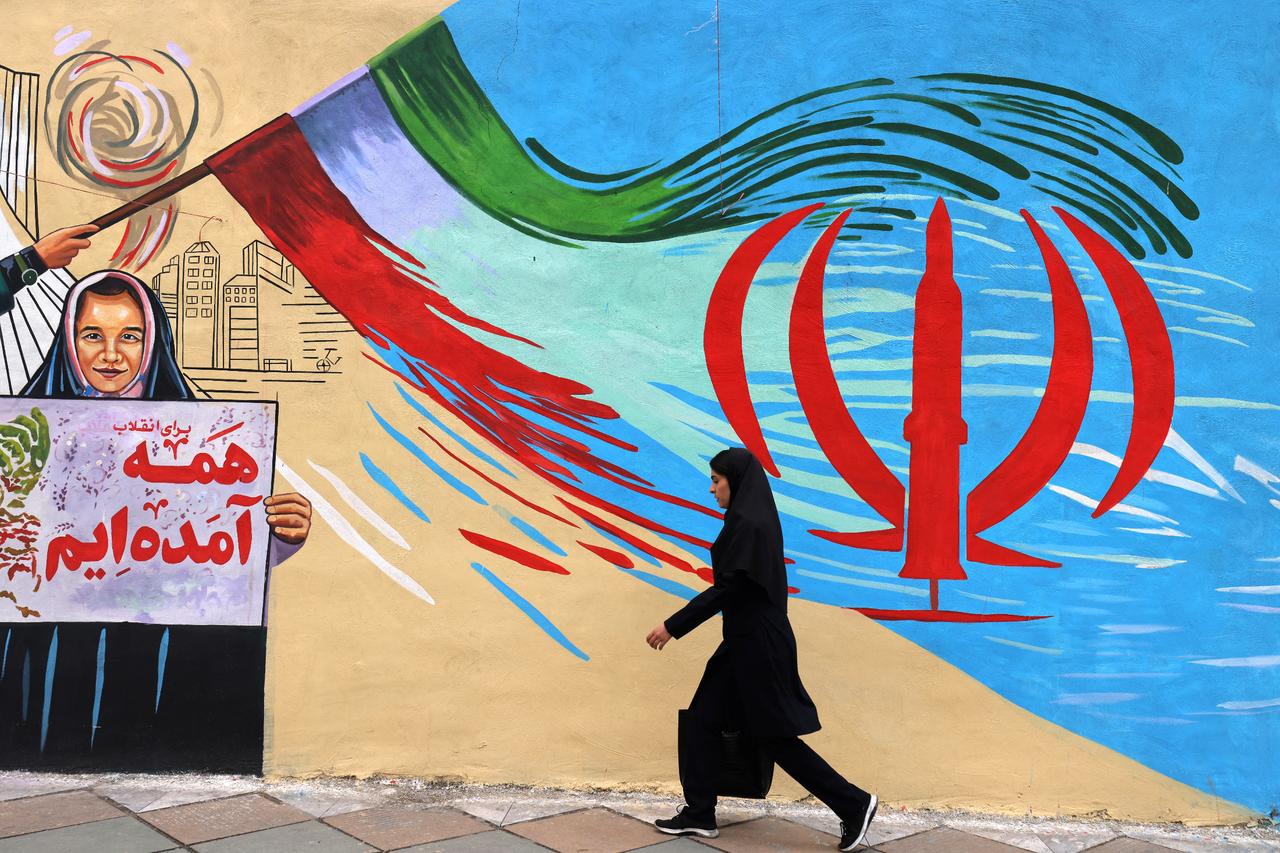
The Iranian government's near-total internet shutdown, which began Feb. 28 at the outset of U.S. and Israeli strikes on Iran, has now exceeded 52 consecutive days, surpassing all previous national-level shutdowns on record, according to monitoring group NetBlocks. Connectivity for ordinary Iranians remains at roughly one percent of pre-war levels.
Human rights lawyer Gissou Nia said the world's focus on the Strait of Hormuz had allowed the Iranian regime to intensify its domestic repression under the cover of a communications blackout. "While the world's attention has been focused on the Strait of Hormuz, the Iranian regime has increased its oppression of Iranians," she said, calling for any negotiations between Washington and Tehran to include basic human rights benchmarks.
Those benchmarks, she said, should include a halt to executions, the release of all political prisoners, and restoration of internet access.
The economic toll of the shutdown has been severe. Iran's telecommunications minister has acknowledged a daily cost to the digital economy of approximately $35 million. Broader estimates accounting for indirect effects put the true daily damage closer to $70 to $80 million.
Iran has previously used internet shutdowns to suppress dissent, including during protests in 2019 and 2022, but analysts say this blackout is categorically more extensive and architecturally different, with authorities selectively granting access to approved institutions and individuals while leaving the broader population in what one researcher called "digital darkness."


 Set as preferred source
 Set as preferred source


 1 min read


