

 Newsletters


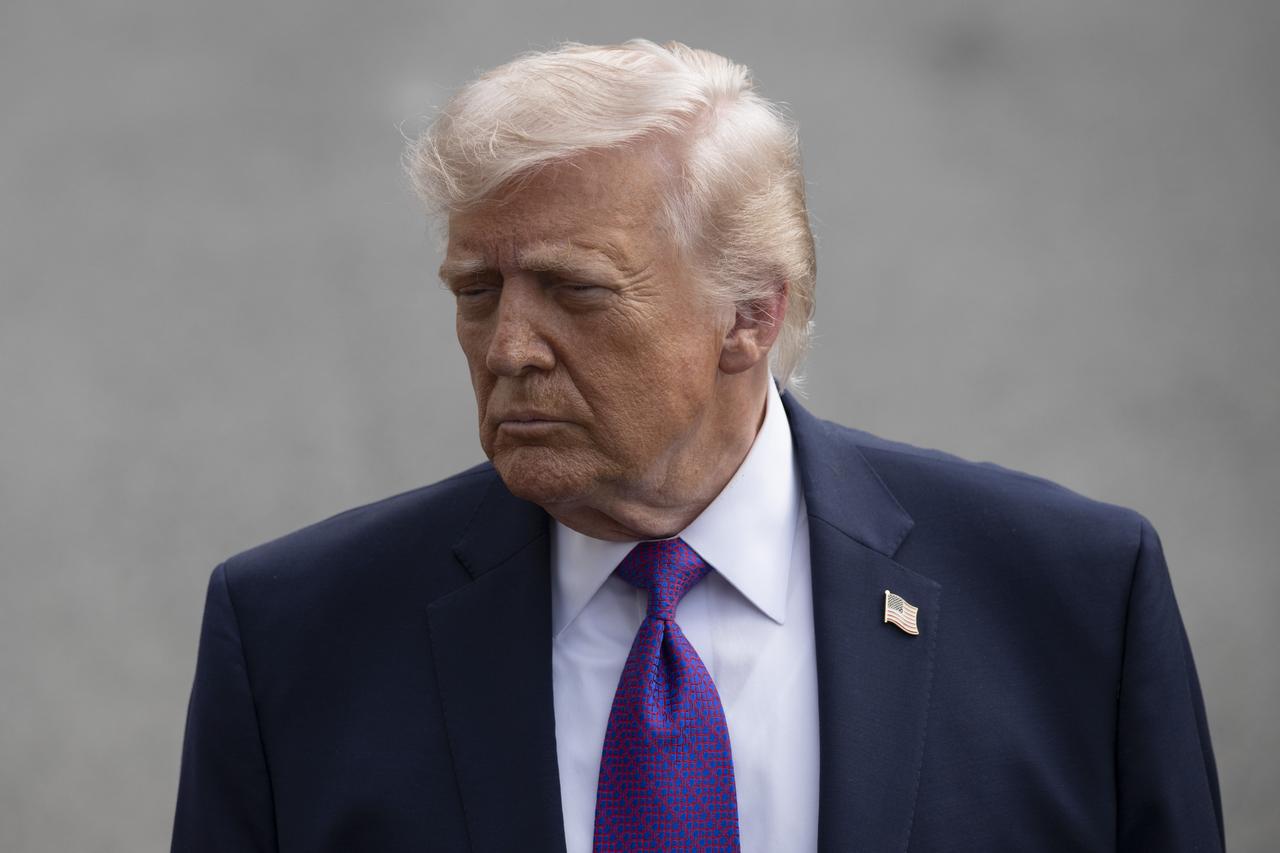


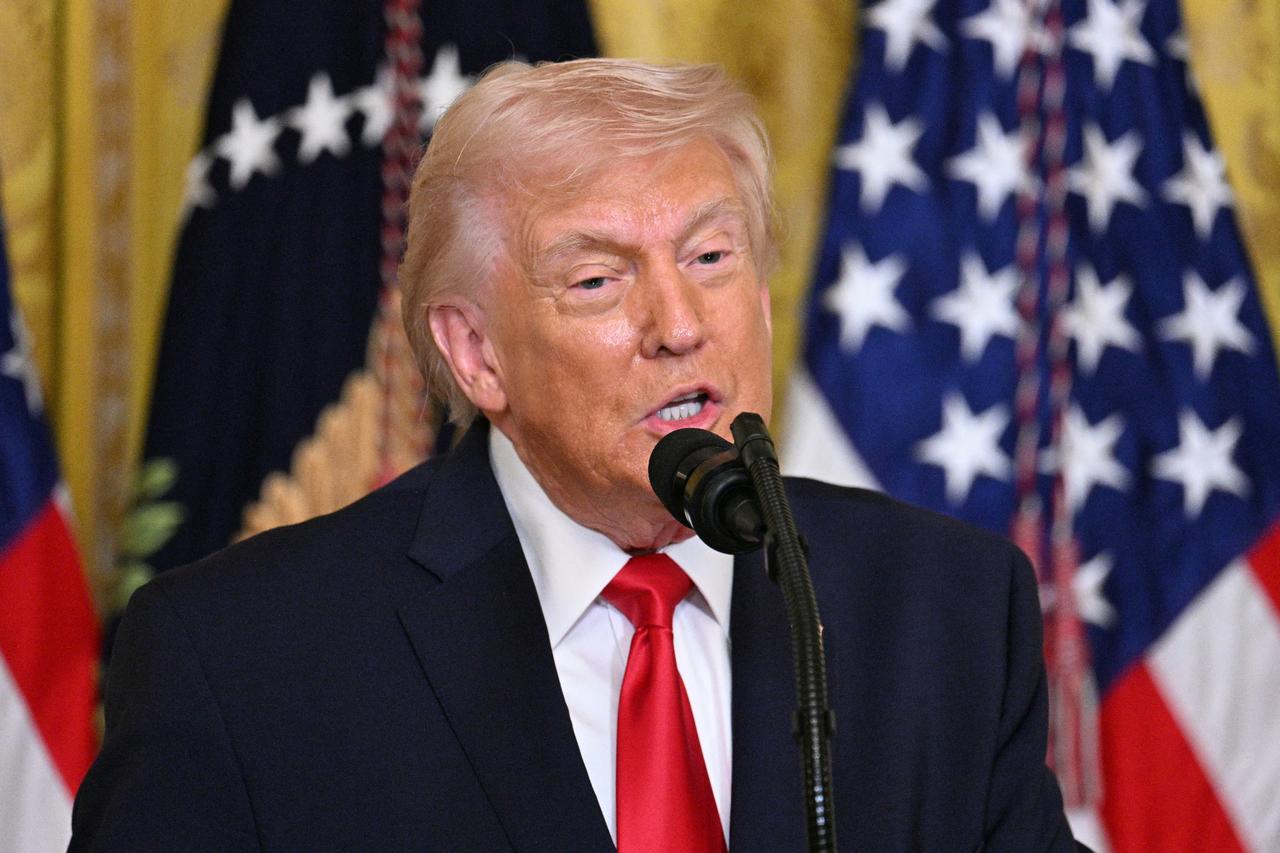
U.S. President Donald Trump stated on Saturday that he is not ready to make a deal to end the war with Iran despite the country's willingness to negotiate.
He also questioned whether Iran's new Supreme Leader, Mojtaba Khamenei, is alive, and said he is working with other countries to secure the Strait of Hormuz as global oil prices continue to surge.


Speaking in a nearly 30-minute telephone interview with NBC News, Trump stated: "Iran wants to make a deal, and I don't want to make it because the terms aren't good enough yet," adding that any terms would have to be "very solid."
When asked what those terms would be, Trump said: "I don't want to say that to you," but agreed that a commitment from Iran to completely abandon any nuclear ambitions would be part of it.
Trump's comments came after Reuters reported that the Trump administration had brushed aside efforts to advance talks to end the war.
Trump also previewed what the remainder of the U.S. military operation could look like.
"The only power they have, and it's a power that can be closed off relatively quickly, is the power of dropping a mine or shooting a relatively short-range missile. But when we get finished with the shoreline, they're not going to have that power either," he said.
"We've knocked out most of their missiles. We've knocked out most of their drones. We largely knocked out their missile and drone manufacturing. Within two days, it'll be totally decimated," he added.
Trump administration officials have sent mixed messages in the past two weeks about U.S. military goals in Iran and how long the conflict could last, with Trump at times saying it could take a month or longer and at other times saying, "We are way ahead of the timetable" and there's "practically nothing left to target."
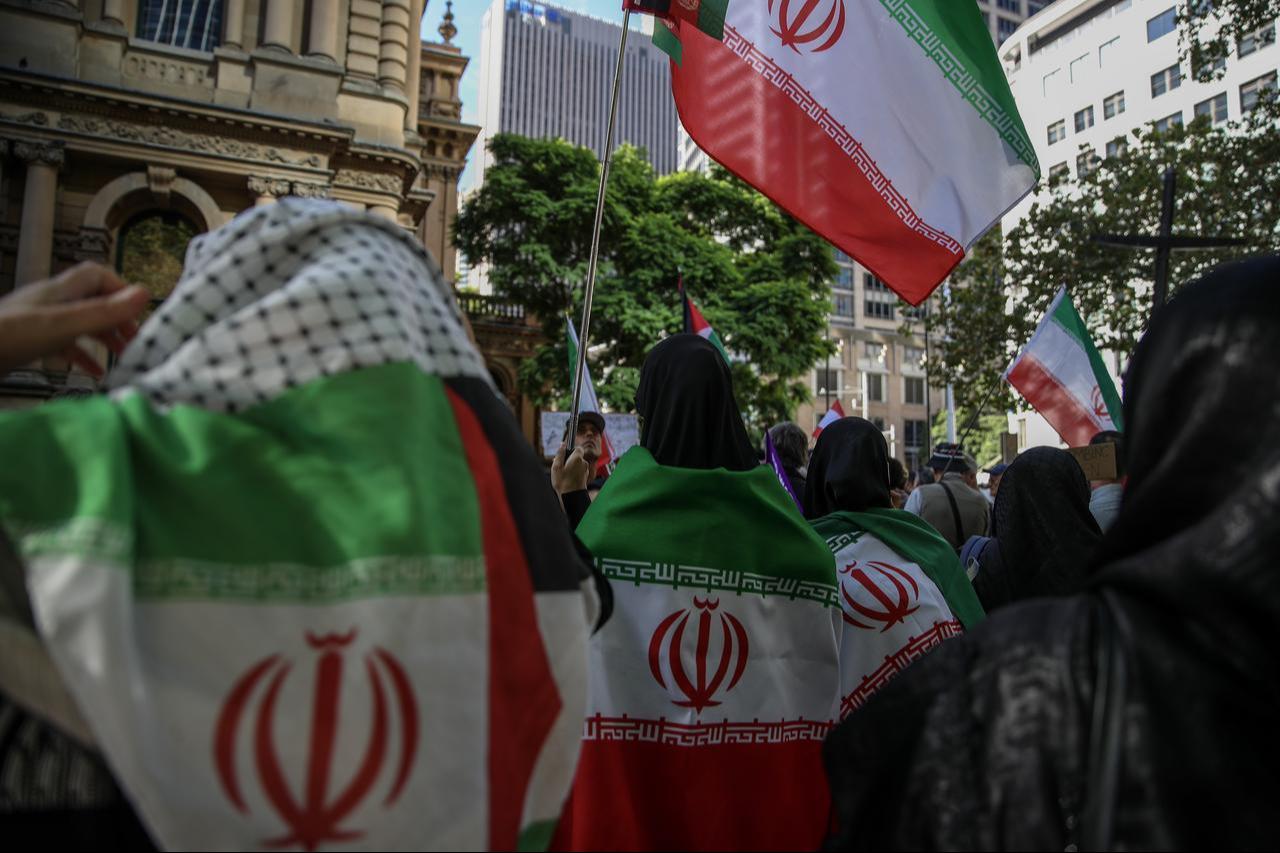
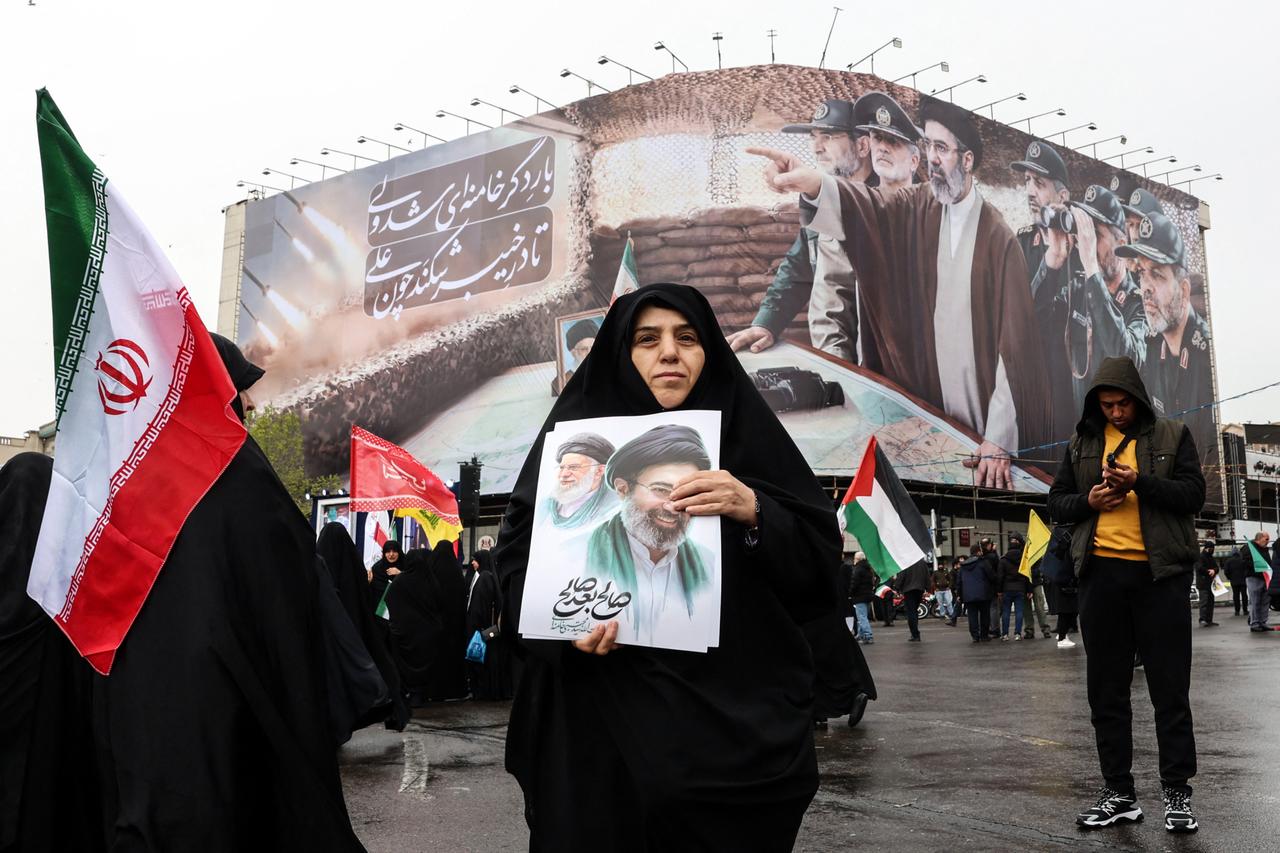
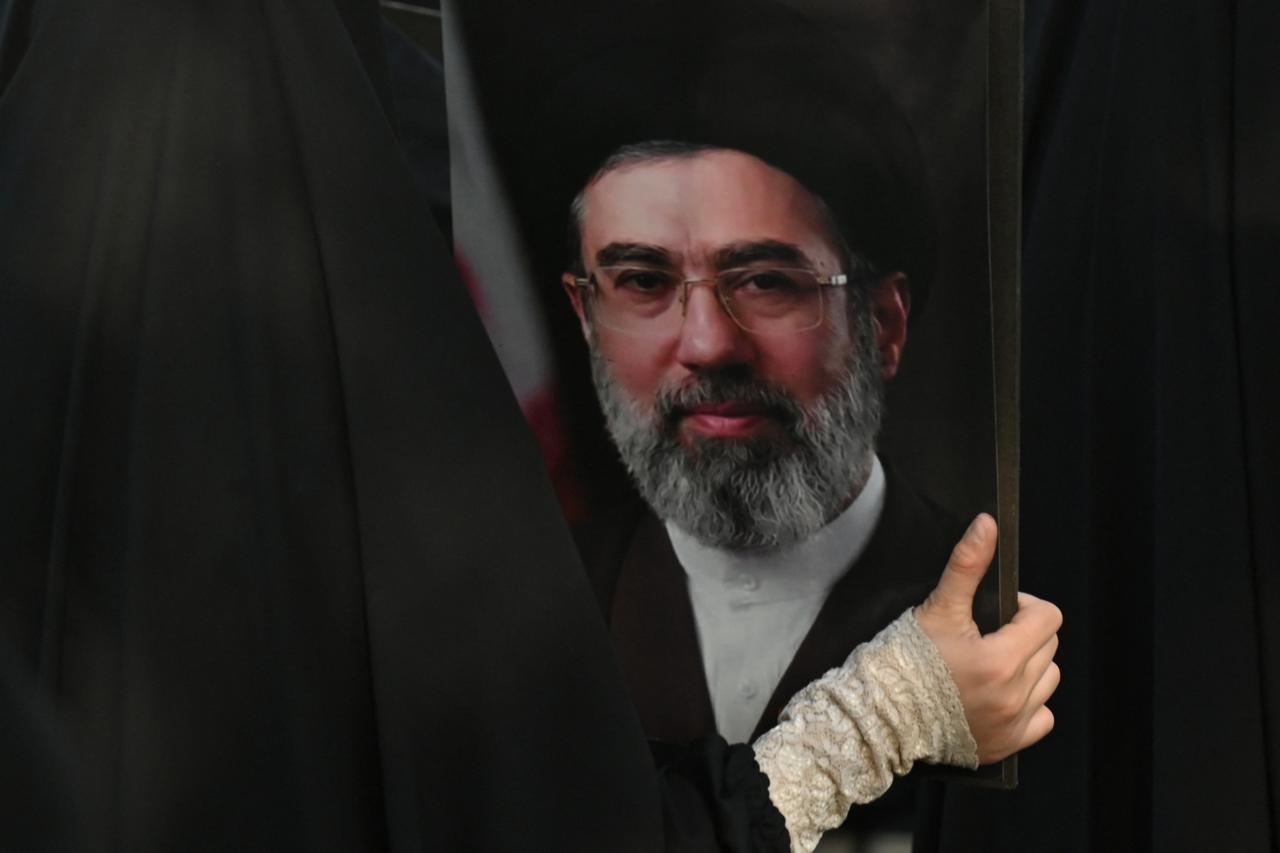
Trump questioned whether Iran's new Supreme Leader, Mojtaba Khamenei, who has not appeared on camera since being named his father's successor, is still alive. "I don't know if he's even alive. So far, nobody's been able to show him," Trump said.
"I'm hearing he's not alive, and if he is, he should do something very smart for his country, and that's surrender," he added, calling the reports of his death "a rumor."
Secretary of War Pete Hegseth stated on Friday that Khamenei was "wounded and likely disfigured" and described his written statement as "a weak one."
"Iran has plenty of cameras and plenty of voice recorders. Why a written statement? I think you know why. His father: dead; he's scared, he's injured, he's on the run, and he lacks legitimacy," Hegseth noted.
Three Iranian and two Israeli officials told The New York Times that Khamenei had suffered injuries, including to his legs, on the first day of the war.
Iranian Foreign Minister Abbas Araghchi pushed back on the speculation in an interview with MS Now, saying there is "no problem with the Supreme Leader."
Araghchi said: "He is performing his duties according to the Constitution, and he will continue to do that," adding that the "system is working."
Iranian leaders have said they are keeping Khamenei out of the public eye because any communication could reveal his location and put him in danger.

On Thursday, Iranian state media released a statement attributed to Khamenei directing the military to continue blocking the Strait of Hormuz and calling on Iran's neighbors to close U.S. military bases used to attack Iran.
Trump declined to say whether there was a particular Iranian leader he would like to see take over, saying instead: "We have people that are living that would be great leaders for the future of the country."
Asked whether he is in contact with any potential leaders, Trump said: "I don't want to say that. I don't want to put them in jeopardy."

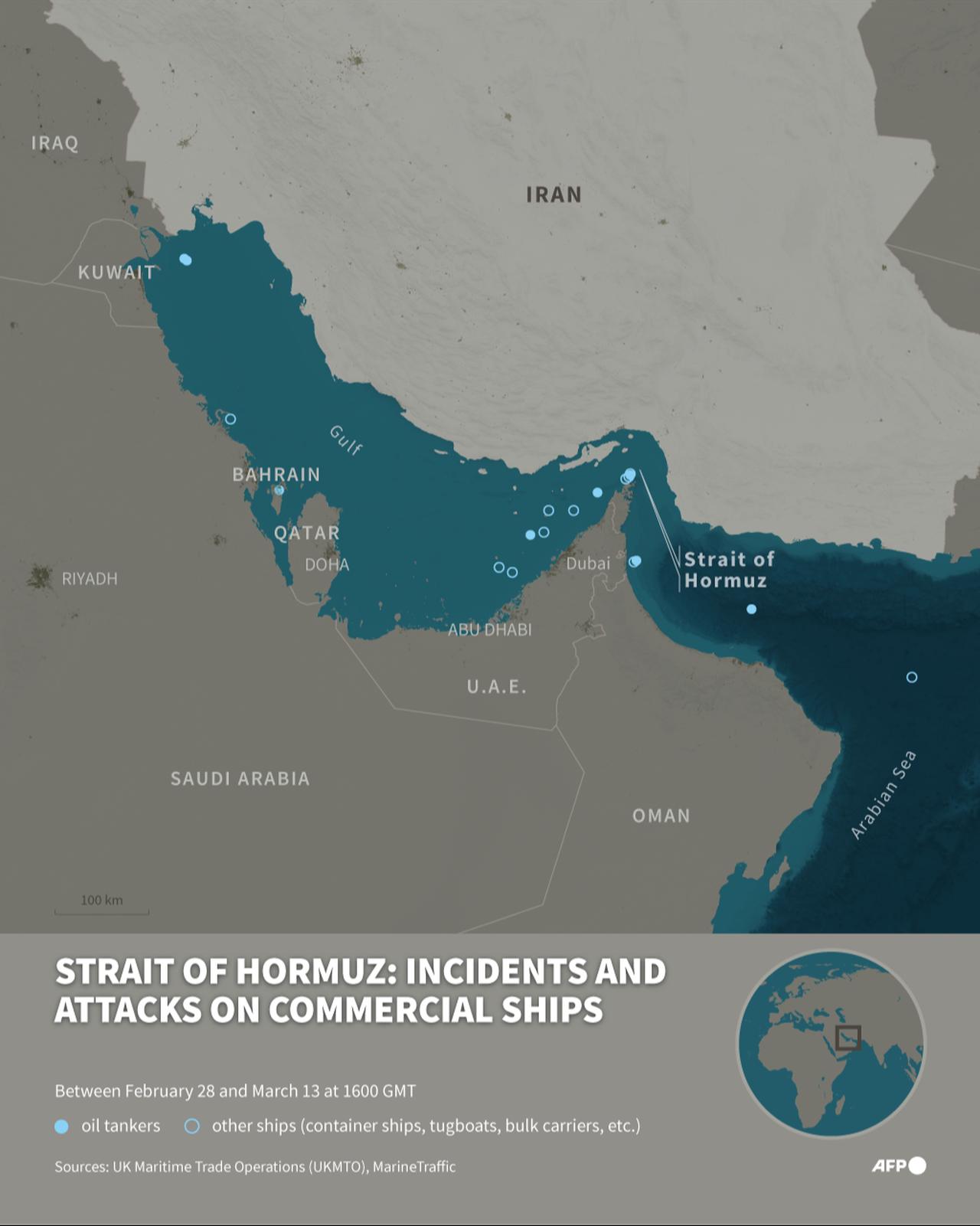
Trump also stated that he is asking countries affected by Iran's closure of the Strait of Hormuz to help secure the waterway, saying several have committed to doing so.
In a Truth Social post, Trump wrote, "Many countries, especially those who are affected by Iran's attempted closure of the Hormuz Strait, will be sending war ships, in conjunction with the United States of America, to keep the Strait open and safe," naming China, France, Japan, South Korea and the United Kingdom as countries he hopes will participate.
Trump stated that it is not clear whether Iran has dropped mines into the strait, saying, "We're going to be sweeping the strait very strongly, and we believe we'll be joined by other countries who are somewhat impeded, and in some cases impeded from getting the oil."
When asked whether the U.S. Navy would begin escorting ships through the strait, Trump said "I don't want to tell you anything about that," but added that "it's possible."
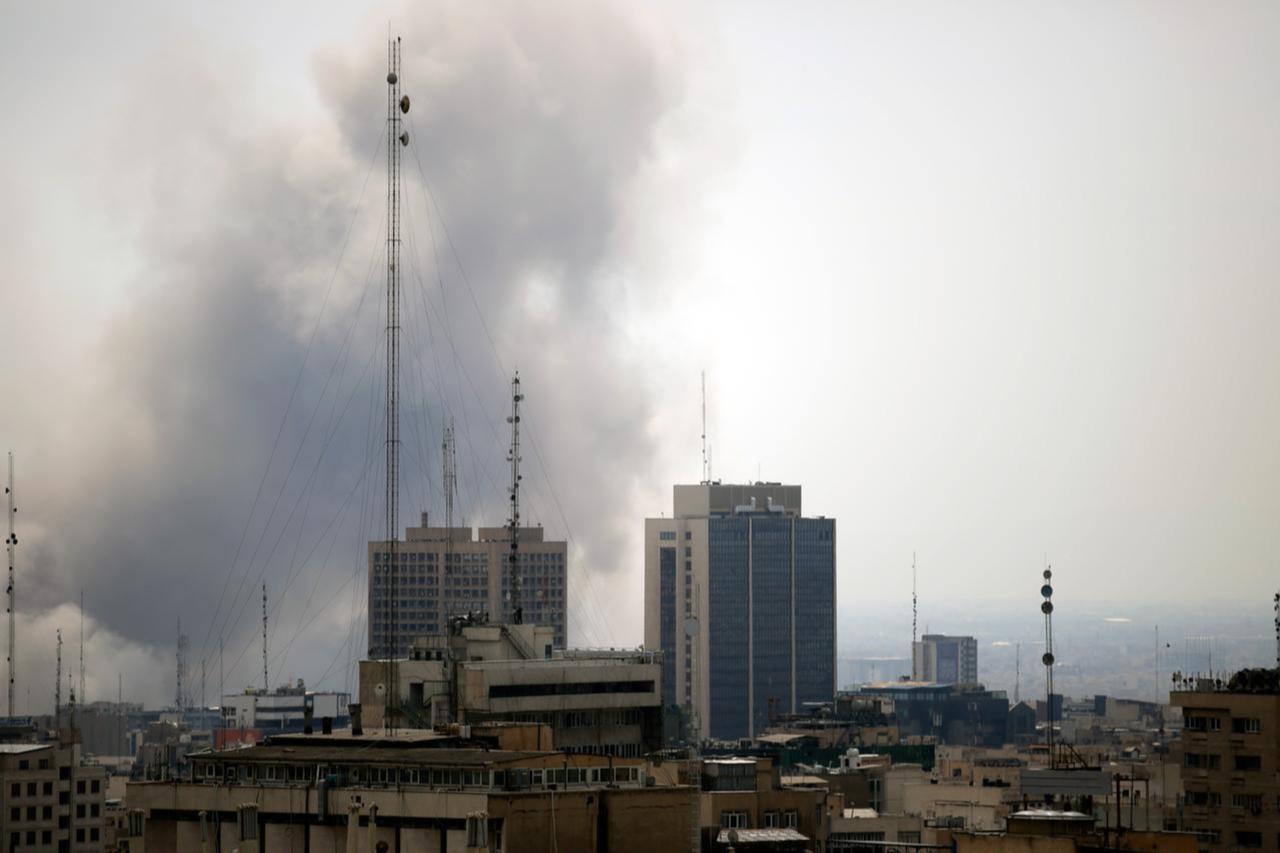
Trump confirmed that U.S. forces struck Kharg Island on Friday and Saturday. U.S. Central Command (CENTCOM) said it had conducted "precision strikes" on 90 military targets while "preserving the oil infrastructure."
Trump, however, said "we totally demolished Kharg Island, but we may hit it a few more times just for fun," adding: "We've totally decimated it. Except, as you know, I didn't do anything having to do with the energy lines, because having to rebuild that would take years."
Trump also said he was "surprised" that Iran chose to attack other Middle Eastern countries in response to the U.S.-Israeli operation, calling it "the biggest surprise I had of this whole thing."
He said U.S. allies, including the UAE, Qatar, and Saudi Arabia, "have been terrific" and "got shot at unnecessarily."
Iran has fired drones at multiple Middle Eastern countries, including Bahrain and Kuwait, targeting oil infrastructure, logistics hubs, and government centers.
Data from the UAE said 1,600 unmanned aerial vehicles had been fired at the country as of March 14.
On rising U.S. gas prices, Trump dismissed concerns about the potential political impact on Republican prospects in the midterm elections. Gas was averaging $2.94 per gallon in the U.S. on March 1, the day after strikes on Iran began. By Saturday, the average had risen to $3.66 per gallon, according to GasBuddy.
"I think they'll go lower than they were before, and I had them at record lows," Trump said, adding, "There's so much oil and gas; there's so much out there, but you know, it's being clogged up a little bit. It'll be unclogged very soon."
On the temporary lifting of sanctions on Russian oil, Trump stated that "I want to have oil for the world," adding that the sanctions will "go back as soon as the crisis is over."

Trump also directed criticism at Ukrainian President Volodymyr Zelenskyy, saying he is "far more difficult to make a deal with" than Russian President Vladimir Putin.
"Tell Zelenskyy to make a deal because Putin's willing to make a deal," Trump stated. He added, "The last person we need help from is Zelenskyy," when asked about Zelenskyy's offer to share Ukrainian expertise on intercepting Iranian drones with Middle Eastern countries.
Zelenskyy wrote on X Friday that Ukraine had "already sent expert teams to three countries" in the Middle East after they requested help intercepting Iranian Shahed drones.
An Iranian politician said Saturday that Ukraine was a "legitimate and lawful target" because of that offer.
On reports that Russia is sharing intelligence with Iran about the location of U.S. forces, Trump stated, "Russia is perhaps giving information, perhaps they're not," adding that the U.S. is "giving a little information to Ukraine and we're trying to make peace between the two nations."


 Set as preferred source
 Set as preferred source


 1 min read
 1 min read


