Newsletters


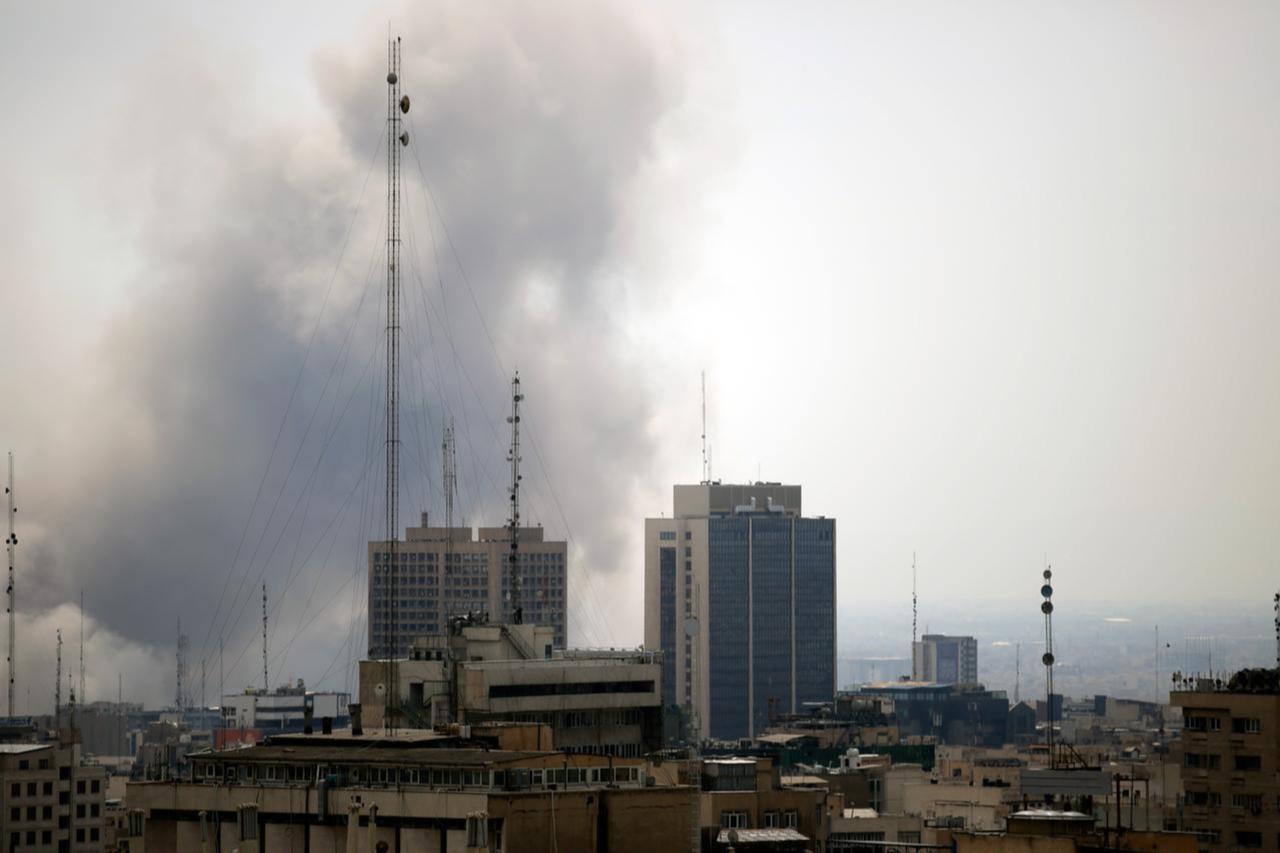


The administration of U.S. President Donald Trump has rebuffed attempts by Middle Eastern allies to begin diplomatic negotiations aimed at ending the war with Iran, according to a Reuters report citing sources familiar with the efforts.
Several countries have tried to mediate a ceasefire in the conflict that began two weeks ago following a large-scale U.S.-Israeli air assault on Iran.
According to Reuters, Oman has made multiple attempts to open communication channels between Washington and Tehran but the White House has indicated it is not interested.
A senior White House official confirmed that Trump has rejected the efforts and intends to continue the military campaign.
"He's not interested in that right now, and we're going to continue with the mission unabated. Maybe there's a day, but not right now," the official said.
Trump previously wrote on his Truth Social platform that Iran’s leadership wanted to talk following heavy U.S.-Israeli strikes but said it was “Too Late!”
A second senior White House official said that while potential new leadership in Iran may eventually want to talk, the current focus remains on continuing Operation Epic Fury.
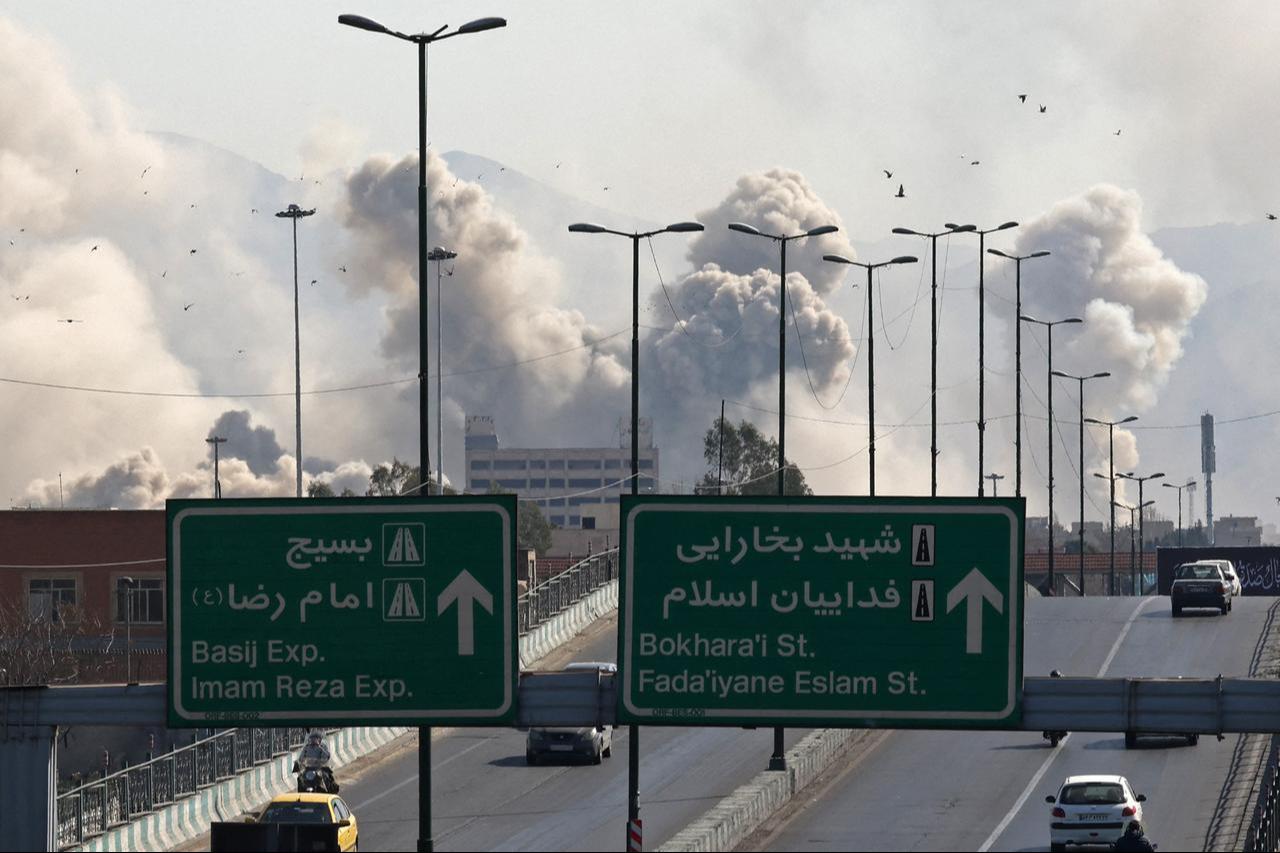

Two senior Iranian sources told Reuters that Tehran has rejected the possibility of a ceasefire unless U.S. and Israeli attacks end.
Iran has demanded a permanent halt to the strikes and compensation as part of any potential ceasefire agreement.
Several countries have attempted to mediate between the sides, including Egypt, which had previously been involved in diplomatic efforts before the war.
However, these efforts have not yet produced results.
One source said Iran’s senior security official Ali Larijani and Foreign Minister Abbas Araghchi had sought to use Oman as a channel for ceasefire discussions that might have involved U.S. Vice President JD Vance.
Those discussions did not materialize.
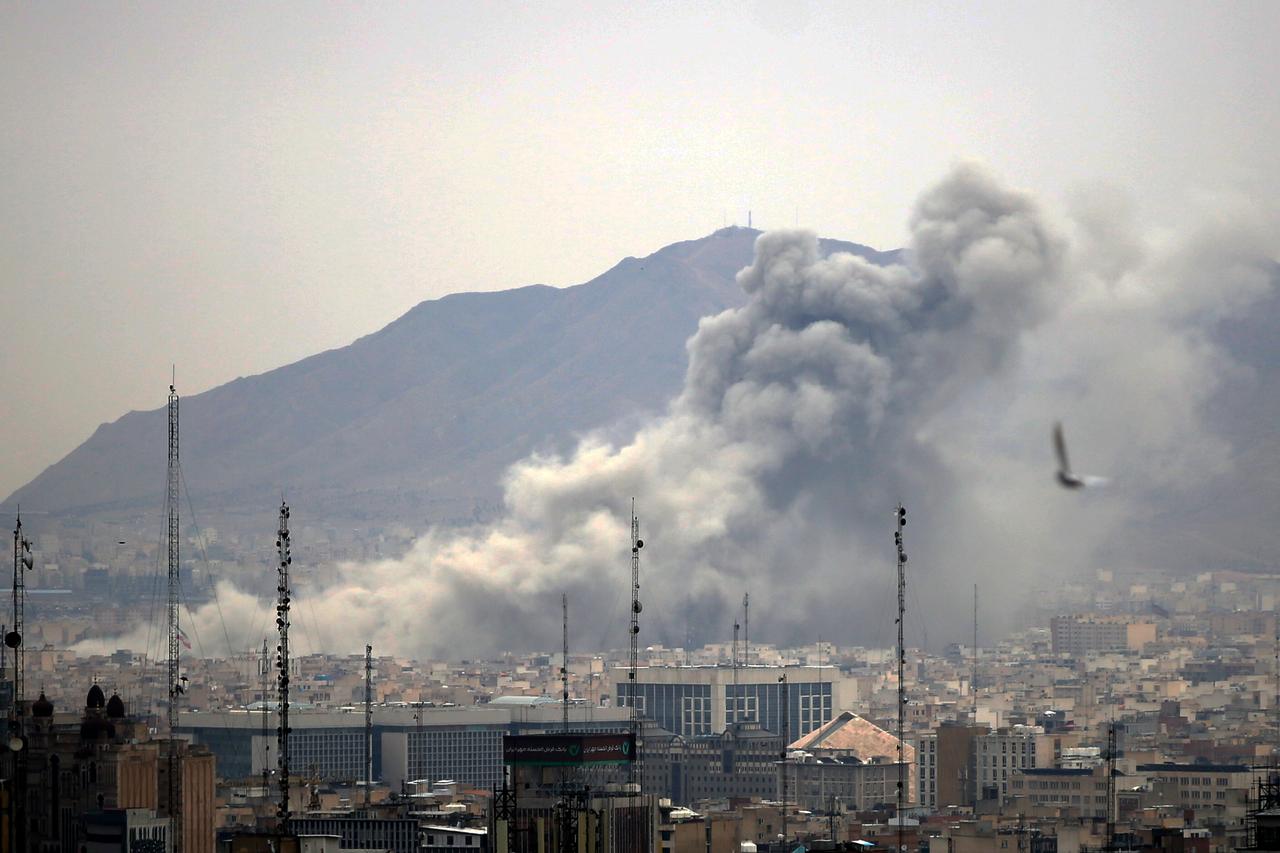
The war has killed more than 2,000 people, most of them in Iran, and caused major disruptions in global energy markets.
Maritime traffic has halted in the Strait of Hormuz, through which roughly one-fifth of the world’s oil supply is transported.
U.S. strikes on Iran’s Kharg Island, the country’s main oil export hub, highlighted Washington’s determination to continue the military campaign.
Iran’s new supreme leader Mojtaba Khamenei has vowed to keep the Strait of Hormuz closed and threatened to increase attacks on neighboring countries.
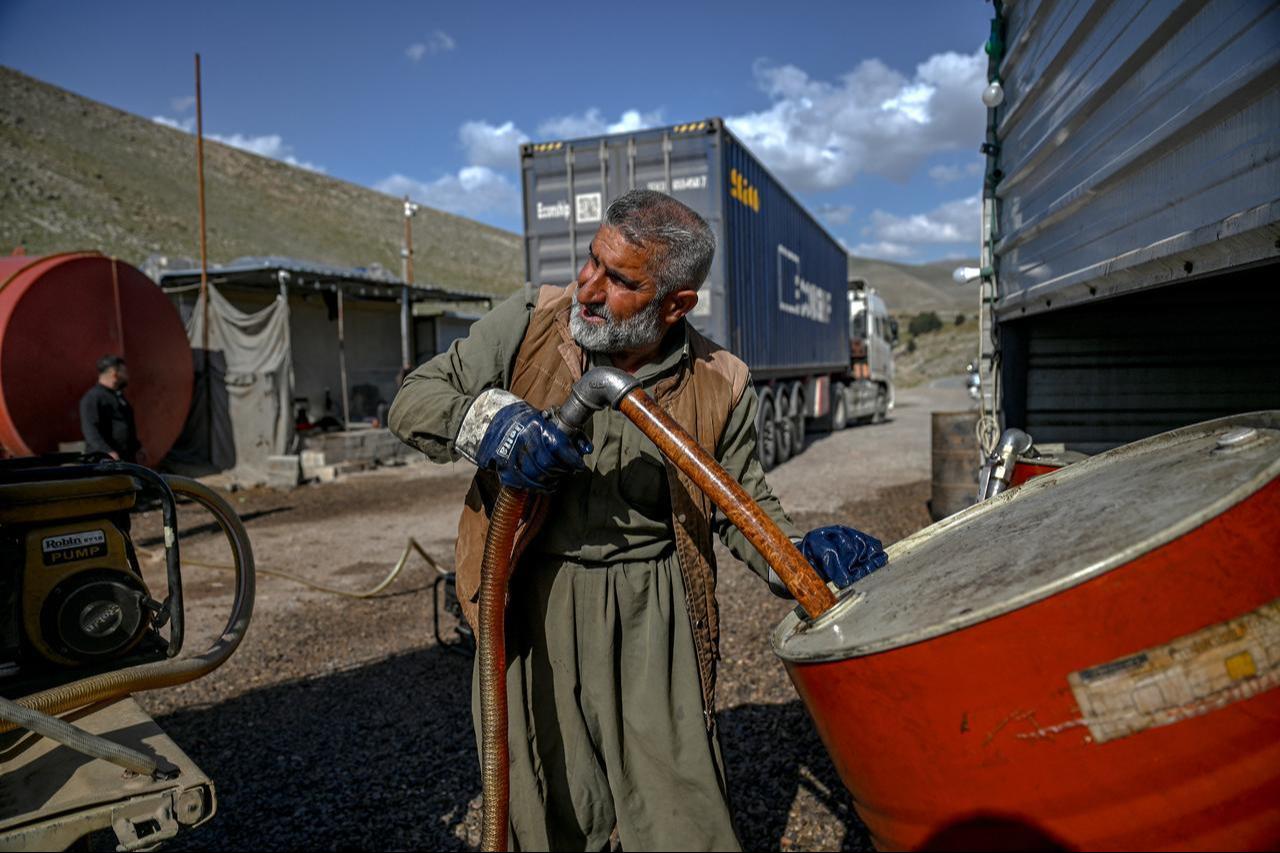
Sources told Reuters that positions in both Washington and Tehran have hardened as the war continues.
Some U.S. officials and advisers have warned that rising oil prices and gasoline costs could have political consequences ahead of U.S. midterm elections.
Others have urged Trump to continue the offensive to destroy Iran’s missile program and prevent the country from obtaining a nuclear weapon.
One Iranian source said the Islamic Revolutionary Guard Corps strongly believes Iran would lose the war if it lost control of the Strait of Hormuz.
"The Guards strongly believe that if they lose control over the Strait of Hormuz, Iran will lose the war," the source said.
The source added that the Guards would not accept ceasefire negotiations or diplomatic efforts despite mediation attempts by several countries.


 Set as preferred source
 Set as preferred source


 1 min read

 1 min read