Newsletters


Iranian Foreign Minister Abbas Araghchi stated on Sunday, March 15, that the United States has developed a drone called "LUCAS", which stands for "Low-cost Unmanned Combat Attack System," designed to fully mimic Iran's Shahed drone, and has used it to strike targets in Arab countries.
He also warned that Iran will target facilities belonging to American companies in the region if its own energy infrastructure is attacked.


In an interview with Al-Araby Al-Jadeed, Araghchi stated that Iran has received information that the U.S. and Israel are launching attacks from specific locations against Arab countries and attributing them to Iran.
"The Americans have developed a drone called 'Lucas' that is fully compatible with our Shahed drone, and through it, attacks are being launched against targets in Arab countries," Araghchi said, adding that the information is currently under investigation.
He also said Israel may be behind attacks on civilian targets in Arab countries to damage those countries' relations with Iran.
"So far, we have not targeted any civilian or residential area in the regional countries," Araghchi added.
"Iran is ready to form a joint investigation committee with regional countries to examine the targets that have been attacked and determine whether they were American targets or not," he noted.
"Our attacks only target American bases and interests in the region," he stated.,
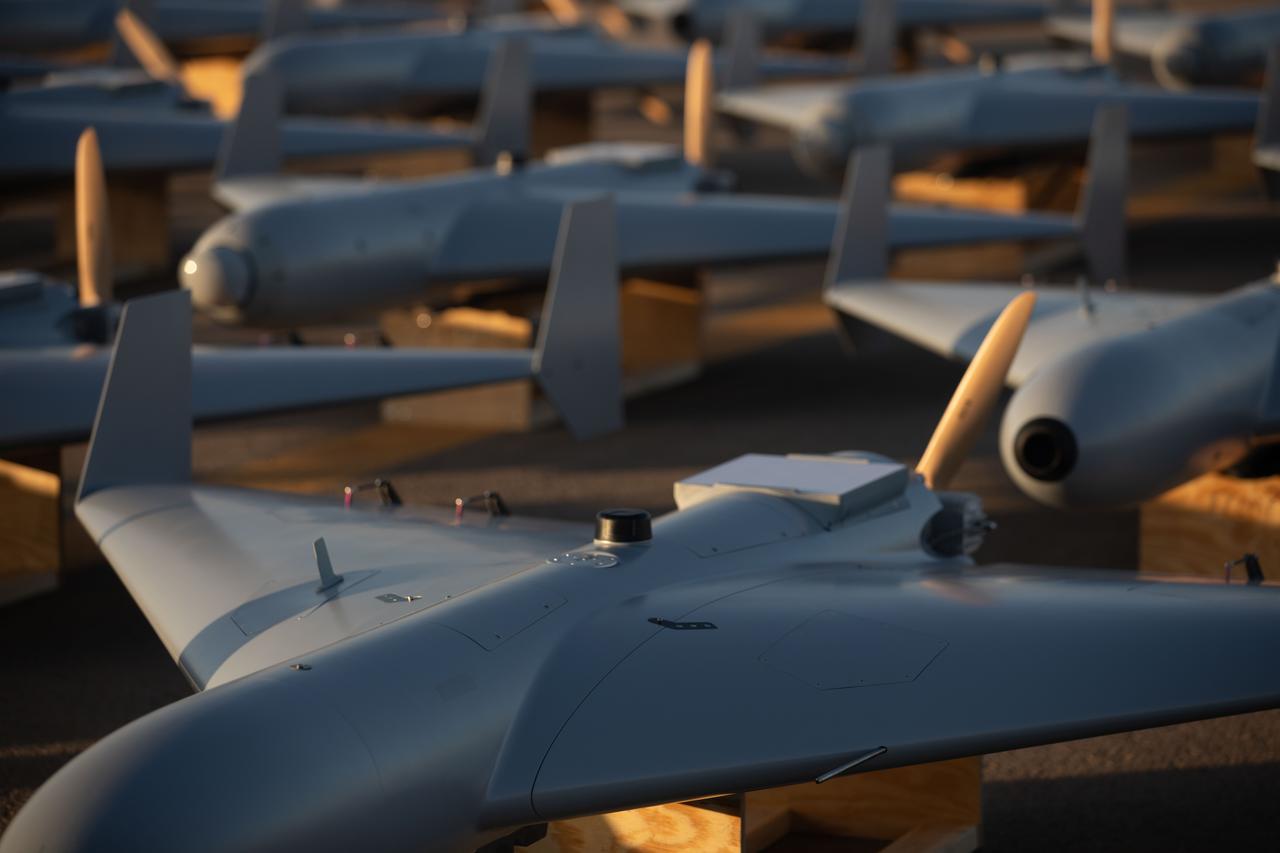
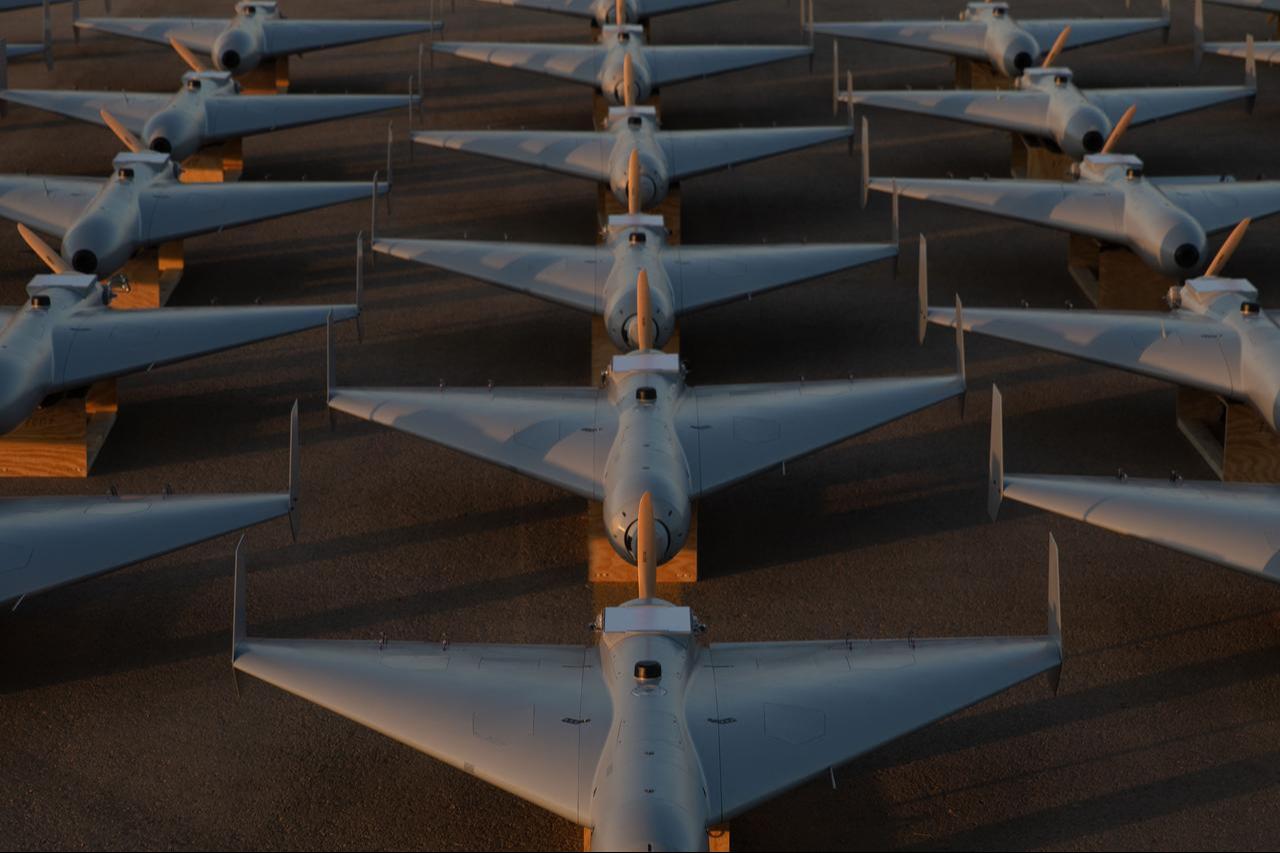
The U.S. vehicle is derived from the Iranian Shahed-136 one-way attack drone, which has seen heavy combat use in Ukraine, the Red Sea, and the Persian Gulf theatre.
Made by Arizona-based drone manufacturer SpektreWorks, LUCAS was reportedly reverse-engineered from a Shahed-136 recovered by Ukrainian forces.
The Pentagon fielded LUCAS and created the U.S. military's first one-way attack squadron to operate the drones. The new attack platform saw its first combat use in the opening hours of the air campaign against Iran, which Washington calls Operation Epic Fury.
The U.S. Undersecretary of Defense for Research and Engineering's office said on March 12 that LUCAS has a flight range of 434 nautical miles and costs between $10,000 and $55,000 per unit.
That price is lower than the Pentagon pays for Joint Direct Attack Munition (JDAM) guidance kits, which convert "dumb" gravity bombs into precision munitions. JDAMs have been touted by the Trump administration for their low cost and "unlimited" supply.
The LUCAS, also known as the FLM 136, measures 3 meters long and 2.5 meters wide and weighs 81.5 kilograms, compared to the Shahed-136, which weighs 200 kilograms.
The lighter weight means the FLM 136 carries a lower payload of 18 kilograms compared to the Shahed's 50 kilograms.
The drone can conduct attacks for up to 6 hours at a range of 444 nautical miles and at altitudes up to 15,000 feet. It is powered by an internal combustion engine and can cruise at 137 kilometers per hour and reach a top speed of 194 kilometers per hour.
A video published by the U.S. military and SpektreWorks indicates that the LUCAS is launched using either a pneumatic catapult or a rocket booster and rail system.
The SpektreWorks company, which produces the kamikaze drone LUCAS derived from the Shahed-136, reportedly has a total of 15 employees. There are seven months between the company's signing of a contract with the Pentagon for LUCAS and the drone's use in Iran.
Responding to threats by U.S. President Donald Trump to target Iran's energy facilities, Araghchi stated, "If our energy facilities are targeted, we will target the facilities of American companies in the region."
He added that the Strait of Hormuz "is open to everyone except ships belonging to the United States and its allies."
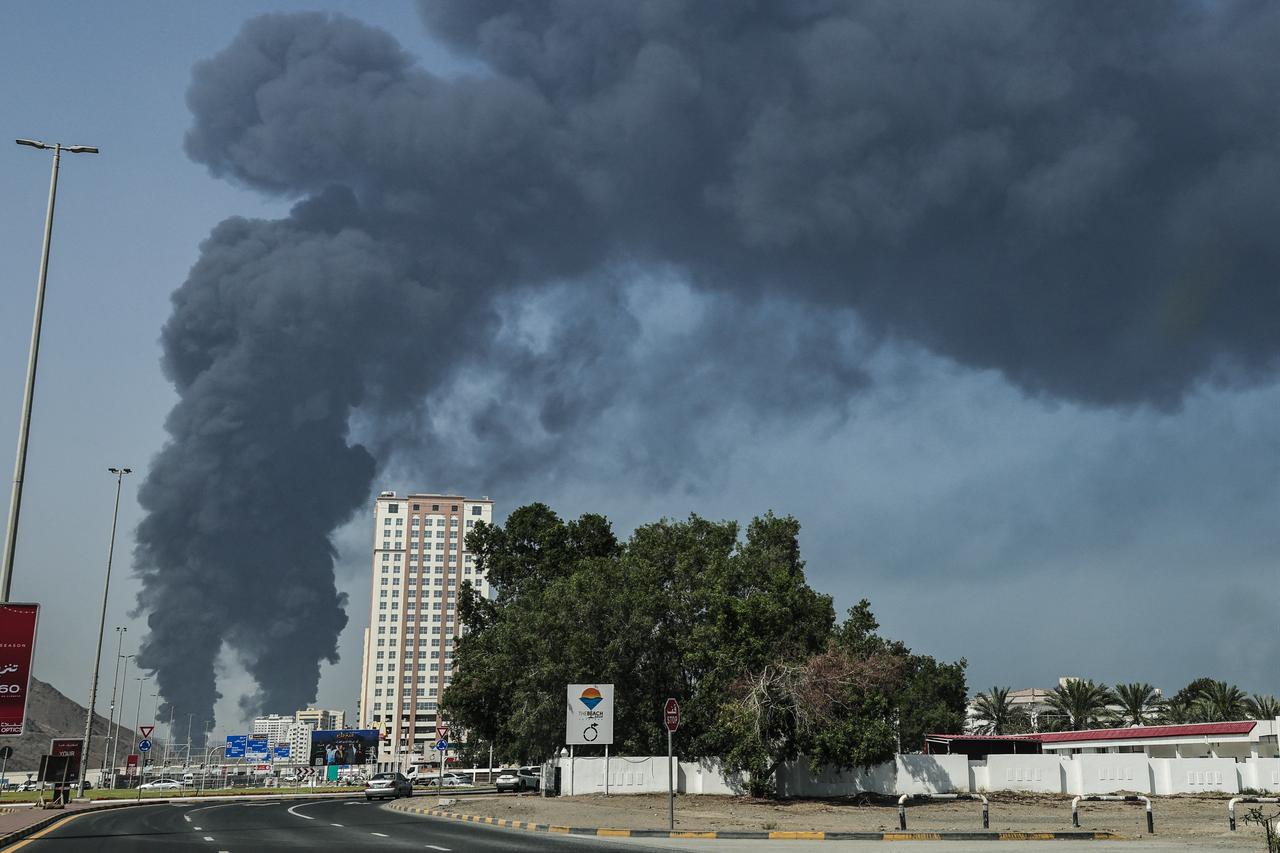
Araghchi said contacts with neighboring countries, including Qatar, Saudi Arabia, and Oman, are ongoing and that diplomatic communication has not stopped.
He noted that some regional countries have put forward proposals for ending the war and that the Islamic Republic is ready to examine any proposal. However, he said the end of the war depends on guarantees of non-recurrence and the payment of compensation.
"We welcome any regional initiative that leads to a just end to the war," Araghchi concluded.
Since Israel and the U.S. launched joint attacks on Iran on Feb. 28, killing around 1,200 people, including then-Supreme Leader Ali Khamenei, hostilities have escalated.
At least 203 children and 223 women were killed in U.S.-Israeli attacks on Iran since Feb. 28, the Iranian Health Ministry stated on Sunday.
Iran has retaliated with drone and missile strikes targeting Israel, Jordan, Iraq, and Gulf countries hosting U.S. military assets.


 Set as preferred source
 Set as preferred source


 1 min read
 1 min read