Newsletters




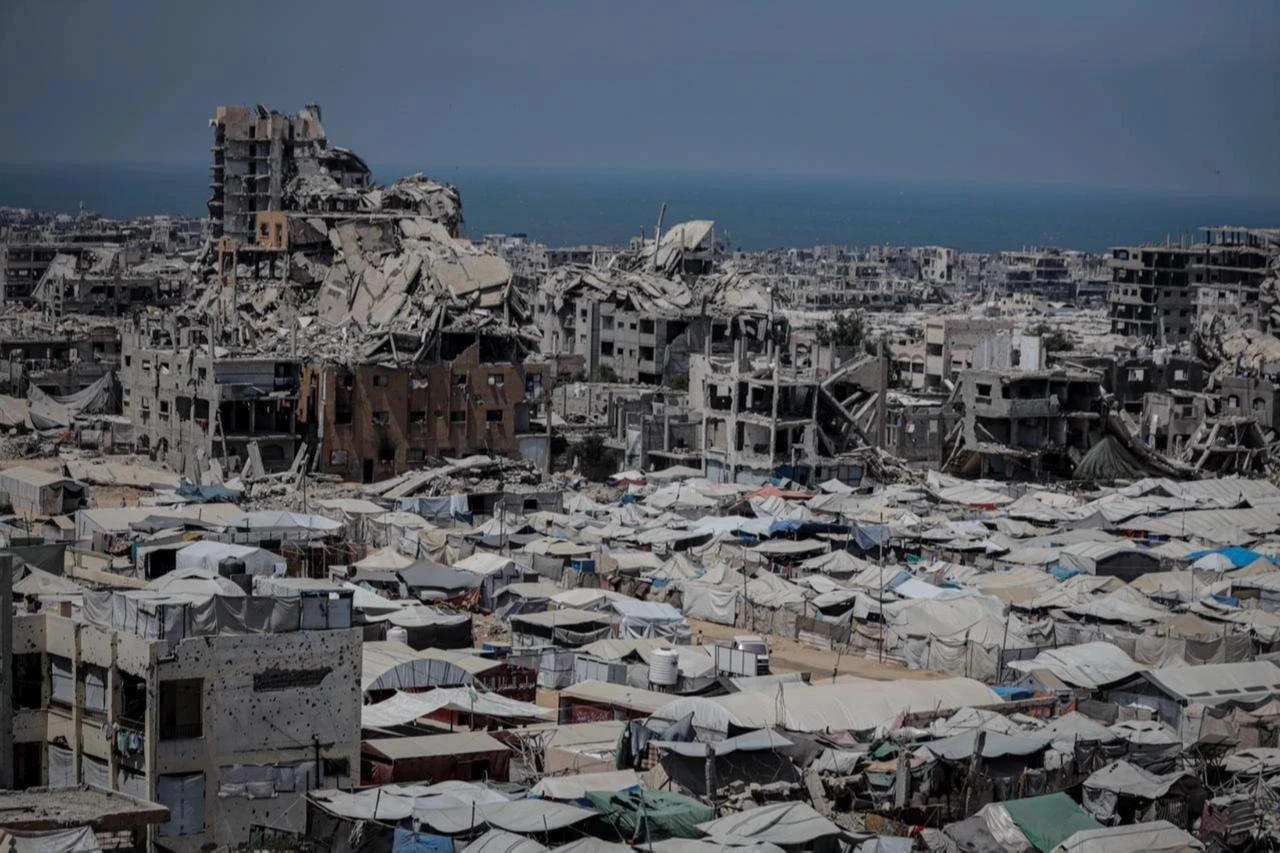
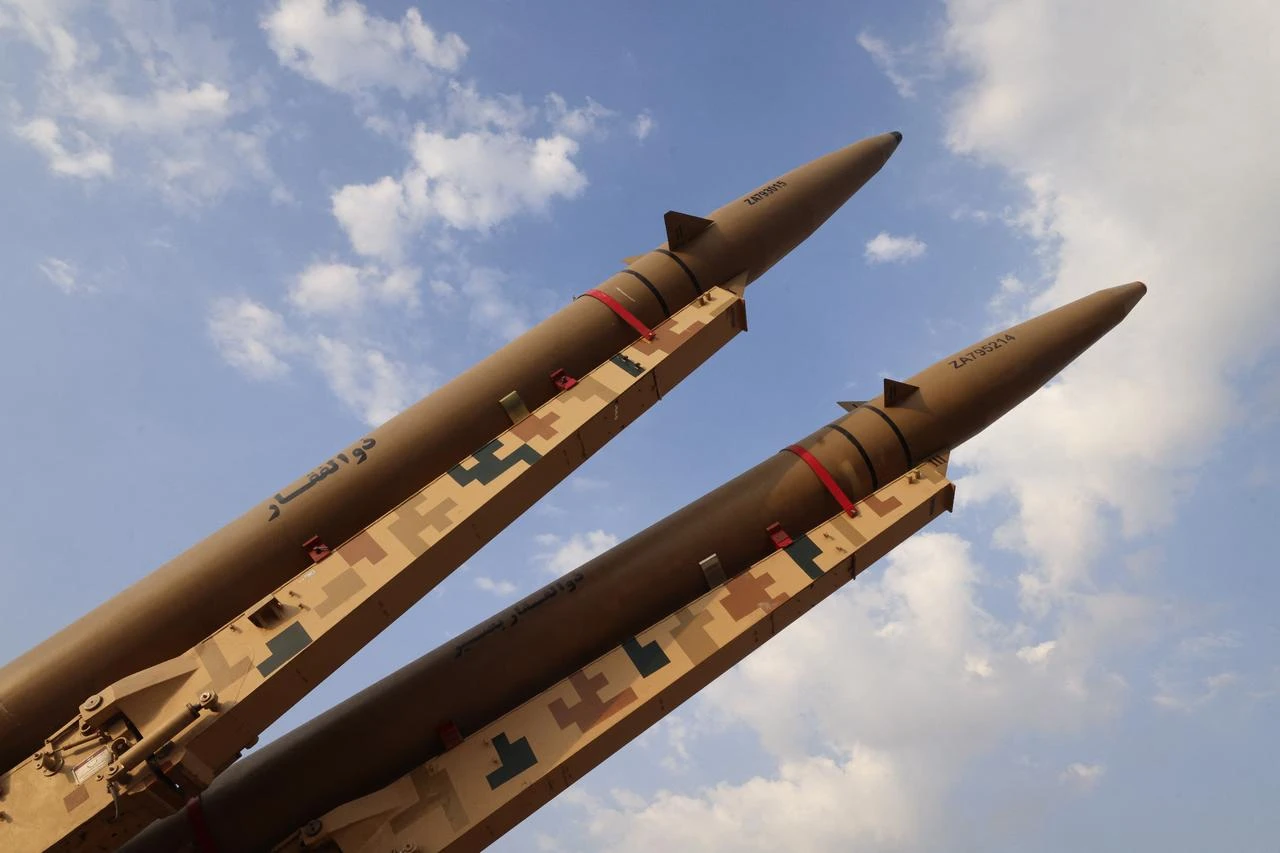
U.S. President Donald Trump is facing narrowing options over the war with Iran as the conflict enters its sixth month, with a possible diplomatic arrangement over the Strait of Hormuz competing against the risk of renewed military strikes ahead of November’s midterm elections.
Reuters reported that Trump is caught between an emerging Iran-Oman arrangement that could give Tehran greater control over traffic through the Strait of Hormuz and following through on threats of another major U.S. attack, which could prolong the conflict and carry additional political costs at home.
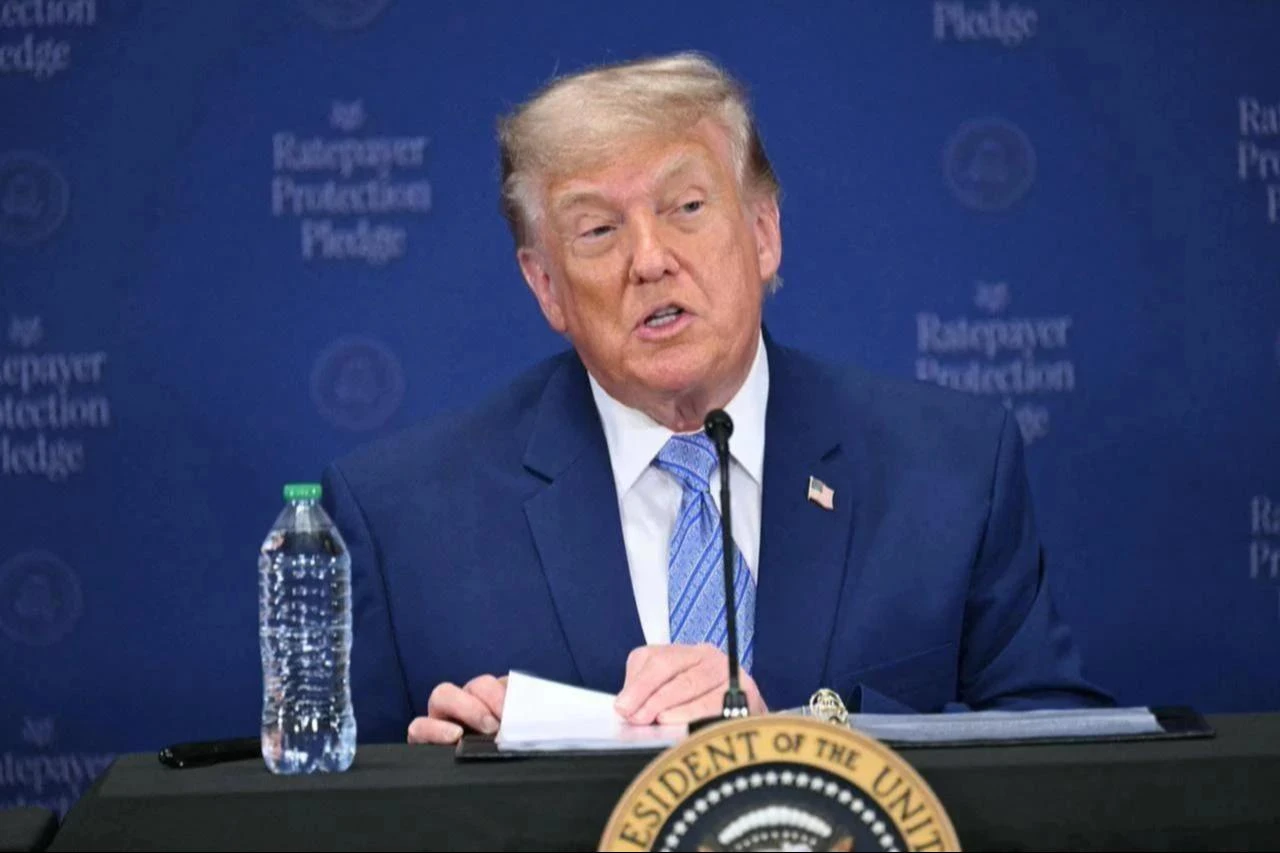
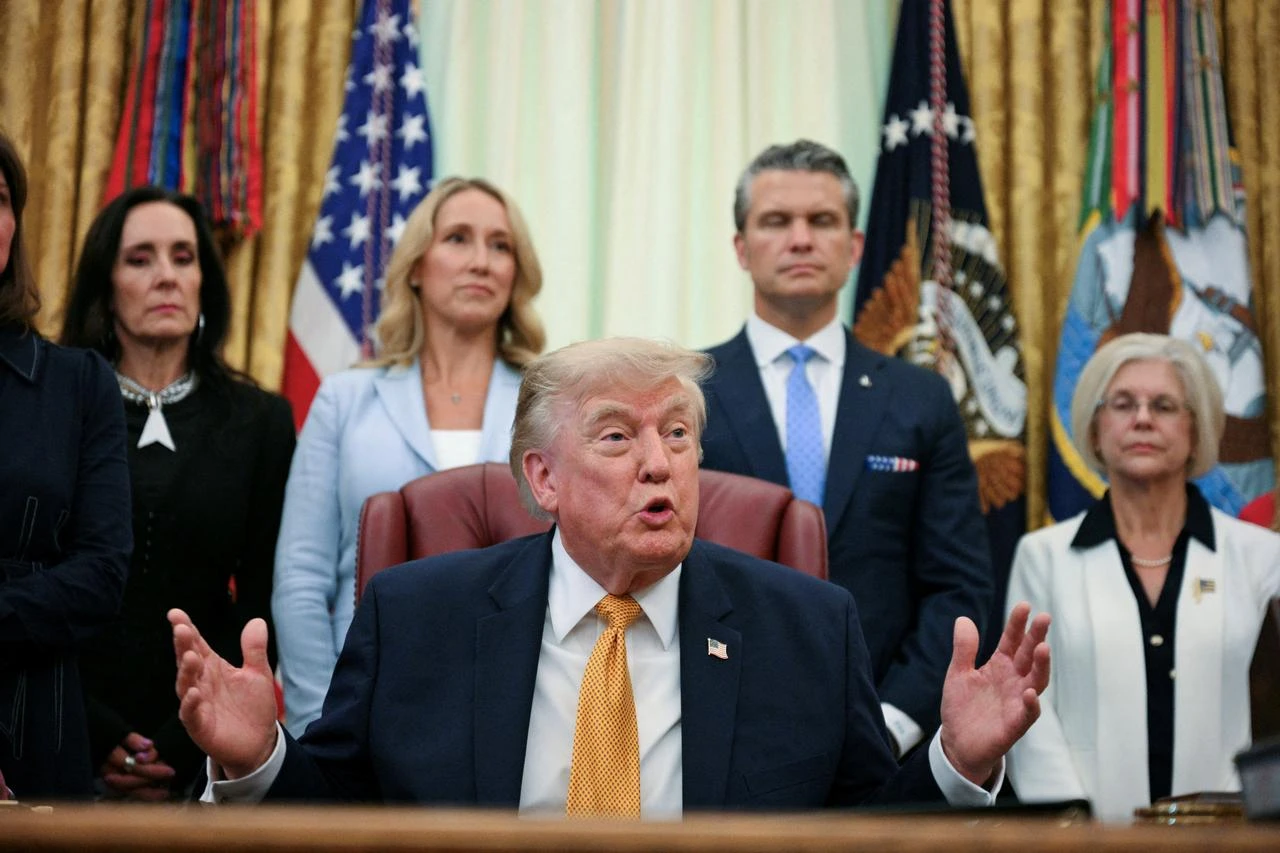
Trump addressed that tension in an interview with Punchbowl News less than 100 days before the midterms, saying Iran wanted an agreement but leaving open the possibility of another strike.
“They want to make a deal,” Trump said. Asked about concerns that gasoline prices could rise again, he said that would happen “only if I have to do another hit.”
The remarks underscore the political and economic risks surrounding Trump’s next decision on Iran as Republicans seek to retain control of Congress.

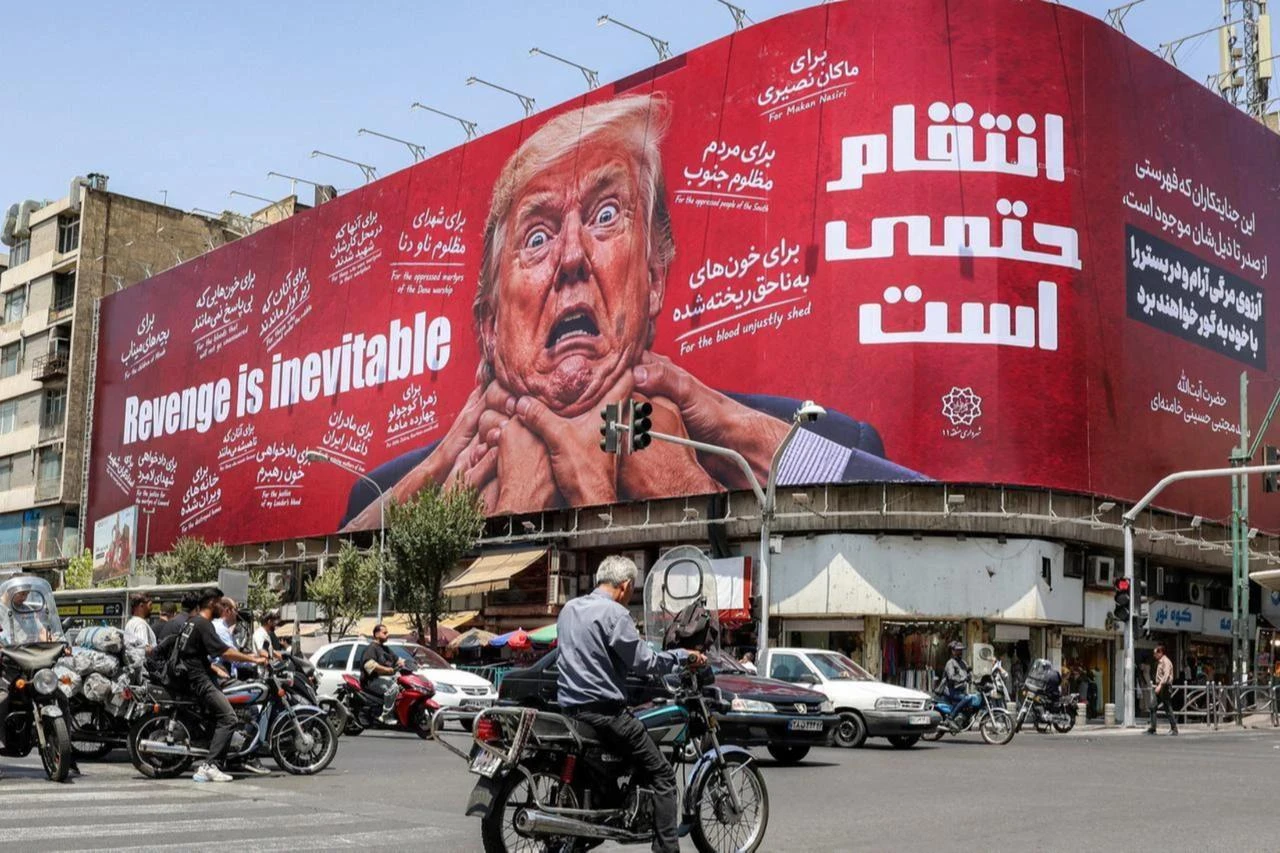
Under the proposed terms being discussed by Iran and Oman, Tehran would gain some control over ships entering the Gulf through the Strait of Hormuz, a senior Iranian source and two regional officials told Reuters.
Analysts said accepting such an arrangement could amount to Iran’s biggest concession from Washington since the U.S. and Israel launched attacks on Iran on Feb. 28 and would formalize, at least temporarily, Iranian supervision of the vital shipping route.
U.S. Secretary of State Marco Rubio has insisted that Hormuz must remain an open international waterway free from Iranian control, tolls or fees.
A U.S. official told Reuters on condition of anonymity that any temporary shipping routes would operate without impediments and without any party overseeing passage.
Trump has said a deal reopening the waterway is close, while Iranian officials have said important details remain unresolved.
Reopening the strait is considered a prerequisite for renewed U.S.-Iran negotiations, which Washington wants to focus on Tehran’s nuclear program, the main declared objective of Trump’s military campaign.
Aaron David Miller, a former Middle East negotiator for Democratic and Republican administrations, described Trump’s choices as “a menu of bad options.”
“Something has to give, and that may be recognition of a new Iranian reality in the strait,” Miller told Reuters.
Trump could reject the emerging arrangement and launch another wave of airstrikes, but analysts say previous bombing failed to force Tehran into submission and further escalation could deepen a war Trump originally predicted would last only weeks.
Trump said Saturday that he canceled plans for new large-scale attacks after Middle Eastern partners asked him to give diplomacy another chance, while warning that Washington could strike hard if those efforts failed.
He delivered another mixed message Wednesday, saying at a Las Vegas rally: “I’d rather make a deal because I don’t want to kill people. But at some point we’re gonna.”
Iran has warned U.S. Gulf allies that another American attack would trigger retaliation against their energy infrastructure, five sources familiar with the discussions told Reuters.
Some analysts have also raised concerns about U.S. missile stockpiles, although Trump has denied that Washington is running low on munitions.
The consequences for energy prices are also becoming increasingly relevant politically. In his Punchbowl News interview, Trump directly linked the possibility of higher gasoline prices to another U.S. attack on Iran, saying prices would rise only “if we have to do another hit.”
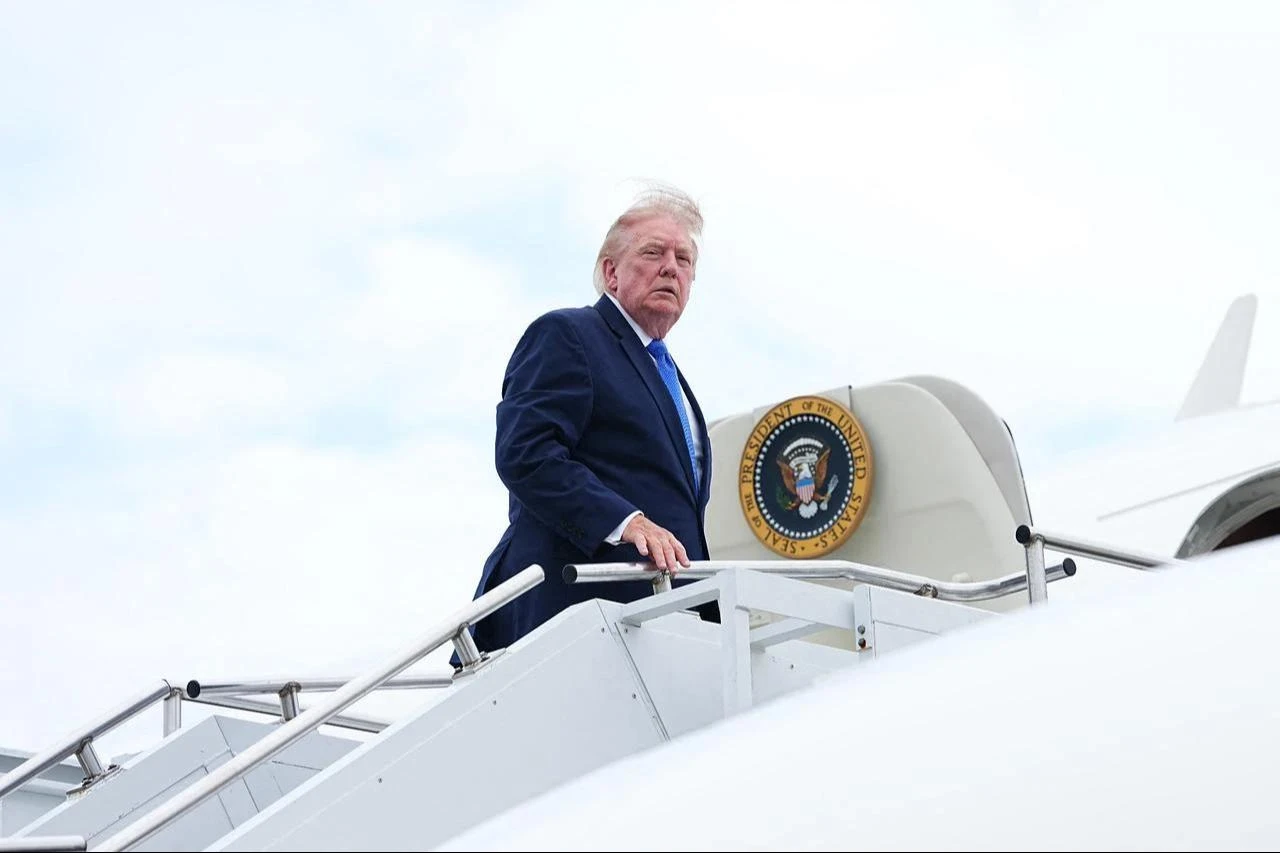
The Iran conflict is unfolding as Trump intensifies his campaign to keep Republicans in control of Congress.
Trump told Punchbowl News that he planned to fight hard for Republican candidates and said funds under his control would be used to help the party in the midterms. He also acknowledged the historical difficulty facing a president’s party in midterm elections and said Republican voters were frustrated with lawmakers, though not with him.
“If the Senate doesn’t get smart, I may be the last Republican president,” Trump said while discussing his broader frustration with congressional Republicans and their handling of his legislative priorities.
Asked how he viewed the House and Senate races, Trump nevertheless predicted Republicans would win.
Reuters reported that administration officials increasingly expect the Iran conflict to continue in some form through the midterms, with early voting beginning as soon as September in some states.
That could further complicate the political environment for Trump, who campaigned for a second term on promises to avoid foreign interventions and focus on Americans’ economic concerns.
Trump could also maintain the current approach by continuing the blockade of Iranian ports and periodically responding to attacks on shipping. But analysts say that option would also leave him without a clear exit from a war he once predicted would be over by mid-April.
Jonathan Panikoff, a former deputy U.S. intelligence officer for the Middle East, said China, Russia and North Korea are watching how Washington handles the conflict.
“They are learning what U.S. limitations are going to be for years to come,” he told Reuters.


 Set as preferred source
 Set as preferred source


 2 min read
 1 min read