Newsletters


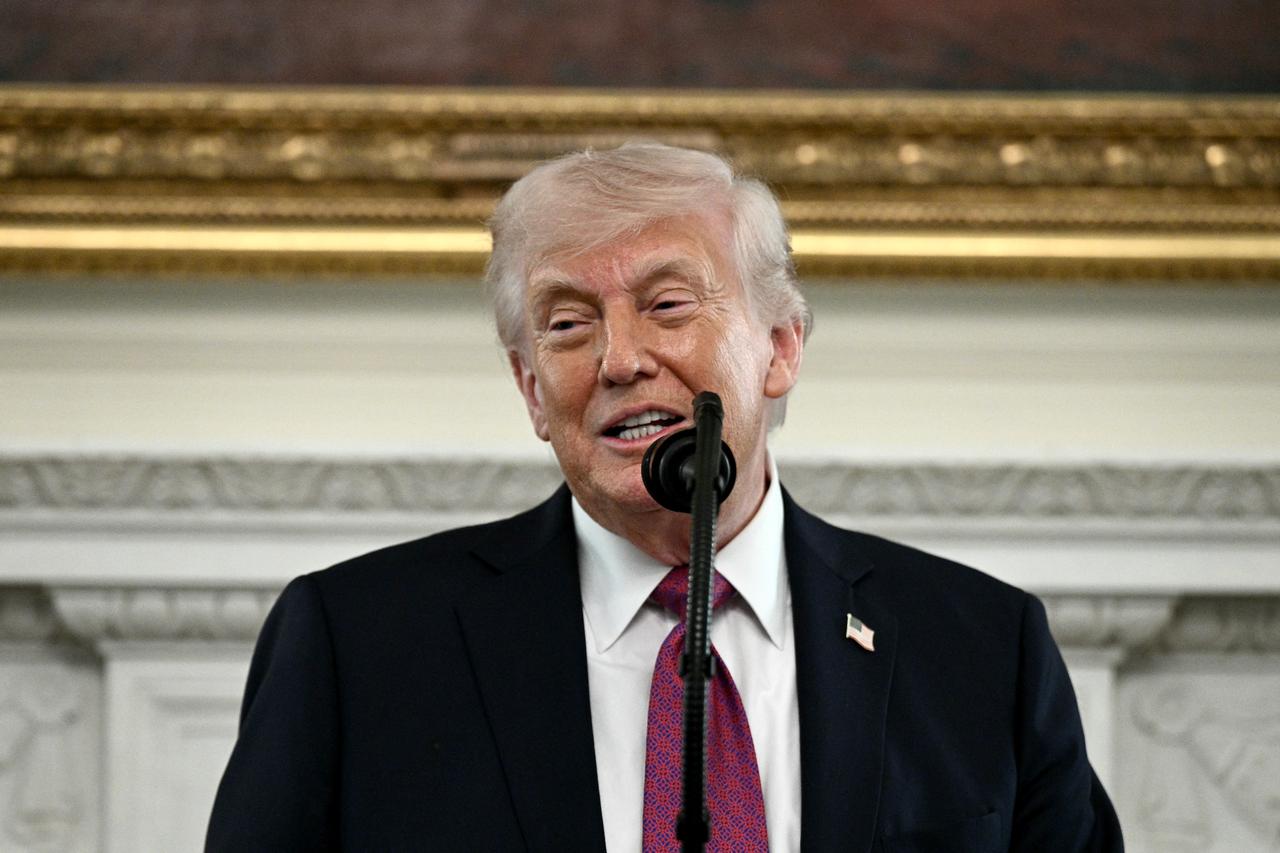


U.S. President Donald Trump is giving Iran a window of "three to five days" to unify its warring factions behind a coherent counteroffer before the extended ceasefire ends, Axios reported Wednesday, citing U.S. officials.
The report revealed that Iran's new Supreme Leader Mojtaba Khamenei was "barely communicating" with Islamic Revolutionary Guard Corps (IRGC) generals and civilian negotiators who were "openly at odds."
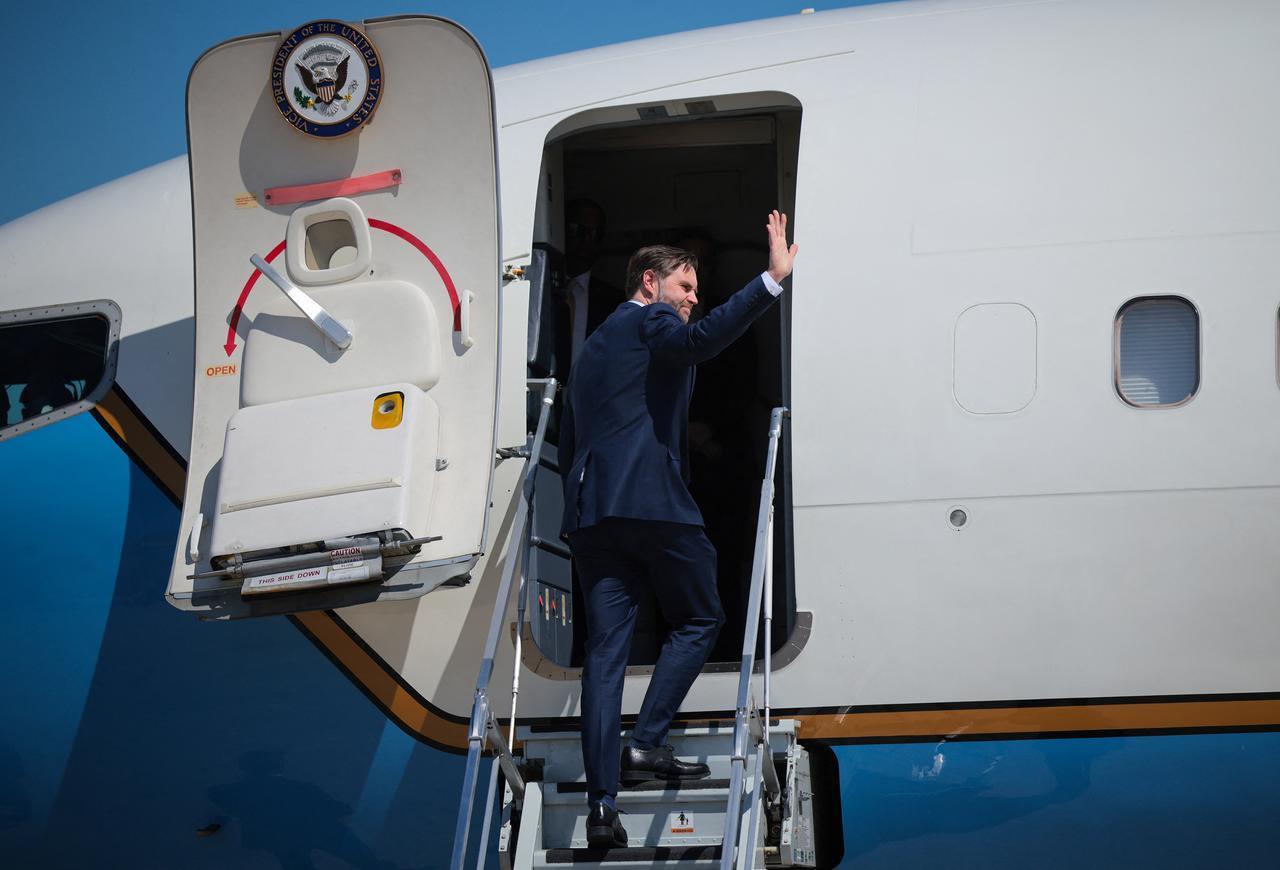
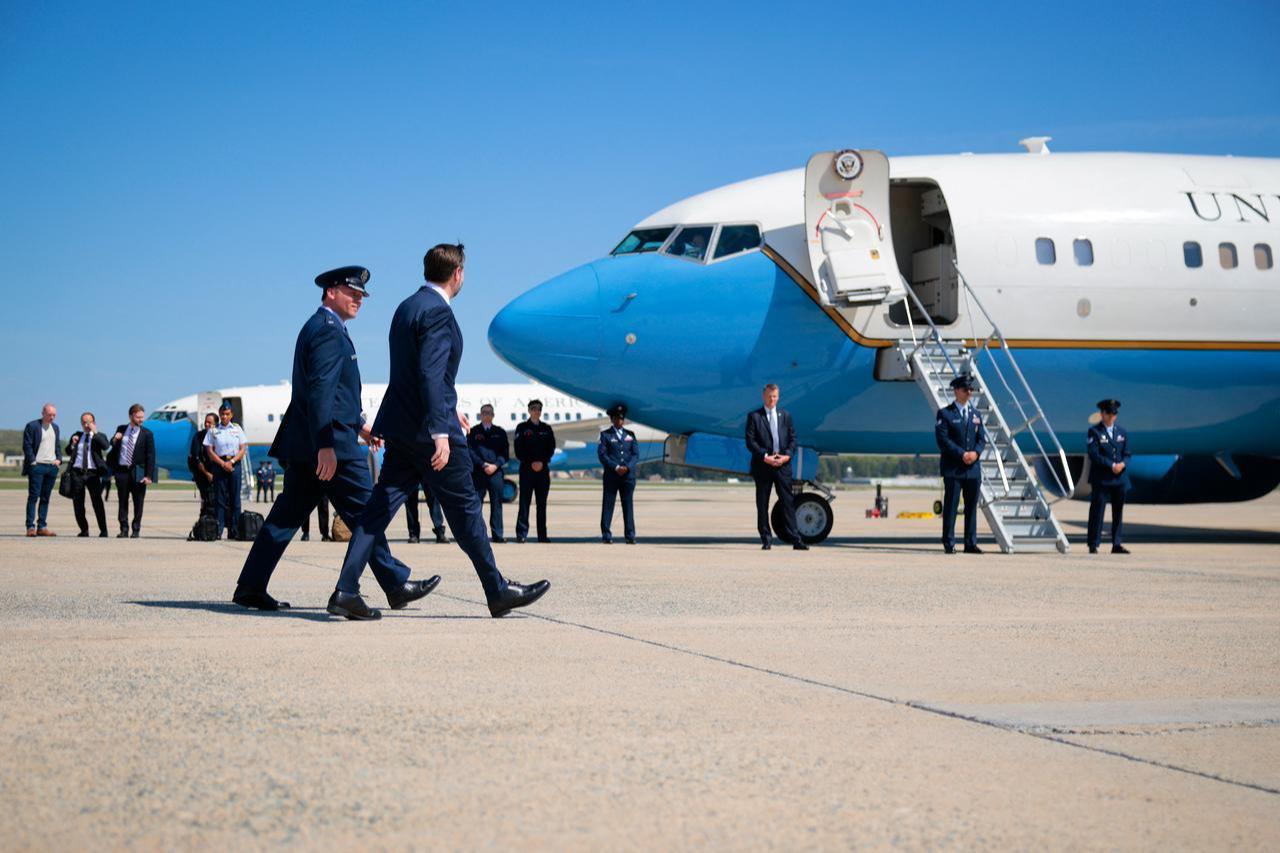
U.S. Vice President JD Vance's plane sat on the tarmac at Joint Base Andrews for hours before it became clear the Islamabad second round was not happening, according to Axios.

A U.S. official told Axios the depth of the Iranian division had only become fully clear in recent days.
"We saw that there is an absolute fracture inside Iran between the negotiators and the military, with neither side having access to the supreme leader, who is not responsive," the official said.
The fracture first became visible after the first Islamabad round, when IRGC Commander Gen. Ahmad Vahidi and his deputies rejected much of what Iran's own civilian negotiators had discussed. It broke fully into the open last Friday when Foreign Minister Abbas Araghchi announced the Strait of Hormuz was reopening, and the IRGC refused to implement it, then began publicly attacking him.
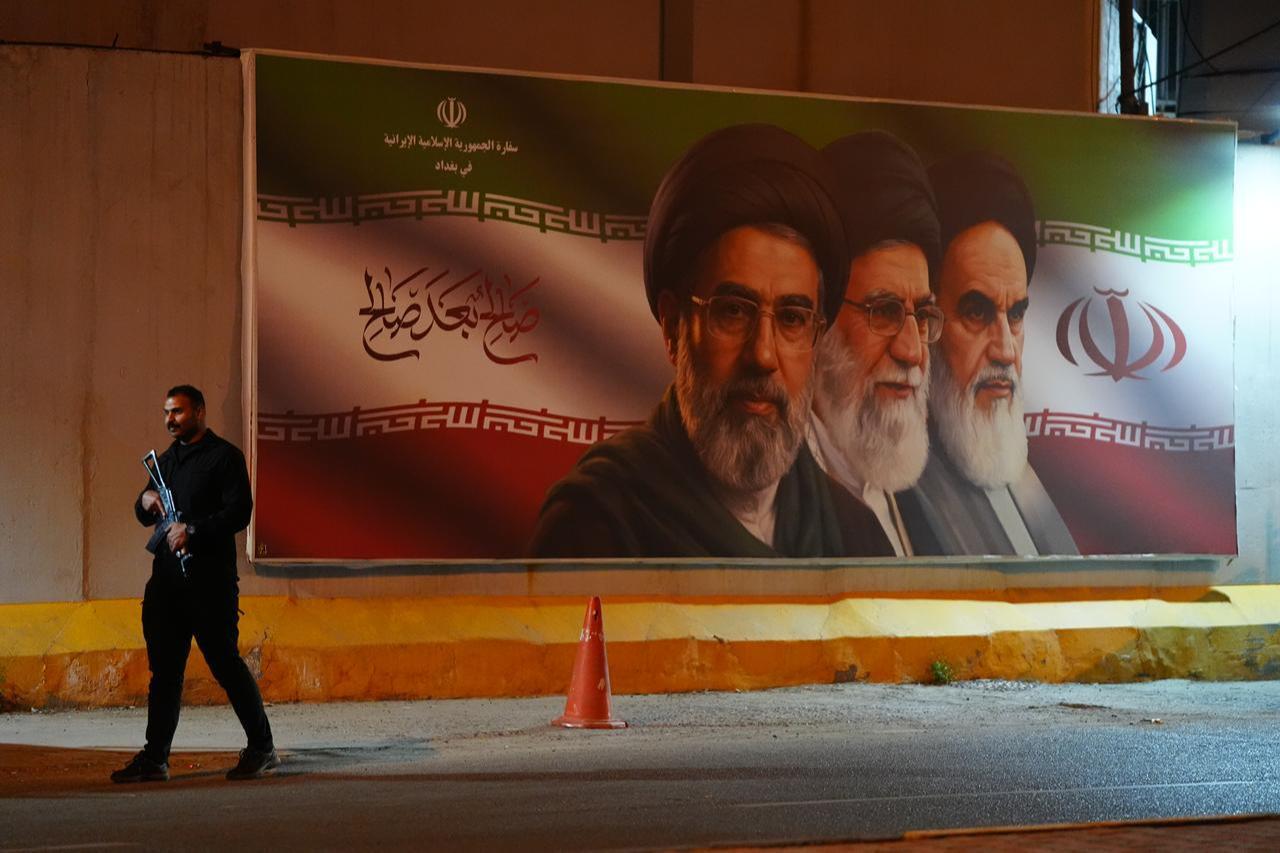
U.S. officials identify the assassination of Ali Larijani by Israel in March as a structural cause.
Larijani, the previous Supreme National Security Council secretary, had the authority and political weight to hold Iran's decision-making together.
His replacement, Mohammad Bagher Zolghadr, whose job is to coordinate between the IRGC, civilian leadership and the supreme leader, is "not effective," a U.S. official said.
The last 48 hours were described as "extremely frustrating for the White House, particularly for Vice President Vance."
On Monday evening, Iran appeared to have given Pakistani mediators a green light for talks. By Tuesday morning, that signal was gone, replaced by a demand that the U.S. lift its naval blockade.
Air Force Two sat for hours on the tarmac at Joint Base Andrews, ready to depart, until it became clear the trip was not happening. Witkoff and Kushner, who had been set to fly from Miami to Islamabad, boarded a government plane to Washington instead.
On Tuesday afternoon, Trump convened a national security meeting with Vance, Witkoff, Kushner, Rubio, Hegseth, CIA Director John Ratcliffe, Joint Chiefs Chairman Gen. Dan Caine and other top officials.
Some of Trump's own advisers did not know which way he was leaning going into the meeting: a massive strike on Iranian energy infrastructure or more time for diplomacy. He chose the latter.
"The degree of the fracture became clear in the last few days, and the question was: does it make any sense to go to Islamabad like that? So the decision was to give the diplomatic efforts a little bit more time," a U.S. official said.
A U.S. source briefed on the matter told Axios: "Trump is willing to give another three to five days of ceasefire to allow the Iranians to get their s**t together. It is not going to be open-ended."
U.S. officials and Pakistani mediators are now waiting for Khamenei to break his silence in the next day or two and give his negotiators a clear directive to return to the table, according to a regional source familiar with the mediation and an Israeli source with knowledge of the discussions.
Axios reported that several U.S. officials and Trump associates drew the same conclusion: Trump believed the U.S. had achieved everything it could militarily and wanted out of an increasingly unpopular war.
He would not resume military action until all other options were exhausted.
"It certainly looks like Trump doesn't want to use military force anymore and has made a decision to end the war," one U.S. source close to Trump said.


 Set as preferred source
 Set as preferred source


 3 min read