Newsletters


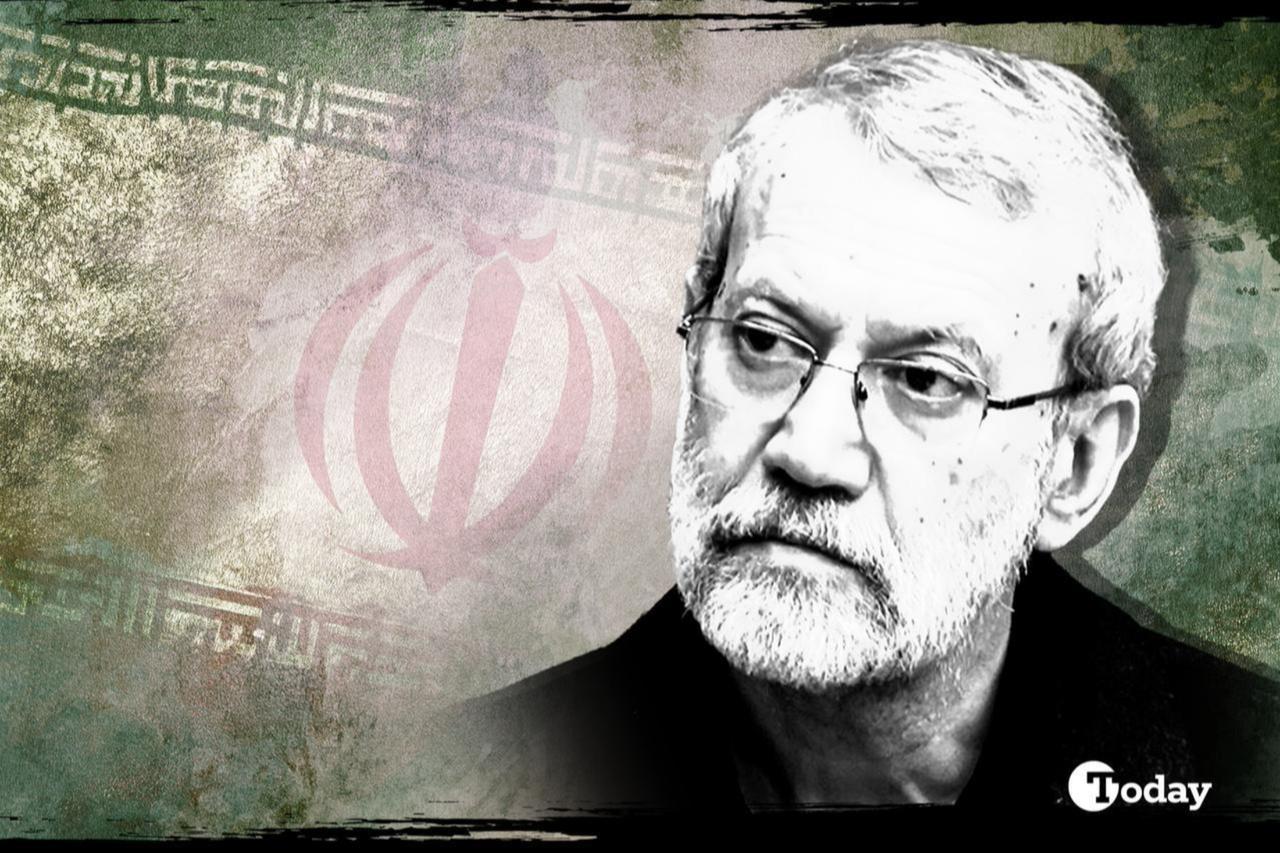


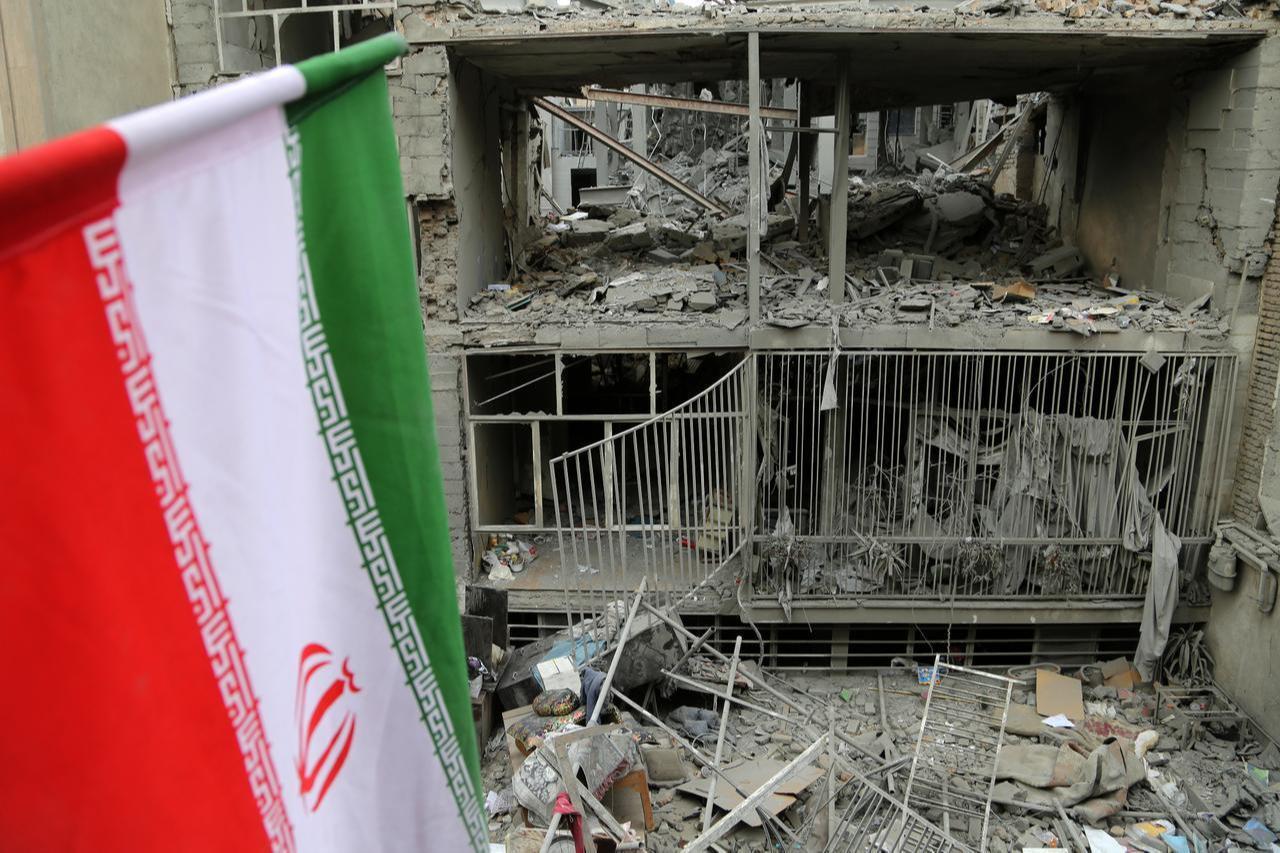
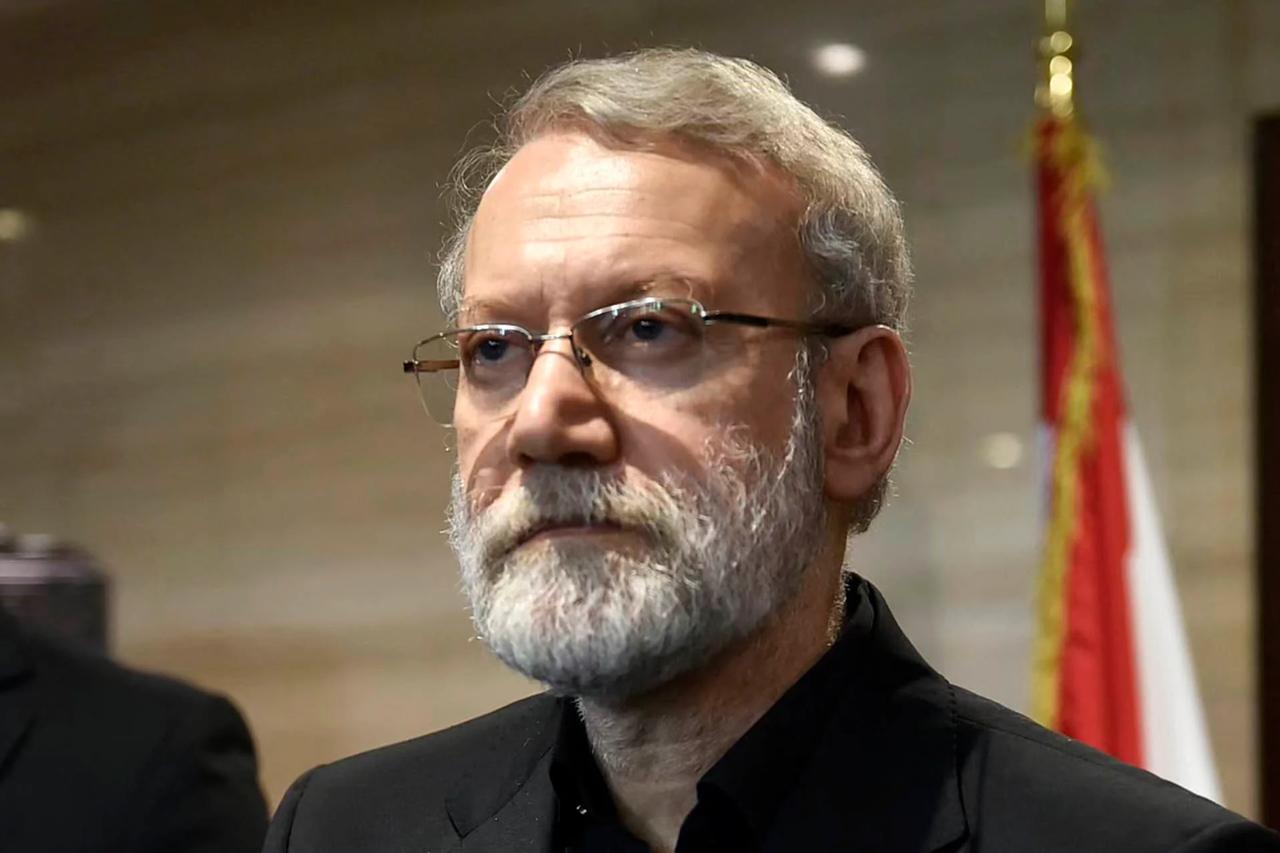
Iranian media confirmed the assassination of Ali Larijani, pointing to a significant tactical success for Israel, but far less clarity about its long-term strategic consequences.
While the removal of a senior political figure can disrupt elite networks, it does not necessarily translate into systemic change within Iran’s deeply institutionalized power structure.
One of the potential outcomes being discussed is the possibility that the death of a figure like Larijani, who serves as a bridge between multiple segments of the administration, could further radicalize the regime.
However, some oppose this view, as they believe Khamenei’s assassination represents a peak, arguing no other loss could prove more consequential.
The Iranian regime’s political structure has so far demonstrated resilience in the face of targeted killings. Key figures are often replaced quickly, with successors drawn from a well-established bench of loyalists. This institutional redundancy limits the broader destabilizing effect such operations might otherwise produce.
More importantly, "there is little indication that such actions are designed to trigger regime collapse," says Sina Azodi, a professor of Middle East Politics at The George Washington University. Rather than dismantling the system, the strikes might tend to reinforce the siege mentality, consolidating internal cohesion in the face of external threats.

Larijani occupied a unique position within Iran’s political landscape, straddling both conservative and more pragmatic factions. Although he began his career aligned with hardline positions, particularly on the nuclear issue, he later evolved into a figure capable of engaging across ideological camps and different positions.
His eventual support for the Joint Comprehensive Plan of Action (JCPOA) agreement is proof of that shift. It also positioned him as a rare intermediary who could translate internal consensus into external diplomacy, particularly during moments of heightened tension.
His removal, therefore, carries implications beyond individual influence. It weakens one of the system’s few internal “bridges” between factions, potentially narrowing the space for pragmatic policymaking at a critical juncture.
Larijani’s removal is likely to complicate efforts to de-escalate regional tensions, particularly given his informal role in signaling Iran’s intentions abroad. His recent regional engagements underscored his continued relevance in diplomatic channels.
“He had close ties with everybody, with the IRGC, with the more moderate figures, and he used that influence to signal Iran’s intentions to the outside world,” Azodi said. This ability to communicate across both domestic and international lines is not easily replaced.
As a result, the political space for negotiation may narrow. “His removal will undermine a political process to end the war in the region,” Azodi warned, adding that it “will create more difficulty for creating off-ramps to end the war.”
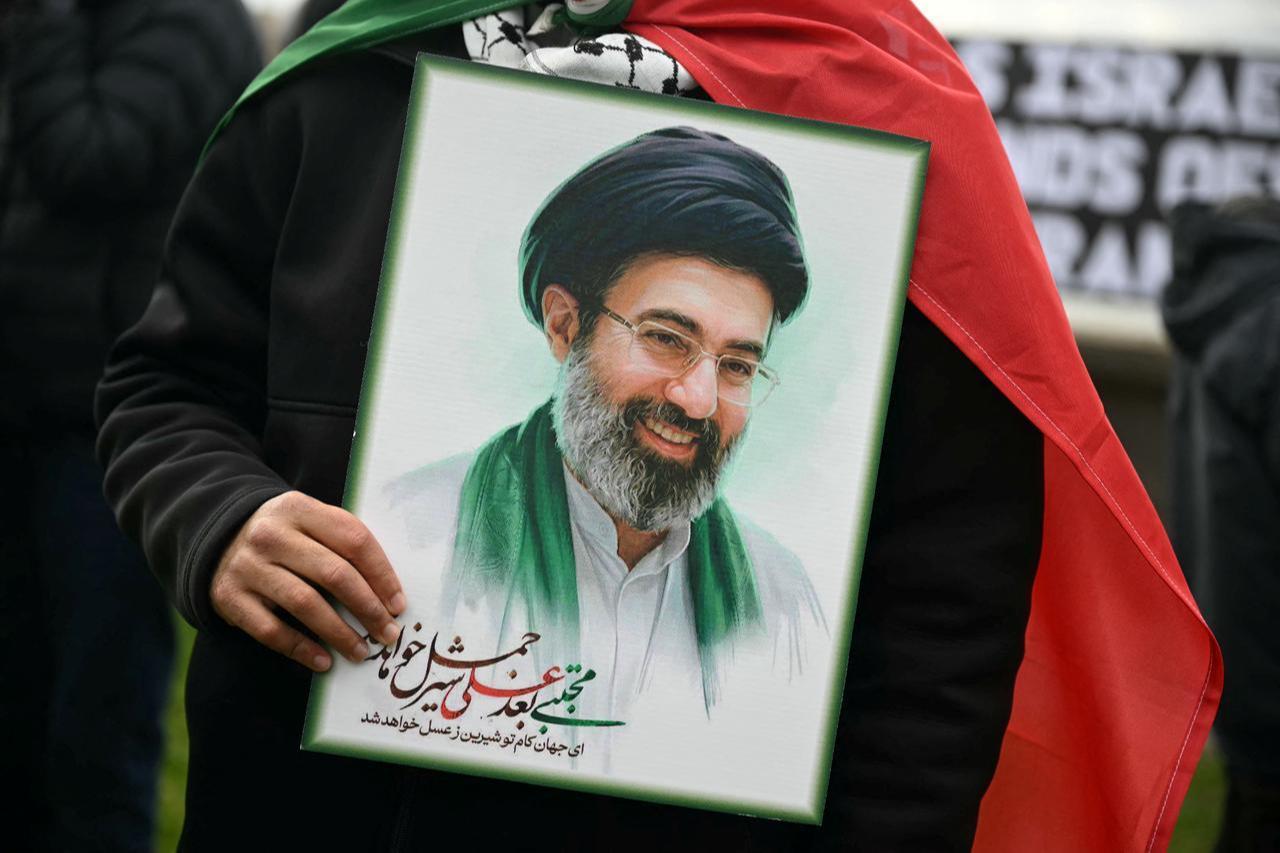
From a purely operational standpoint, Iran’s military posture is unlikely to change dramatically. The Islamic Revolutionary Guard Corps (IRGC) and affiliated forces maintain structured chains of command that are designed to absorb leadership losses without significant disruption.
Matthew Hoh, a former Captain in the U.S. Marine Corps. and a former State Department officer, characterized the approach as a deliberate attempt to fracture the system from the top.
“What you're seeing here is a return to a decapitation strategy that dominated the early days of this war,” he said.
According to Hoh, the objective extends beyond individual eliminations. He argued that such strikes are tied to a broader effort to provoke instability inside Iran.
“The idea being that if they cannot get regime change, the next best thing is some form of civil war that essentially causes the Iranian government to have to concentrate internally,” he said.
Still, ongoing military escalation creates an environment where survival takes precedence over political mobilization, according to analysts like Azodi.
“I think it's quite unlikely, because once the bombs start falling from the air, people don't come to the street to bring democracy. They often take shelter,” he notes.
Attention is now turning to who might succeed Larijani and how that could reshape Iran’s internal balance. Early expectations point toward a more hardline figure stepping into the vacuum.
Azodi suggested that figures such as Saeed Jalili could emerge as influential players. He described Jalili as “one of the worst Iranian nuclear negotiators,” signaling concern over a potential shift toward more rigid policy positions.
Such a transition would likely reduce flexibility in future negotiations. Azodi noted that while it is unclear whether this outcome aligns with Israeli intentions, “perhaps unintentionally it diminishes the likelihood of ending the war sooner than later.”
“The Islamic Republic is concerned,” Azodi acknowledged, noting the possibility of localized disturbances. However, he emphasized that such scenarios are unlikely to escalate into sustained nationwide protests.
“As long as this war continues, people will not come to the streets to demand change,” he concluded. The broader pattern suggests that external military pressure, rather than weakening the system, continues to reinforce its internal cohesion.


 Set as preferred source
 Set as preferred source


 1 min read
 1 min read