Newsletters




U.S. military officials had urgently prepared plans to send ground forces into Iran to seize its highly enriched uranium. However, President Donald Trump paused the operation over fears of heavy American casualties, severe Iranian retaliation and wider economic disruption, CNN reported.
Gen. Dan Caine, chairman of the Joint Chiefs of Staff, made a secret visit to U.S. Central Command headquarters in Tampa, Florida, on May 19 to receive in-person briefings on options for forcibly securing Iran’s uranium stockpile, two sources familiar with the matter told CNN.
The meetings were considered so urgent and sensitive that Caine returned early from a gathering of senior NATO officials in Brussels, according to the report.
Sources said the high-level preparations showed how close the administration came to approving a major ground operation inside Iran.
Caine later briefed Trump on the military options, but the president put the plan on hold after being warned that it could trigger a major Iranian response, prolong the war and push the global economy into deeper turmoil.
Trump was also concerned about the possibility of significant U.S. military casualties, the sources said.
A spokesperson for the Joint Staff declined to comment to CNN about preparations for a potential operation.
The proposed operation focused on seizing Iran’s stockpile of highly enriched uranium, including about 970 pounds of material concentrated to near-weapons grade.
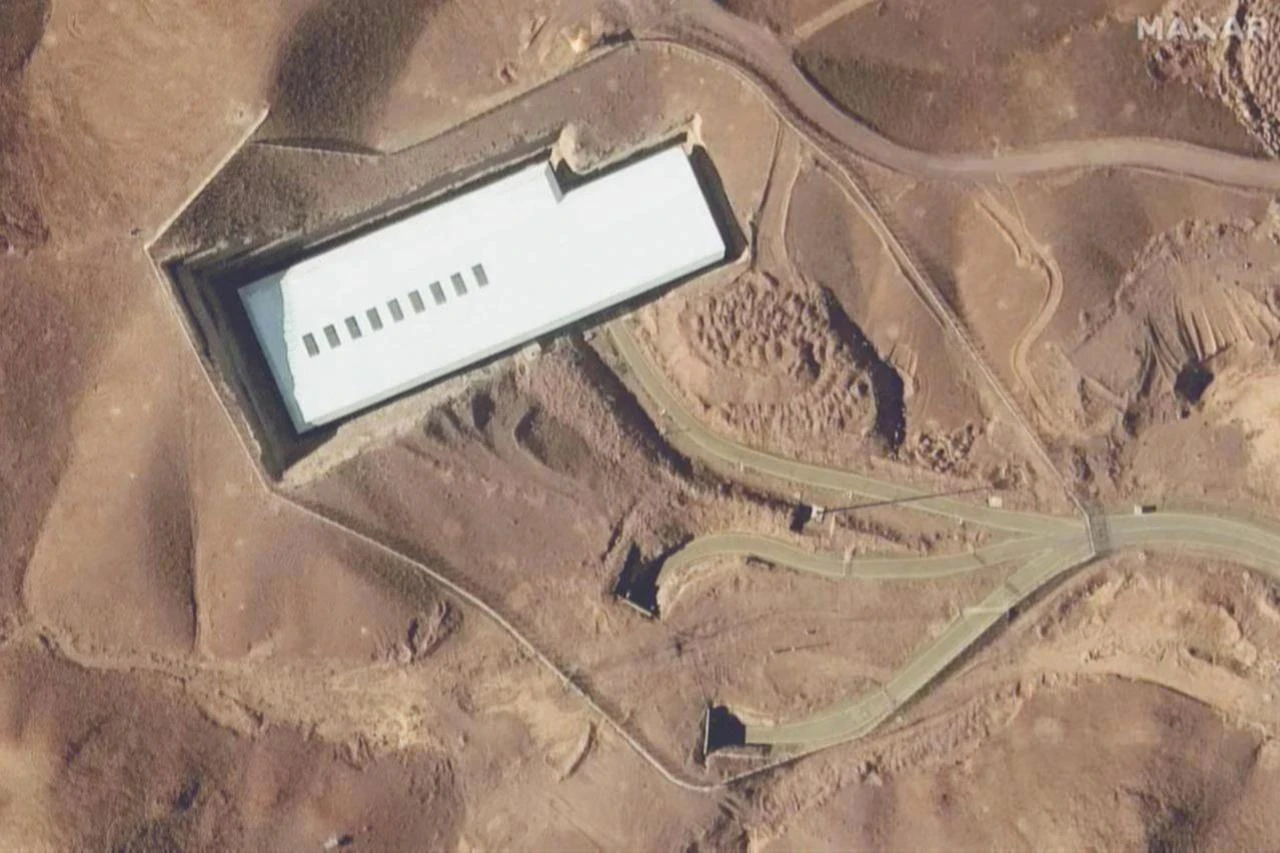
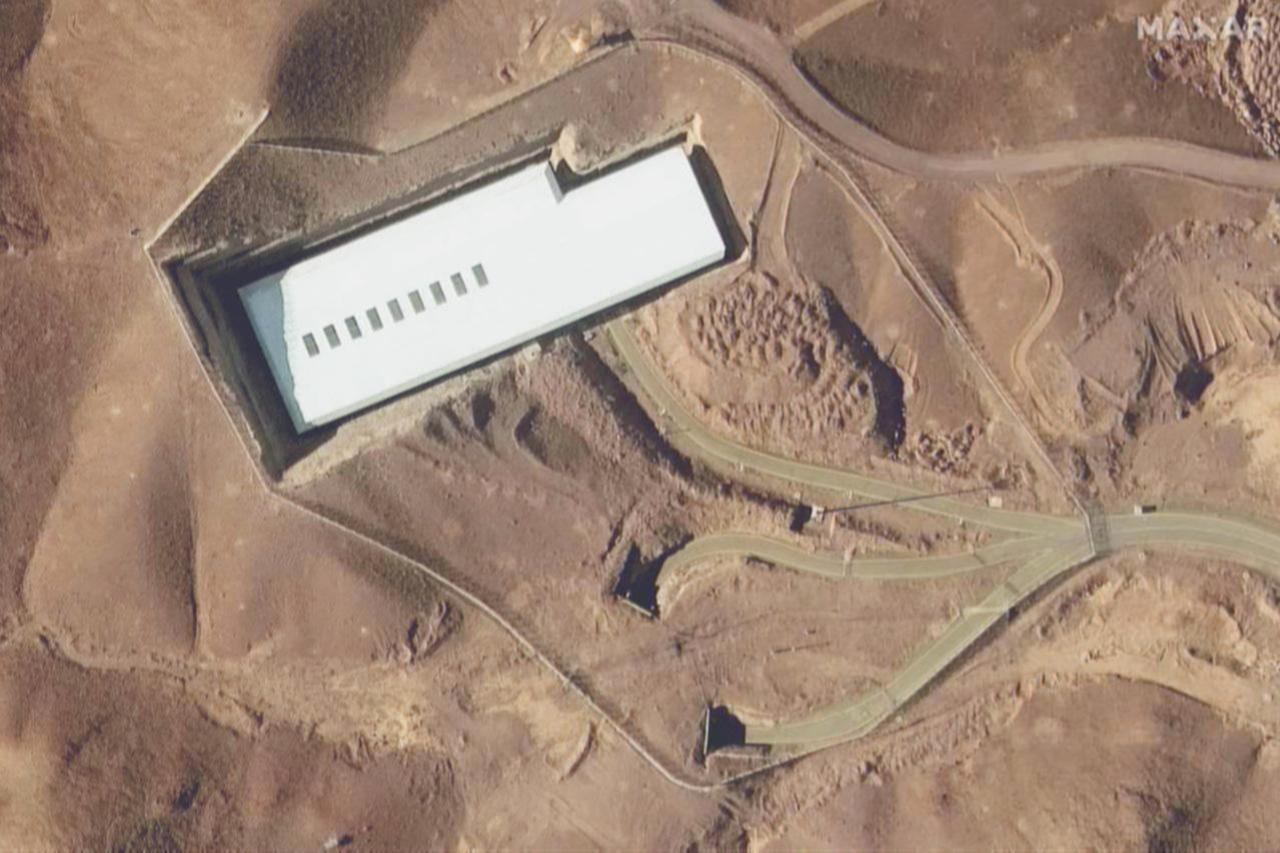
The uranium is spread across several Iranian nuclear facilities, mainly the Isfahan, Natanz and Fordow complexes, and is stored deep inside underground tunnels, according to sources cited by CNN.
Physically securing the material would require a large U.S. ground presence, including hundreds of special operations personnel.
One source described the challenge as effectively requiring an invasion.
“It would be insanely difficult to fish through those tunnels and all the barrels,” the source said. “We’d have to set up a massive presence. Essentially, we’d have to invade.”
U.S. military commanders assessed the proposed mission as falling between “high” and “extreme” on the acceptable risk scale for special operations forces, according to a source familiar with the guidance.
That classification indicated that the operation could result in substantial American casualties even if it succeeded.
Trump had repeatedly raised the possibility of forcibly taking Iran’s enriched uranium but remained reluctant to authorize an operation that could cause large U.S. losses.
Speaking Thursday about another military option that could produce heavy casualties—taking control of Kharg Island, Iran’s main oil export hub—Trump told Fox News: “I don’t know if America has the stomach for it.”
Trump later appeared dismissive of the possibility of reaching the uranium by force.
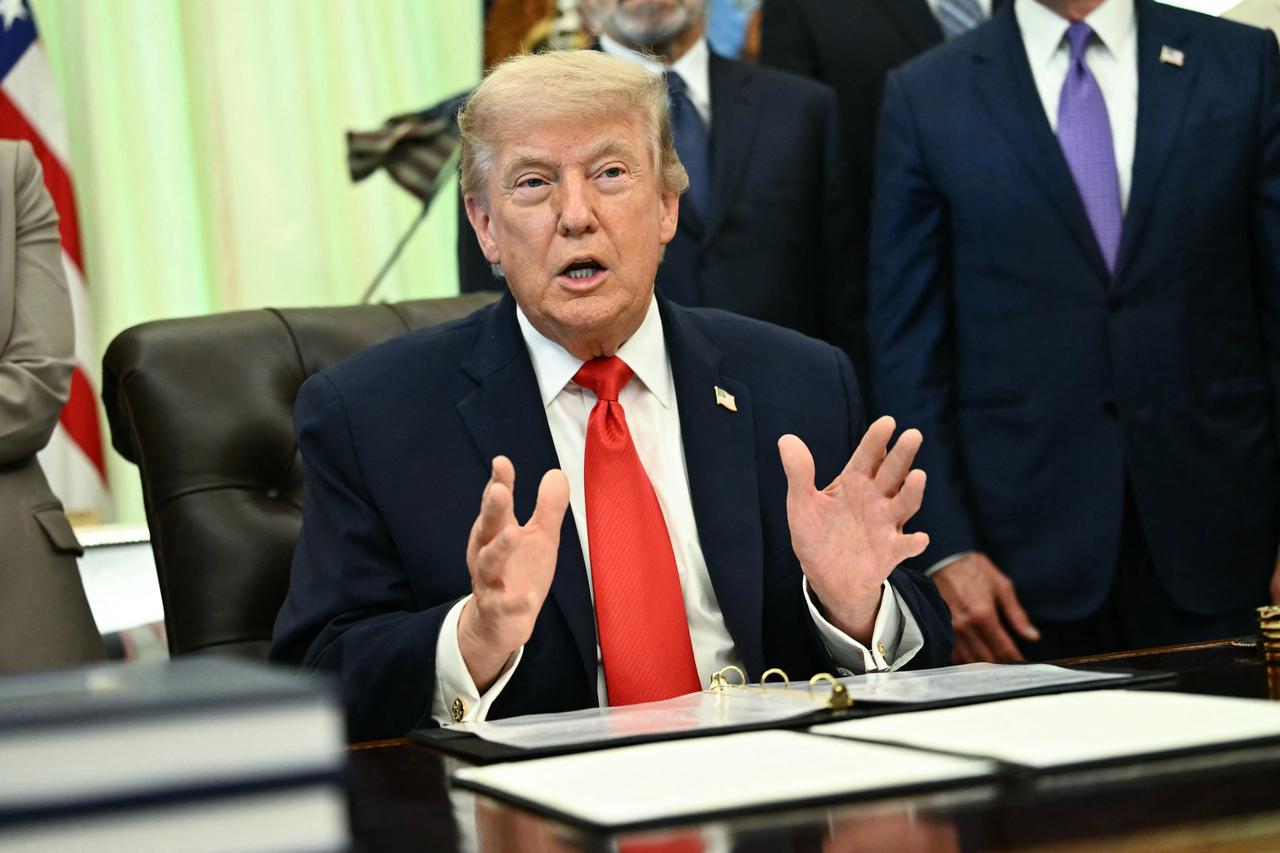
“Nobody’s getting close to it because it’s buried under a mountain,” he said in the Oval Office.

Iran took steps to prevent the U.S. from seizing its uranium stockpile, according to a separate CNN report.
Iranian authorities sealed uranium storage facilities, placed mines at their entrances and deliberately destroyed tunnels leading to the storage areas, sources told the network.
The measures were taken because of concerns that U.S. forces could attempt to enter the sites and remove the nuclear material.
Iran’s highly enriched uranium remains one of Trump’s main objectives that has not been achieved through either negotiations or military operations.
Nuclear experts have questioned whether U.S. forces could locate and verify all of the material, much less remove it safely under hostile conditions.
The uranium is believed to remain in gaseous form, as it was when the International Atomic Energy Agency last verified it in June 2025, CNN reported.
Iran barred international nuclear inspectors the following month after joint U.S.-Israeli airstrikes damaged its nuclear facilities.
The strikes did not destroy all of the nuclear material, leaving some of it in underground tunnels, according to the report.
IAEA Director-General Rafael Mariano Grossi recently warned that Iran’s existing stockpile could be sufficient to produce as many as 10 nuclear weapons if Tehran decided to weaponize its program.
U.S. intelligence officials believe they know where the material is located, largely because of continuous aerial surveillance, two sources told CNN.
Iran also possesses significant quantities of lower-grade nuclear material that could potentially be used in a radiological weapon, though negotiations have focused primarily on the highly enriched stockpile.
U.S. intelligence assessments warned that a ground operation could prompt Iran to activate what sources described as an economic “nuclear option.”
Iran could ask the Houthis, its main allied force in Yemen, to close the Bab el-Mandab Strait if negotiations with Washington failed and full-scale fighting resumed, three people familiar with the matter told CNN.
The waterway is a major global trade route and has served as an alternative shipping corridor during Iran’s months-long closure of the Strait of Hormuz.
A source familiar with U.S. intelligence assessments said the Houthis had so far avoided restarting large-scale attacks against U.S. and European vessels, while continuing to describe Israeli-owned or Israeli-flagged ships as potential targets.
Expanding attacks beyond Israeli-linked vessels would represent a major escalation, the source said.
Iran had not yet ordered the Houthis to take that step because it could derail continuing peace negotiations, according to the report.
However, the option could still be used if diplomacy collapsed and the U.S. resumed extensive military operations.
Iran’s conventional military has been significantly weakened, but it retains a substantial portion of its drone and ballistic missile arsenal, CNN reported.
U.S. forces entering the nuclear sites could also face booby-trapped tunnels, surface-to-air weapons and shoulder-fired missiles.
Caine and other military commanders had previously warned about the complexity, scale and possible casualties associated with an extended campaign against Iran.
Pentagon officials also warned before the war that a prolonged operation could deplete U.S. weapons stockpiles and damage military readiness.
 1 min read
The planning for the ground operation took place while Trump repeatedly said the U.S. and Iran were approaching an agreement on the Strait of Hormuz and Tehran’s nuclear program.
Trump said Thursday that the two countries could sign an agreement soon, possibly over the weekend.
A senior U.S. administration official told CNN that Iran had agreed to destroy and remove its nuclear material, dismantle its nuclear program, reopen the Strait of Hormuz and stop financing allied armed groups before receiving sanctions relief.
Iranian state media presented a different account.
According to Tehran’s version, Iran had not agreed to surrender control over the Strait of Hormuz, and any agreement would require the immediate release of $24 billion in frozen Iranian funds.
A senior administration official acknowledged that removing the enriched uranium would remain technically difficult even if Iran consented.
“The Iranians commit to destroying and removing the enriched material, but how do you do that?” the official said. “It’s going to take a little bit of time to figure it out.”
“This is very combustible stuff, very volatile stuff,” the official added. “We’re not just going to go down there with a backhoe and a guy with a backpack and start taking it out.”


 Set as preferred source
 Set as preferred source


 1 min read