Newsletters




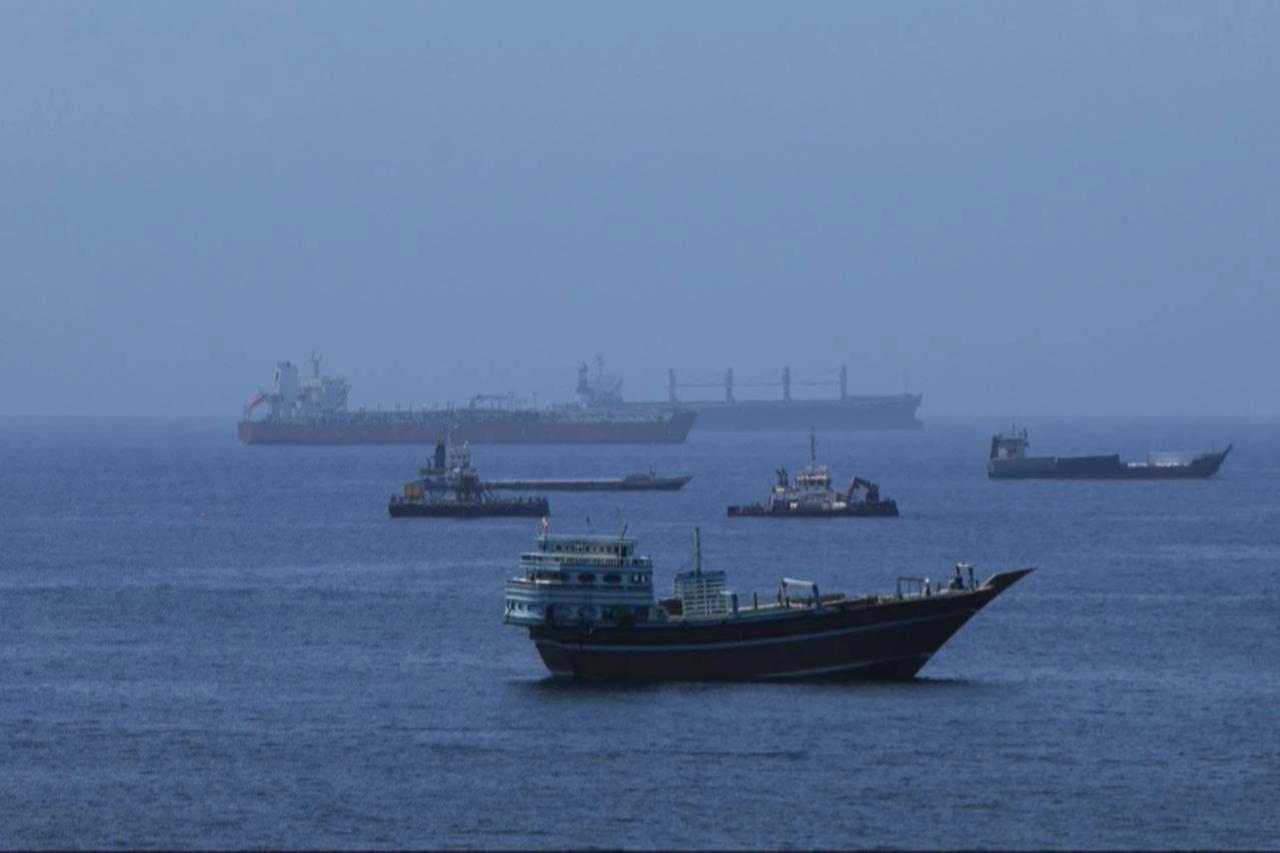
U.S. Central Command downed multiple Iranian drones targeting commercial ships in the Strait of Hormuz early Saturday.
Just hours earlier, Iranian Foreign Minister Abbas Araghchi declared that the Islamabad Memorandum of Understanding (MoU) "has never been closer," while a senior U.S. official put the probability of signing the landmark deal at 80% to 85%.
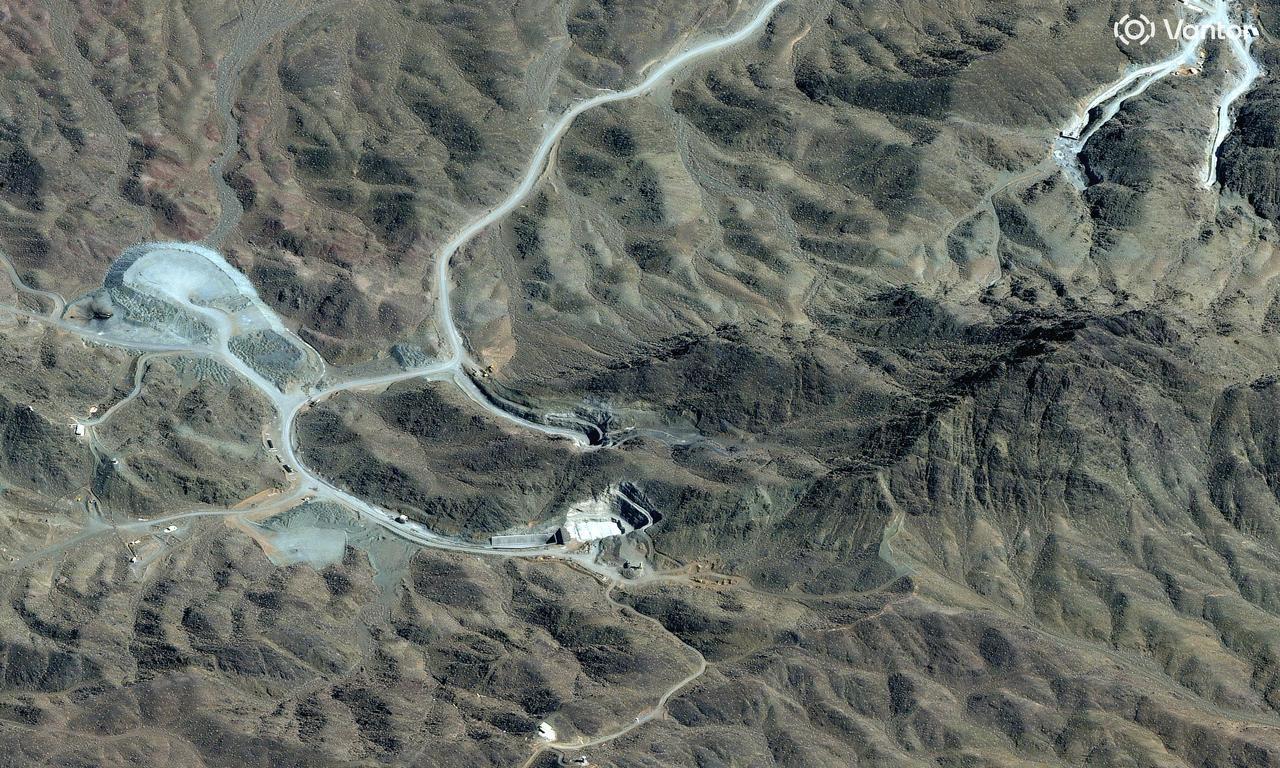
Meanwhile, CNN reported that Iran had collapsed tunnels and booby-trapped its uranium cache with explosive mines in recent weeks, dramatically complicating any future nuclear removal operation.
CENTCOM said on X that Iran had "launched multiple one-way attack drones in an attempt to strike commercial ships transiting the Strait of Hormuz" and that "U.S. forces have downed all of them in recent hours as traffic flow through the strait continues unimpeded."
Hours before CENTCOM's announcement, Araghchi had posted on X that the Islamabad MoU "has never been closer," a post Trump then screenshotted and reposted on his own feed.
But Araghchi simultaneously told state broadcaster IRIB: "Until a complete agreement has been reached on all issues, it cannot be said with certainty that an understanding has been achieved with the United States."
A senior U.S. official told Agence France-Presse (AFP) the confidence level for signing was "maybe 75% this morning, it's probably more like 80-85% now, but it's not 100%."
The Swiss foreign ministry said it had proposed Switzerland as a possible signing venue.
Araghchi said the deal would be signed "remotely and digitally" once finalized, which could happen "in the coming days."
Pakistani Prime Minister Shehbaz Sharif confirmed "a final, agreed-upon text of the peace deal has been reached" and said "Peace has never been as close as it is now," while acknowledging "incessant misinformation" surrounding the deal.
CNN reported, citing five sources familiar with U.S. intelligence, that in recent weeks Iran had dramatically escalated efforts to seal its cache of near-bomb-grade uranium, deliberately collapsing tunnels and booby-trapping entrances with explosive mines.
Getting to the roughly half-a-tonne of highly enriched uranium is now "far more difficult, dangerous and time-consuming" than just a month ago.
"If this reporting is true, it would definitely complicate retrieving the HEU," Scott Roecker, former head of the National Nuclear Security Administration's Office of Nuclear Material Removal, told CNN.
He warned that Iran could claim some portion of the uranium is "irretrievable," leaving the international community unable to verify the full inventory.
The international community believes most of the stockpile is in collapsed tunnels at the Isfahan nuclear complex, with some material held at additional sites.
A U.S. military operation to seize the material was reportedly prepared in mid-May but deemed too high-risk. By publicly describing the uranium as a potential target, two sources noted, Trump may have given Iran the impetus to better fortify its own sites.
Removing the material, if agreed, would likely require a specialized mobile uranium facility organized under the National Nuclear Security Administration at Oak Ridge National Laboratory, a process Trump has said would take at least two weeks.

In a detailed interview with IRIB, Araghchi said the Islamabad MoU would end hostilities on all fronts, including Lebanon, and establish mutual commitments on sovereignty and non-interference.
"For the first time in 47 years, the United States explicitly states that it respects the sovereignty of the Islamic Republic of Iran," he said.
On the Strait of Hormuz, Araghchi said future management "will not be the same as before" and that the strait "is under the sovereignty of Iran and Oman," who would issue a joint statement on its management.
He said Iran would not impose transit tolls but would charge service fees, and insisted: "Our sword will always remain over the Strait of Hormuz."
On enriched uranium, Araghchi said Iran's position remained unchanged: "The only acceptable method is dilution inside Iran."
He said nuclear issues, sanctions relief, and Iran's stockpile had been moved to stage two of negotiations because U.S. demands in stage one were "not acceptable."
He confirmed the MoU is under two pages long, contains 14 clauses, and had been negotiated word by word, adding that Iran's Supreme National Security Council had reviewed all provisions and that differences of opinion existed among officials, with final decisions to be made collectively.
A senior White House official gave AFP a version of the deal that directly contradicted Iran's: that Iran had agreed to dismantle its nuclear program, destroy its enriched uranium stockpile and reopen the strait, and would see none of its frozen funds returned until it had honored these commitments.


 Set as preferred source
 Set as preferred source


 2 min read