Newsletters


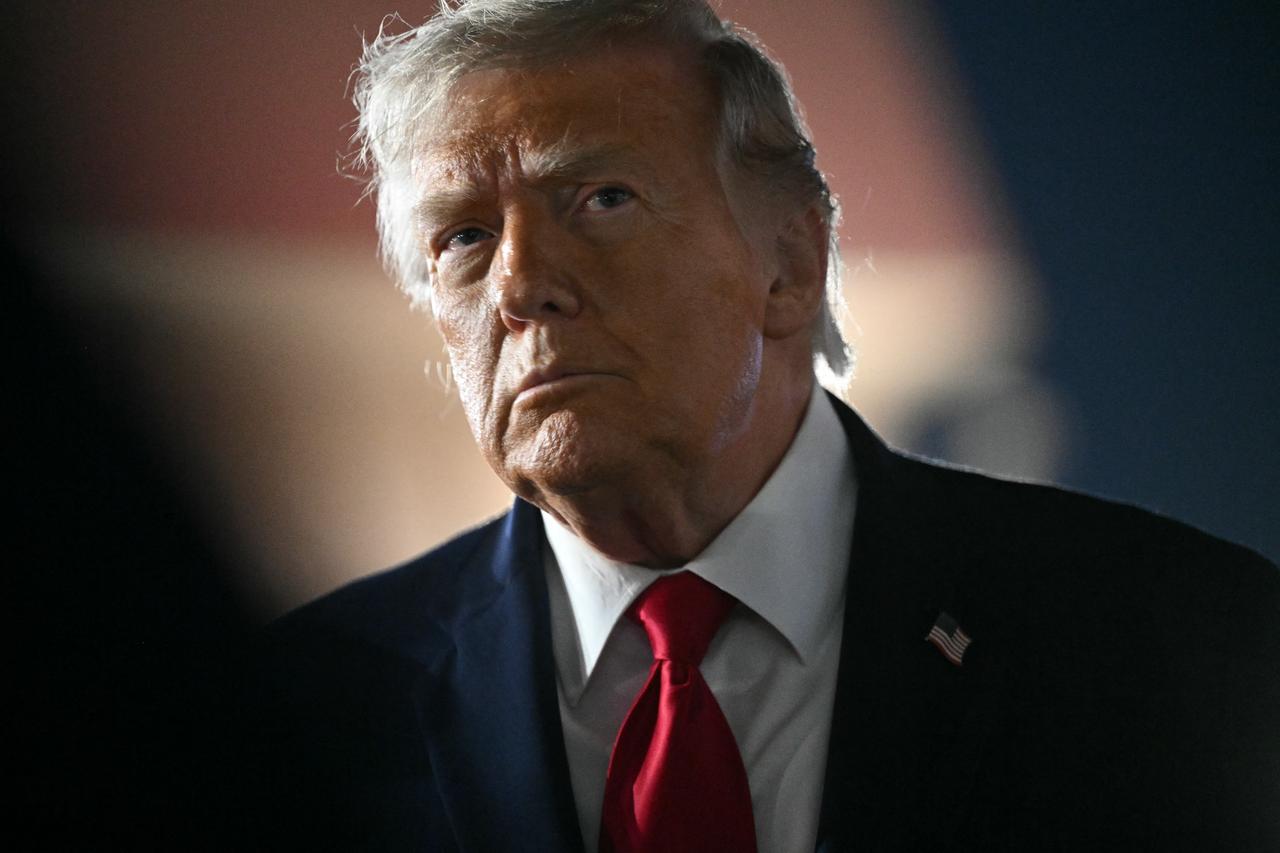


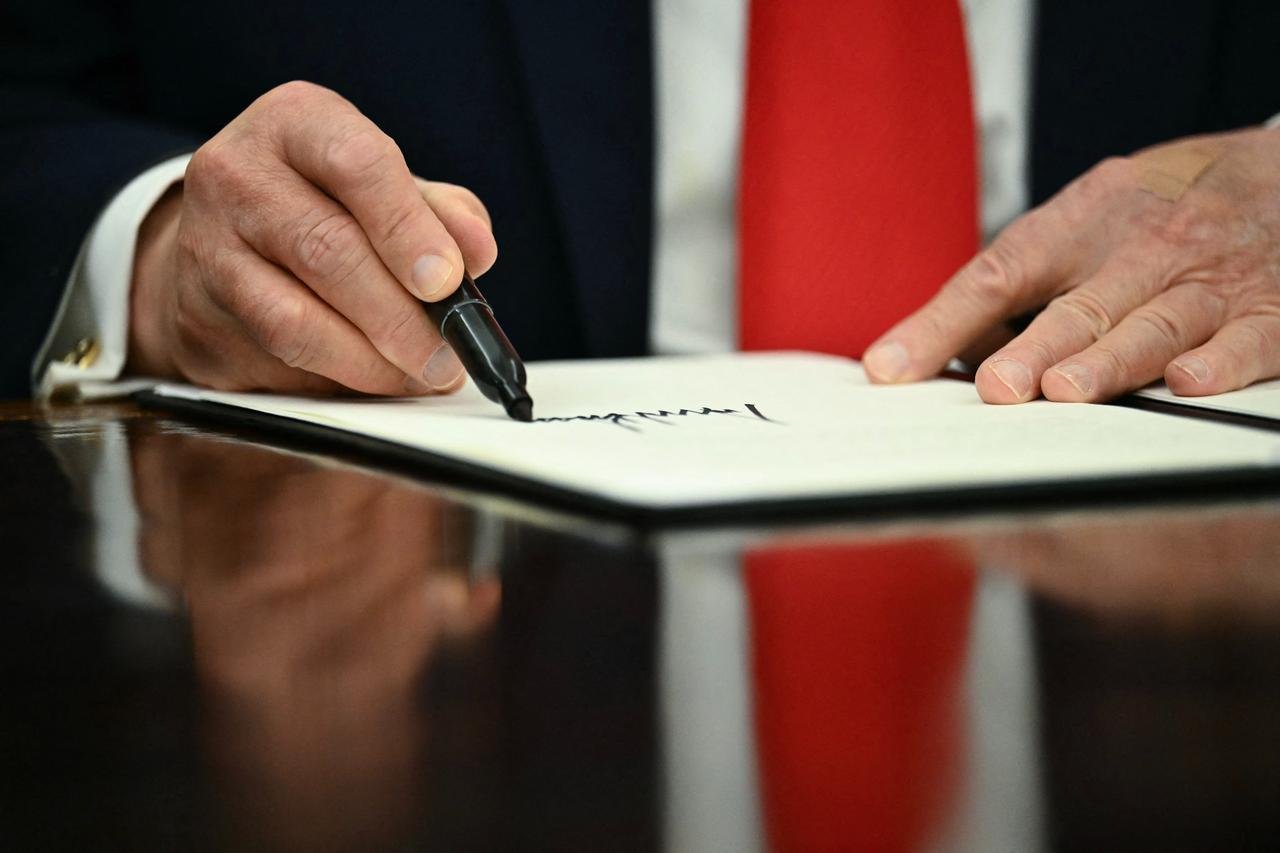
Israel is pressing the United States to prevent the unfreezing of Iranian assets as part of any ceasefire agreement, according to an Israeli source familiar with the discussions who spoke to CNN.
Meanwhile, Israeli Prime Minister Benjamin Netanyahu publicly insisted he is in "full agreement" with Trump that Iran will never obtain nuclear weapons, while believing the memorandum of understanding (MoU), even if signed, will not lead to a final deal.
Israel's behind-the-scenes campaign against a key Iranian demand, the release of $24 billion in frozen funds as a precondition for final negotiations, places Netanyahu on a collision course with the deal's architecture at the precise moment Trump is claiming the agreement is essentially done, and raises significant questions about whether Tel Aviv can influence or delay the signing.
Iran has made the release of frozen assets the linchpin of any deal, with a top Iranian official telling CNN earlier that $24 billion must be released before a final agreement can be reached.

The Israeli source told CNN that Israel has long been skeptical of Iran's intentions in negotiations, believing Tehran was not negotiating in good faith. More significantly, Israel believes that even if an MoU is signed between the U.S. and Iran, it will not lead to a final comprehensive deal.
Trump's announcement of an imminent agreement surprised Netanyahu, who was in a meeting with top security officials about Iran at the time, CNN previously reported.
Netanyahu subsequently issued a statement saying Trump had committed to removing Iran's enriched uranium, dismantling its nuclear program, limiting Iran's missiles, and ending its support for proxies as part of any final deal. Trump's own public comments have focused only on enriched uranium, as he has not mentioned missiles or proxies in weeks.
"As long as I am the Prime Minister of Israel, Iran will not have nuclear weapons. There is full agreement between me and President Trump on this issue," Netanyahu said in a statement Friday.
Iran's official IRNA news agency said the removal of enriched nuclear material was not even on the table in the current memorandum of understanding.
IRNA said Iran's right to enrich uranium and retain enriched material would be "emphasized with a view to their inclusion in the final agreement," not surrendered.
Iran's state media also rejected any U.S. role in the future management of the Strait of Hormuz, saying Tehran would "directly resolve this issue in talks with Oman" and that the strait's future administration "will be based on an Iranian initiative and proposal, within the framework of a matter pertaining to the countries of the region."
Discussions about Hormuz's future would not take place even in post-signing negotiations, IRNA said.
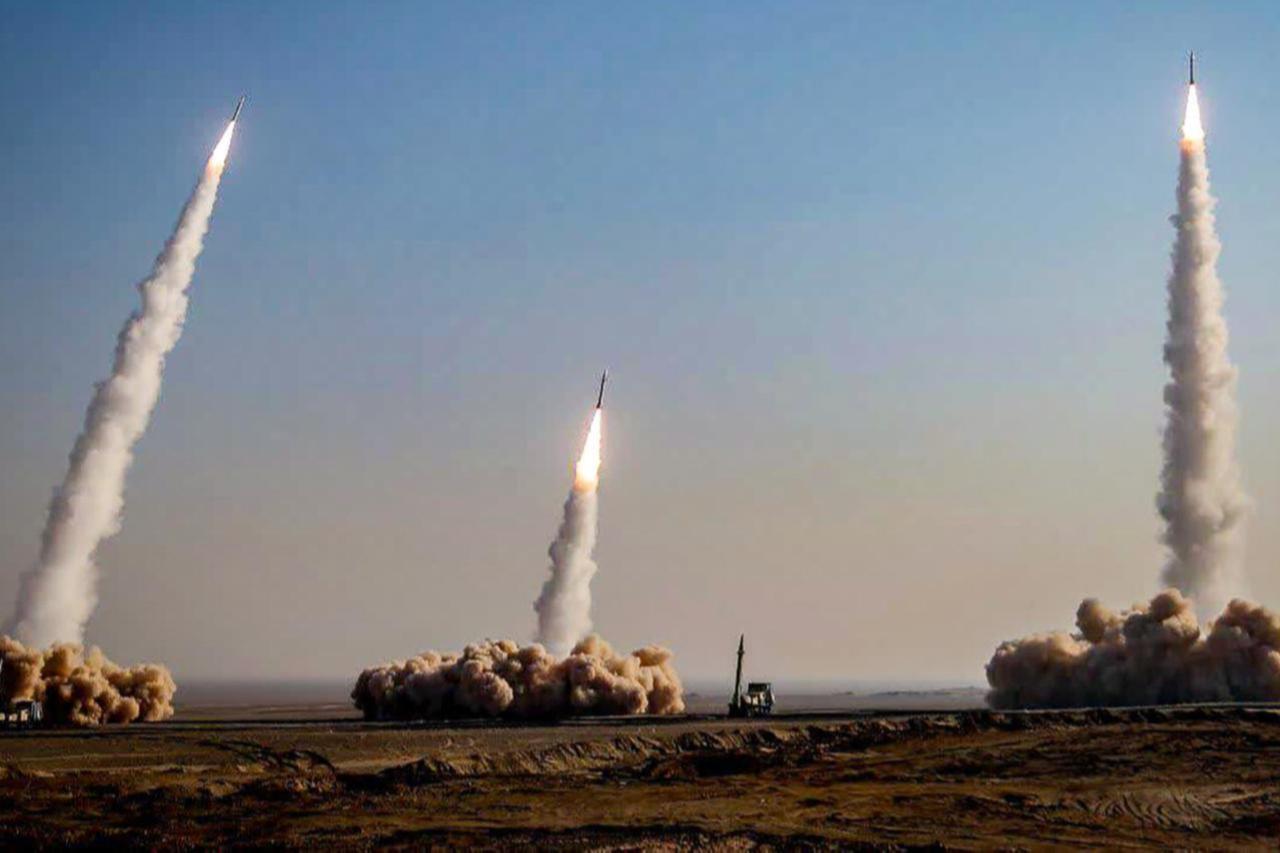
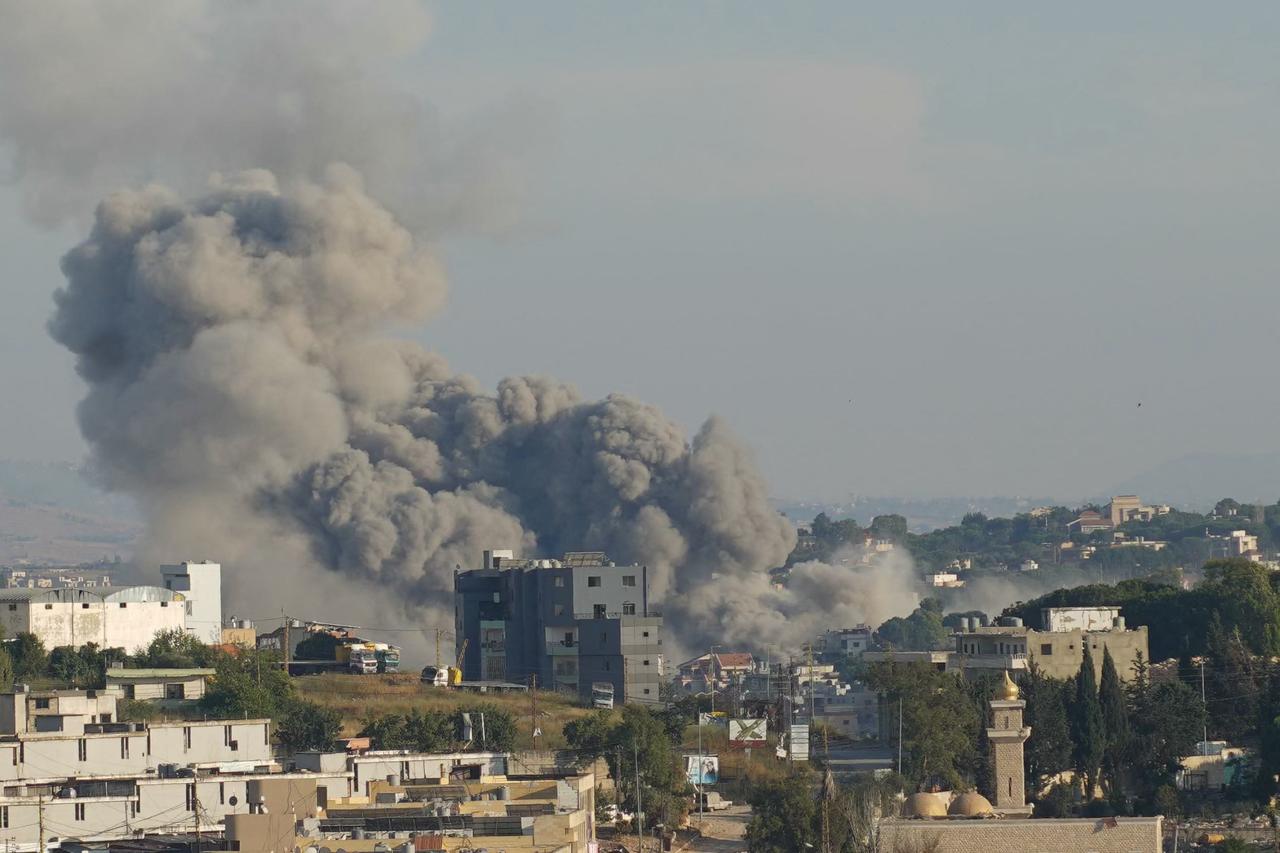
The region has been on edge since the U.S. and Israel launched airstrikes on Iran in late February, triggering Iranian retaliation on Israel and other regional countries hosting U.S. assets.
A temporary ceasefire was reached on April 8, but negotiations later stalled amid disputes over its implementation and subsequent regional developments.


 Set as preferred source
 Set as preferred source


 1 min read
 1 min read