

 Newsletters


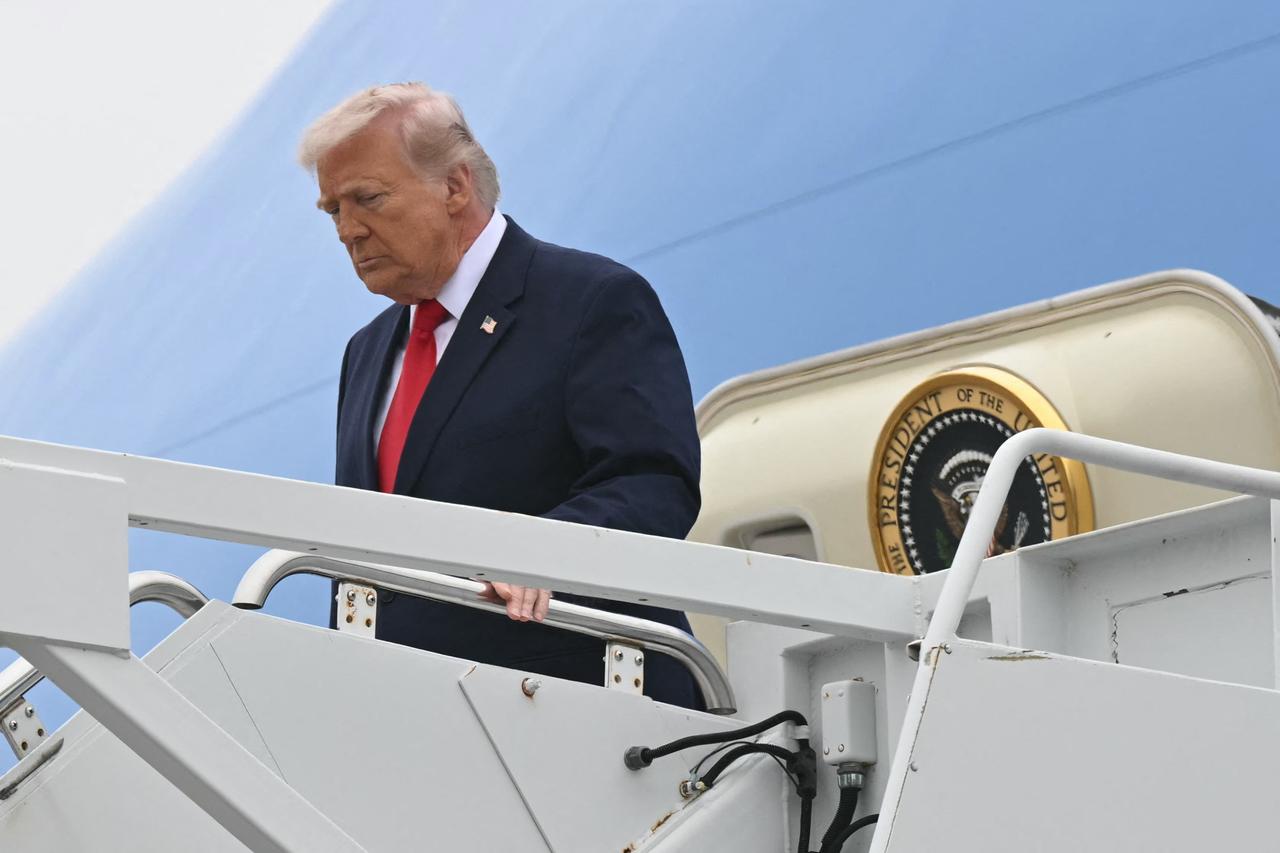


U.S. President Donald Trump on Monday signaled that acquiring Iran's oil reserves is under consideration as the United States presses forward with its military campaign against Tehran, a war administration officials have framed as an effort to strip Iran of its nuclear capabilities and neutralize its ability to threaten the U.S. and its Middle Eastern allies.
In a phone interview with NBC News, Trump declined to say directly whether he wants the U.S. to take control of Iranian oil but acknowledged the idea is circulating within his orbit. "Certainly people have talked about it," he said, before drawing a parallel to Venezuela, where the administration moved to secure oil reserves after a U.S.-led raid in January captured President Nicolas Maduro. Trump noted he had already claimed in his recent State of the Union address that the U.S. has obtained more than 80 million barrels of Venezuelan oil.
"You look at Venezuela," Trump told NBC News. "People have thought about it, but it's too soon to talk about that."
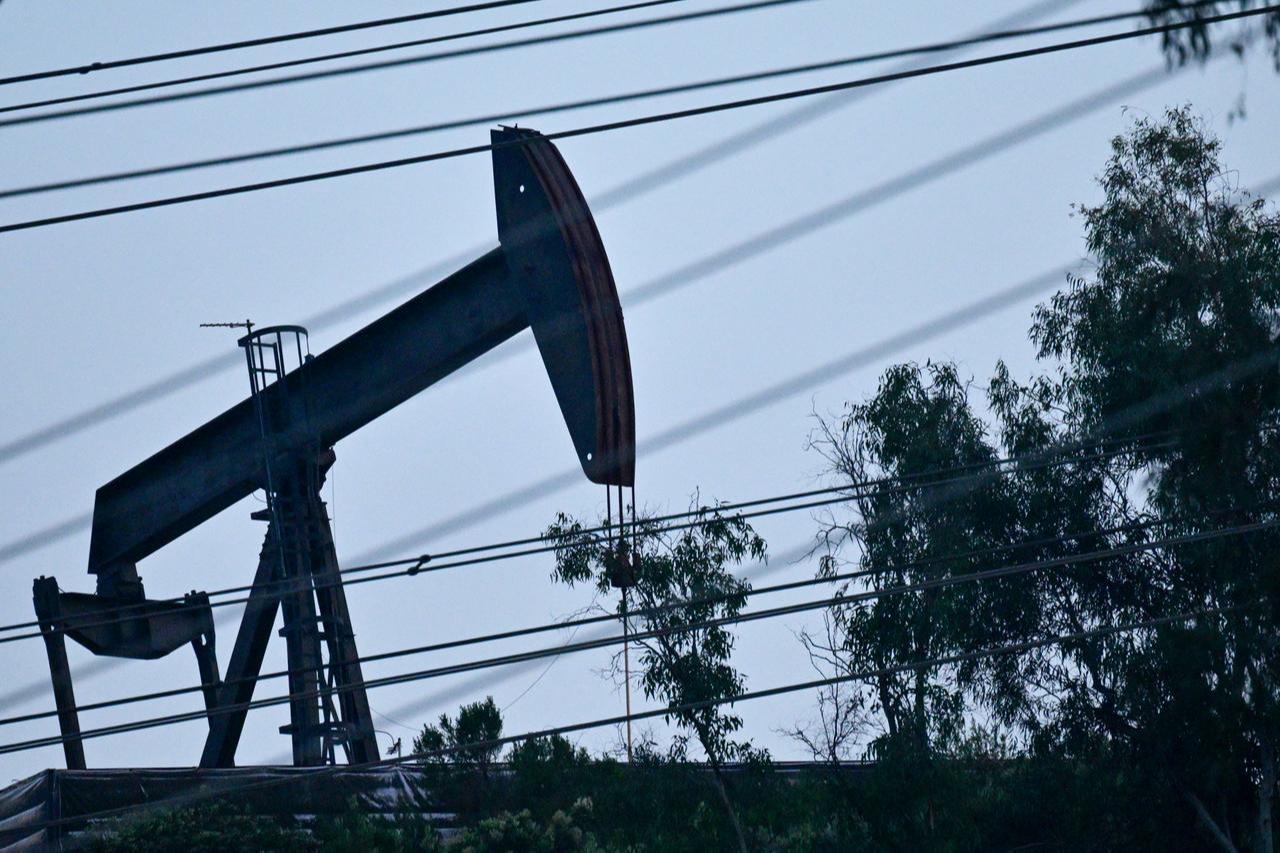

Any move to commandeer Iranian oil would carry significant geopolitical consequences, particularly with Beijing. Roughly 80 percent of Iran's crude exports flow to China, the world's second-largest economy and Washington's primary strategic competitor.
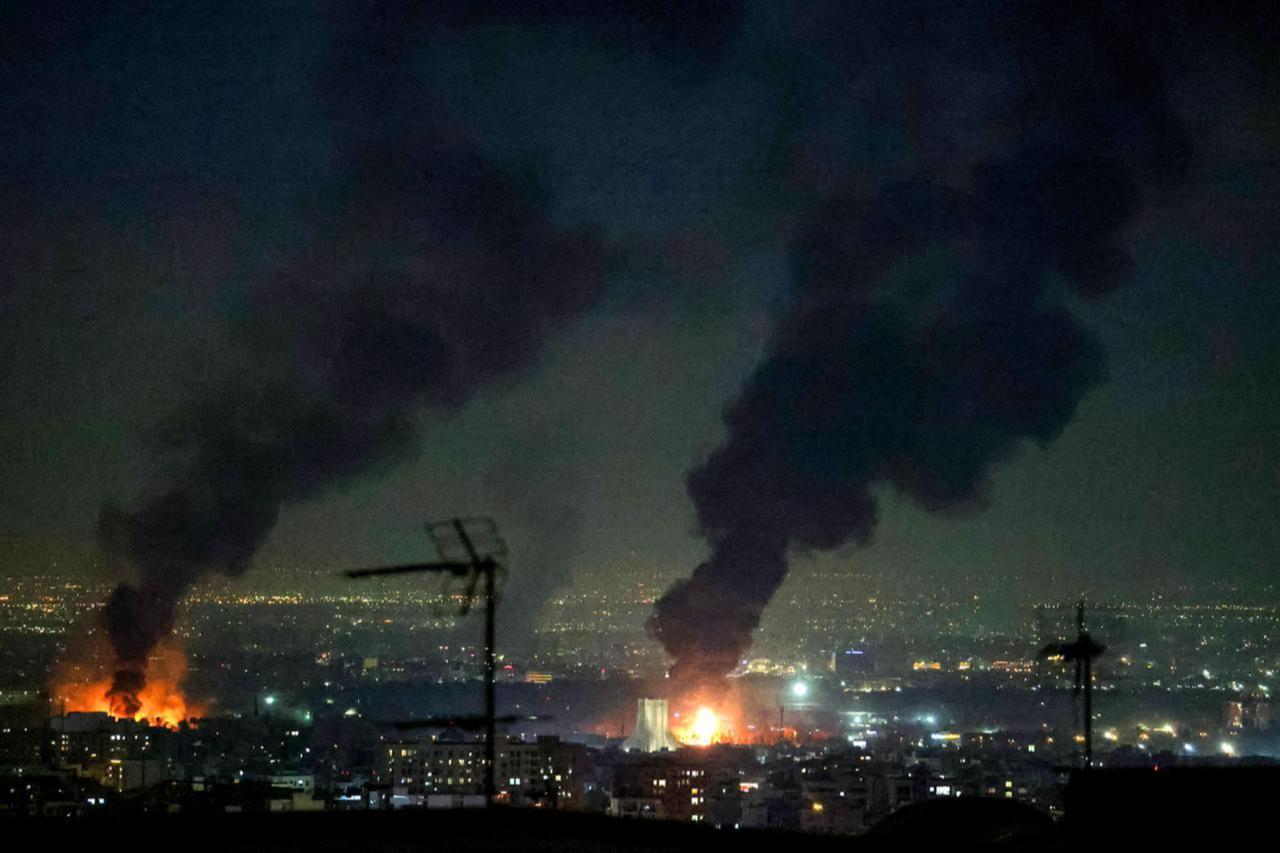
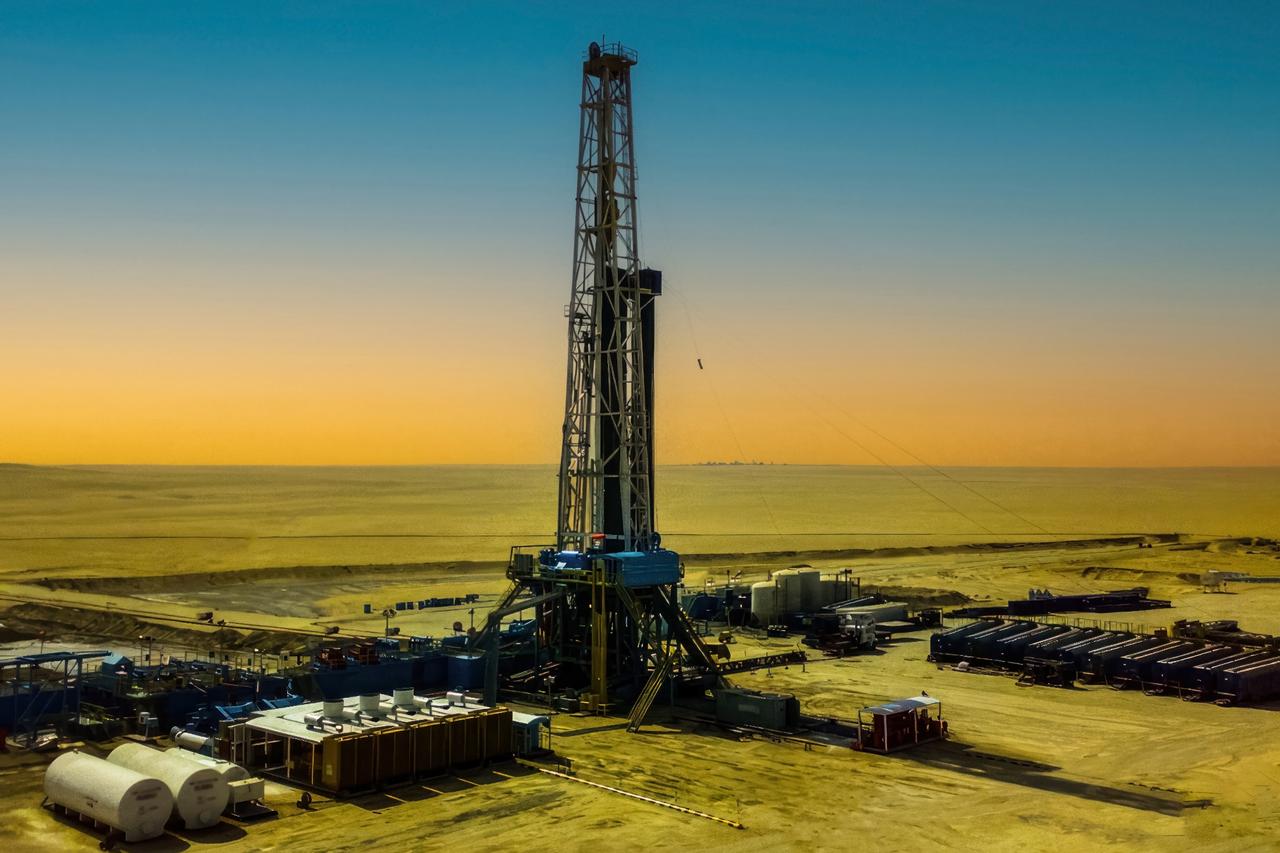
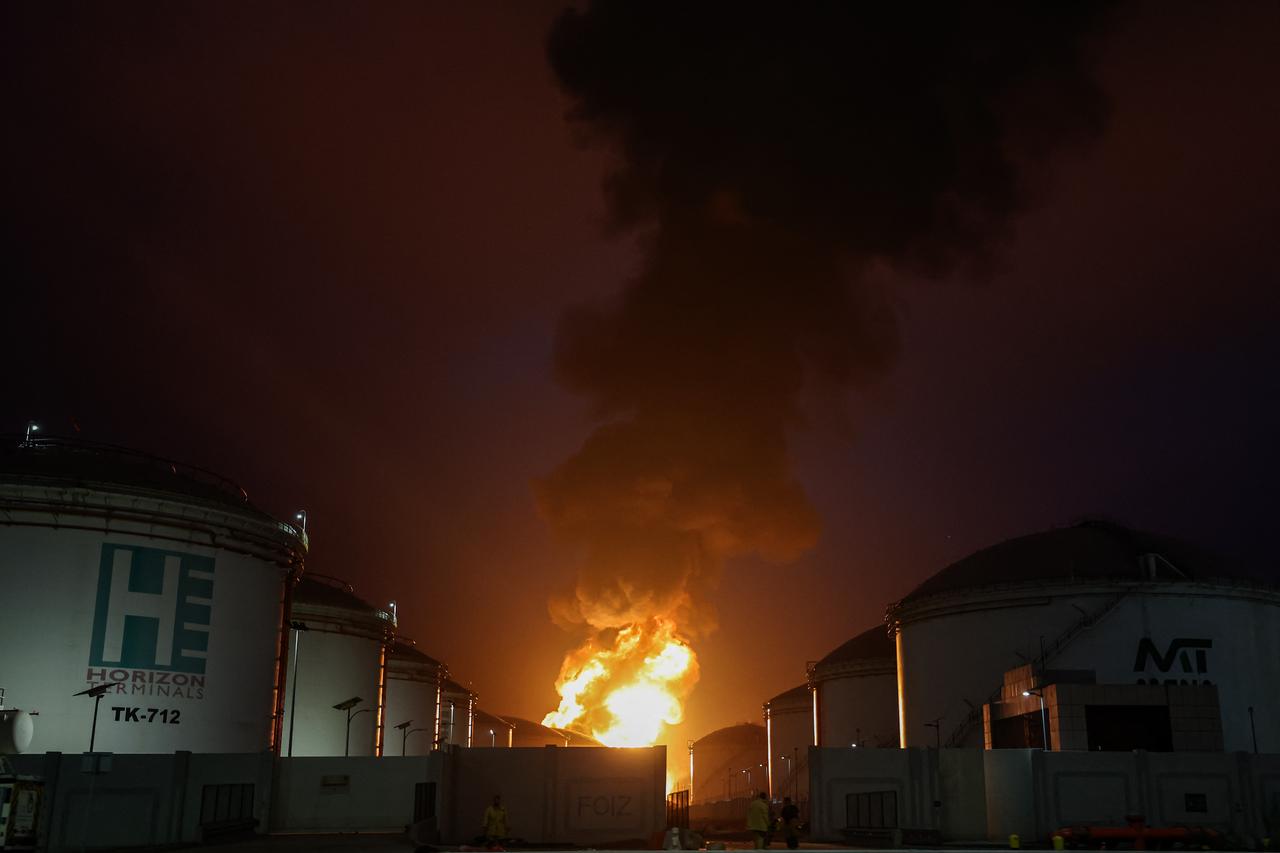
Oil prices surged past $100 a barrel over the weekend as markets reacted to the escalating U.S.-Israeli military campaign against Iran, which ranks as the world's ninth-largest oil producer, accounting for about 5 percent of global output.
Iran's oil sector has long been a lever of international diplomacy. Western sanctions over the past decade have targeted Iranian crude exports in an effort to pressure Tehran over its nuclear program, though enforcement has been complicated by continued Chinese purchases. A direct seizure of oil assets would represent a far more aggressive posture than sanctions alone.
The president repeated his criticism of Iran's selection of a new supreme leader following the death of Ali Khamenei, who was killed in an airstrike at the outset of the war. Iran's Shia clerical establishment elevated Khamenei's 56-year-old son, Mojtaba Khamenei, widely regarded as a hardliner, to succeed him.
"I think they made a big mistake," Trump said. "I don't know if it's going to last. I think they made a mistake."
The position of supreme leader sits at the apex of Iran's theocratic political system, established after the 1979 Islamic Revolution. The supreme leader holds ultimate authority over both domestic and foreign policy, including command of the armed forces, and the role has been held by only two men since the republic's founding, first by Ruhollah Khomeini and then by the elder Khamenei.


 Set as preferred source
 Set as preferred source


 1 min read
 1 min read


