Newsletters


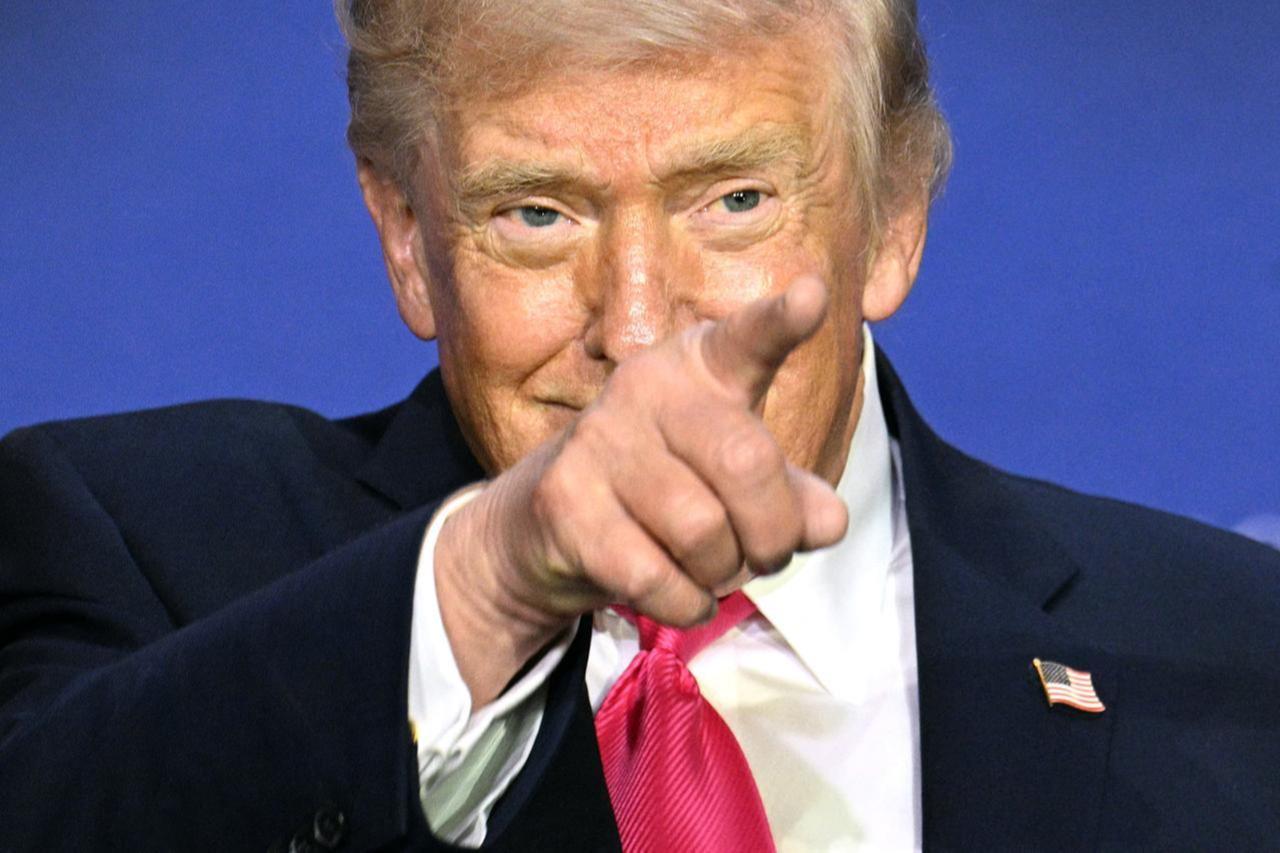


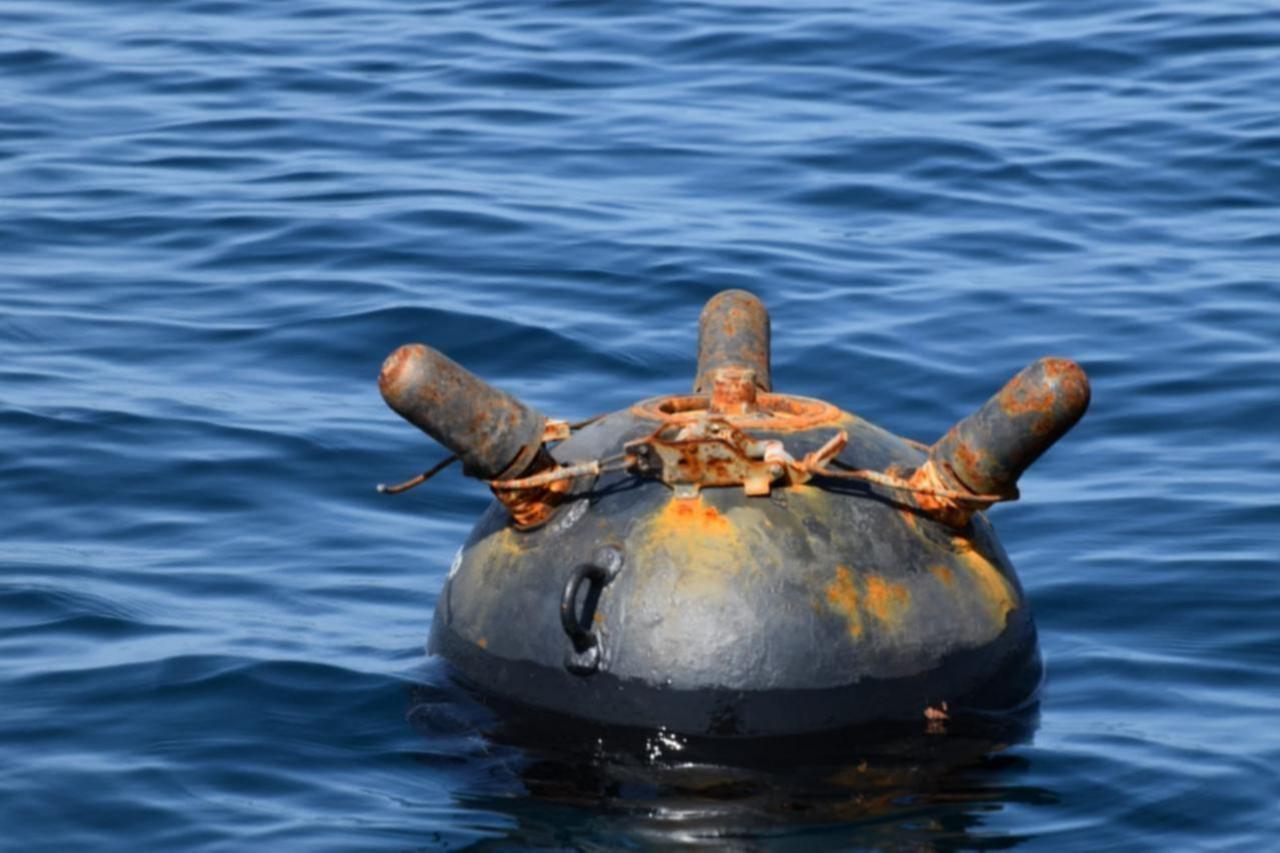
President Donald Trump ordered the United States Navy on Thursday to destroy any Iranian vessel caught laying mines in the Strait of Hormuz, intensifying a confrontation over the world's most critical oil chokepoint as the standoff pushed eurozone business activity into contraction for the first time in more than a year.
"I have ordered the United States Navy to shoot and kill any boat, small boats though they may be, that is putting mines in the waters of the Strait of Hormuz," Trump posted on social media Thursday. The announcement came hours after the Pentagon confirmed that US forces had boarded a tanker in the Indian Ocean suspected of transporting Iranian oil, underscoring Washington's determination to enforce an economic stranglehold on Tehran.
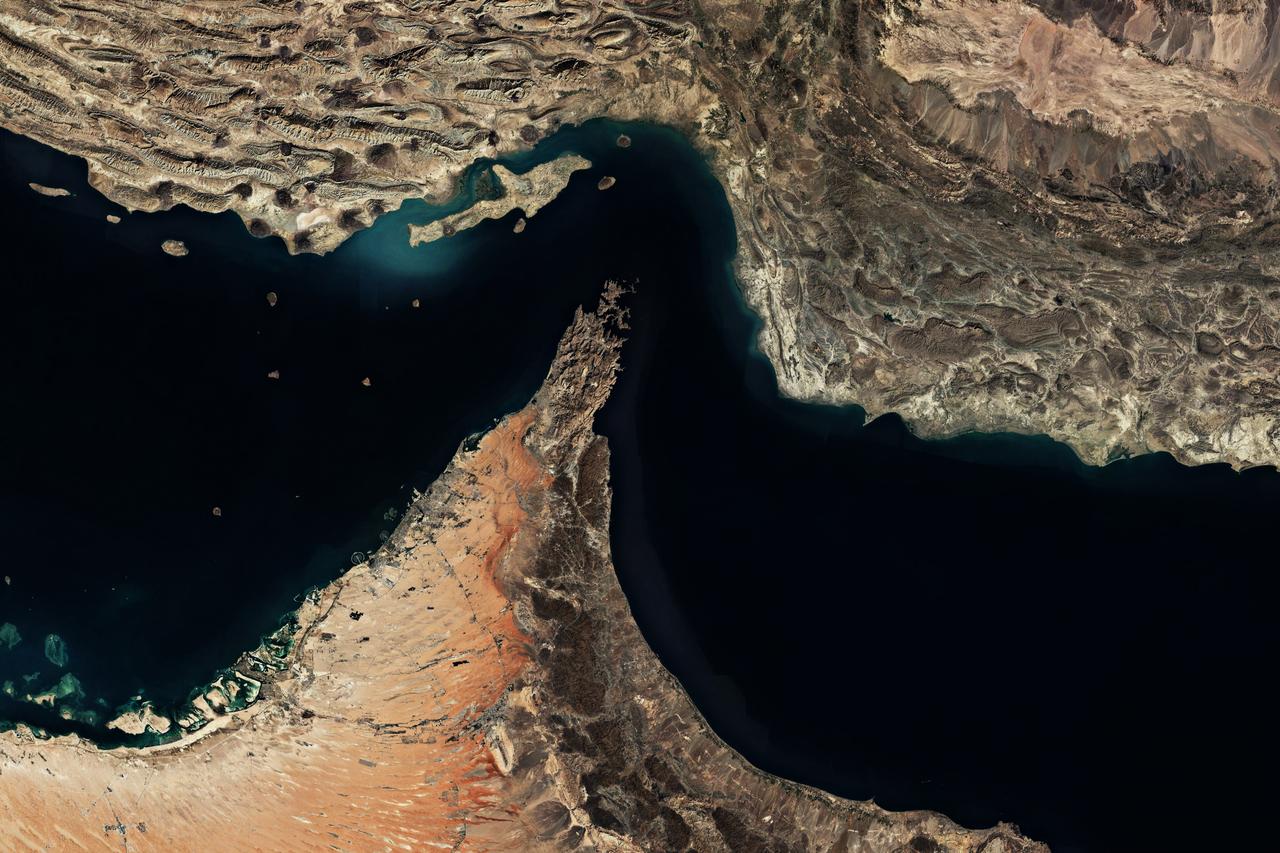
The escalation deepens a crisis that has choked off one of the arteries of global energy trade. The strait, a narrow passage between Iran and Oman at the mouth of the Persian Gulf, handles roughly 20 percent of the world's daily oil and petroleum flows, along with approximately a fifth of global liquefied natural gas trade, much of it from Qatar.

Tehran, for its part, showed no sign of backing down. Iranian officials vowed to keep the strait closed to all but a trickle of approved vessels for as long as the United States maintains its naval blockade of Iranian ports, brushing off US demands to both reopen the waterway and surrender its enriched uranium stockpile.
Mohammad Bagher Ghalibaf, speaker of Iran's parliament and head of its delegation to a first round of peace talks in Pakistan, rejected Washington's position in unambiguous terms. "A complete ceasefire only has meaning if it is not violated through a naval blockade," he said. "Reopening the Strait of Hormuz is not possible amid a blatant violation of the ceasefire."
His deputy, Hamidreza Hajibabaei, disclosed that Iran had received its first revenue from the tolls it is imposing on vessels seeking to cross Hormuz, a declaration that analysts said signals Tehran's intention to treat the blockade as a long-term source of economic leverage rather than a short-term bargaining chip.
Analysts associated with the Revolutionary Guards Corps believe the tolls and closure give Iran enough economic pressure to force Washington to relent in peace talks. That assessment is contested in Washington.
According to a brief from the Soufan Center think tank, hardliners in Tehran "argue that a prolonged elevation of global energy prices and mounting global shortages of some goods will increasingly pressure Trump to accede to Iran's positions," while the Trump administration calculates that its blockade of Iran's seaborne trade, which carries all of its oil exports, will quickly cripple the Iranian economy and compel Tehran to accept US demands.
Danny Citrinowicz of the Tel-Aviv Institute for National Security Studies warned that both Israel and the United States may be misreading the Iranian government's intentions. "Tehran has consistently demonstrated a willingness to absorb economic pain while holding firm on what it views as core national interests," he said. "Rather than moving toward concession, Iran is positioning itself to escalate."
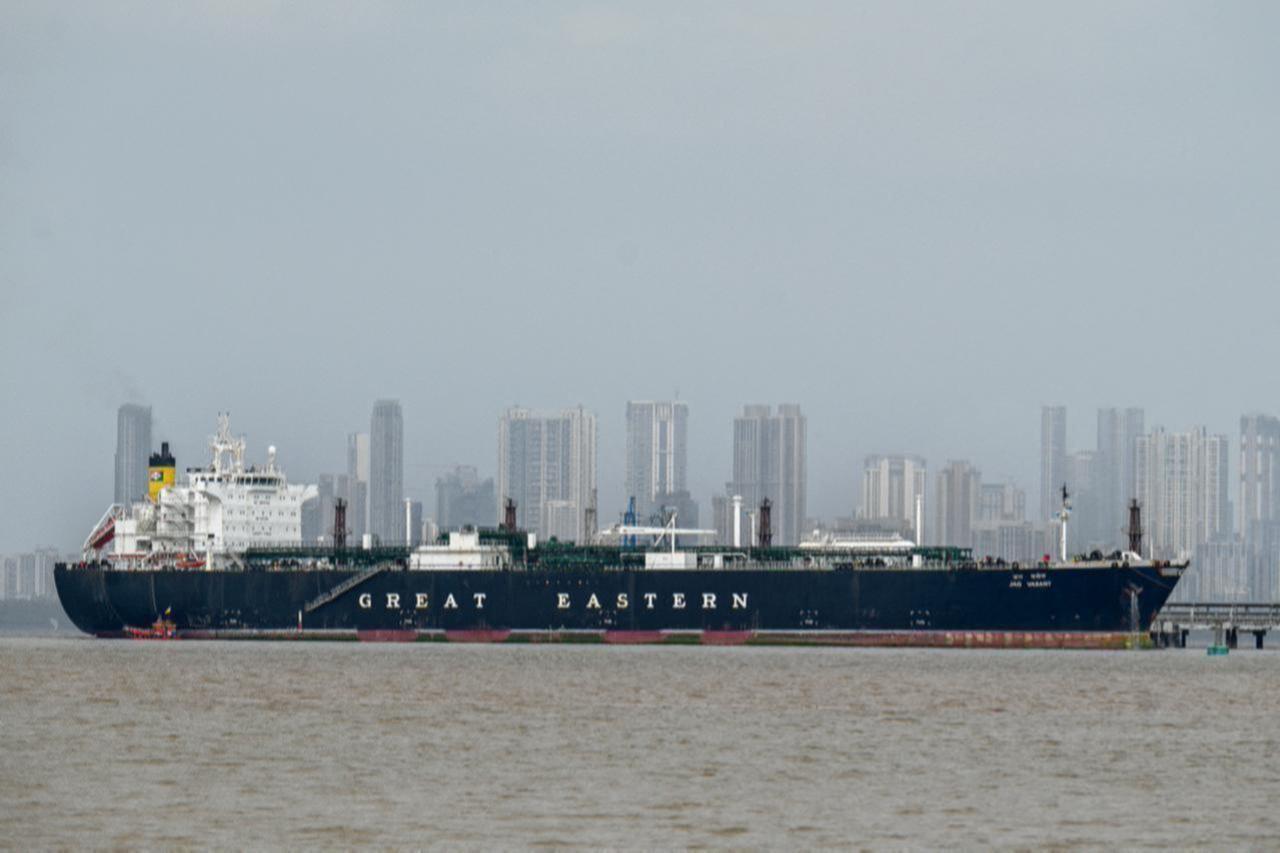
On Thursday the Pentagon announced that US forces had "carried out a maritime interdiction and right-of-visit boarding" of a vessel identified as the M/T Majestic X, described as a sanctioned stateless tanker transporting Iranian oil in the Indian Ocean.
Social media footage released alongside the statement showed US military personnel rappelling from helicopters onto the deck of the ship. The US military said it would "continue global maritime enforcement to disrupt illicit networks and interdict vessels providing material support to Iran, wherever they operate."
The US Central Command said, before Thursday's announcement, that its blockading forces had already directed 31 vessels to turn around or return to port. Iran's Revolutionary Guards separately said Wednesday that they had forced two ships to the Iranian shore from within the strait.
The economic toll continued to mount. Airlines, squeezed by fuel costs, continued cancelling flights. Oil prices climbed further. And the S&P Global Purchasing Managers' Index, a closely watched gauge of business activity, showed eurozone output contracting for the first time in 16 months, a sign that the energy disruption is transmitting stress into the broader global economy.
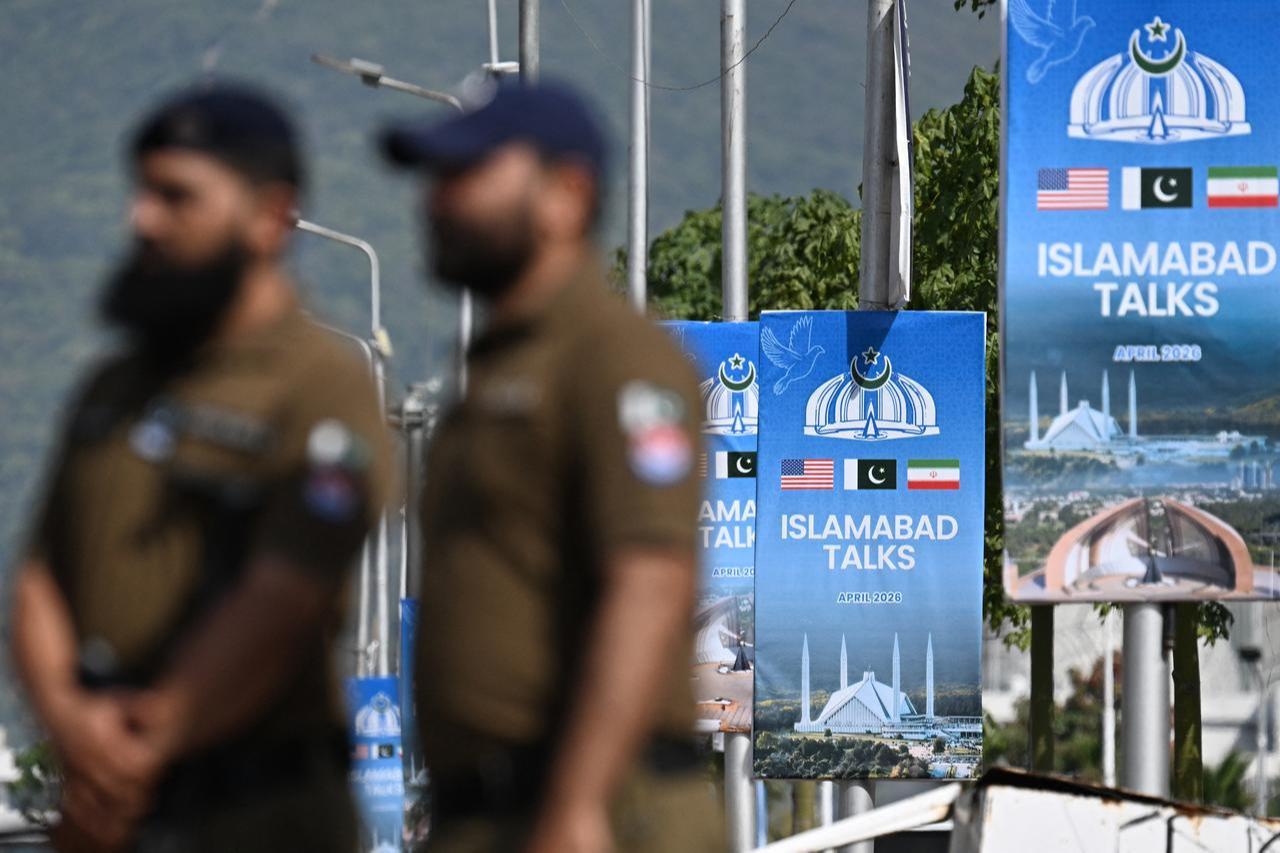
Despite the military and economic pressure, diplomatic channels have not entirely closed. Trump told the New York Post on Wednesday that talks could resume in Pakistan within two to three days. But the prospects remain uncertain: Iran has not confirmed its participation, and US Vice President JD Vance put his travel to Islamabad on hold on Tuesday.
In the Pakistani capital, blanket security remained in place for a fourth consecutive day in anticipation of possible talks, with transport disrupted and the government quarter and adjacent commercial district largely shut down.
While the US-Iran confrontation dominates the regional picture, a parallel ceasefire to the west remains fragile. After helping broker a truce between Israel and Lebanon, including the armed group Hezbollah, the United States faces a second test of its peacemaking credibility.
Israeli strikes killed five more people in Lebanon on Wednesday despite the declared truce, Lebanese media reported, and Israeli attacks have killed more than 2,450 people in Lebanon since the start of the war, according to Lebanese authorities. Israel and Lebanon were set to hold a second round of talks in Washington on Thursday, with Beirut expected to request a one-month extension of the ceasefire.


 Set as preferred source
 Set as preferred source


 1 min read
 1 min read