Newsletters


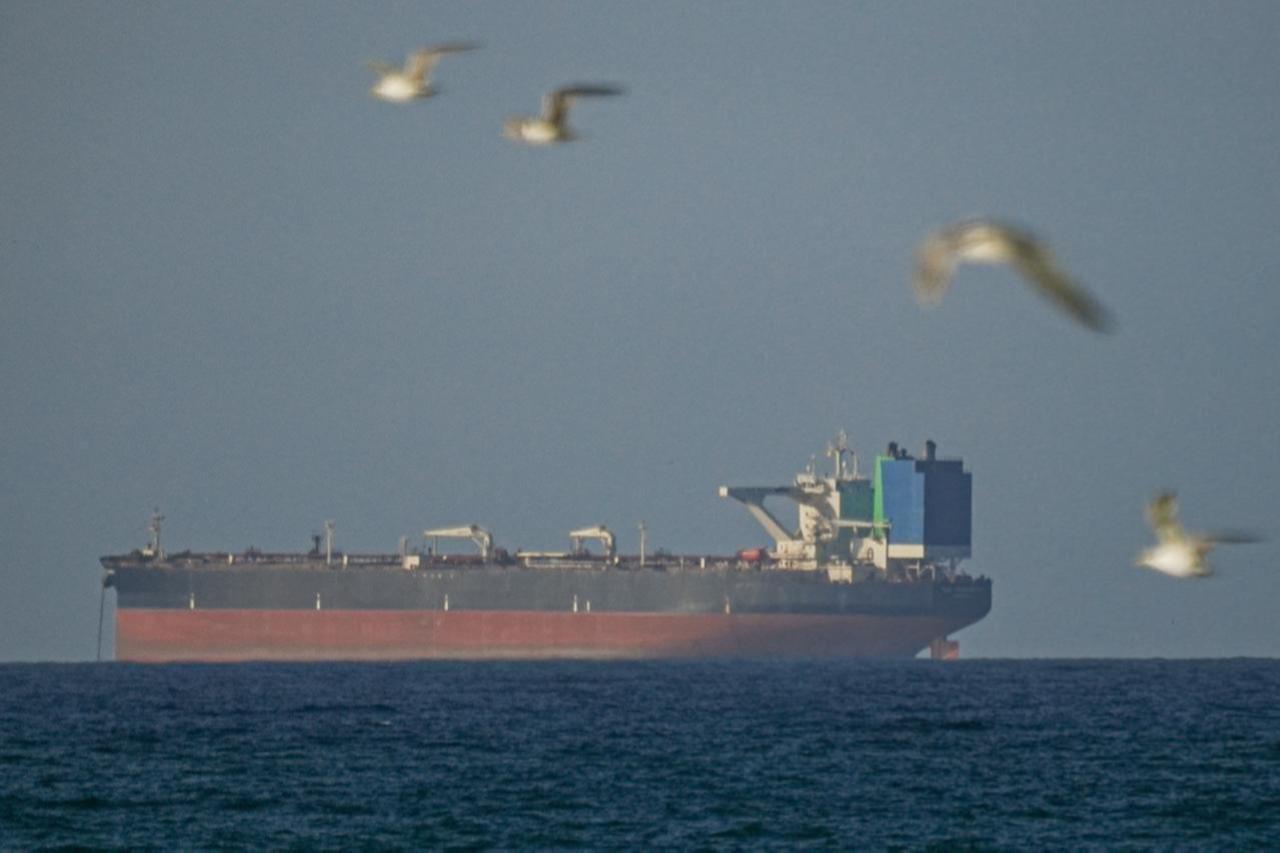


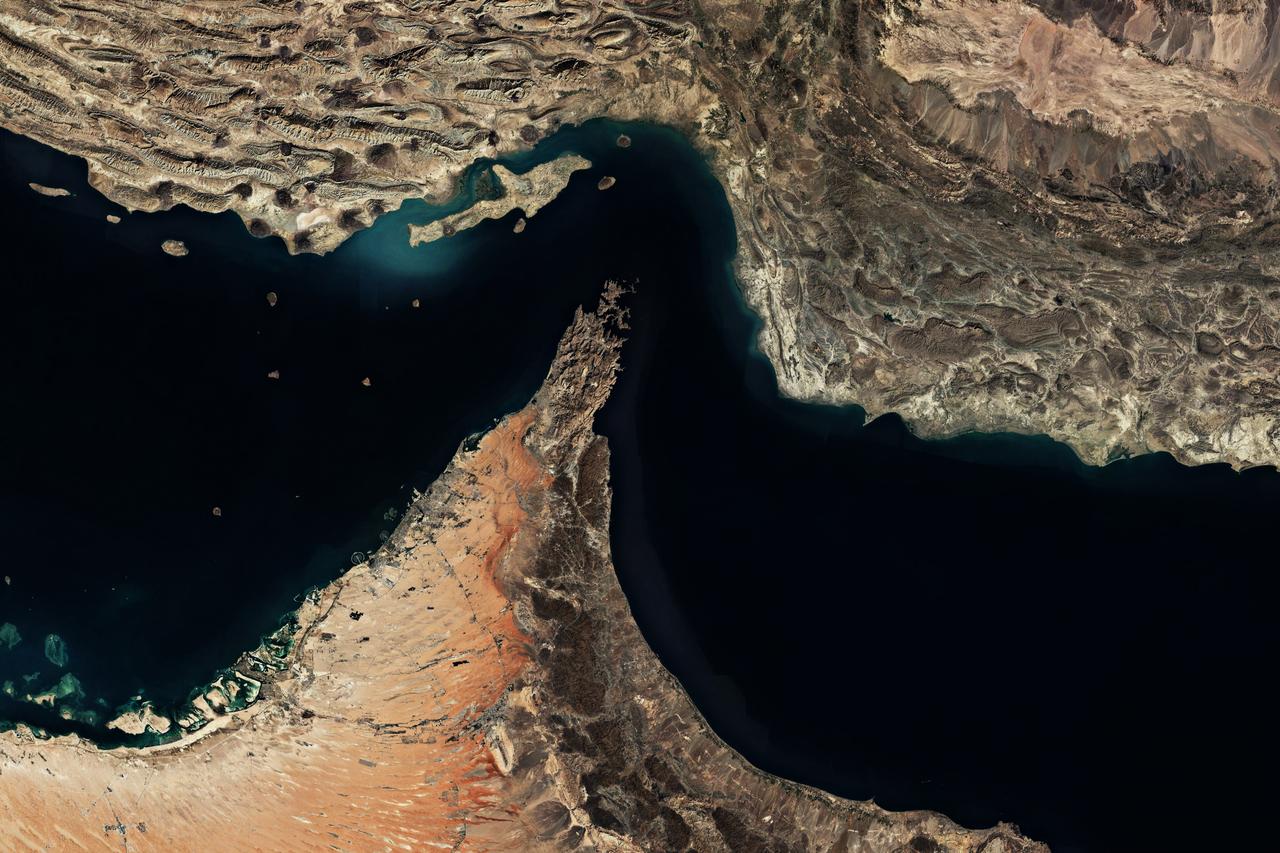
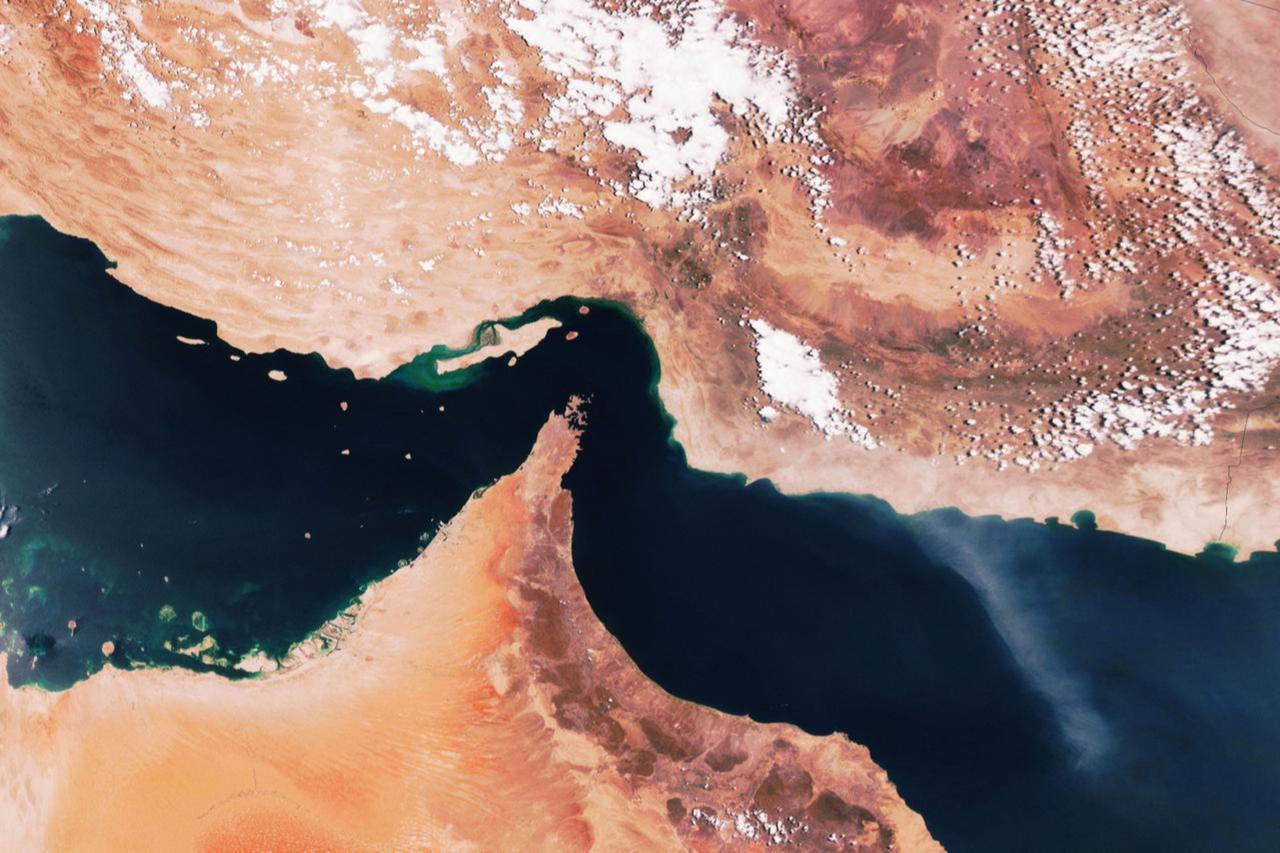
Britain and France said Thursday that a military plan to protect the Strait of Hormuz was taking shape, expressing confidence that a multinational mission led by the two countries could help restore navigation and trade flows through the vital waterway.
At a two-day meeting in London, a dedicated operational planning group on Wednesday presented a decision brief to military planners for a multinational mission led by the UK and France to protect navigation in the Strait of Hormuz, according to top defense officials.
"We are confident that real progress can be made," U.K. Defense Minister John Healey and French Minister for Armed Forces Catherine Vautrin said in a joint statement Thursday.
They said that by building on common purpose, strengthening multinational coordination and setting the conditions for effective collective action, the effort could help reopen the strait, stabilize the global economy and protect people.

The conference is being held at the Permanent Joint Headquarters in northwest London, the UK's command center for overseeing and managing joint military operations.
"Turning diplomatic momentum into action demands sharp planning, frank discussion and firm commitments from allied and partner nations," Healey and Vautrin said.
They also recalled the "severe economic consequences" caused by the blockade of the strait beyond the Gulf region, saying it was affecting working people and especially the most vulnerable in society.
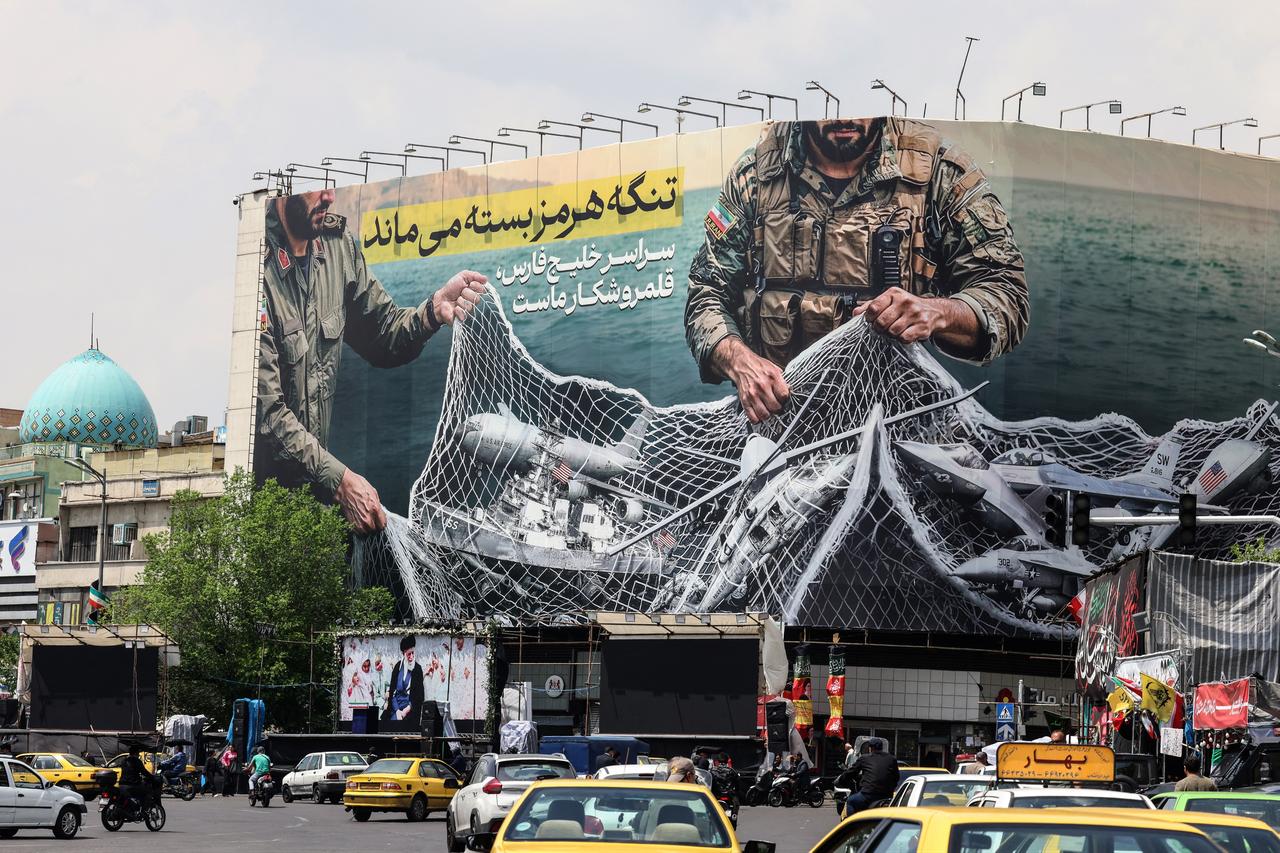
Iran said Wednesday it would not reopen the Strait of Hormuz as long as the U.S. continues to blockade Iranian ports.
The situation around the waterway has remained a central issue during the ceasefire in the Middle East war.
Last week, British Prime Minister Keir Starmer and French President Emmanuel Macron co-chaired international talks in Paris on the strategic strait, bringing together over 50 countries.
Starmer said more than a dozen countries had agreed to take part in the mission aimed at restoring navigation in Hormuz.
With the ceasefire due to expire earlier this week, U.S. President Donald Trump announced an indefinite extension at the last minute to allow more time for peace talks brokered by Pakistan.
Iran said it welcomed Pakistan's efforts but made no further comment on Trump's announcement.
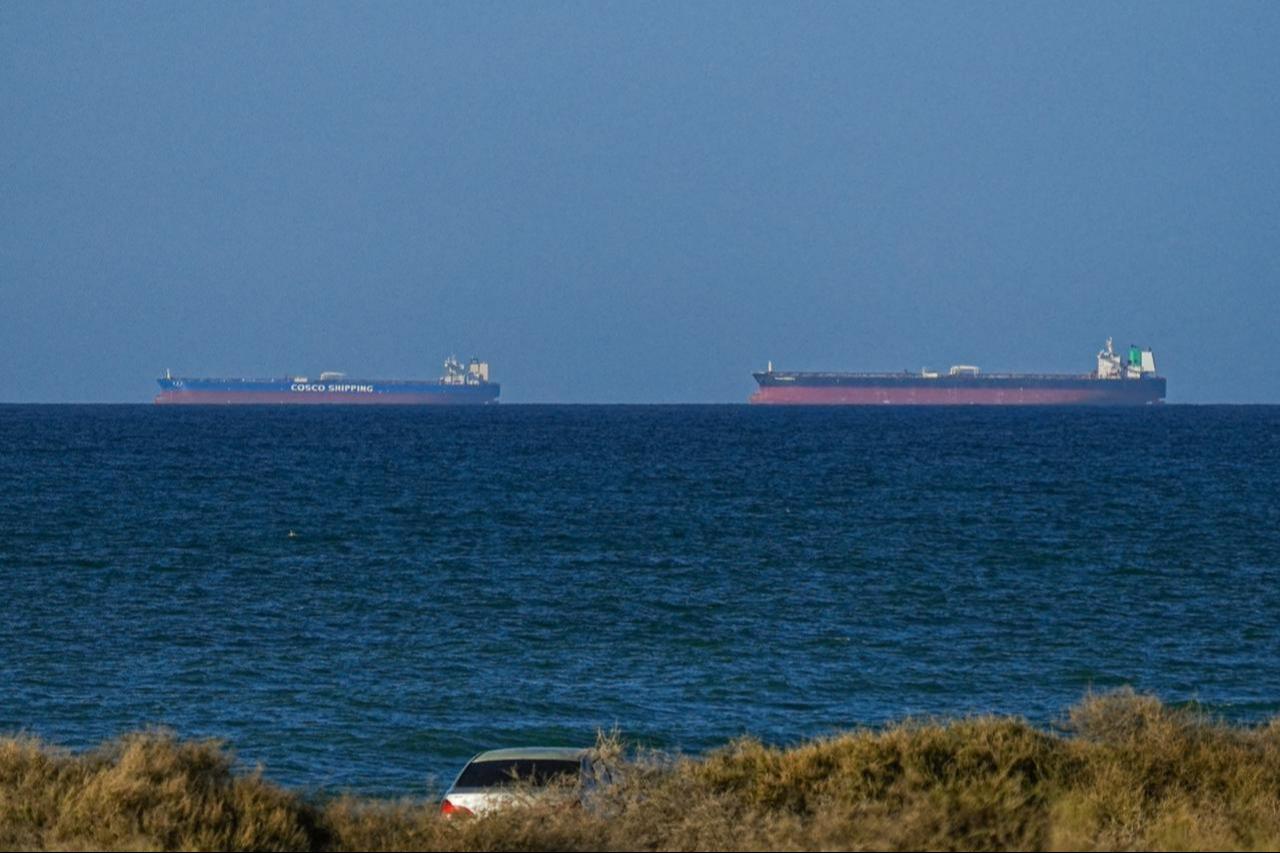
Although strikes around the region have largely stopped since the truce began, pressure around the key trade route has continued, with both sides using economic leverage in an effort to force the other to back down.
Before the war began on Feb. 28, about one-fifth of the world's oil was shipped through the Strait of Hormuz.


 Set as preferred source
 Set as preferred source


 1 min read
 1 min read