

 Newsletters


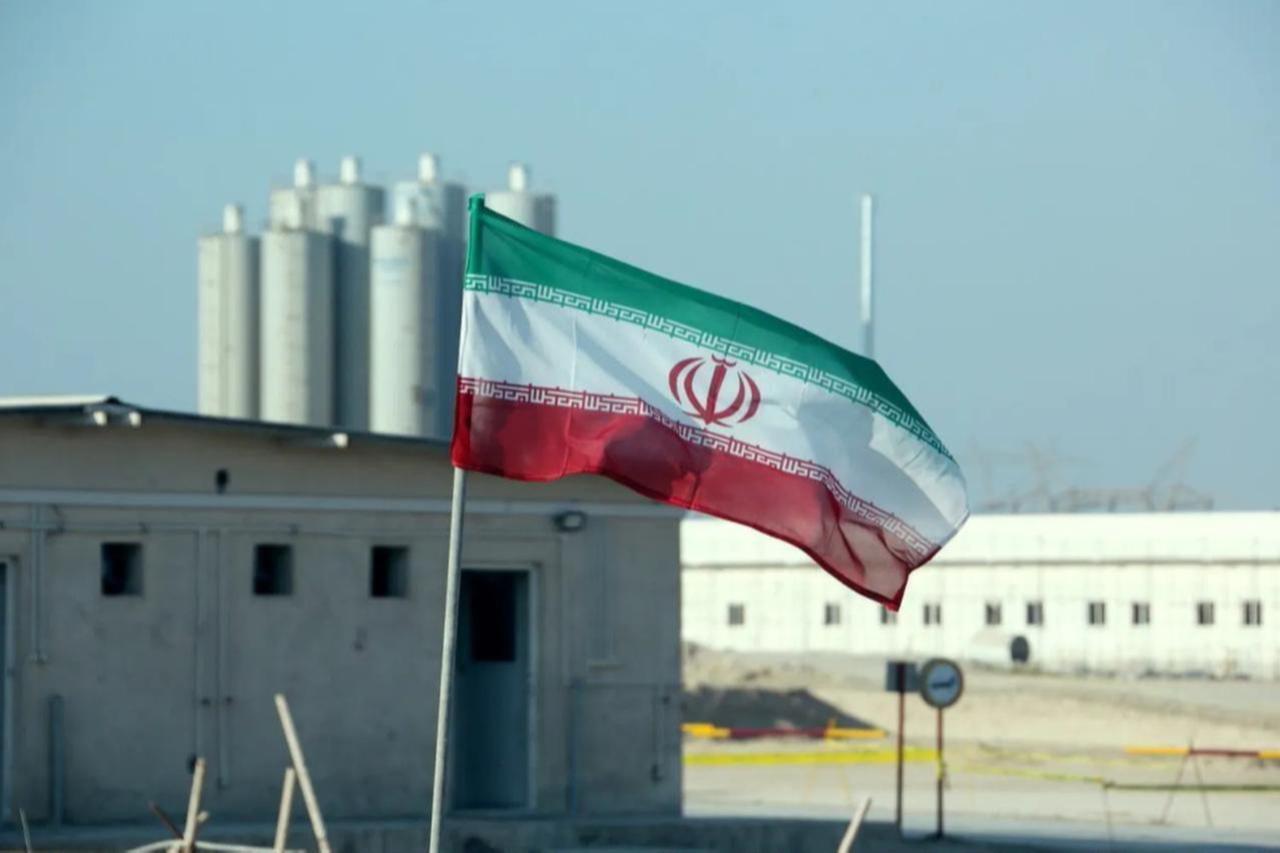


The Trump administration is demanding that any future nuclear agreement with Iran remain in force indefinitely, as senior U.S. officials warn that Tehran must not be allowed to obtain a nuclear weapon and raise concerns about its ballistic missile program.
According to a report by Axios, citing a U.S. official and two sources familiar with the remarks, White House envoy Steve Witkoff told a private gathering that Washington’s baseline demand in ongoing negotiations is the elimination of expiration clauses on key nuclear restrictions.
The position reflects President Donald Trump’s longstanding criticism of the 2015 nuclear accord negotiated under former President Barack Obama, which includes “sunset provisions” that gradually lift limits on Iran’s nuclear program over eight to 25 years.
Trump withdrew from that agreement during his first term, arguing that time-bound constraints undermined its durability.
Axios reported that Witkoff said the U.S. approach begins with the premise that Iran must commit to permanent compliance, effectively ruling out expiration clauses.
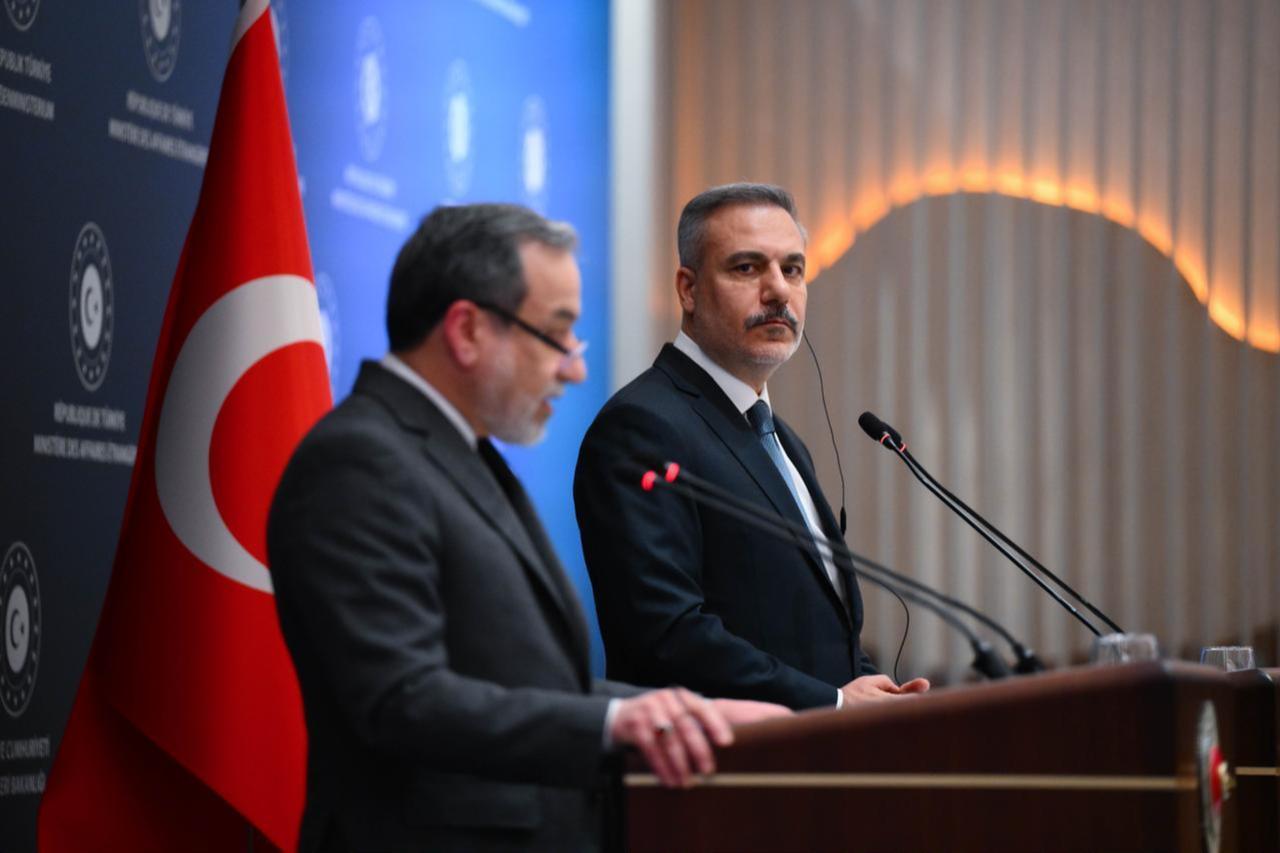
Delegations from Iran and the U.S. are set to hold a third round of indirect nuclear negotiations under Omani mediation in Geneva, Switzerland, on Thursday. The talks will focus on Iran’s uranium enrichment capabilities and the future of its enriched uranium stockpile.
Following the previous round in Geneva, both sides offered a positive overall assessment and agreed on guiding principles toward a potential agreement.
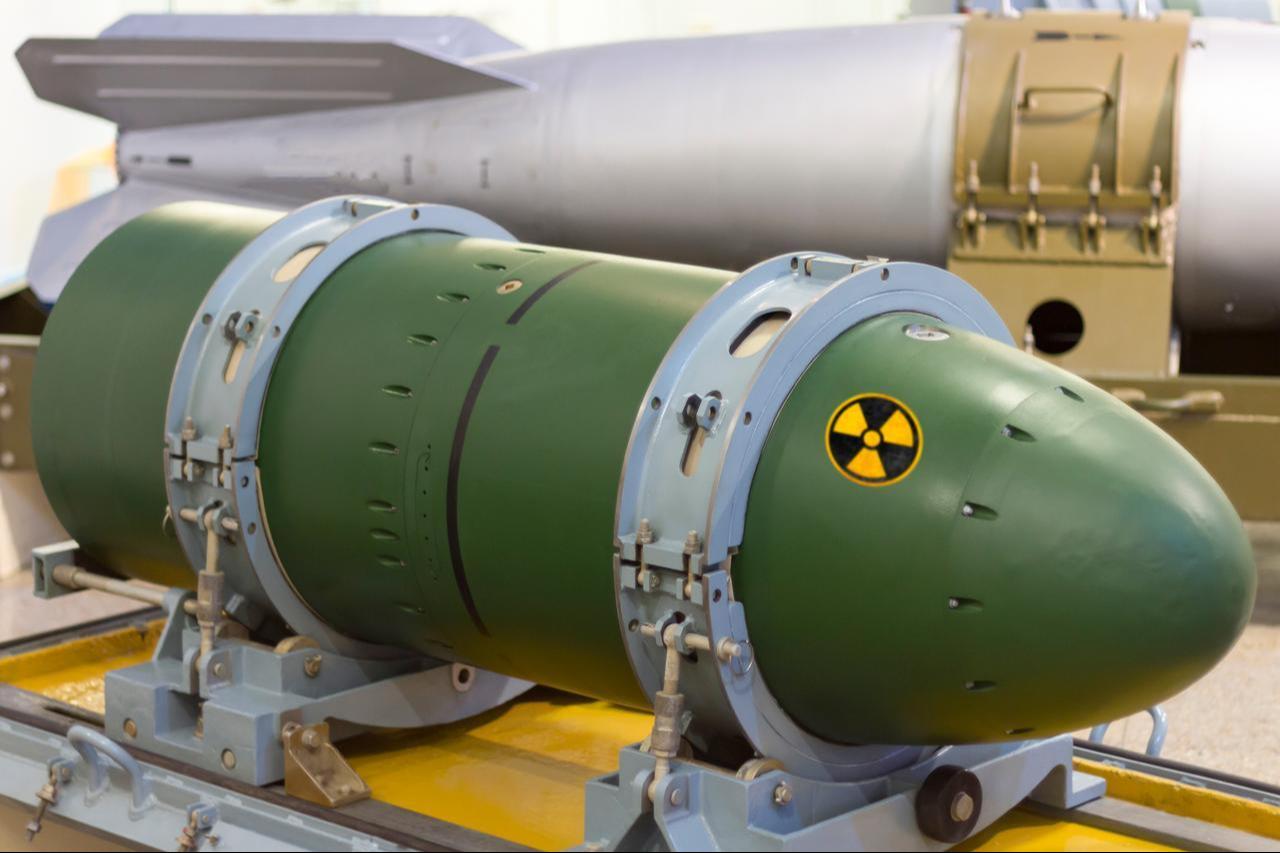

U.S. Vice President JD Vance said Iran will not be allowed to obtain a nuclear weapon, stressing that diplomacy remains the preferred path.
Speaking to Fox News, Vance said Trump is “crystal clear: Iran can’t have a nuclear weapon.”
“That would be the ultimate military objective, if that’s the route he chose,” Vance said, adding that the administration seeks to achieve this through diplomacy but has other options available.
“We have to get to a position where Iran, the largest state sponsor of terrorism in the world, cannot threaten the world with nuclear terrorism,” he said.
Vance expressed hope that Iran takes negotiations “seriously” and declined to speculate on possible measures, such as targeting Iran’s supreme leader, saying Trump will determine the appropriate course of action.
“We’re hopeful that we’re able to come to a good resolution without the military, but if we have to use the military, the president, of course, has that right as well,” he added.
At a news conference with Centers for Medicare & Medicaid Services (CMS) Administrator Mehmet Oz, Vance said the U.S. sees evidence that Iran is attempting to “rebuild” its nuclear weapons capacity following U.S. strikes last June that the administration claims destroyed Tehran’s nuclear facilities.
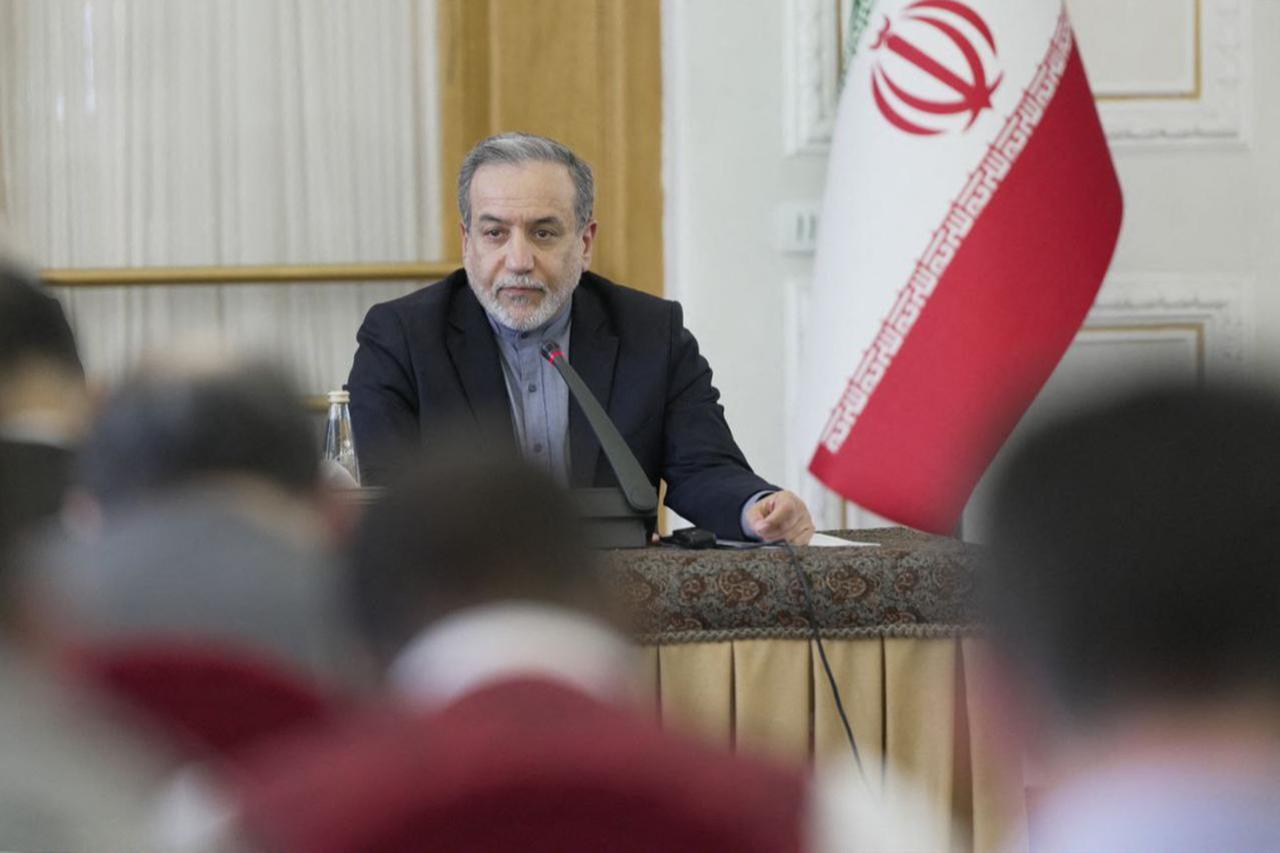
On Tuesday, Trump claimed Iran is developing long-range missiles capable of reaching the U.S., while Iranian Foreign Minister Abbas Araghchi said the country’s missiles are “defensive in nature.”
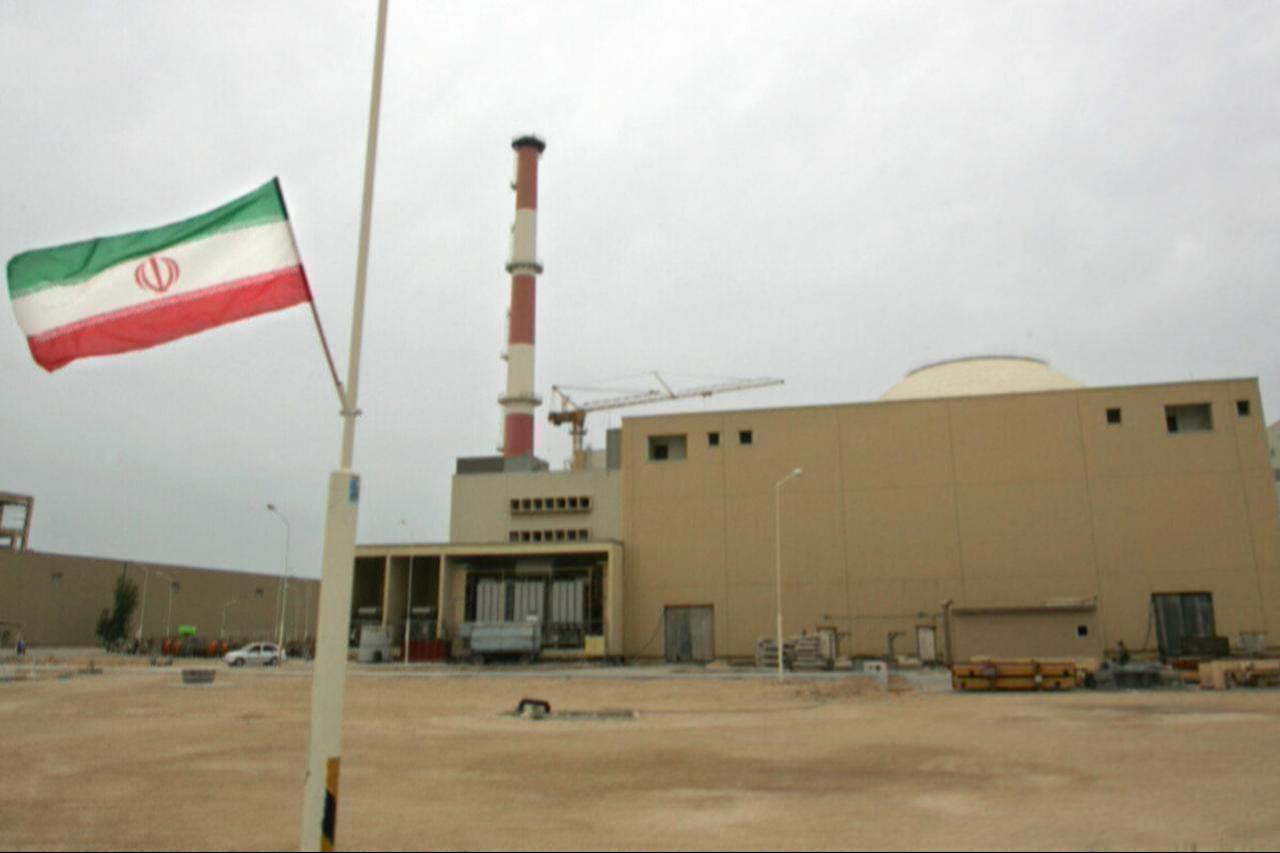
U.S. Secretary of State Marco Rubio warned that Iran’s refusal to discuss its ballistic missile program poses “a big problem.”
Speaking to reporters in St. Kitts during a meeting of Caribbean Community (CARICOM) leaders, Rubio said Iran refuses to discuss ballistic missiles “with us or with anyone.”
He said Iran poses “a very great threat to the United States” and claimed that after its nuclear program is “obliterated,” Tehran is told not to restart it but continues trying to rebuild elements of it.
 1 min read
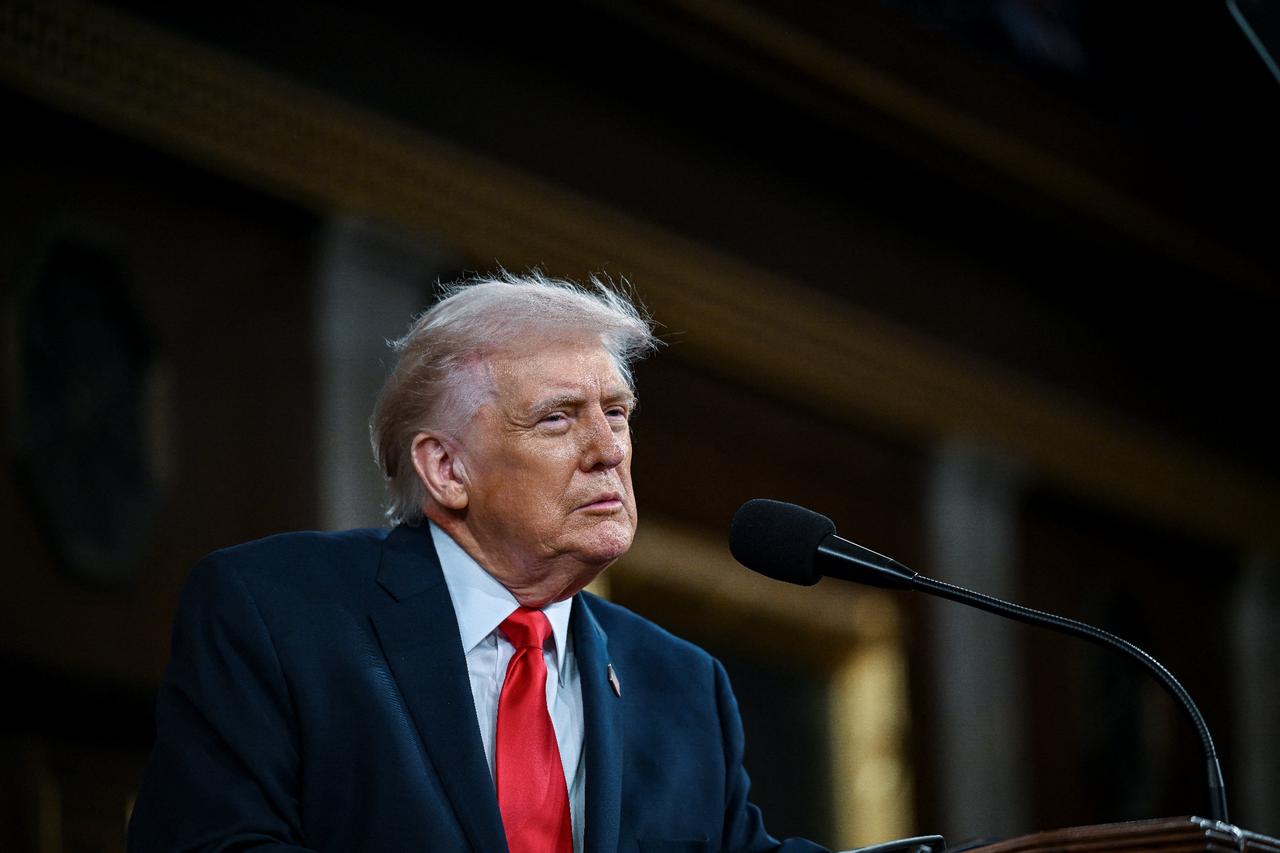
“They’re not enriching right now, but they’re trying to get to the point where they ultimately can,” Rubio said.
Rubio detailed Iran’s conventional military capabilities, including what he described as a large number of short-range ballistic missiles that threaten U.S. bases and partners in the region, including those in the UAE, Qatar, and Bahrain.
He also pointed to Iran’s naval forces as posing risks to shipping and potential threats to U.S. forces.
Rubio noted that the upcoming talks will primarily focus on Iran’s nuclear program, while Washington continues pressing for limits on Tehran’s ballistic missile program alongside restrictions on nuclear enrichment.


 Set as preferred source
 Set as preferred source


 1 min read


