Newsletters


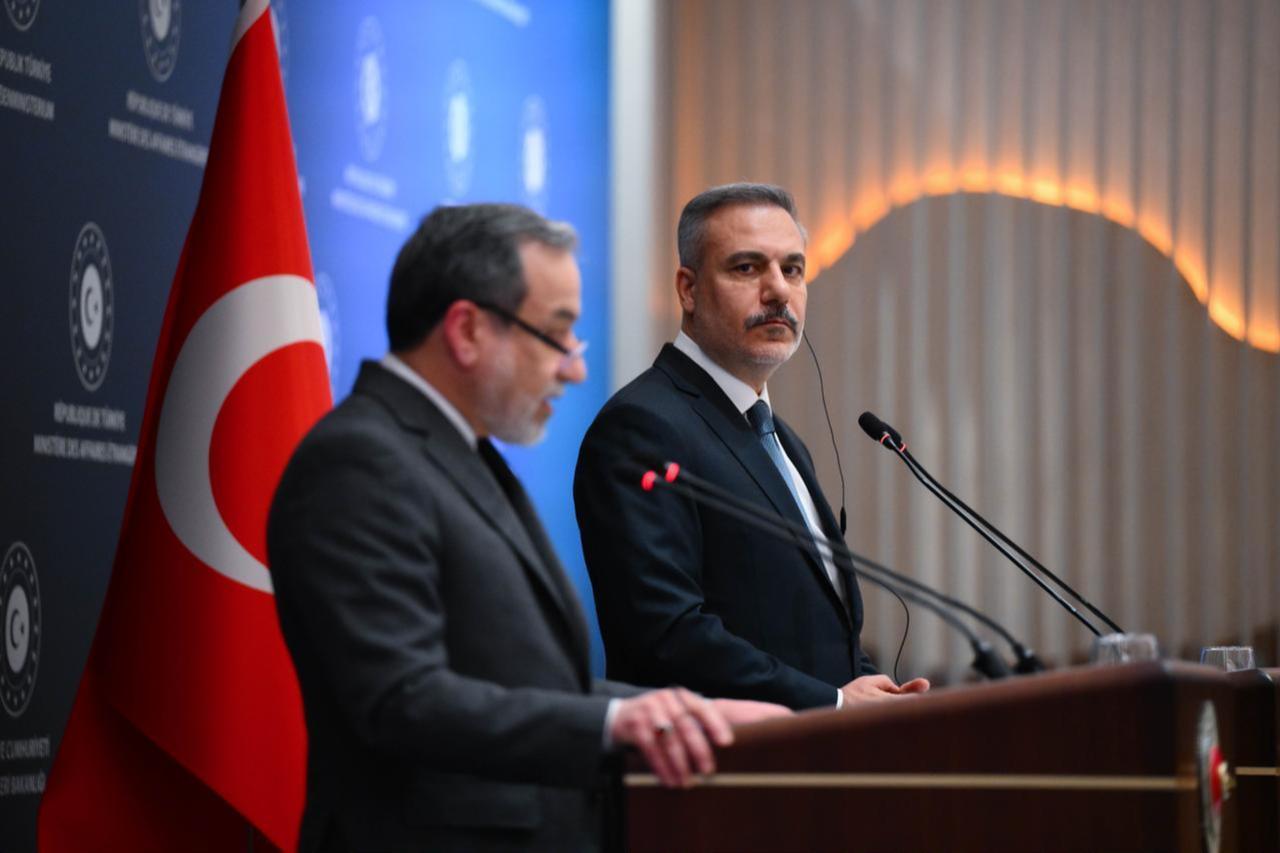


Türkiye, alongside Oman, Qatar, and Egypt, is pressing Iran to move toward a nuclear agreement with the United States that would avert war, according to U.S. officials, as the Trump administration insists any future deal must remain in effect indefinitely, eliminating the time-limited restrictions that defined the 2015 accord.
White House envoy Steve Witkoff laid out the administration's position at a private gathering of AIPAC donors in Washington on Tuesday. "We start with the Iranians with the premise that there is no sunset provision. Whether we get a deal or not, our premise is: you have to behave for the rest of your lives," he said, according to a U.S. official and two other sources with knowledge of his remarks.
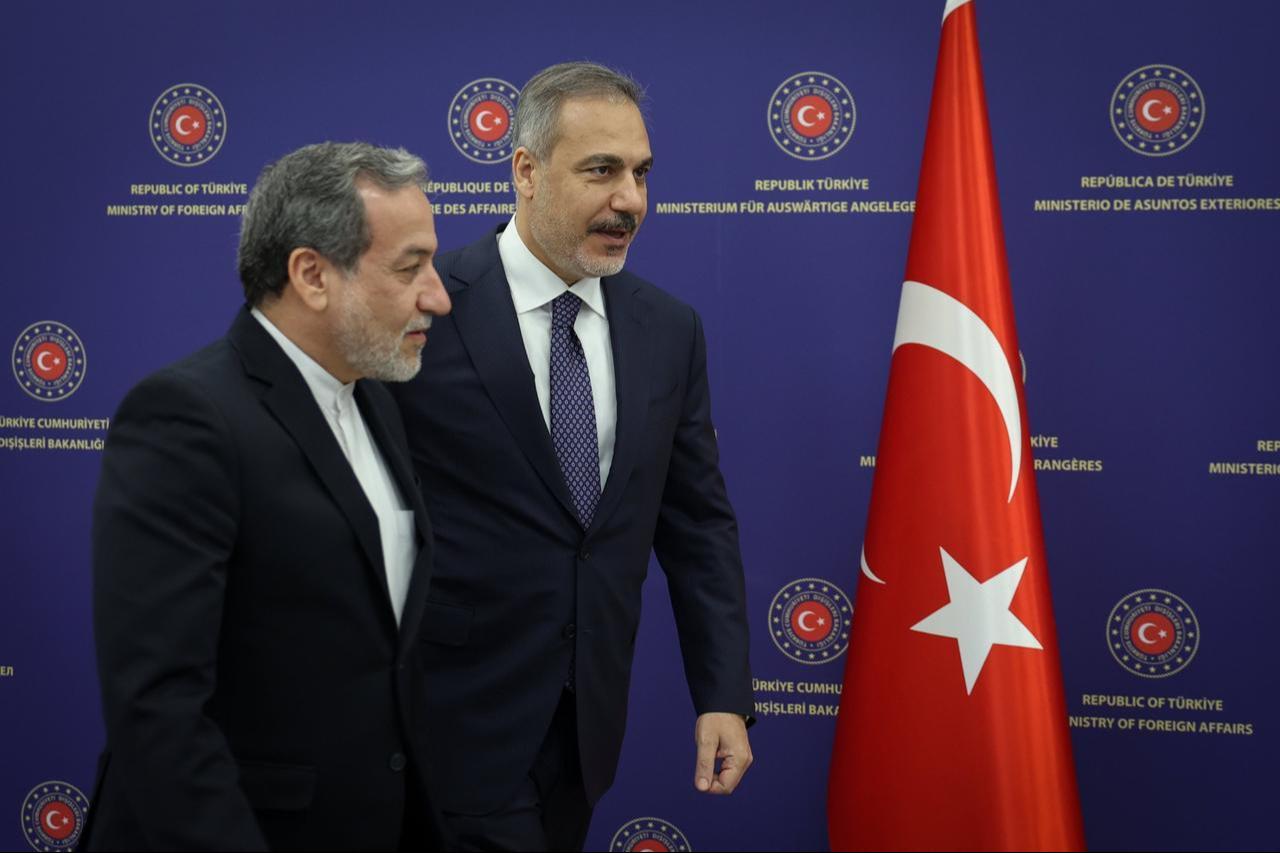
Despite the diplomatic pressure from the four mediating nations, many officials in Washington and across the region remain skeptical that Tehran is willing to meet the high bar Trump has set. The comments, first reported by Axios, came just two days before Witkoff and presidential adviser Jared Kushner are scheduled to meet Iranian Foreign Minister Abbas Araghchi in Geneva on Thursday for what could be a decisive round of nuclear negotiations.

The so-called sunset provisions were among the most criticized elements of the 2015 Joint Comprehensive Plan of Action negotiated under former President Barack Obama. Under that agreement, most limitations on Iran's nuclear program were set to gradually expire between eight and 25 years after signing. Iran also pledged never to pursue a nuclear weapon. President Trump withdrew the United States from the deal during his first term, calling it fundamentally flawed.
By ruling out any expiration date on new restrictions, the administration would be positioning a potential agreement as a clear upgrade over its predecessor, a politically significant distinction for Trump domestically.
Araghchi appeared to leave the door open to such terms in a CBS interview last weekend, saying Iran could sign a "better" deal that would ensure its nuclear program "remains peaceful forever."
Witkoff told the gathering that two critical issues dominate the current negotiations: Iran's ability to enrich uranium and the fate of its existing stockpile of enriched material. Iran's insistence on continuing enrichment on its own soil remains one of the most significant obstacles to any agreement.
U.S. officials have indicated that Trump could be open to allowing limited "token" enrichment in Iran, provided the Iranians can demonstrate it would not enable the development of a nuclear weapon. However, the precise contours of any such arrangement remain unclear.
Witkoff said the current talks are focused narrowly on nuclear issues, but that the administration envisions follow-up negotiations covering Iran's missile program and its support for proxy militias if a deal is reached. At that stage, the U.S. would seek to bring regional partners into the discussions.
 1 min read
The Geneva meeting is widely seen as potentially the last opportunity for a diplomatic breakthrough. The assessment Kushner and Witkoff deliver to Trump afterward is expected to carry significant weight in the president's decision on whether to continue negotiations or pivot toward military options.
A source with direct knowledge said Iran's political leadership had "cleared" a detailed proposal for a nuclear deal that Araghchi is expected to bring to Geneva, though it was not clear whether the document had already been shared with the American side.
Trump said during his State of the Union address on Tuesday that he prefers a diplomatic resolution, but he also laid out a case for the use of force. Vice President JD Vance reinforced that dual message in a Fox News interview on Wednesday, saying the president would try to accomplish the goal diplomatically but "has a number of other tools at his disposal to ensure this doesn't happen," adding that he hoped the Iranians would "take it seriously."
Araghchi, speaking to India Today, struck a more conciliatory tone, saying his goal in Geneva is to prevent war. "In the previous round, we made progress. We were able to reach a kind of understanding, and I think based on those understandings we can build something in the form of an agreement, a deal," he said.


 Set as preferred source
 Set as preferred source


 1 min read