Newsletters




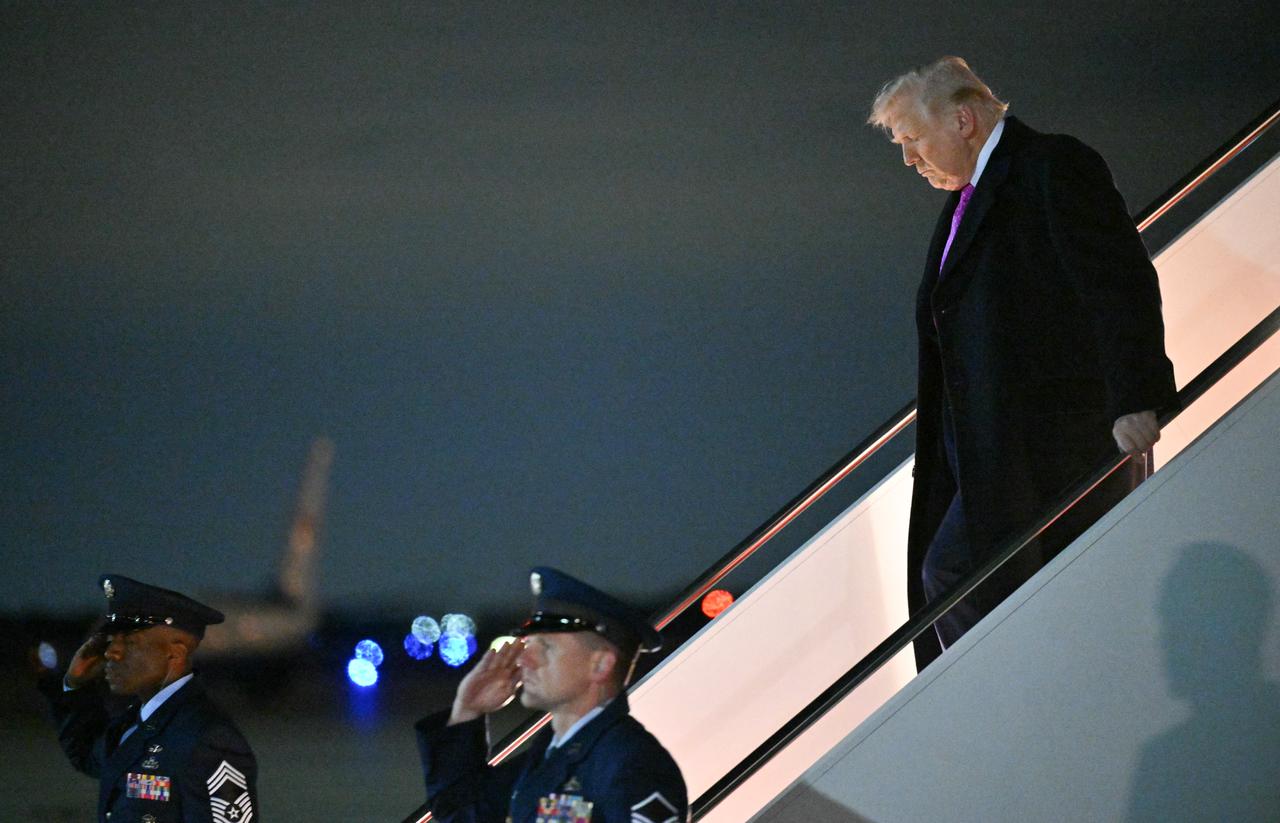
U.S. President Donald Trump has told aides he is prepared to wind down the military campaign against Iran even if the strategically vital Strait of Hormuz remains largely closed, The Wall Street Journal reported Monday.
According to administration officials cited in the report, Trump and his advisers concluded that a military operation to immediately reopen the strait would prolong the conflict beyond his preferred timeline of four to six weeks.
Instead, Washington plans to focus on core military objectives, crippling Iran’s naval and missile capabilities, while pressing Tehran through diplomatic channels to restore free trade through the waterway.
If diplomatic efforts fail, the United States would rely on European and Gulf allies to take the lead in reopening the strait, the report said.
Officials added that while additional military options remain available, they are not Trump’s immediate priority.
White House spokeswoman Karoline Leavitt told reporters Monday that the United States was “working toward” restoring normal operations in the strait.

Meanwhile, a key committee in Iran’s parliament approved a toll plan for vessels passing through the Strait of Hormuz, according to local media reports on Tuesday.
The proposal, approved by the National Security Commission, outlines new regulations governing the strategic waterway, including financial provisions requiring ships to pay transit fees in Iran’s national currency, the rial.
According to Fars News Agency, commission member Mojtaba Zarei said the bill also includes restrictions barring vessels linked to the United States and Israel from passing through the strait.
Additional provisions would block access for countries that have joined unilateral sanctions against Iran.
The legislation must still pass a full parliamentary vote before being reviewed by the Guardian Council and signed by the president to become law.
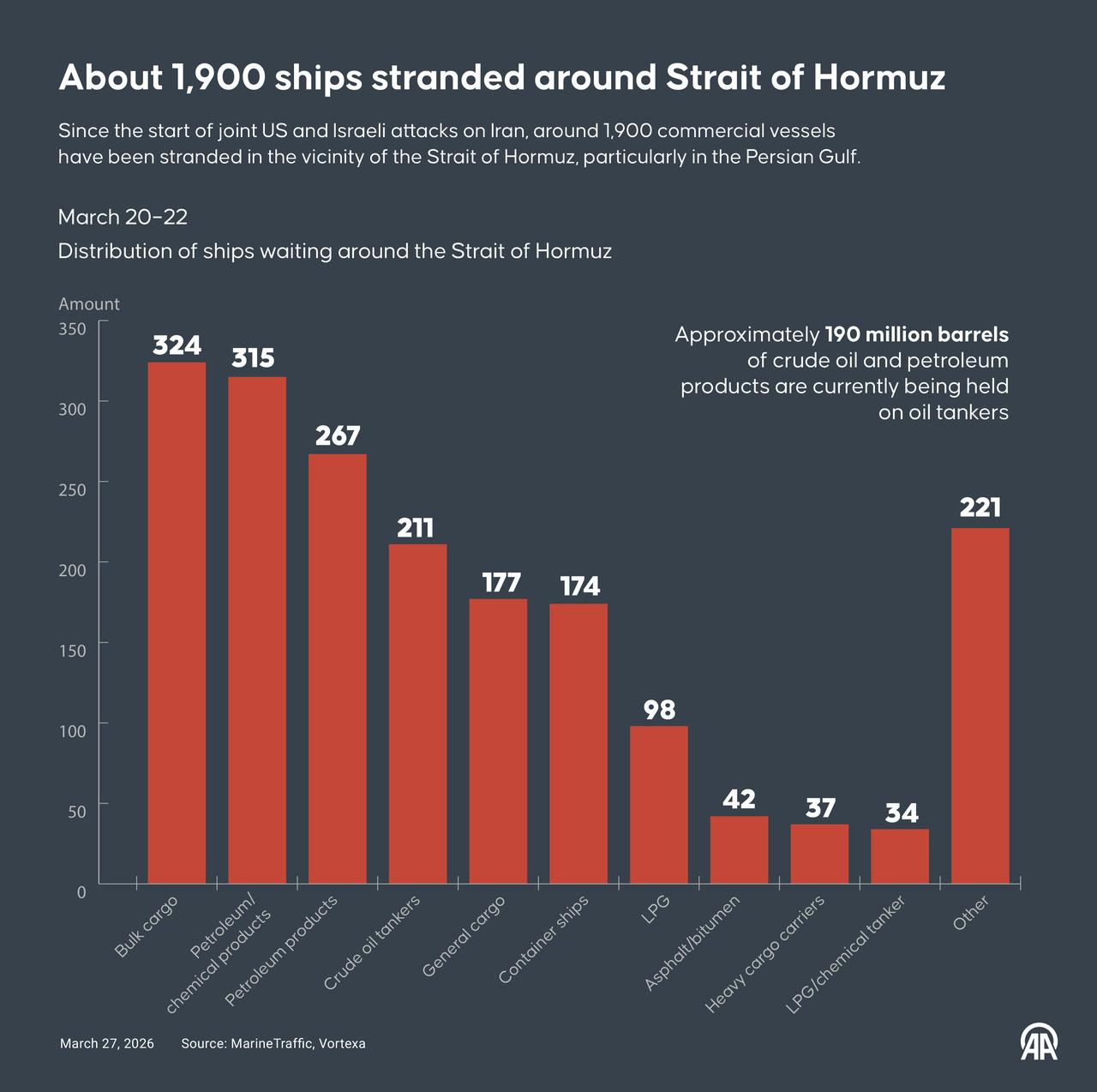
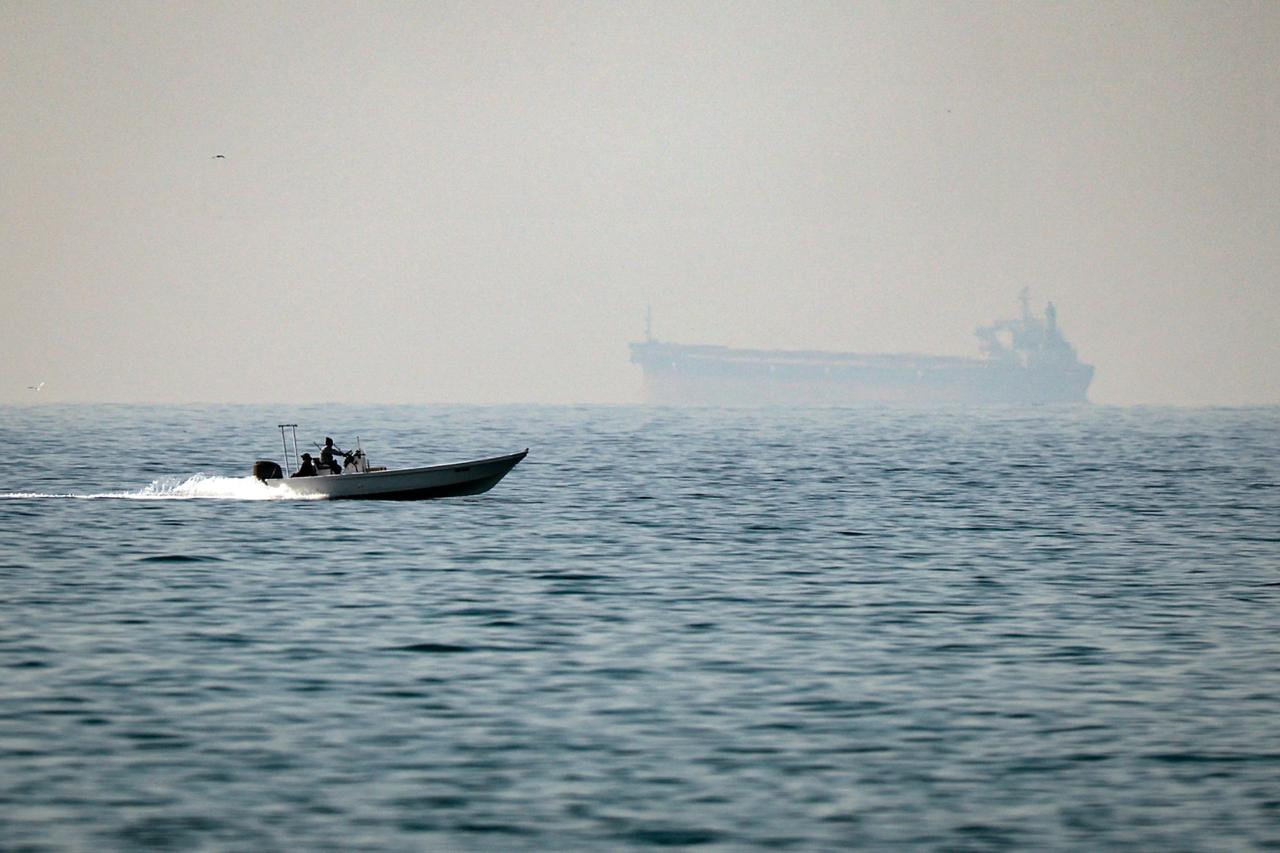
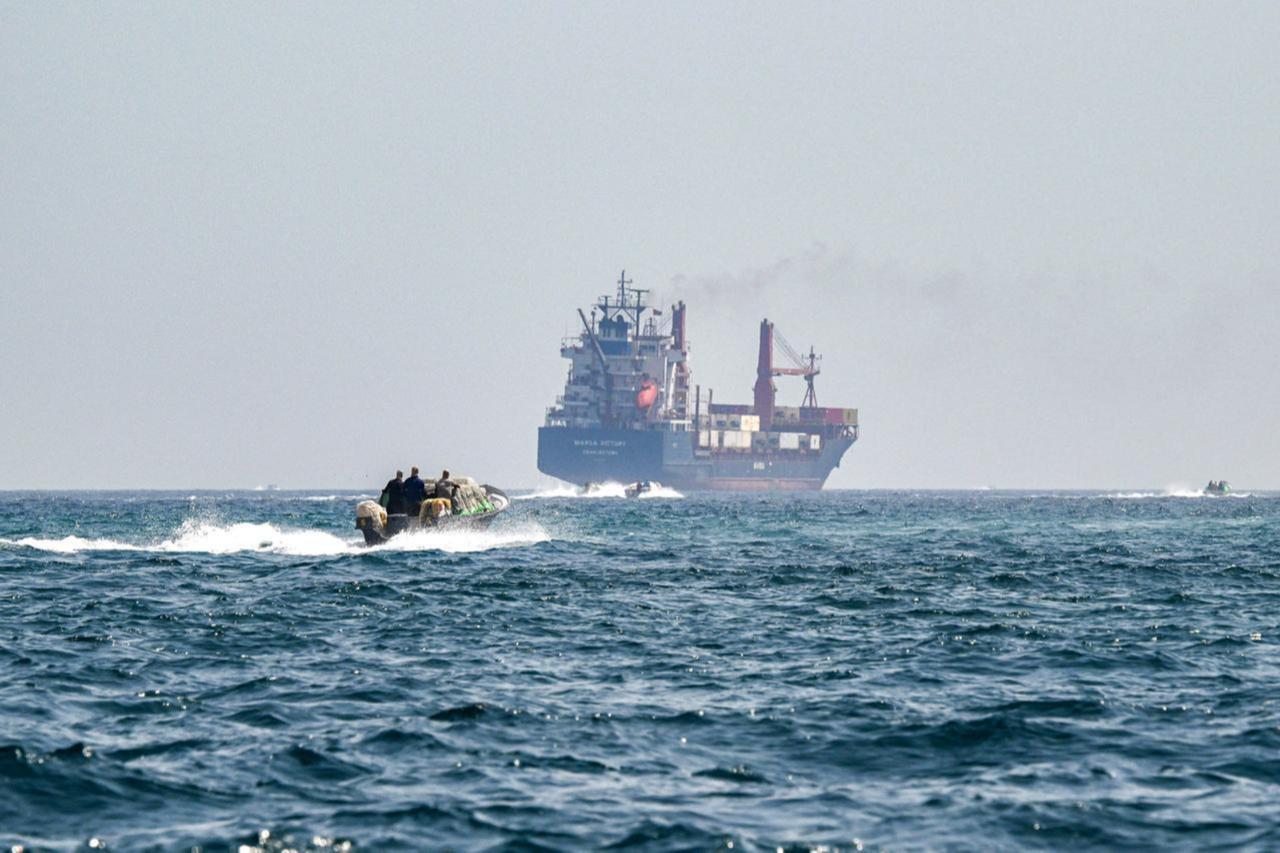
Shipping through the Strait of Hormuz, a critical route for global trade and energy supplies, has been heavily disrupted since the United States and Israel launched attacks on Iran late last month, prompting Tehran to retaliate with strikes on U.S.-linked bases in at least six Gulf nations.
Disruptions to tanker traffic have already interrupted global oil supplies and pushed prices higher.
Regional escalation has continued since Israel and the United States launched an offensive against Iran on Feb. 28, killing more than 1,340 people to date, including then-Supreme Leader Ali Khamenei.
Iran has retaliated with drone and missile strikes targeting Israel, Jordan, Iraq and Gulf countries hosting U.S. military assets, causing casualties and damage to infrastructure while disrupting global markets and aviation.


 Set as preferred source
 Set as preferred source


 1 min read
 1 min read