Newsletters


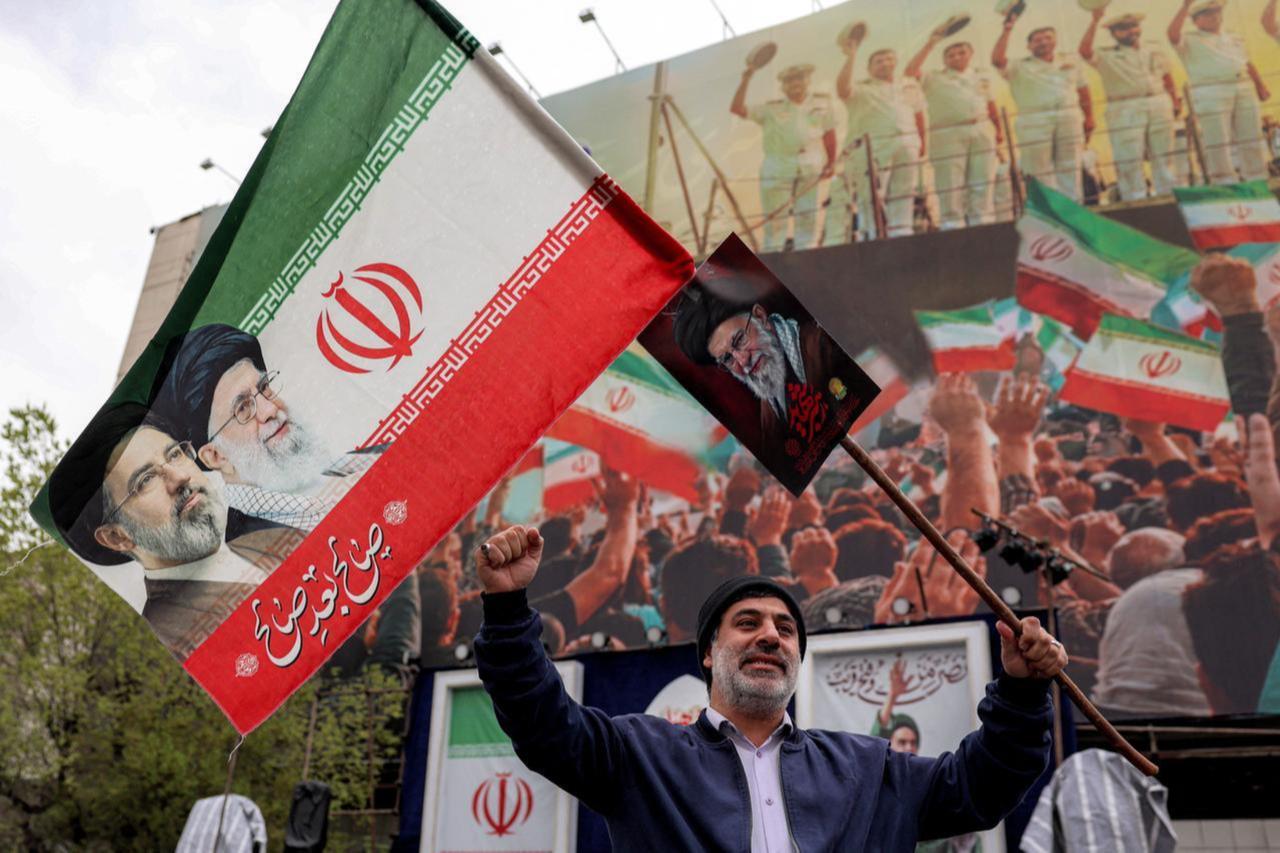


Israeli officials speaking to NYT have drawn a pointed comparison between Iran's current communication breakdown and the dysfunction that plagued Hamas during Gaza ceasefire negotiations, when offers from the United States and Israel had to be relayed in written notes from leaders in Qatar to commanders inside Gaza, a slow and error-prone process that repeatedly stalled talks.
The parallel, officials say, cuts to the heart of a deepening crisis: the U.S.-Israeli war against Iran has left the Republic's government in such disarray that surviving officials are afraid to communicate, key decision-makers have been killed or wounded, and hard-liners are gaining influence, according to people familiar with American and Western intelligence assessments. The dysfunction has created a paradox, where the same military campaign designed to force Iran to the bargaining table has so badly degraded its leadership that the government may be incapable of negotiating effectively, even if it wanted to.
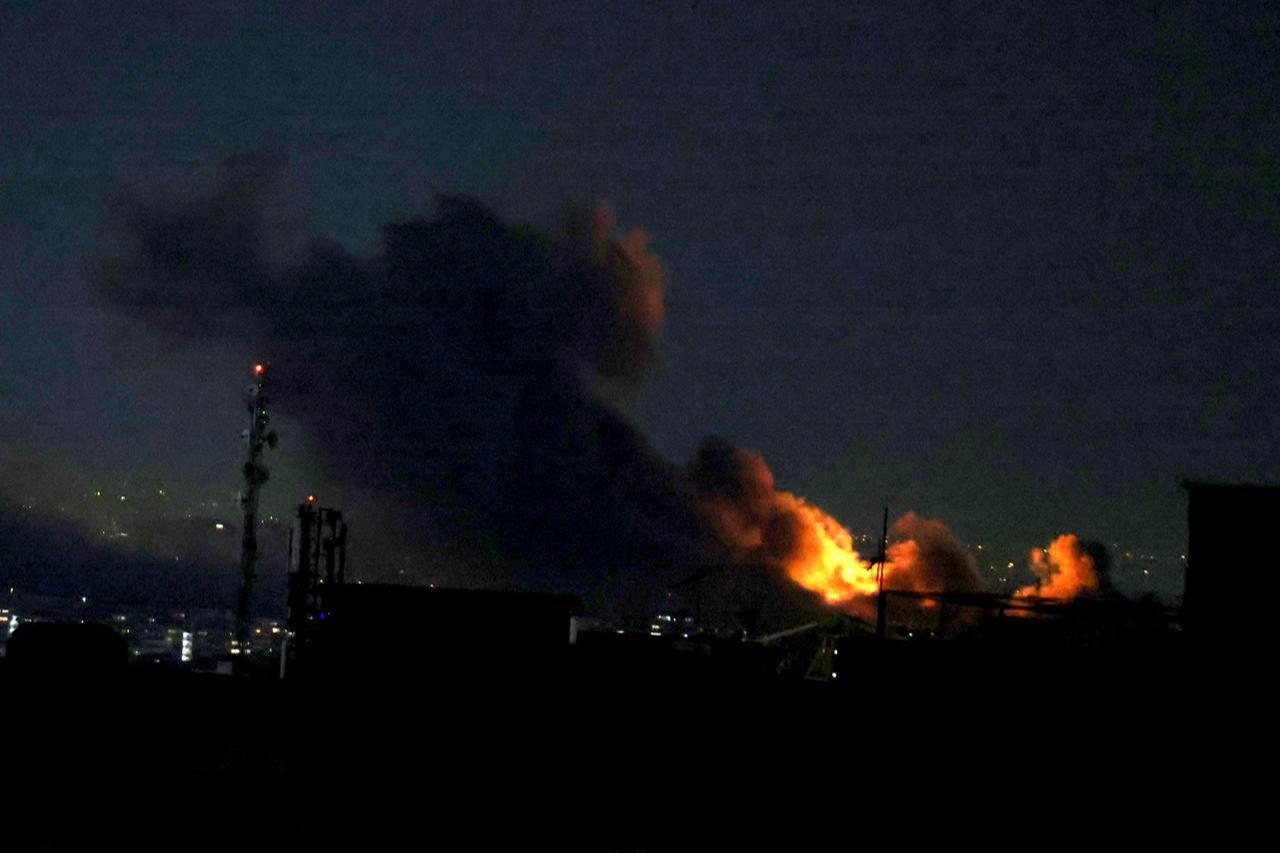

Israel opened the war with an attack on Iran's leadership compound that killed Supreme Leader Ali Khamenei and much of the national security council. Several dozen Iranian leaders and their deputies have since been killed over four weeks of fighting. A number of officials considered more pragmatic by Washington were among those killed in the opening strike, a loss that has narrowed the range of potential interlocutors.
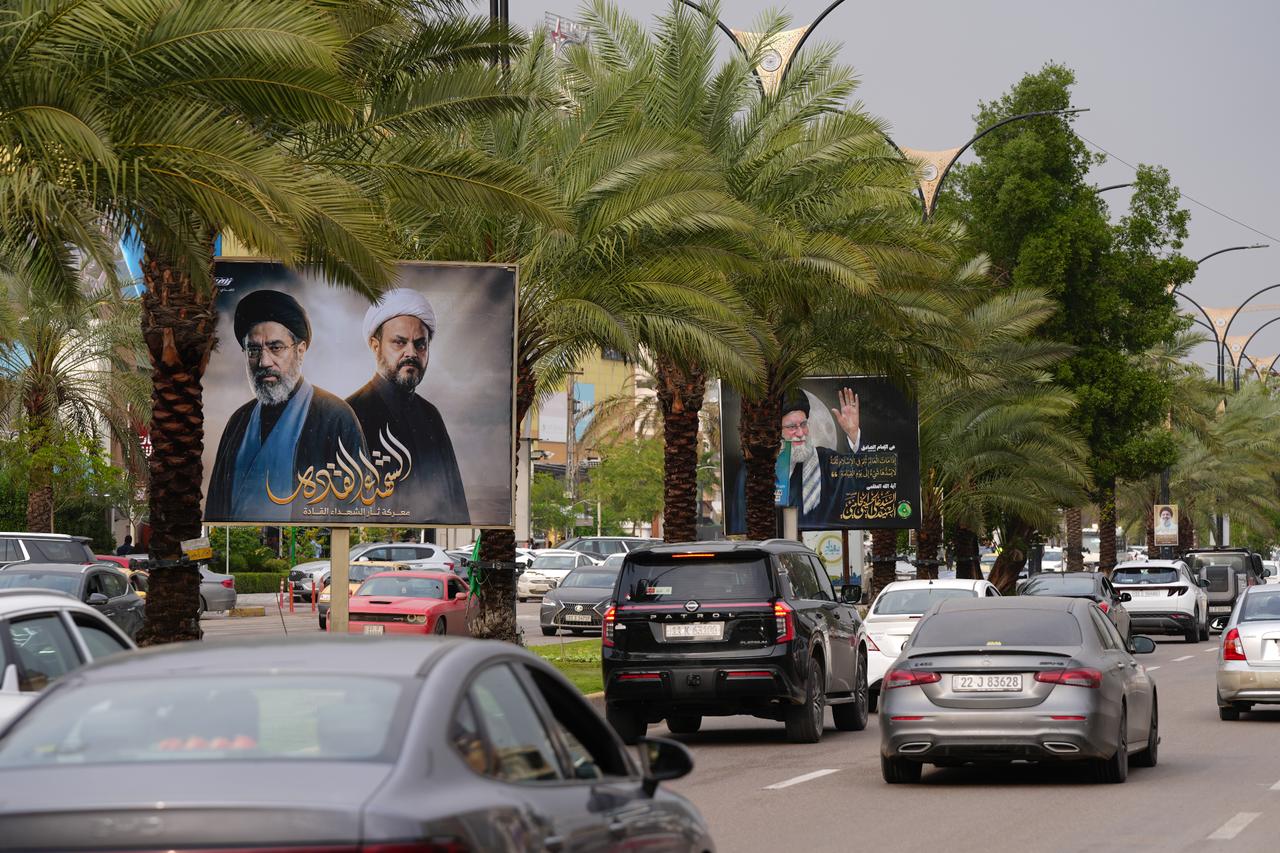
Mojtaba Khamenei, who has assumed the role of supreme leader, has not been seen publicly, and U.S. and Israeli intelligence agencies believe he was wounded during the war. Some intelligence officials believe he may function more as a figurehead, with the surviving leadership of the Revolutionary Guards Corps making operational decisions. The attack severed connections between security, military, and civilian policymakers, according to Western officials and others briefed on government assessments.
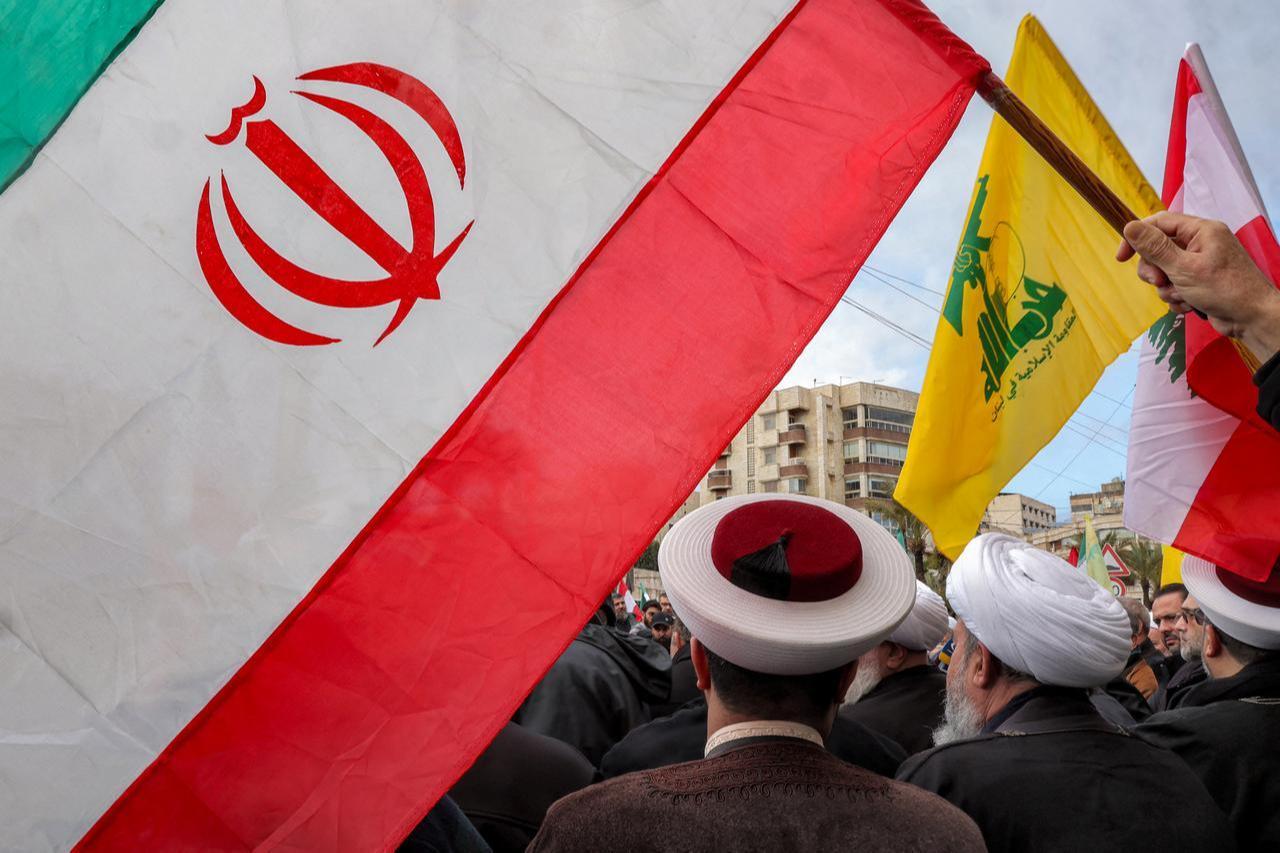
Those who survived have largely gone quiet. Fearful that their calls will be intercepted by U.S. or Israeli intelligence and used to target them in airstrikes, officials have been reluctant to communicate at all. The result is confusion and paranoia among a leadership cadre that cannot safely meet in person or speak freely.
Hard-liners within the Revolutionary Guards have grown more influential in the vacuum, exerting power that now rivals or exceeds that of the religious leadership nominally in charge, U.S. officials say. Iranian negotiators, operating with incomplete information about what their own government is willing to concede, may not even know whom to consult. With different leaders now in place, those sent to negotiate may have little knowledge of what concessions Tehran would accept.
The communication failures have had direct military consequences. Before the war, Iran built a decentralized command structure allowing regional commanders to launch strikes without direct orders from Tehran, a design intended to preserve capability under precisely this kind of pressure. The United States has been systematically targeting those local commanders.
Iran demonstrated it retains some offensive capacity with a missile and drone attack on Prince Sultan Air Base in Saudi Arabia last week. But retaliatory strikes have been smaller and less coordinated than they might otherwise have been. Without centralized command, regional units have had to mount counterattacks independently, unable to mass the larger missile barrages that could more effectively overwhelm missile defense systems.
 1 min read
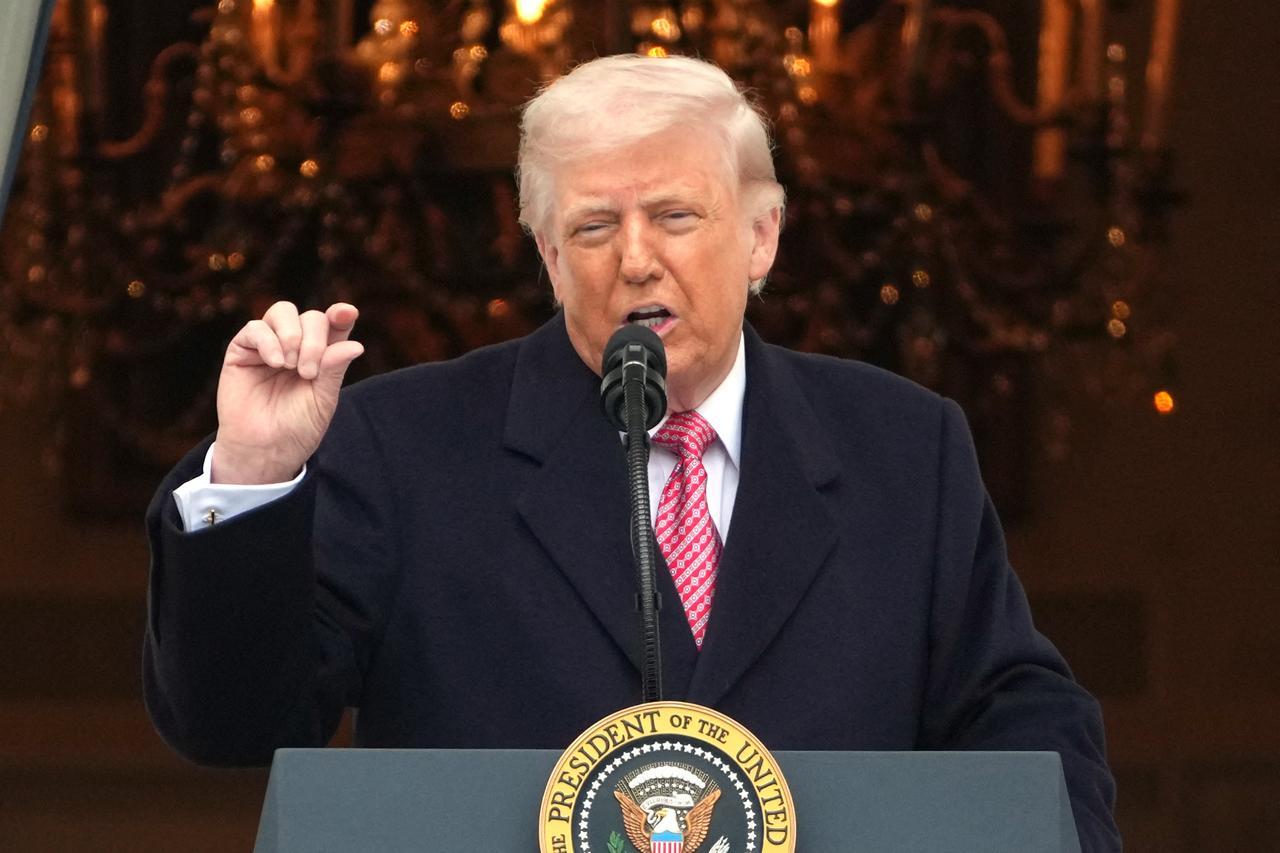
President Donald Trump has publicly expressed frustration with what he described as contradictory signals from Tehran. "The Iranian negotiators are very different and 'strange,'" Trump wrote on social media. "They are 'begging' us to make a deal, which they should be doing since they have been militarily obliterated, with zero chance of a comeback, and yet they publicly state that they are only 'looking at our proposal.'"
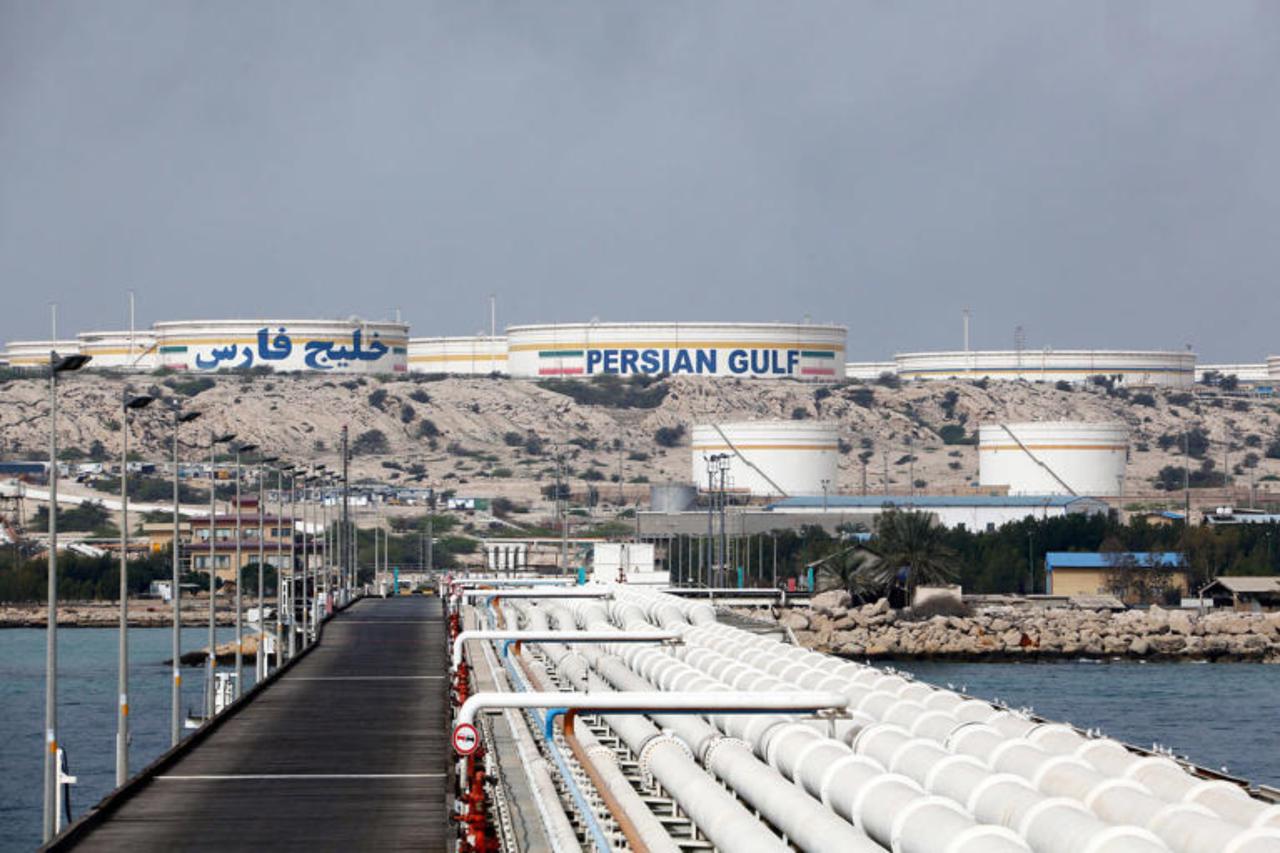
Over the weekend, Trump struck a more conciliatory tone, calling the new Iranian government reasonable and saying, "It's a whole different group of people, so I would consider that regime change." On Monday, however, he threatened to escalate, warning that if a deal was not reached quickly and the Strait of Hormuz remained closed, the United States would strike Iran's electrical generation plants, oil wells, and desalination plants. He also suggested U.S. forces could move to seize Kharg Island, Iran's primary oil export terminal.
Former American officials say Iran will ultimately seek a deal when economic pressure becomes intolerable. But despite the severity of the damage, Iran may not yet believe it is losing, leaving the path to any agreement deeply uncertain.


 Set as preferred source
 Set as preferred source


 1 min read