Newsletters


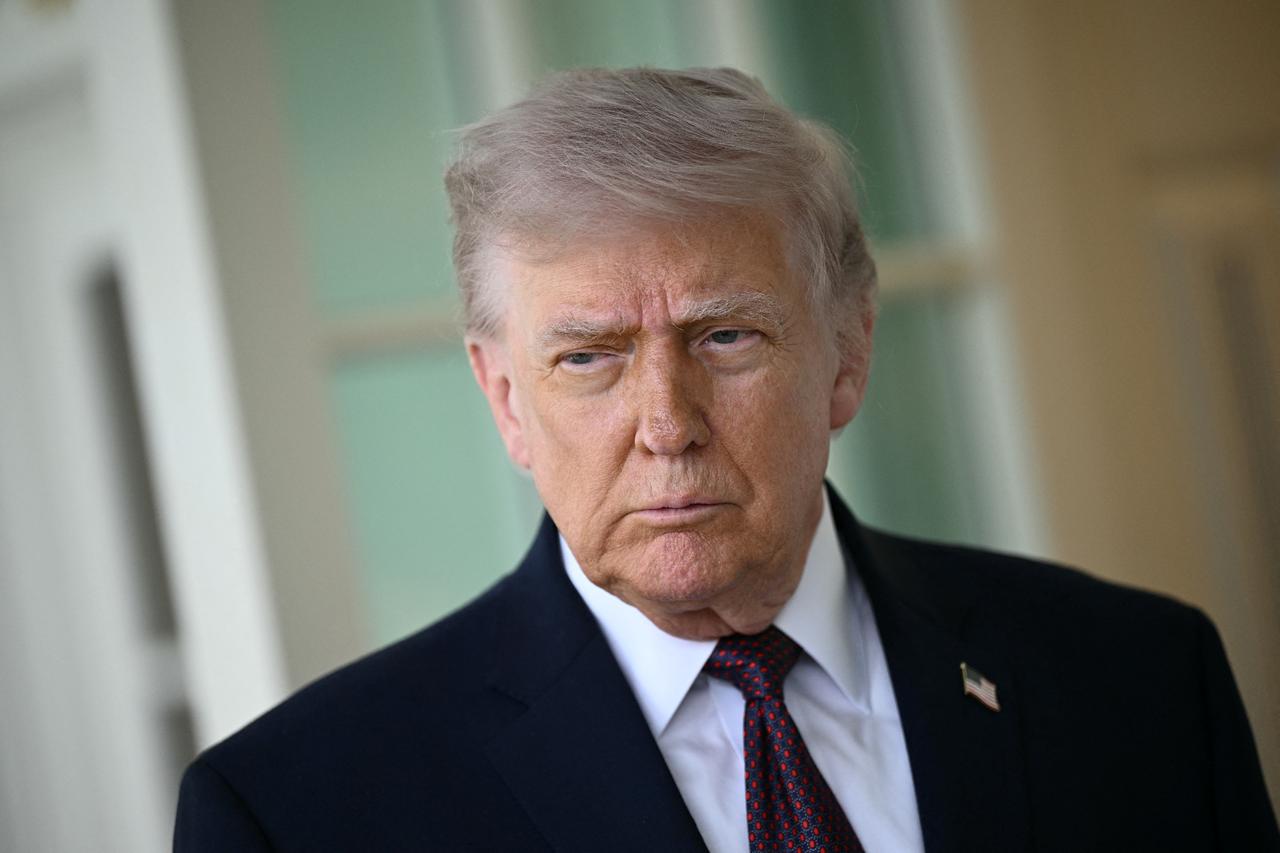


The White House has rejected Iran's formal counterproposal to suspend uranium enrichment for five years, maintaining its demand for a minimum 20-year halt, according to officials from both sides.
The New York Times (NYT) reported that the two sides are now arguing over the duration of a nuclear suspension rather than its existence, a shift analysts say suggests room for a deal.
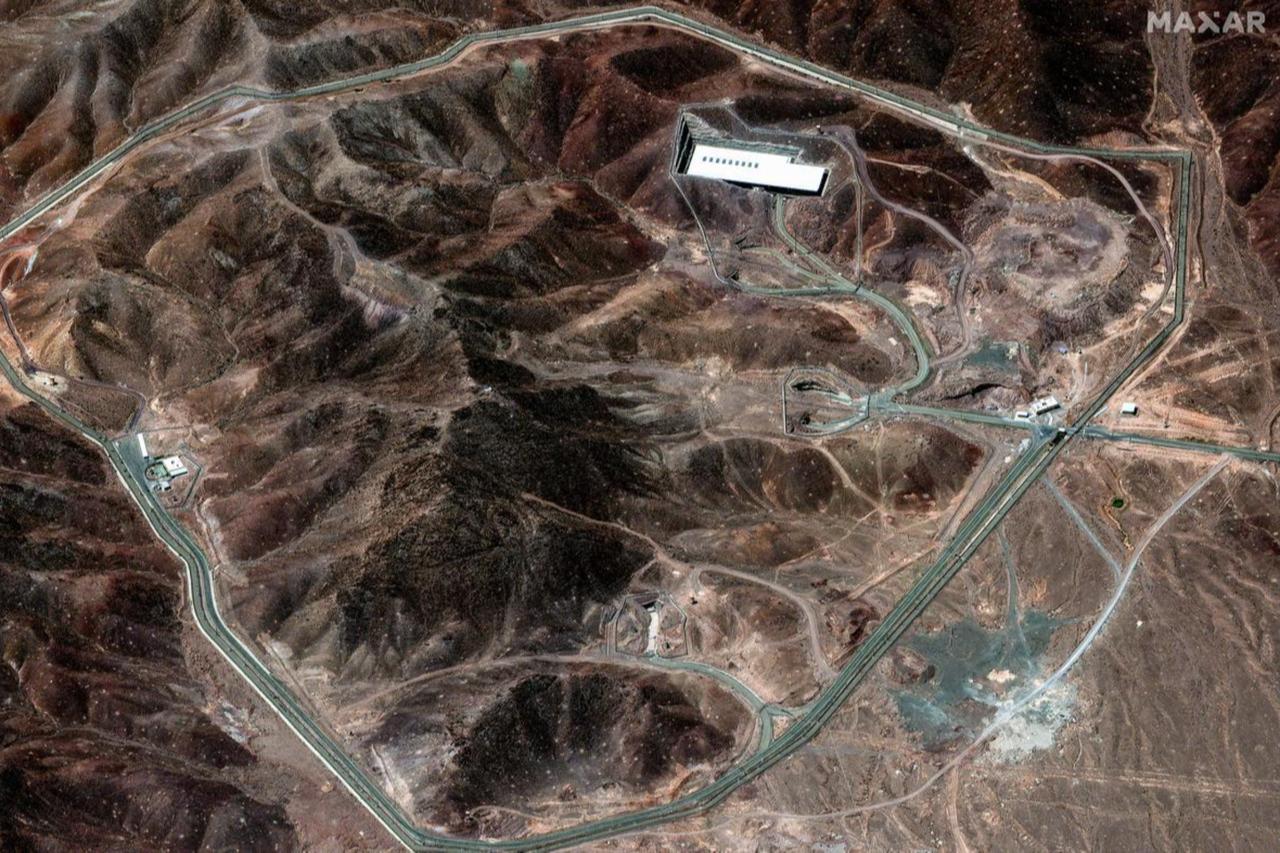
The U.S. position in Islamabad was not a permanent ban on Iranian enrichment but a 20-year "suspension" of all nuclear activity, people familiar with the negotiations told the NYT.
Iran submitted a formal response Monday proposing to suspend nuclear activity for up to five years, the same proposal, the NYT noted, that Iran had made in February during failed Geneva negotiations that convinced Trump it was time to launch the war.
"Trump has rejected that offer," a U.S. official told the Times.
On the question of Iran's existing enriched uranium stockpile, the U.S. demanded physical removal from the country.
Iran refused but offered to significantly dilute the material, reducing enrichment levels rather than transferring it out.
The NYT noted that any agreement resembling the 2015 Joint Comprehensive Plan of Action, which Trump exited and called "a horrible, one-sided deal that should have never, ever been made", poses a political risk for the president.
The core of Trump's objection to the Obama-era accord was its "sunsets": enrichment restrictions that gradually eased and expired entirely in 2030.
A 20-year suspension would extend well past Trump's current term, offering a strategic buffer that the 2015 deal did not. But the parallel structure, a time-limited rather than permanent constraint, could still draw the same criticism from Trump's allies, according to the report.
White House officials who spoke to NYT also said no second round had been finalized, but another round of in-person negotiations was being discussed.
Pakistani, Egyptian and Turkish mediators are continuing to work on the gap. Egyptian Foreign Minister Badr Abdelatty is expected in Washington this week to meet Secretary of State Marco Rubio. Turkish Foreign Minister Hakan Fidan and intelligence chief Ibrahim Kalin are also engaged.


 Set as preferred source
 Set as preferred source


 1 min read
 1 min read