Newsletters


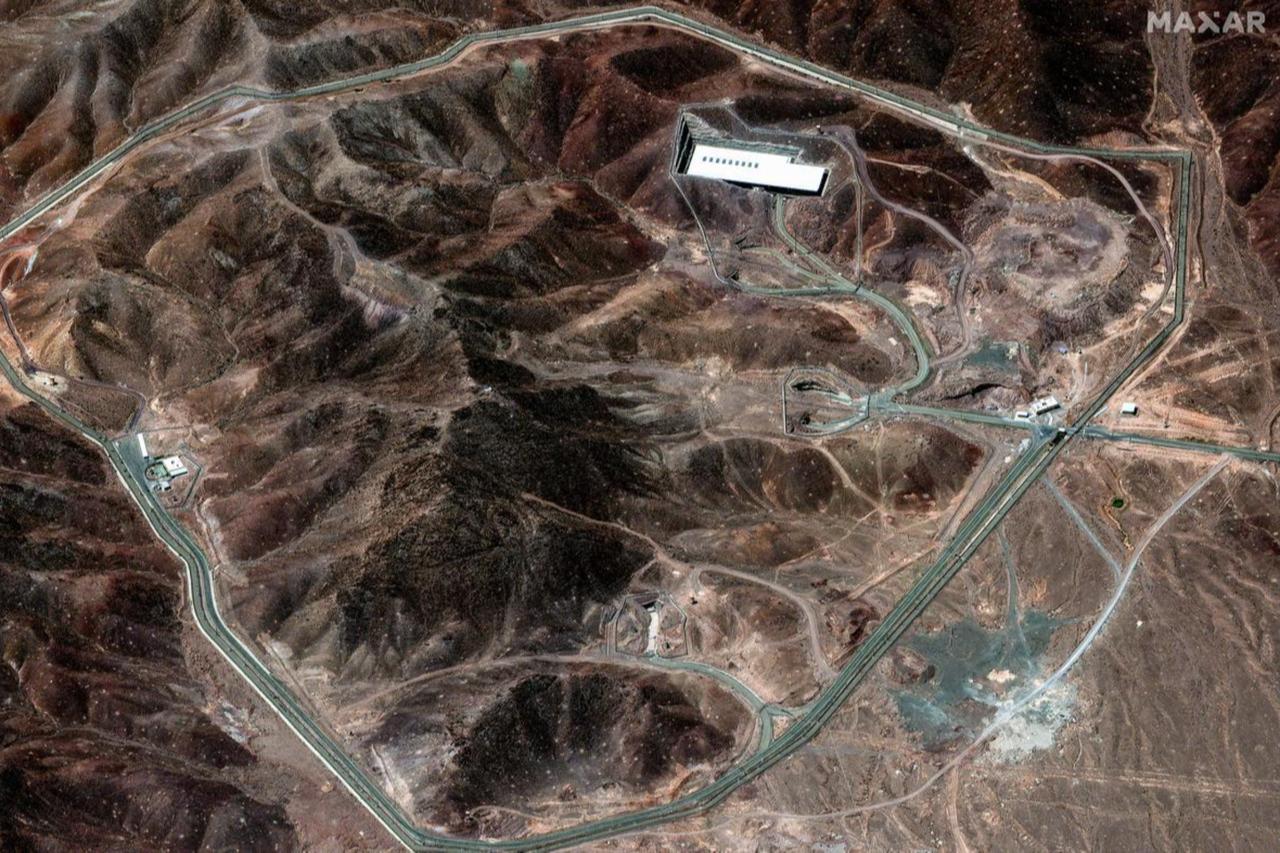


The United States asked Iran for a 20-year moratorium on uranium enrichment during the Islamabad talks.
Iran formally countered Monday with an offer of five years and significant dilution of its existing highly enriched uranium stockpile instead of removal, a counteroffer Trump has already rejected, according to senior officials from both sides cited by Axios and the New York Times (NYT).
U.S. negotiators led by Vice President JD Vance proposed a minimum 20-year halt to uranium enrichment during the Islamabad talks, a U.S. official and a source with knowledge told Axios.
"The United States suggested 20 years at a minimum with all kinds of other restrictions," a source familiar with the talks said.
Iran submitted a formal response Monday offering to suspend enrichment for up to five years, one quarter of the U.S. demand, according to two senior Iranian officials and one U.S. official cited by the New York Times.
"Trump has already rejected that offer," the U.S. official told the Times.

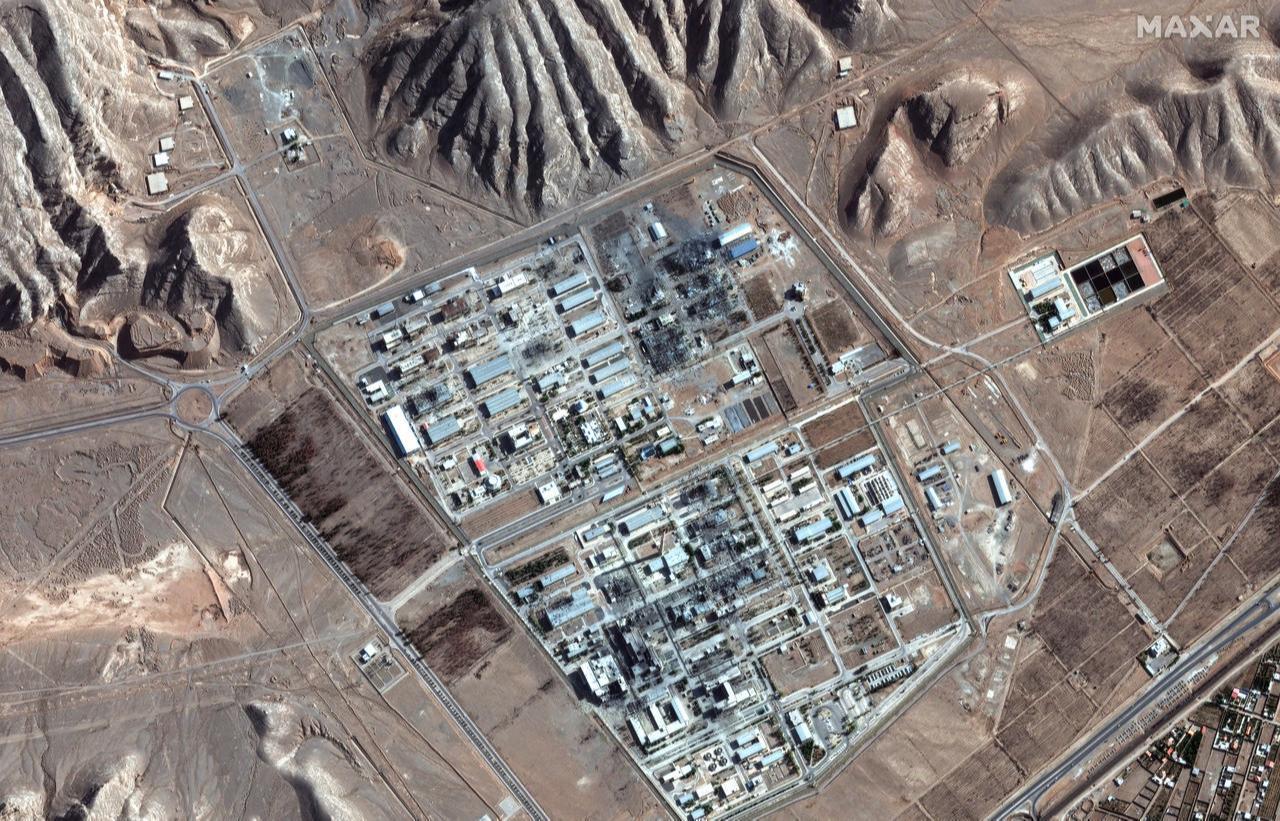
The U.S. also demanded that all highly enriched uranium be physically removed from Iran.
Tehran countered with an offer to "significantly" dilute its existing stockpiles rather than remove them, so that the fuel could not be used to produce a nuclear weapon.
The risk, as one official noted, is that Iran would retain possession of the material and could potentially re-enrich it to bomb-grade in the future.
An Iranian member of parliament who was part of the negotiating team, Seyyed Mahmoud Nabavian, confirmed Monday that the two U.S. nuclear demands were the reason no deal was reached.
Israeli Prime Minister Benjamin Netanyahu said Vance told him by phone on his way back to Washington that the main sticking point was removing all enriched material from Iran and ensuring no enrichment "in the coming years, and that could be in decades."
Despite the public framing of total failure, sources told Axios the Iranians believed they were close to an initial agreement by Sunday morning and were caught off guard by Vance's press conference.
"The Iranians were pissed off about that press conference," a source with knowledge said.
Vance gave no indication that a deal was close, blamed the Iranians, and announced that the U.S. delegation was leaving Islamabad, a sequence of events that Iranian officials saw as a diplomatic ambush rather than a mutual collapse.
Pakistani, Egyptian and Turkish mediators are now working to bridge the remaining gaps before the ceasefire expires April 21.
Pakistani Prime Minister Shehbaz Sharif said mediators were working to resolve remaining differences.
Egyptian Foreign Minister Badr Abdelatty is expected to visit Washington this week to meet Secretary of State Marco Rubio and other senior officials.
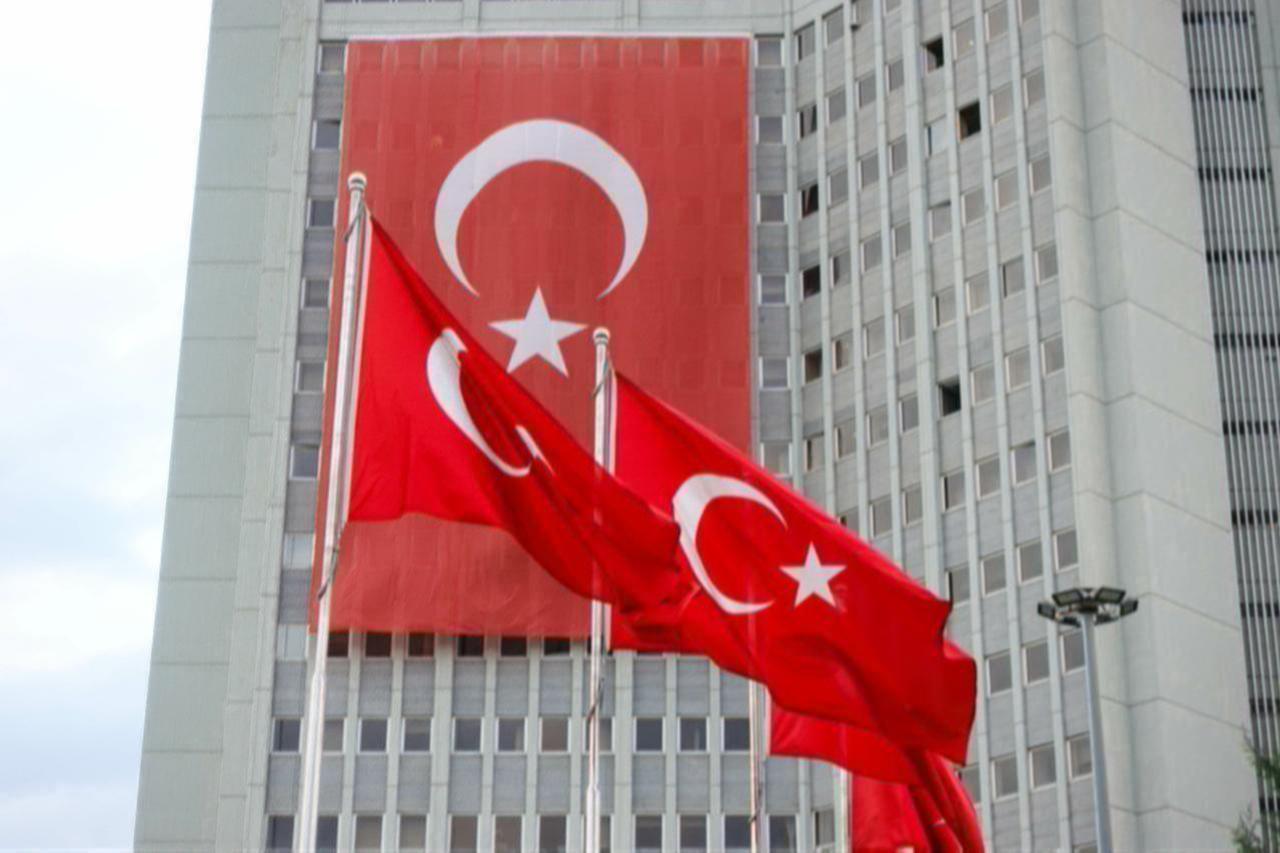
Turkish Foreign Minister Hakan Fidan and intelligence chief Ibrahim Kalin are also actively involved. Fidan told Anadolu Agency (AA) on Monday that initial positions are always maximalist and both sides remain sincere about the ceasefire.
He said a 45–60 day ceasefire extension could be considered.
"If the nuclear issue becomes an 'all or nothing' situation, especially regarding enrichment, I think we may encounter a serious obstacle," Fidan said.
Trump told reporters Monday that the White House had "been called this morning by the right people in Iran and they want to make a deal."
A U.S. official confirmed "continued engagement between the U.S. and Iran and forward motion on trying to get to an agreement."
There are also discussions about another round of in-person talks, though no plans have been finalized.


 Set as preferred source
 Set as preferred source



 1 min read