Newsletters


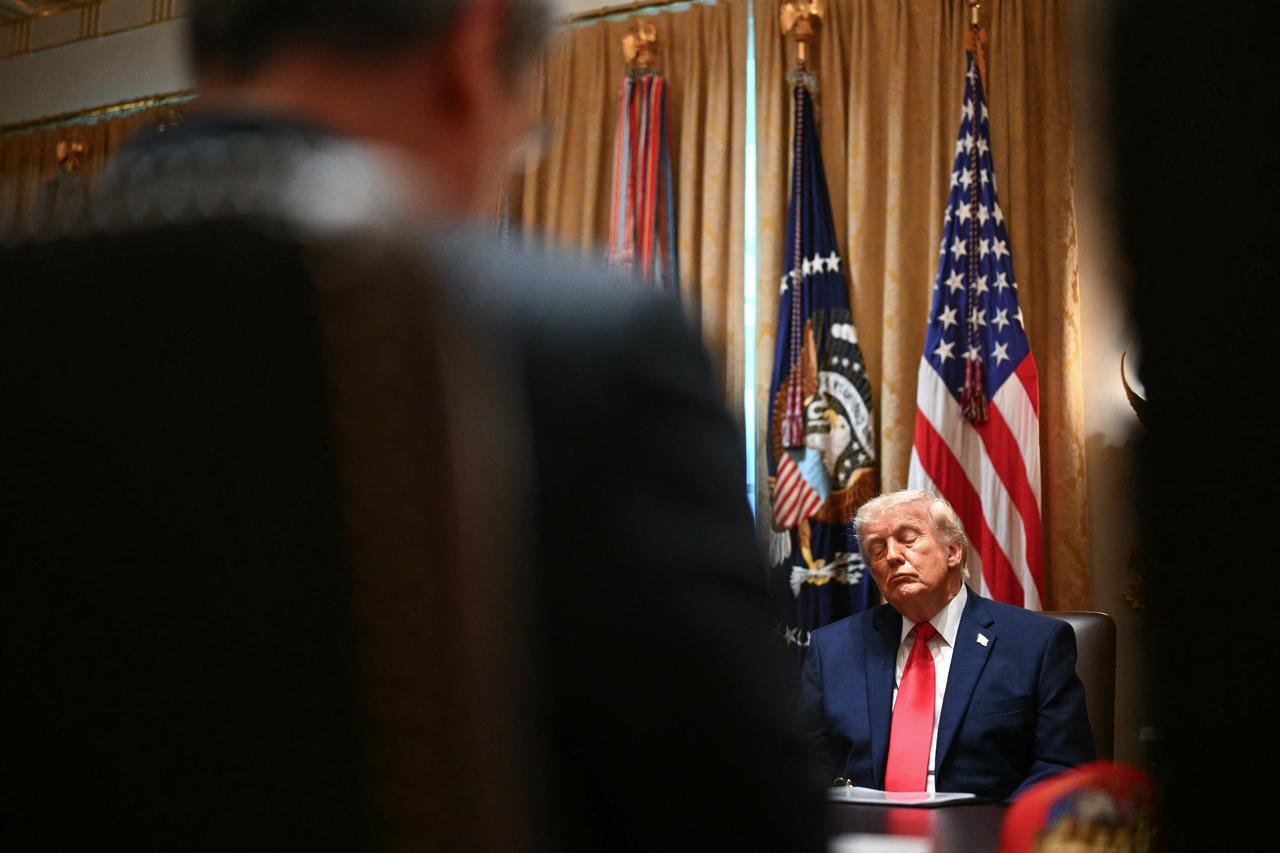


U.S. President Donald Trump sent Iran a revised version of the proposed peace framework with tougher terms, relaunching a round of back-and-forth that U.S. officials say could last a week, as Trump himself told Fox News that he is "in no hurry" and warned he would end the conflict "a different way" if he did not get what he wanted.
The revisions, reported Saturday by the New York Times (NYT) and Axios, came after Trump convened a two-hour meeting in the White House Situation Room that ended without a public announcement.
A White House official said afterward that Trump "will only make a deal that is good for America, satisfies his red lines, and makes sure Iran can never possess a nuclear weapon."
The NYT reported that three officials familiar with the matter said Trump amended elements of the draft agreement and sent the revised text back to Tehran, though the exact changes were not immediately made public.
Trump's principal concerns centered on provisions involving the unfreezing of Iranian assets, an arrangement he has consistently criticized in the context of the 2015 nuclear deal negotiated under then-President Barack Obama, and on the pace of Iran's response to U.S. proposals hammered out through intermediaries, including Pakistani officials.
Axios, citing a senior administration official and a second source briefed on the discussions, said Trump's specific requests focused on the clauses governing Iran's nuclear program.
In its current form, the memorandum of understanding included Iran's commitment not to pursue a nuclear weapon but contained no specific concessions beyond that. Trump wanted more precision," according to the report.
"It's more specifics about how the U.S. gets the material and the timing," a senior administration official told Axios, referring to Iran's enriched uranium stockpile.
A second Axios source said Trump also sought changes to the wording around the reopening of the Strait of Hormuz.
Officials said Trump's toughened proposal was also designed to pressure Iran into accepting the framework already submitted to Supreme Leader Mojtaba Khamenei for approval, rather than allow talks to drift. Reaching Khamenei has proved difficult, and any further changes to the text risk extending a process already measured in weeks.
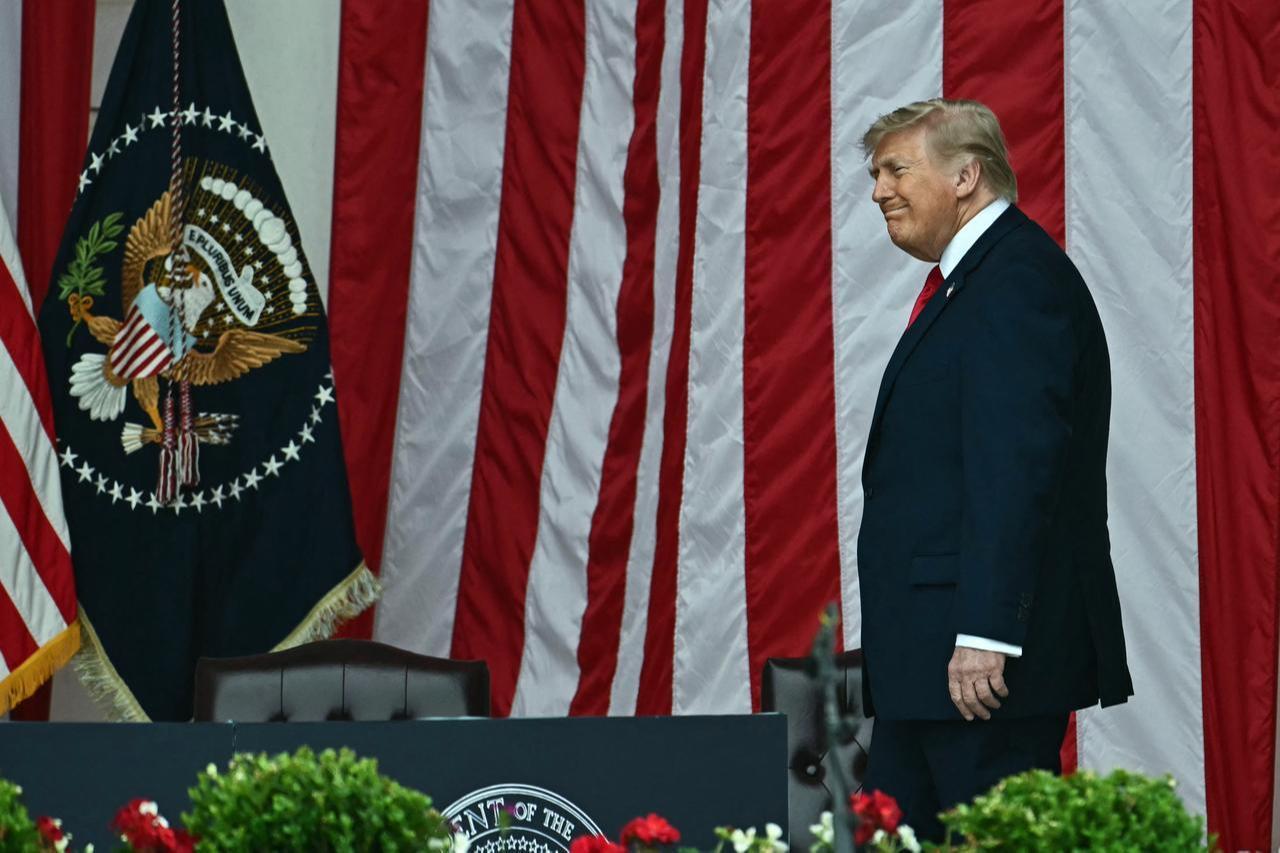

A senior U.S. official acknowledged the challenges of the moment with unusual candor. "They're literally in caves and they're not using email," the official told Axios, explaining why response times were running slow.
The official nonetheless expressed confidence that the deal would close, saying, "There will be a deal. The imminence of it, we'll see. We're willing to wait so the president gets what he asks for. It could be a week. It could be less. It could be more. At the turn of the week, we hope to have something."
Iranian officials told Iranian state media they had not approved the final text.
State media had earlier reported the deal was close and claimed Iran would receive billions in frozen funds as part of the arrangement. The White House denied that claim.
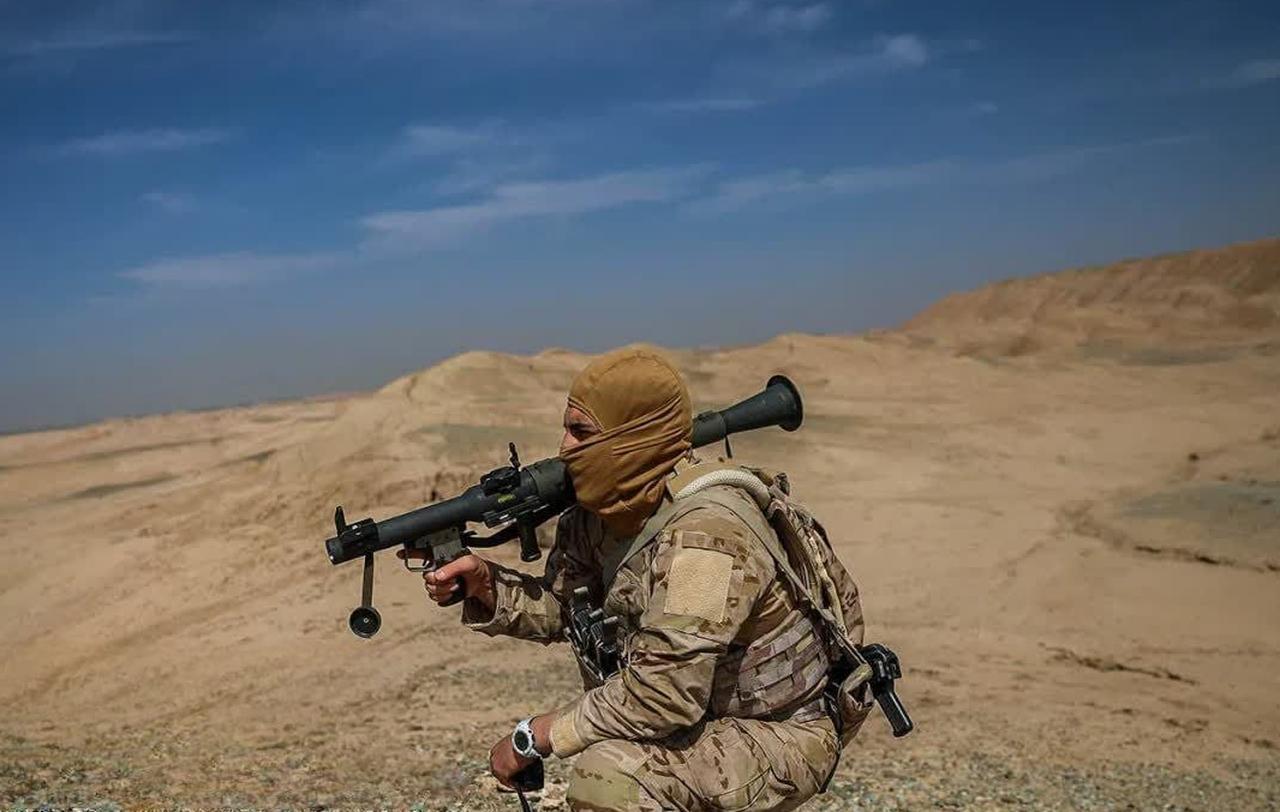
In a separate Fox News interview, Trump framed his approach to the Iran war through the lens of past U.S. military mistakes and explained why he chose to spare Iran's military from strikes.
"People would be surprised to hear that, because mistakes have been made in wars where you wipe out everybody, and then you have a country that can never rebuild for 40 years can never rebuild," Trump said, pointing directly to Iraq.
"You look at what happened with Iraq; we did so badly, that was such a foolish thing," he noted.
He repeated his claim that Iran would have acquired nuclear weapons had U.S. B-2 bombers not struck Iranian nuclear facilities last June.
On timing, he pushed back against any pressure to rush. "If you are in a hurry, you won't make a good deal," he said, calling the current talks "close to a very good deal."
On his core condition, Trump was unequivocal, though his characterization of the Iranian agreement was disputed. "The one guarantee that I have to have is that there will be no nuclear weapons; they've agreed to that," he said.
Iranian officials have not confirmed that the provision is included in the agreement.
He closed with a warning. "Slowly but surely, we're getting, I think, what we want, and if we don't get what we want, we're going to end it a different way."
Tensions in the Middle East have escalated since the U.S. and Israel launched strikes against Iran in late February.
Tehran retaliated with attacks targeting Israel and U.S. allies in the Gulf while closing the Strait of Hormuz.
A ceasefire took effect on April 8 through Pakistani mediation, but subsequent talks in Islamabad failed to produce a lasting agreement.
U.S. President Donald Trump later extended the truce indefinitely.
Iran and the U.S. have since continued exchanging proposals and counterproposals in an effort to resume direct talks and end the war.
U.S. officials have said a proposed framework could include a 60-day extension of the ceasefire and a roadmap for further negotiations.


 Set as preferred source
 Set as preferred source


 1 min read
 1 min read