Newsletters


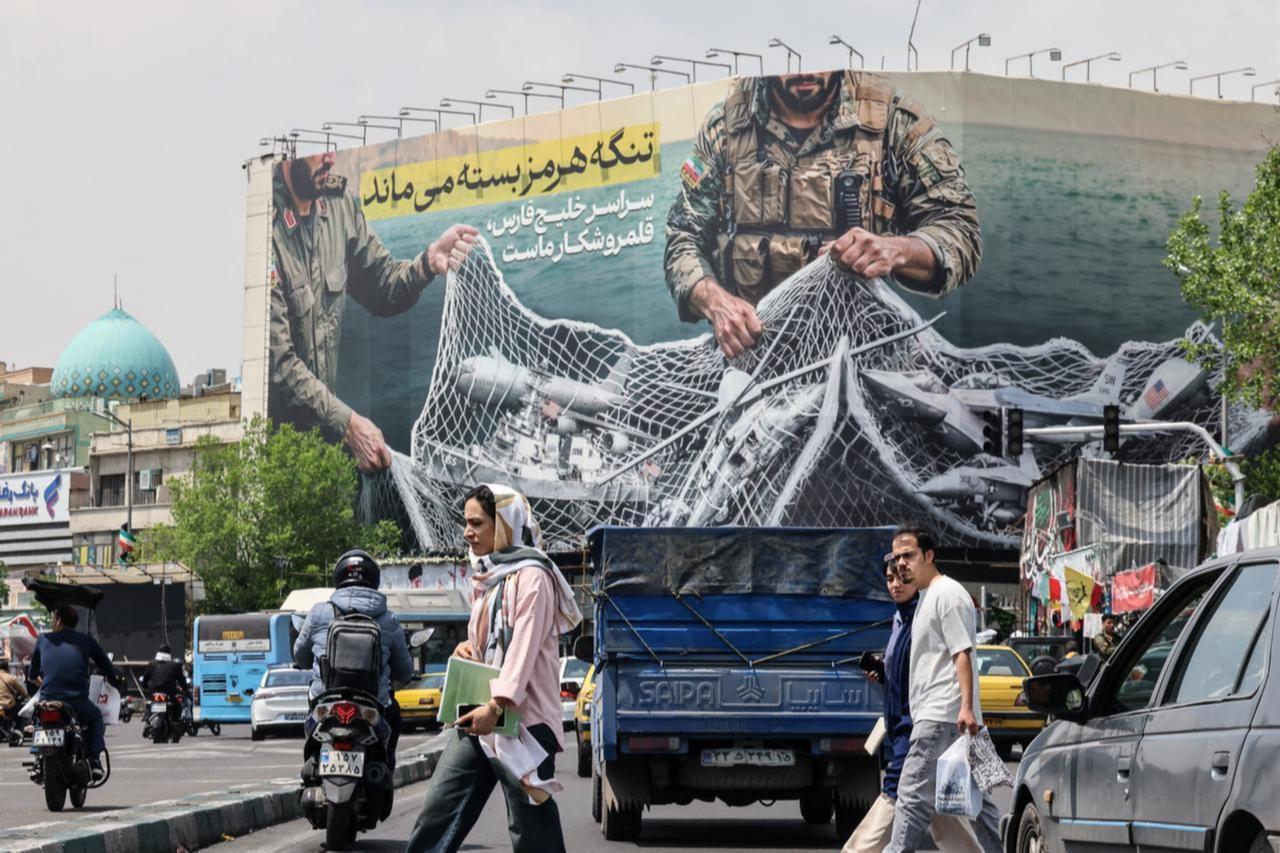


Iran's parliament is preparing to vote on legislation that would formally establish the country's management of the Strait of Hormuz, a move that would place Tehran's control of the strategic waterway into law, according to a senior lawmaker.
Alaeddin Salimi, a member of parliament's presiding board, announced Saturday that lawmakers had reached a final decision to advance the measure, which is expected to be brought before a public parliamentary session for debate and a vote.
All provisions of the bill will be reviewed and approved by parliament before taking effect, Salimi told Iran's semi-official Tasnim News Agency.
Salimi signaled that Tehran views the issue as a sovereign matter and would not accept outside pressure over how the waterway is managed. "Those who say the Strait of Hormuz must remain open should know that this issue concerns us. We will not allow others to decide for us," he added.
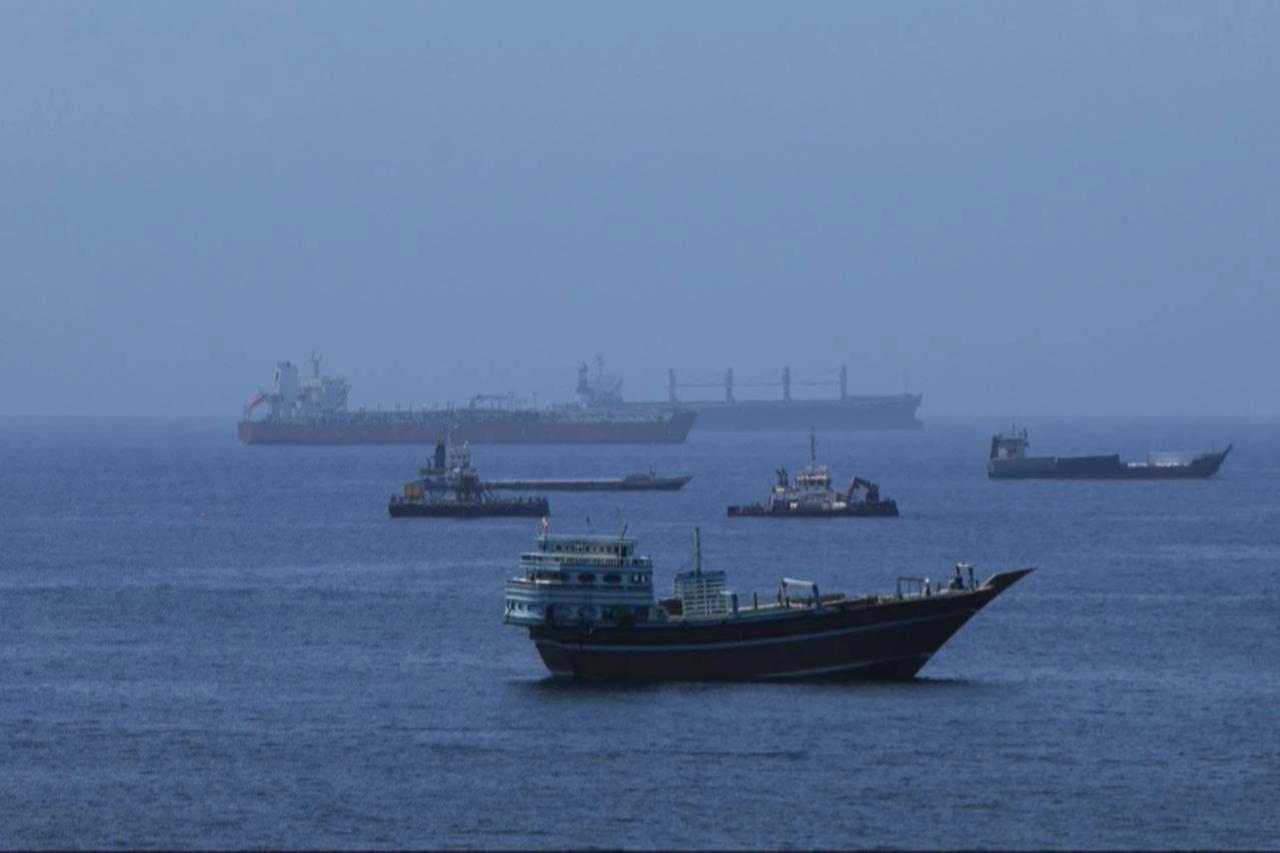
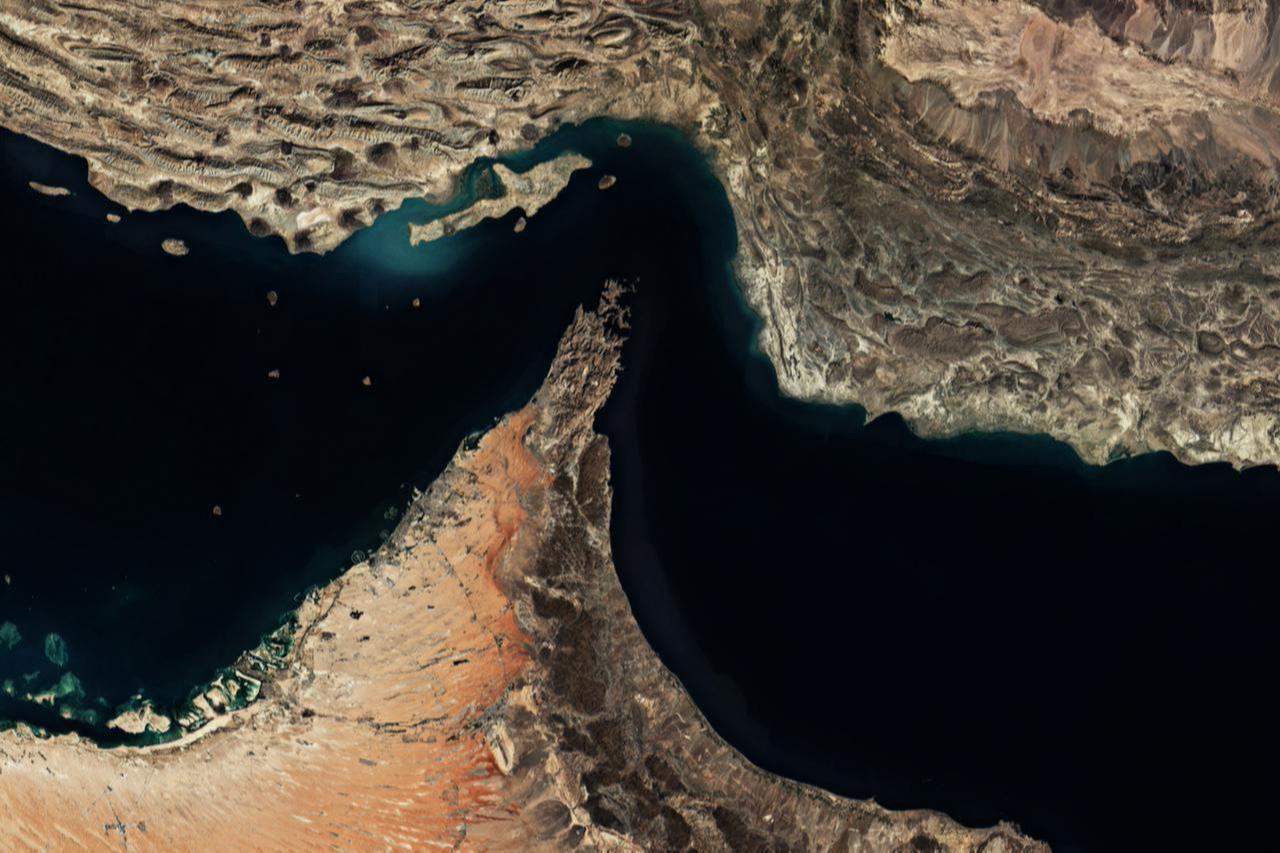
The Strait of Hormuz, located between Iran and Oman, remains one of the world's most important energy transit routes, carrying a significant share of global oil and gas shipments.
After the conflict erupted in late February, Iran's Revolutionary Guards moved to restrict passage through the strait, bringing shipping traffic close to a halt. Tehran later unveiled plans for a tolling system that would charge vessels seeking safe transit through the waterway.
Reports indicated that Iran requested payments of $1 per barrel from oil tanker operators, with some ships paying as much as $2 million.
Tehran also established the Persian Gulf Strait Authority (PGSA), a government agency tasked with authorizing and regulating maritime transit. The body was founded on May 5, 2026, and was immediately sanctioned by the United States.

Separately, Iran issued a warning Saturday to foreign military vessels, saying any attempt to interfere with its management of the Strait of Hormuz or disrupt navigation would trigger a military response.
According to state broadcaster IRIB, the statement came from Khatam al-Anbiya Central Headquarters, the country's highest joint military command coordinating operations between the armed forces and the Islamic Revolutionary Guard Corps.
The headquarters stated that the waterway is being managed "with full authority" by Iran's armed forces and that commercial vessels and oil tankers must follow designated routes and obtain authorization from the IRGC Navy.
"Any attempt by military vessels to interfere in the management of the Strait of Hormuz or disrupt navigation will be targeted by the armed forces of the Islamic Republic of Iran," the statement read.
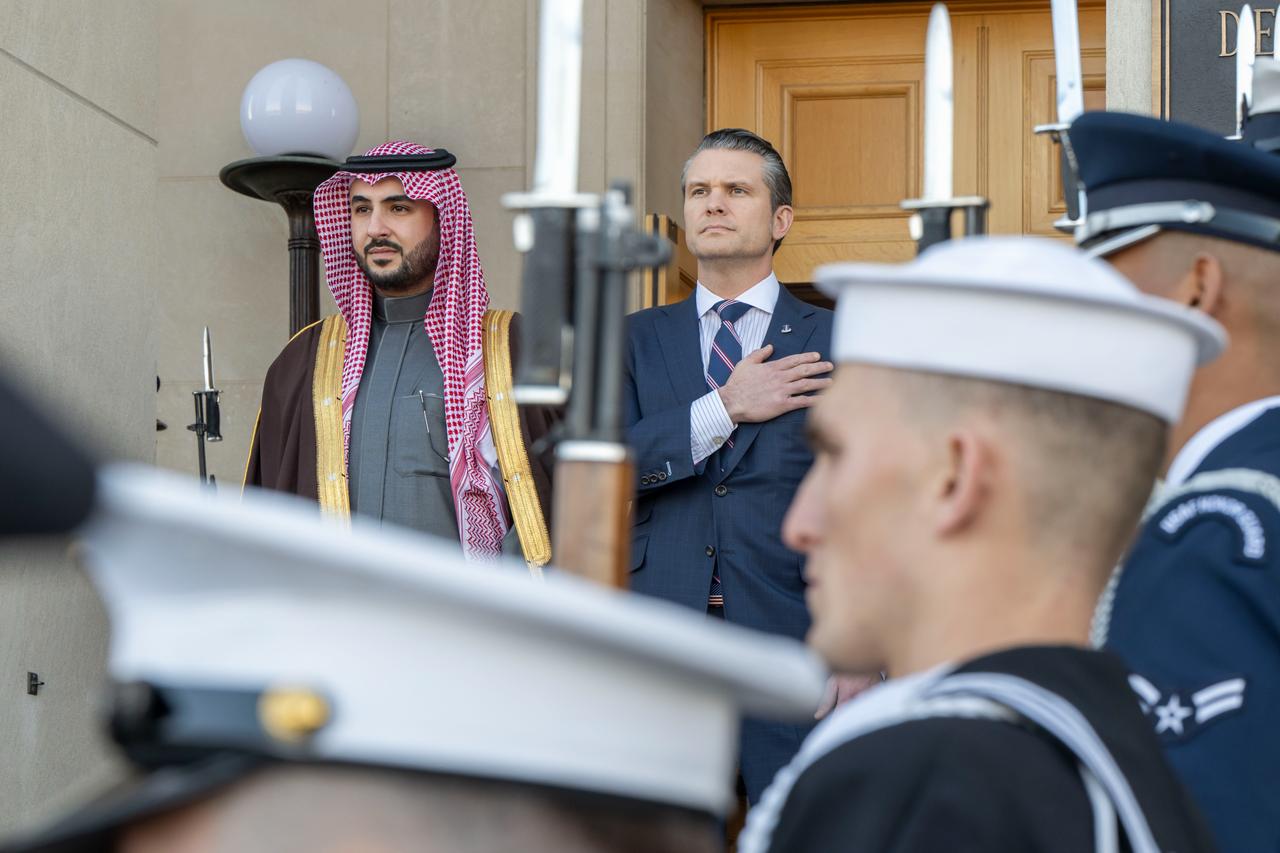
Earlier Saturday, U.S. Defense Secretary Pete Hegseth rejected Iran's assertion that it controls the strait. "They want to say that they control the strait, but we do," Hegseth said, arguing that ongoing developments and negotiations show the United States remains in control of the strategic waterway.


 Set as preferred source
 Set as preferred source


 1 min read

 1 min read