Newsletters


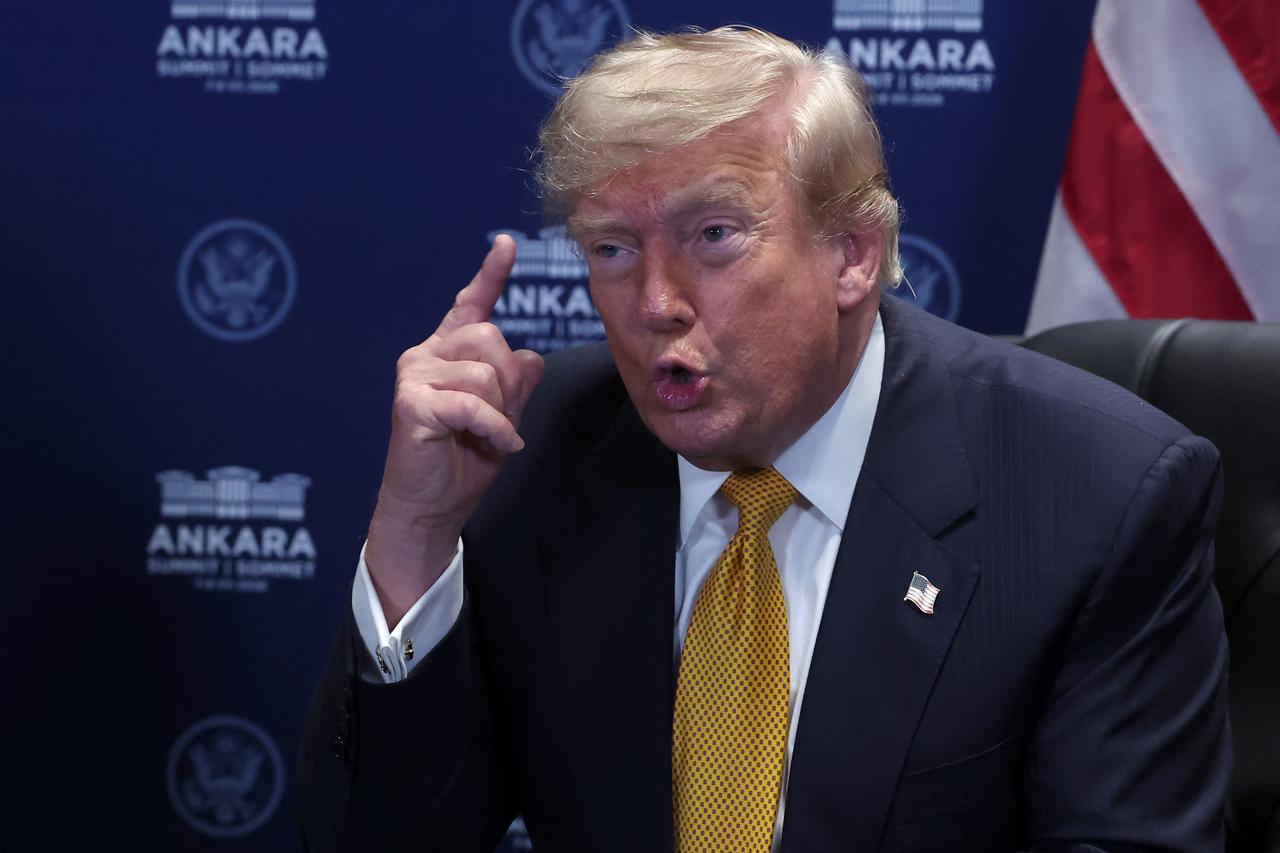


U.S. President Donald Trump declared that the ceasefire with Iran is "over" following renewed exchanges of fire around the Strait of Hormuz, casting doubt on any immediate return to diplomacy.
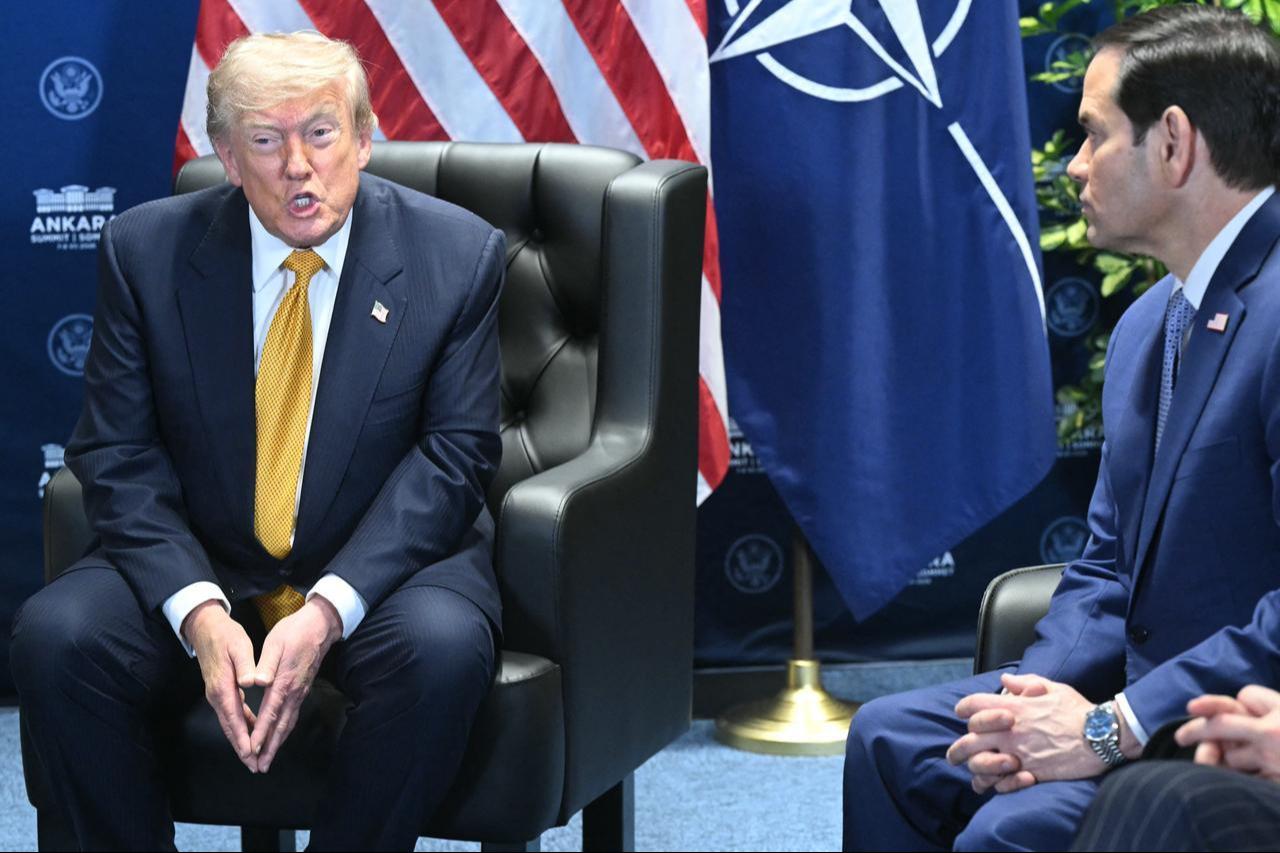
Speaking to reporters on Wednesday on the sidelines of the NATO leaders' summit in Ankara, Trump dismissed the prospects of further negotiations with Tehran, arguing that Iranian leaders had repeatedly acted in bad faith and could no longer be trusted.
"The ceasefire is over. I don't want to deal with this scum anymore," Trump said. "They're liars, they're cheats, they're sick people. These are evil, sick people, and we have to cut out their cancer."
Trump also indicated that, despite his own position, U.S. negotiators could continue contacts with Iranian officials if they chose to do so, though he described further talks as a "waste of time."
Trump's comments came after Iran announced it had launched missiles and drones at U.S. military facilities in Bahrain and Kuwait following a new wave of U.S. strikes on Iranian targets.
Tehran said the operation targeted the U.S. Navy's Fifth Fleet headquarters in Bahrain and Ali Al-Salem Air Base in Kuwait, describing the attacks as retaliation for U.S. strikes carried out after commercial vessels came under attack in the Strait of Hormuz.
Referring to the latest escalation, Trump defended the U.S. military response, saying, "We hit them very hard last night, very hard. I would say 20 to 120 times tougher. And I told them every time you hit, we hit."
The exchange further undermined the Islamabad Memorandum of Understanding, signed on June 17, which halted military operations and opened a 60-day window for negotiations on Iran's nuclear program, sanctions relief and maritime security.

The agreement also called for the reopening of the Strait of Hormuz and launched a 60-day negotiating process covering Iran's nuclear program, sanctions relief, maritime security and mechanisms to prevent further military incidents, with Pakistan and Qatar serving as mediators. A high-level committee and several technical working groups were established to oversee the process.
The latest round of indirect talks was held in Doha on July 1, where U.S. and Iranian negotiators focused primarily on maritime security in the Strait of Hormuz, implementation of the memorandum and the release of frozen Iranian funds, rather than the broader nuclear dispute. Qatari mediators described the discussions as making "positive progress."
Following the meeting, the mediators announced that negotiations would resume after the funeral ceremonies for Iran's Supreme Leader Ali Khamenei.
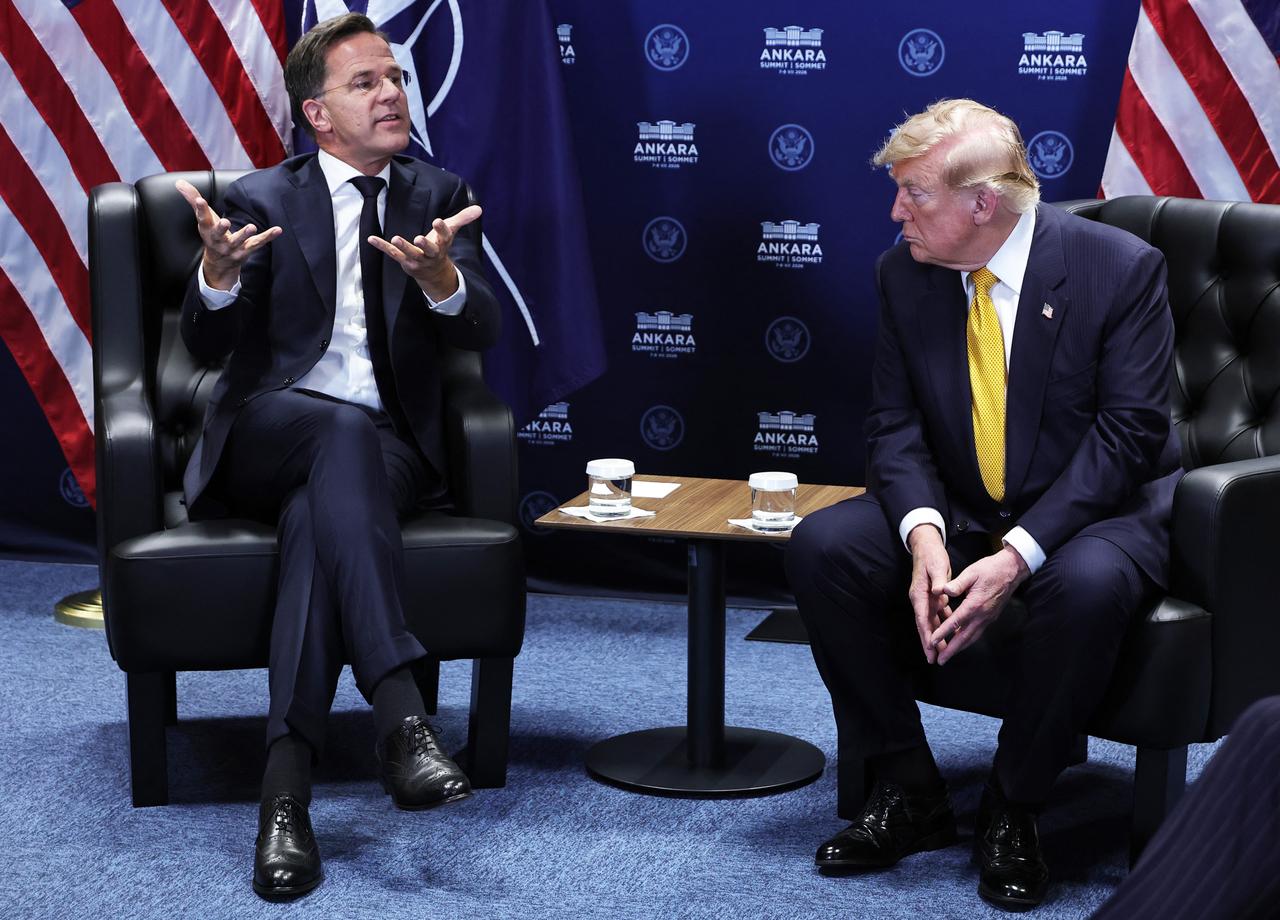
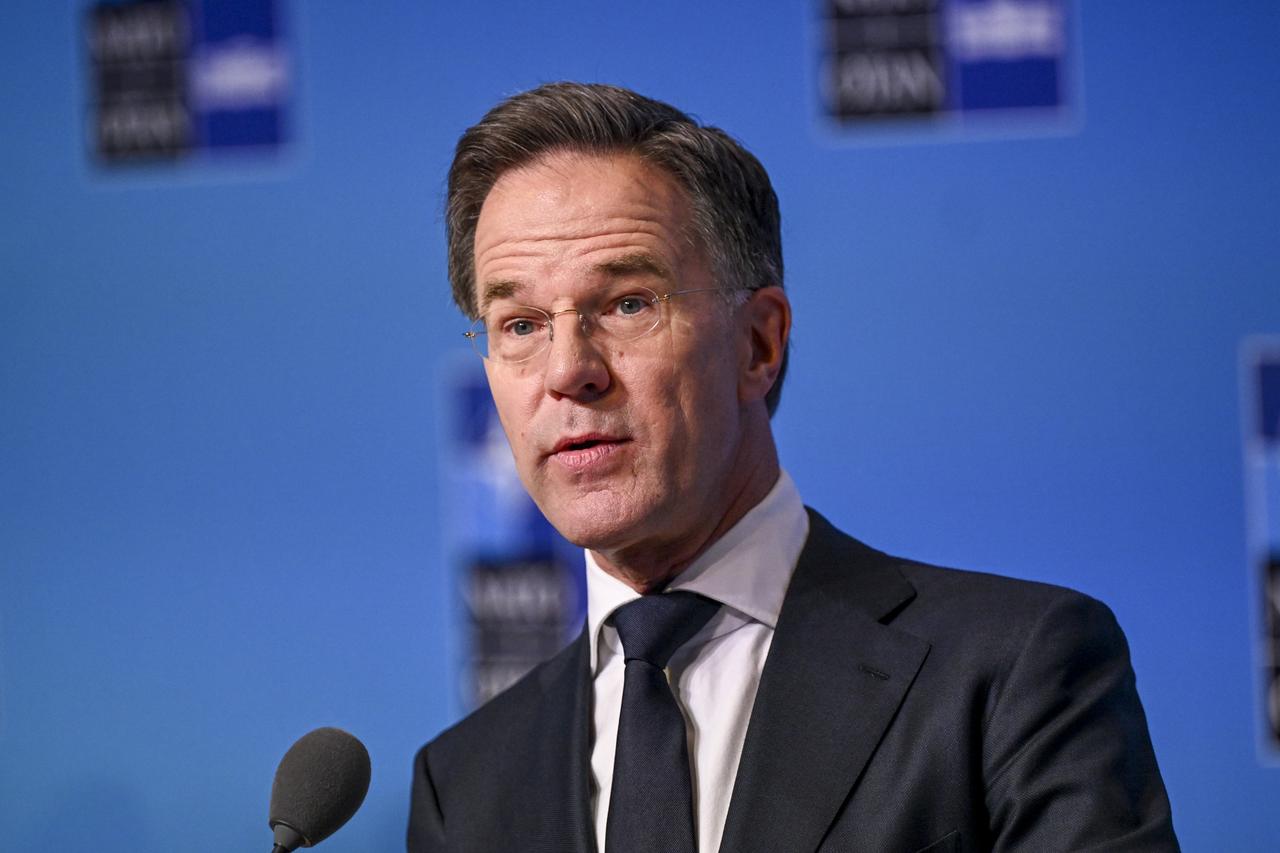
NATO Secretary-General Mark Rutte strongly backed the U.S. military operation against Iran, calling the overnight strikes "absolutely necessary" and describing them as "a very strong response" to Tehran's latest actions.
Responding to Trump's criticism that key European allies had failed to support Washington during the conflict, Rutte pushed back, arguing that European participation had been far broader than the U.S. president suggested.
"I would say these are isolated cases: 5,000 planes taking off from European airports in support of Epic Fury... including countries you mentioned, Germany, from day one, France, and many others," Rutte said, rejecting Trump's assertion that major allies had stayed on the sidelines.
Rutte also praised Trump for reshaping NATO's defense posture, telling the U.S. president that his pressure had helped secure higher military spending commitments across the alliance.
"It's really important what you have achieved, and this is a huge win ... Without you in this chair, this would not have happened. It is, of course, because of Russia, but also because of you. You made this happen," Rutte said.


 Set as preferred source
 Set as preferred source


 1 min read
 1 min read