Newsletters


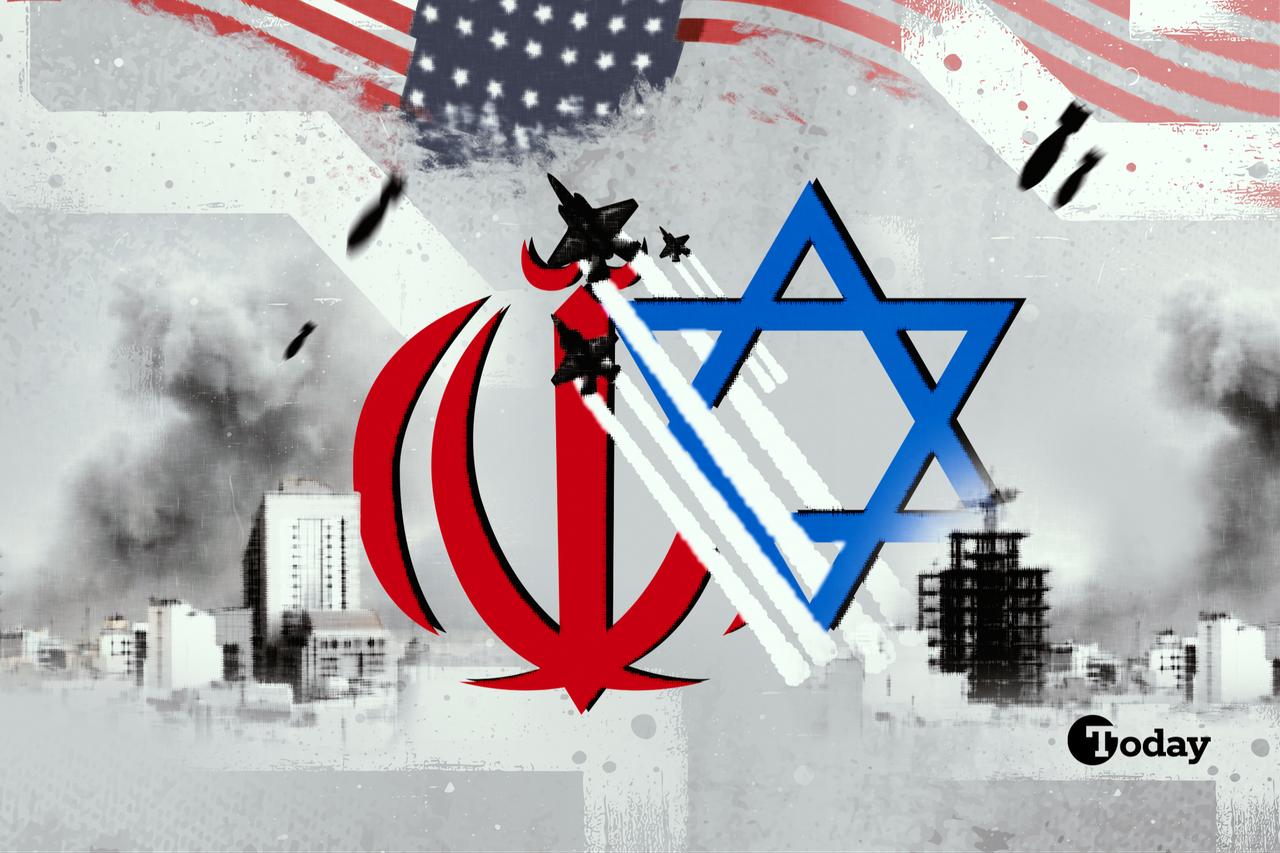


The Iran war brings about many uncertainties, especially given the U.S. administration's unclear endgame.
The internal resilience of the Islamic Republic has come under renewed scrutiny in the wake of the escalating confrontation between Iran and the forces of the U.S. and Israel.
The conflict has unfolded against a backdrop of persistent domestic unrest, economic strain from long-standing sanctions, and an intensifying power struggle over succession following the death of Supreme Leader Ali Khamenei.
In this context, Mark A. Fowler, a former senior officer with 21 years of experience in the CIA’s National Clandestine Service and a specialist on Iran and Iraq, offers his assessment of the structural dynamics within Iran’s security institutions, the durability of the clerical system, and the possible trajectories for the Islamic Republic should military pressure and domestic unrest intensify.
Are decision-making weaknesses within the IRGC, Artesh, and intelligence services mainly driven by internal structural and ideological factors rather than external pressure?
Fowler: The IRGC and Artesh have historically been competitive and wary of cooperating, as have Iran’s intelligence organizations, rendering them less than fully effective. I believe this has been largely surmounted by replacing senior leadership within each of these organizations with individuals loyal, or at least beholden, to the IRGC/clerical leadership; if not by true belief in the clerical system, then by self-interest (corruption).
Personal ties between senior officers is the glue that binds them all; many, if not most, of the current senior leaders fought together in the Iran-Iraq war and have long histories. But these organizations are subject to a rigid, centralized command structure, slowing down decision-making, particularly under fast-moving wartime conditions.
The highly ideological, religious nature of the Iranian government, that is, the supreme leader at the top, tends to skew analysis and decision-making at operational levels; thus, this is more of an internal weakness.

Could sustained U.S., Israeli military pressure combined with domestic unrest trigger regime change, and what role would the security forces or the IRGC play?
Fowler: This would depend on the scale and duration of the military pressure. It might, but the internal Iranian opposition is at least outwardly leaderless and fragmented, and will need time to coalesce and gain popular support, including working with outside Iranian groups. They would also require continued military support to overcome the strength of Iran’s internal security forces until they can stand on their own.
The key to success in replacing the clerical regime is if/when Iranian security forces refuse to fire on their own people. It is possible that the IRGC could opt to cast aside the Clerical system and assume direct control over the government in order to remain in power.
How disruptive are targeted killings of senior IRGC and intelligence leaders to coordination and operations?
Fowler: This no doubt has disrupted both military and intelligence operations to some extent; however, a system of rapid succession is in place, allowing subordinates to assume leadership roles vacated by casualties. It appears they are effectively continuing to operate, for now.
Do leadership losses harden resistance or weaken the regime over time?
Fowler: I would say initially it would harden resistance. But as losses continue and deepen, individual survival instincts are likely to kick in, causing the command structure to begin to unravel. As internal security fragments, societal resistance should increase.
Can continued decapitation operations destabilize the regime, or will succession mechanisms preserve control?
Fowler: In the near term, as we are seeing, the system of succession will be able to maintain control of the government, at least outwardly. Decapitation operations would need to continue unabated as individuals step into senior positions. During this period, the regime will continue to conduct military operations as long as possible, likely increasing in intensity, in hopes of halting hostilities. New regime leadership would also likely attempt to resume diplomatic talks to obtain a truce.
If legitimacy declines, is IRGC dominance the most likely outcome regardless of who formally leads?
Fowler: Obviously, they have. Any of these is possible, of course. As of now, they appear to remain committed to electing a new supreme leader. If they opt for another way forward, the most likely scenario is that the IRGC would assume control, either directly or indirectly, perhaps in conjunction with the individuals you cite, or someone else as a figurehead. If the regime remains intact, regardless of who is at its head, the IRGC will have significant influence.
Could the IRGC sideline the clerical leadership and assume de facto control without changing core policies?
Fowler: This is very possible, but probably not in the near term. If the situation continues to deteriorate, they could jettison the SL construct and either assume direct control or install an individual whom they would control behind the scenes. This would probably not alter most of the regime’s core principles and policies.
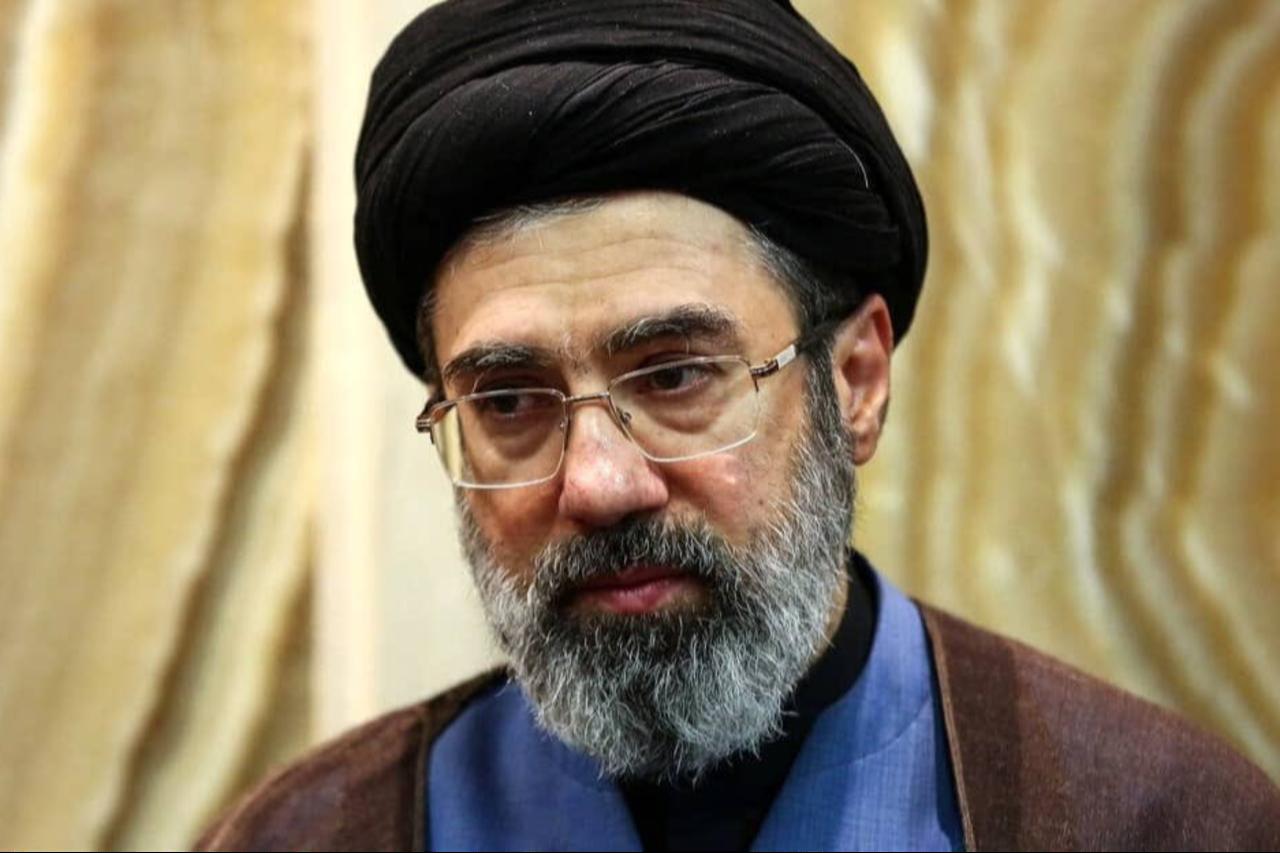
Is Mojtaba Khamenei’s potential succession realistic, and would it depend on IRGC backing?
Fowler: While Khamenei has been floating this as an idea for some time, it has largely not been well accepted and has been explicitly rejected by many as akin to a monarchy. It is unlikely to occur unless the IRGC steps in to insist.
How likely is fragmentation if the central authority weakens?
Fowler: This is a wildcard. Ethnic minorities largely consider themselves “Iranian,” but there is dissatisfaction and there are almost certain to be individuals/groups that promote separation and actually attempt to bring it about if the central government weakens significantly or collapses. It would cause chaos internally.
How would regime change affect Shiite geopolitics and Iran’s regional proxies?
Fowler: This would be a major blow to Pan-Shiism. It would certainly weaken Shiite and Sunni Iranian proxies throughout the region. Arab Shiite groups are unlikely to effectively fill the gap. They simply don’t have the money or resources, and would likely struggle to maintain a unified front.


 Set as preferred source
 Set as preferred source


 7 min read