Newsletters


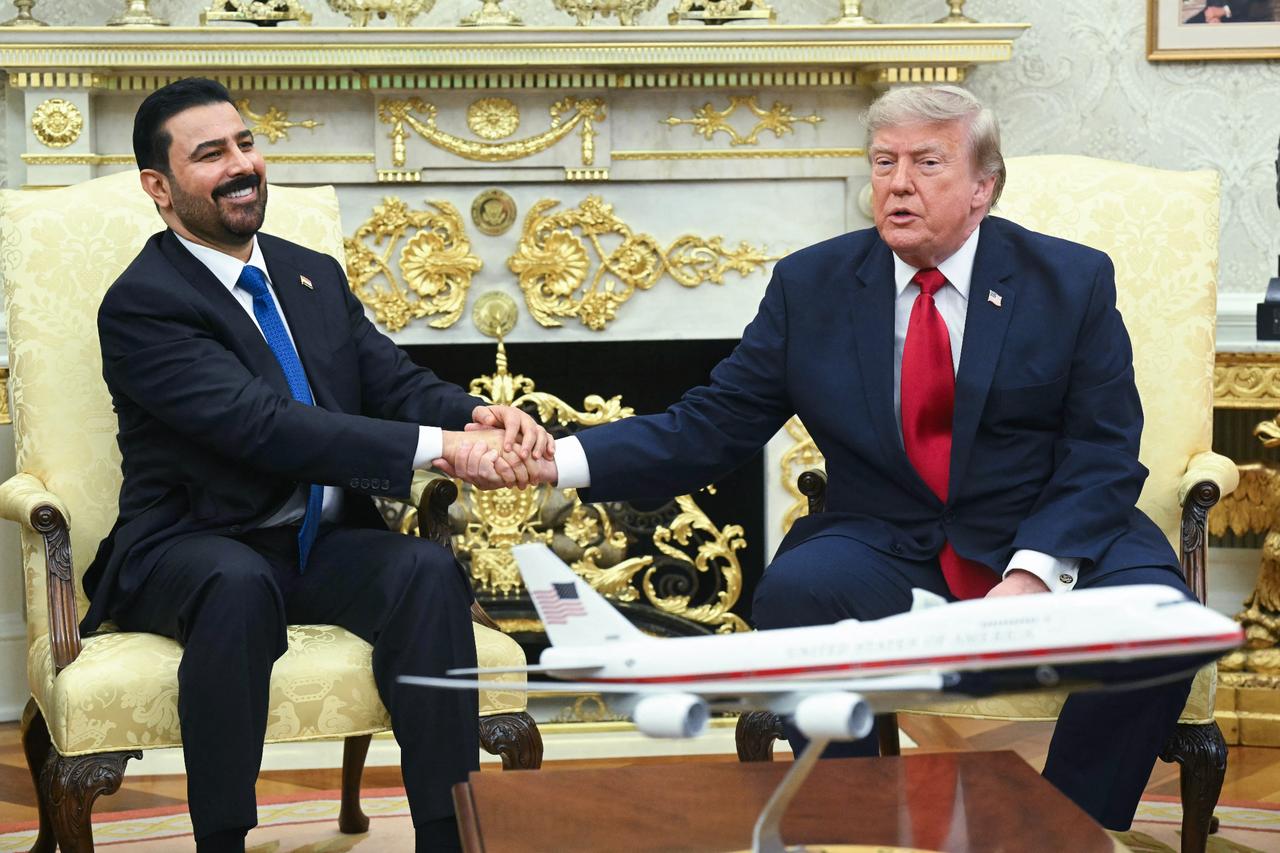


U.S. President Donald Trump reversed course Tuesday on a plan to charge ships a 20 percent transit fee in the Strait of Hormuz, saying he would replace the toll with trade and investment agreements from Gulf states, as he welcomed Iraq's new prime minister for high-stakes Oval Office talks dominated by the specter of Iran.
Speaking alongside Prime Minister Ali al-Zaidi, Trump said he had been persuaded to drop the tolling plan after a round of calls from Arab heads of state. "I was called by different people, different countries, kings and emirs and all the people that we all know and love," he said.
"They said we'd love to do it a different way." The president said the Gulf nations' offer to invest in the United States instead was ultimately more appealing. "That was very satisfactory to me. I think it's actually much better."
Trump announced he had decided to swap the previously declared 20 percent reimbursement fee, to have been levied on cargo transiting the strait, for trade and investment deals to be concluded between Gulf states and the United States.
The decision marked a sharp pivot from a policy unveiled just a day earlier.
Even as he abandoned the plan, Trump defended the original concept, arguing it was never a toll in the traditional sense but rather compensation for the security umbrella Washington provides. "It was never fair to me that we would be guarding the strait when we basically don't take anything," he said.
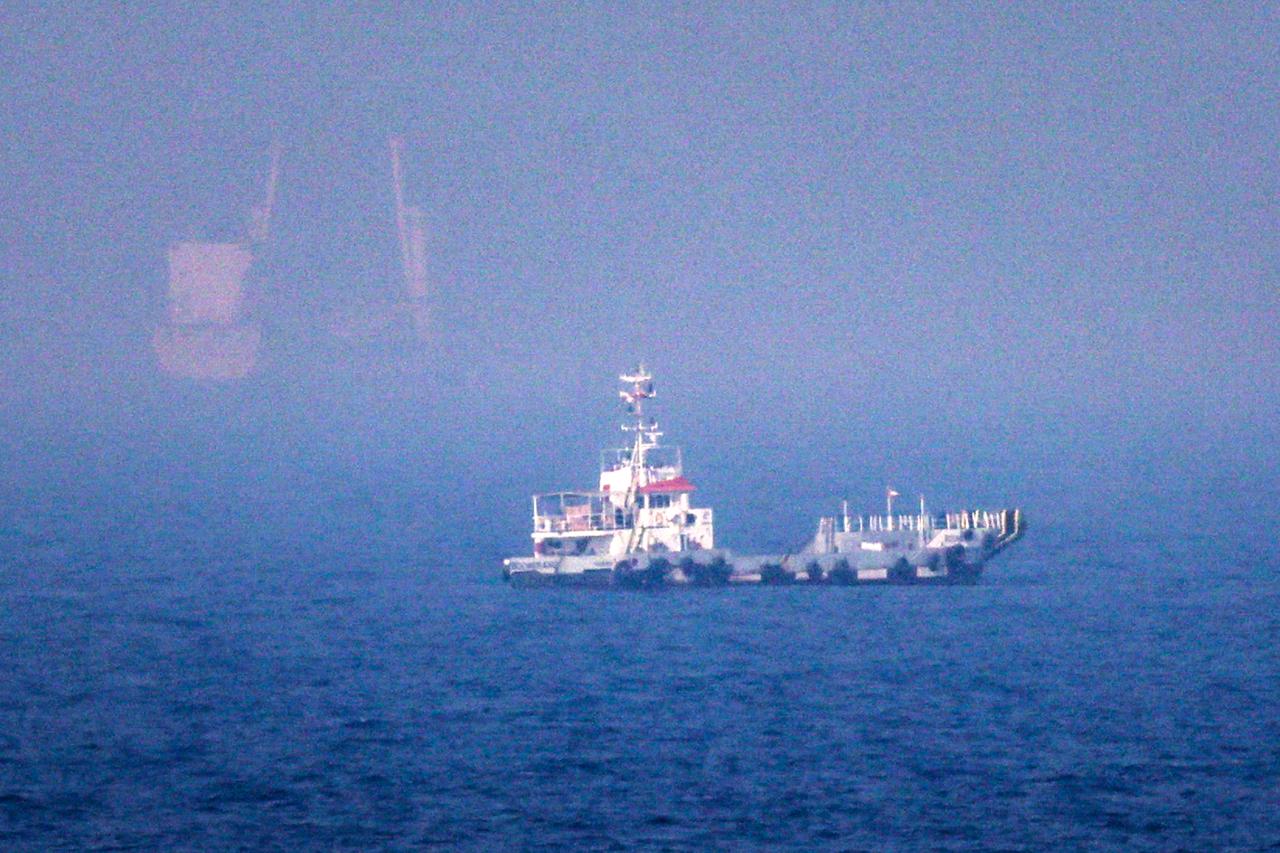
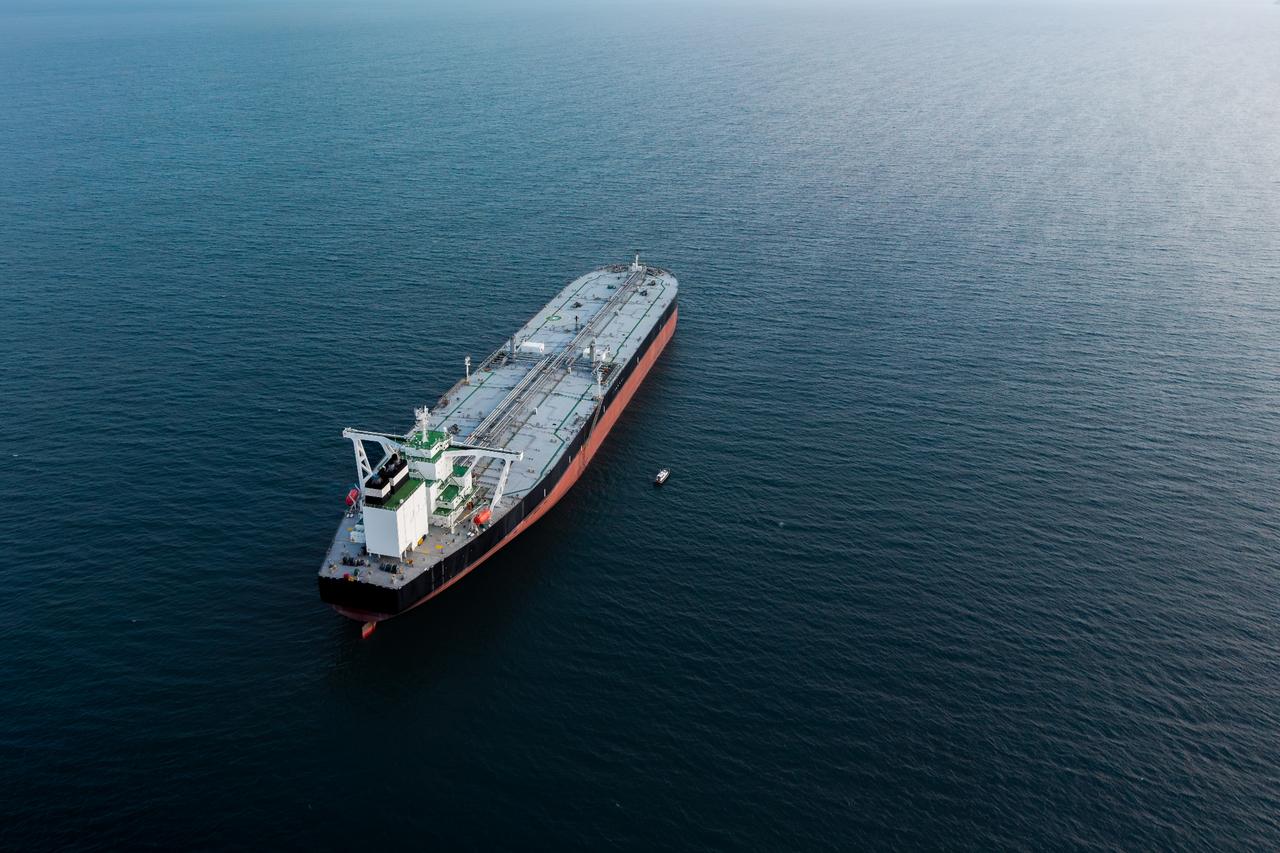
The Strait of Hormuz, a narrow waterway between Iran and Oman through which roughly 20 percent of the world's seaborne oil supply typically passes, has been at the center of escalating military and diplomatic tensions between Washington and Tehran since the U.S.-Israel war on Iran began in February.
Trump was unambiguous that the policy shift applied only to non-Iranian shipping.
"The Strait of Hormuz is open to all ship traffic, except for Iran," he said. The United States has reinstated a naval blockade targeting Iranian vessels and Iranian-bound cargo, even as it moves to guarantee passage for other nations.
Asked whether he regretted temporarily easing sanctions on Iran before his administration reimposed them and resumed military strikes, Trump was direct. "No, I gave them a chance," he said.
"I wanted to give them a chance at making a deal."
The administration had granted sanctions waivers as part of a memorandum of understanding with Tehran, but revoked them after Iranian forces attacked commercial vessels near the strait last week, triggering the restoration of the naval blockade and a new wave of U.S. military strikes.
Trump used the occasion to offer a pointed assessment of Iran's broader conduct. "Iran was the bully of the Middle East," he said, accusing Tehran of intimidating Iraq and other nations across the region.
"There was fear everywhere in the Middle East. There is no more fear." He added that responsibility for the renewed hostilities lay squarely with Tehran. "They fired first, and firing first was a big mistake."
In a separate development from the Oval Office meeting, Trump said a bipartisan sanctions package currently targeting Russia could soon be broadened to include Iran and Hezbollah as well. "They're going to add Iran, which is a very big thing," he said.
"They may add Hezbollah, too." The legislation has gained momentum on Capitol Hill following the death of Republican Sen. Lindsey Graham, who had championed the measures for years.
Trump said the bill now had a "good chance" of passing once its details were settled. "Lindsey wanted it very badly," he said. "This is in honor of Lindsey."

The White House meeting with al-Zaidi, a businessman and political newcomer installed as Iraq's prime minister in May, focused heavily on Iran's regional influence and Baghdad's efforts to rein in Iran-backed militias operating on Iraqi soil.
Trump, who had publicly backed al-Zaidi's candidacy and blocked a rival he viewed as too close to Tehran, greeted the premier warmly.
A Trump administration official said ahead of the talks that Washington would make decisions about its relationship with Iraq based on Baghdad's progress in dismantling those militia networks.
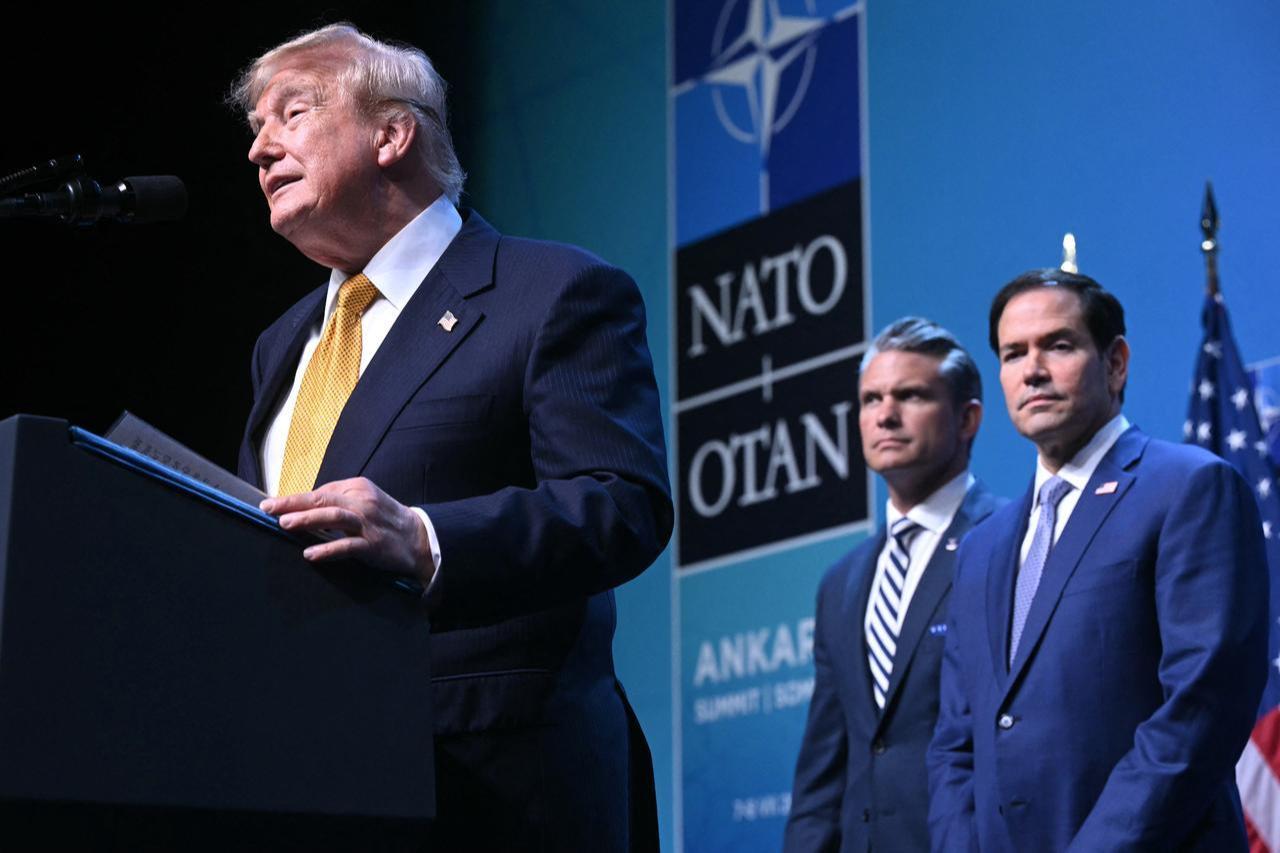
Trump also offered an enthusiastic assessment of the recently concluded NATO Leaders Summit held in Ankara, Türkiye. "It was extraordinary," he said. "To be honest, it was a total lovefest. It was incredible."


 Set as preferred source
 Set as preferred source


 2 min read
 1 min read