Newsletters


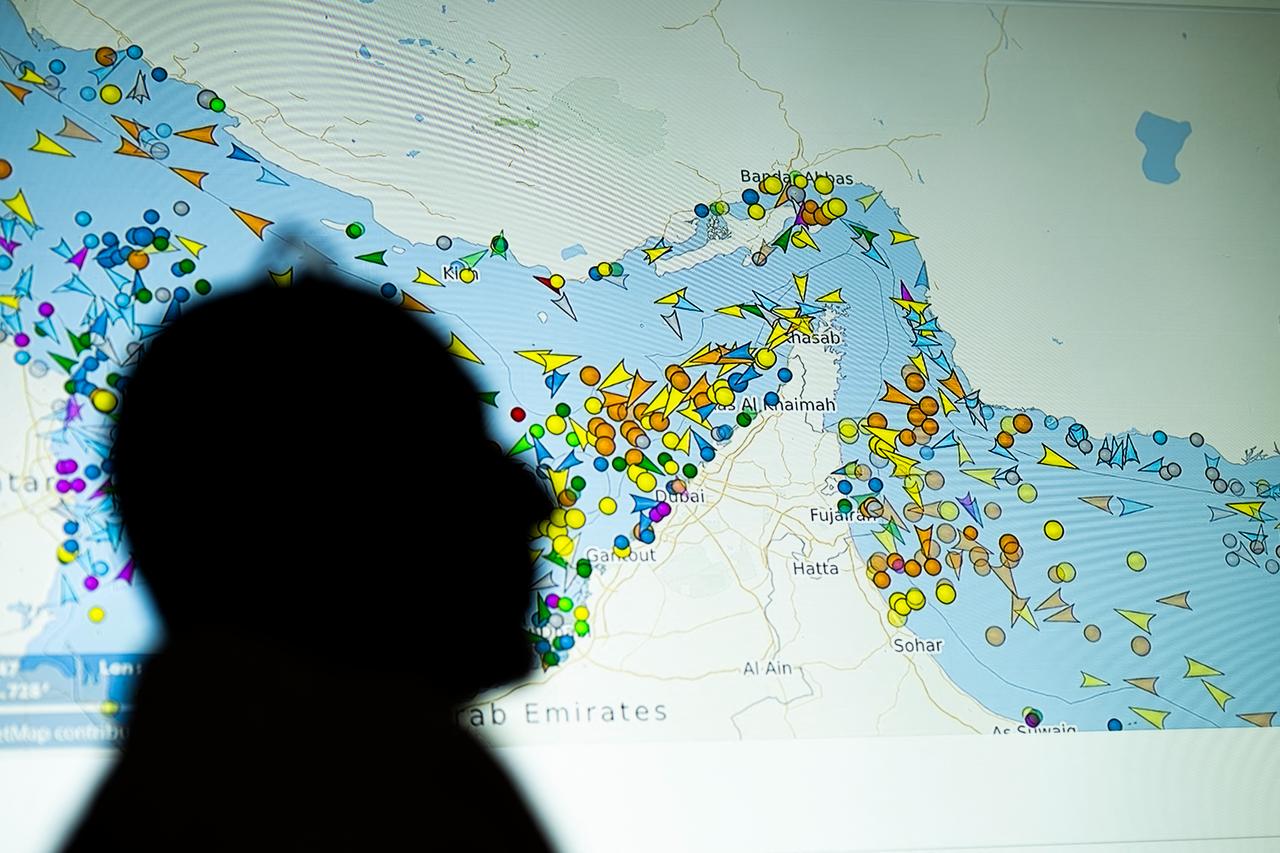


U.S. President Donald Trump’s proposed 20% security fee on Strait of Hormuz cargo would cost a single fully loaded supertanker roughly $32 million at current oil prices—a plan that has triggered alarm and skepticism from shipping industry figures and global leaders.
The estimate is based on current oil prices of about $80 per barrel and the roughly 2 million barrels of crude a supertanker can carry, according to Bloomberg calculations.
"By comparison, Iran had been charging as much as $2 million per voyage on an ad hoc basis in past months," according to people familiar with the matter cited by Bloomberg.
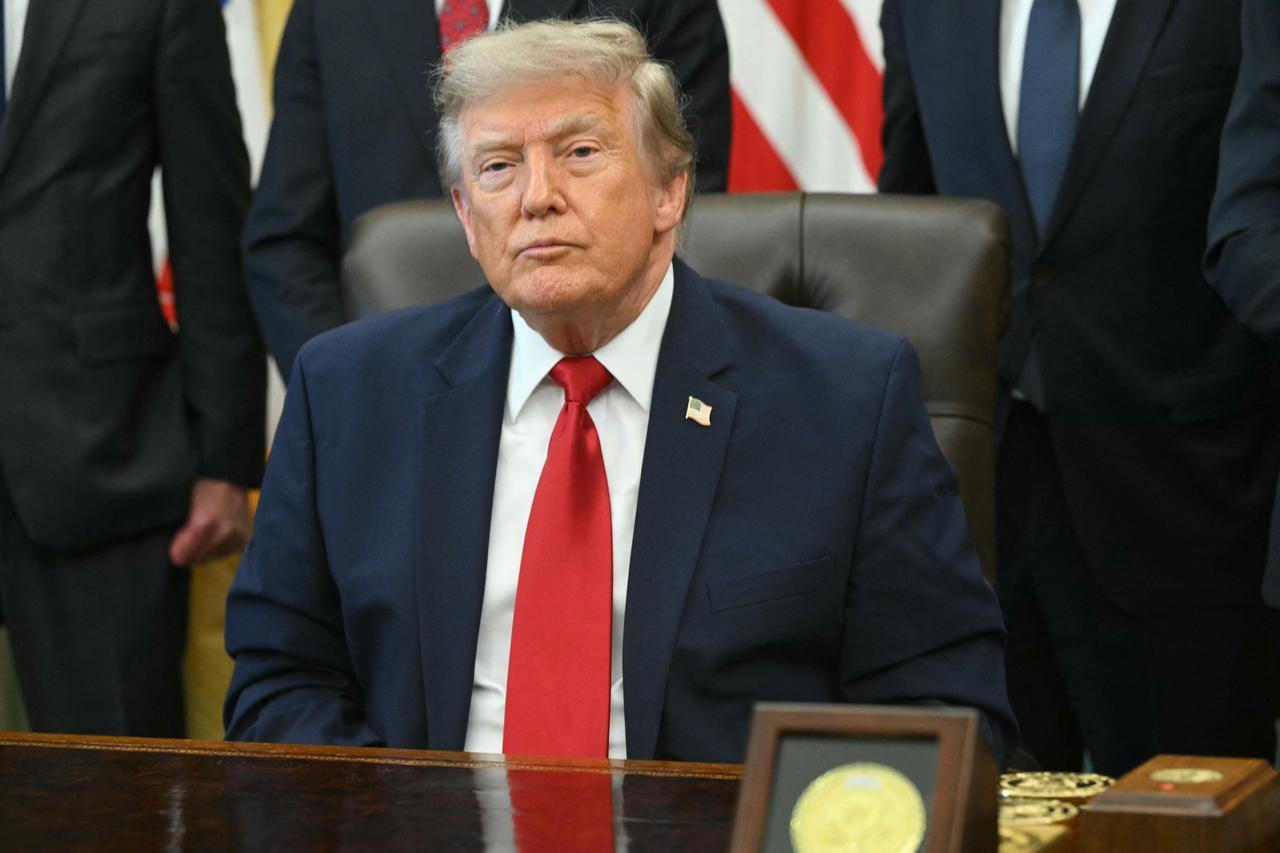
Trump reinstated the U.S. blockade of Iranian ships transiting Hormuz on Monday and said the U.S. would become the waterway's "guardian," adding that the U.S., "as a matter of fairness, will be reimbursed, at the rate of 20% on all cargo shipped."
The White House did not provide further details on how the fee would be administered or whether it had been communicated to U.S. allies in the Gulf.
Nearly a dozen people involved in shipping markets, including some whose tankers have passed through Hormuz in recent weeks, told Bloomberg they had no warning of Trump's announcement and said it was too early to know how any such plan would affect their transit decisions, given the lack of detail.
One shipping captain, who asked not to be named, described the proposed fee to Bloomberg as "akin to highway robbery."

Iranian Foreign Minister Abbas Araghchi responded on social media, saying: "POTUS is absolutely right. Whoever provides secure and safe passage of commercial vessels through the Strait of Hormuz should be compensated for this service."
He added, "20% is, of course, too much. We will be fair," a remark suggesting Iran, rather than the U.S., should be the one collecting such fees.
Hostilities have intensified since Iran said late Saturday it had closed the Strait of Hormuz after firing a warning shot that struck a vessel it said was traveling an unauthorized route.
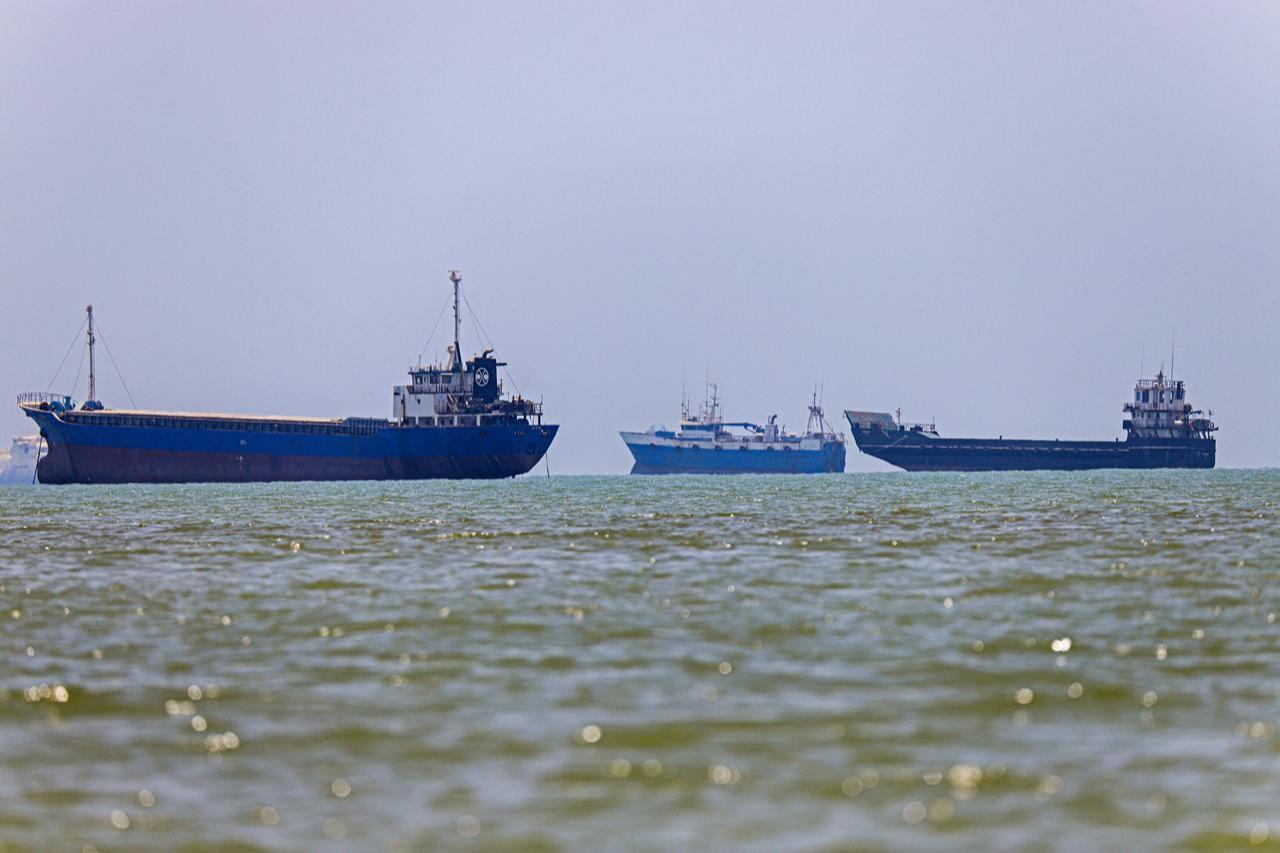
Trump said Monday the strait was open and would remain open "with or without Iran." But shipping data showed the number of tankers transiting the strait had fallen to its lowest level in nearly two months as of Monday.
Shipping industry sources told Reuters that vessels were increasingly switching off their public AIS tracking transponders, making it difficult to determine the full number of ships crossing the waterway.
Brazilian President Luiz Inacio Lula da Silva criticized the proposal as "piracy," telling reporters that charging ships to pass through one of the world's busiest international waterways would violate long-established principles of global maritime trade.
"Back in the day, that used to be called piracy," Lula said.
Lula did not elaborate on whether Brazil would pursue diplomatic action but said international waterways should remain open to global commerce under established international rules.
 1 min read
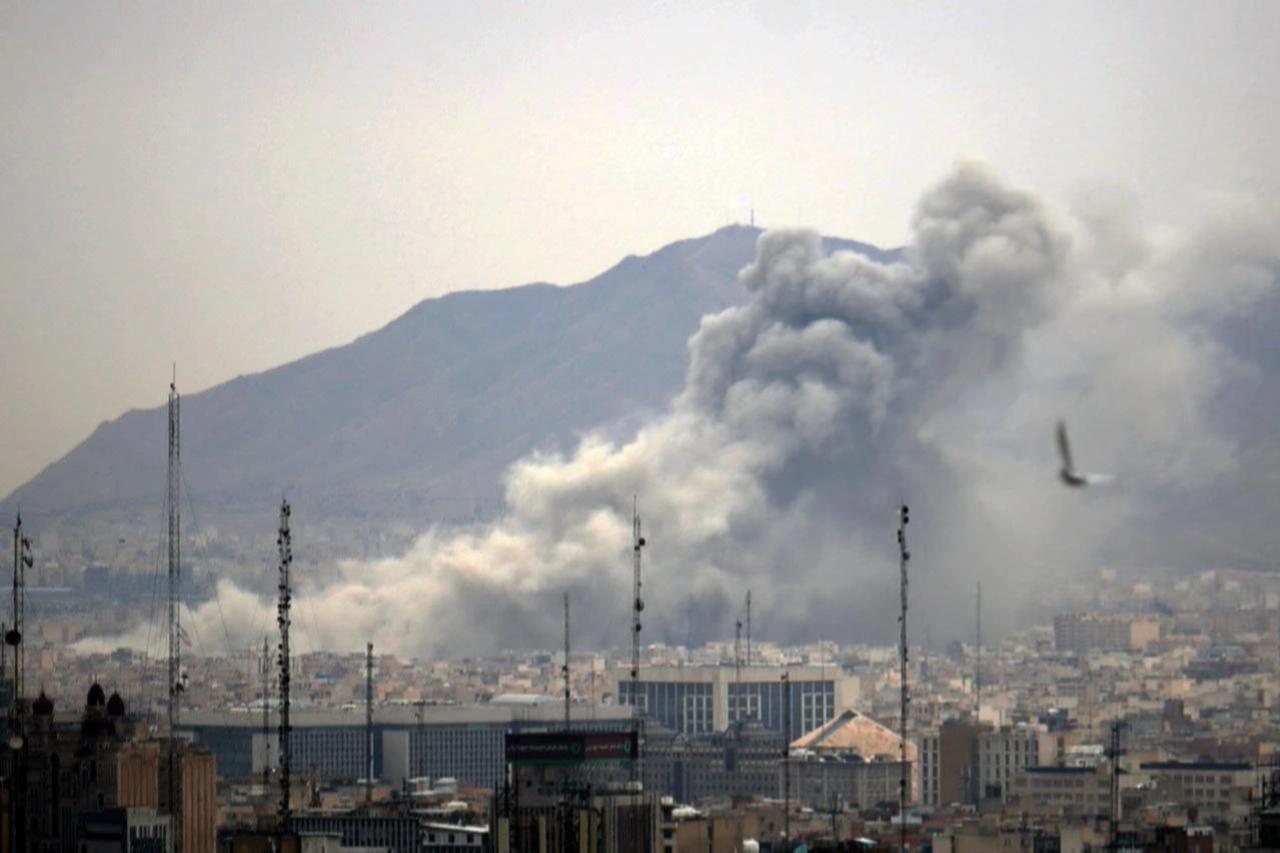
Iranian army spokesman Mohammad Akraminia said Tuesday the Strait of Hormuz would never reopen through U.S. military action, according to Iranian state television.
"The Strait of Hormuz will never reopen through U.S. attacks, war or evil. The only way to reopen it is by respecting the rights of the Iranian people," Akraminia said.
He also said Iran remained committed to avenging the killing of former Supreme Leader Ali Khamenei and others who died during the conflict.
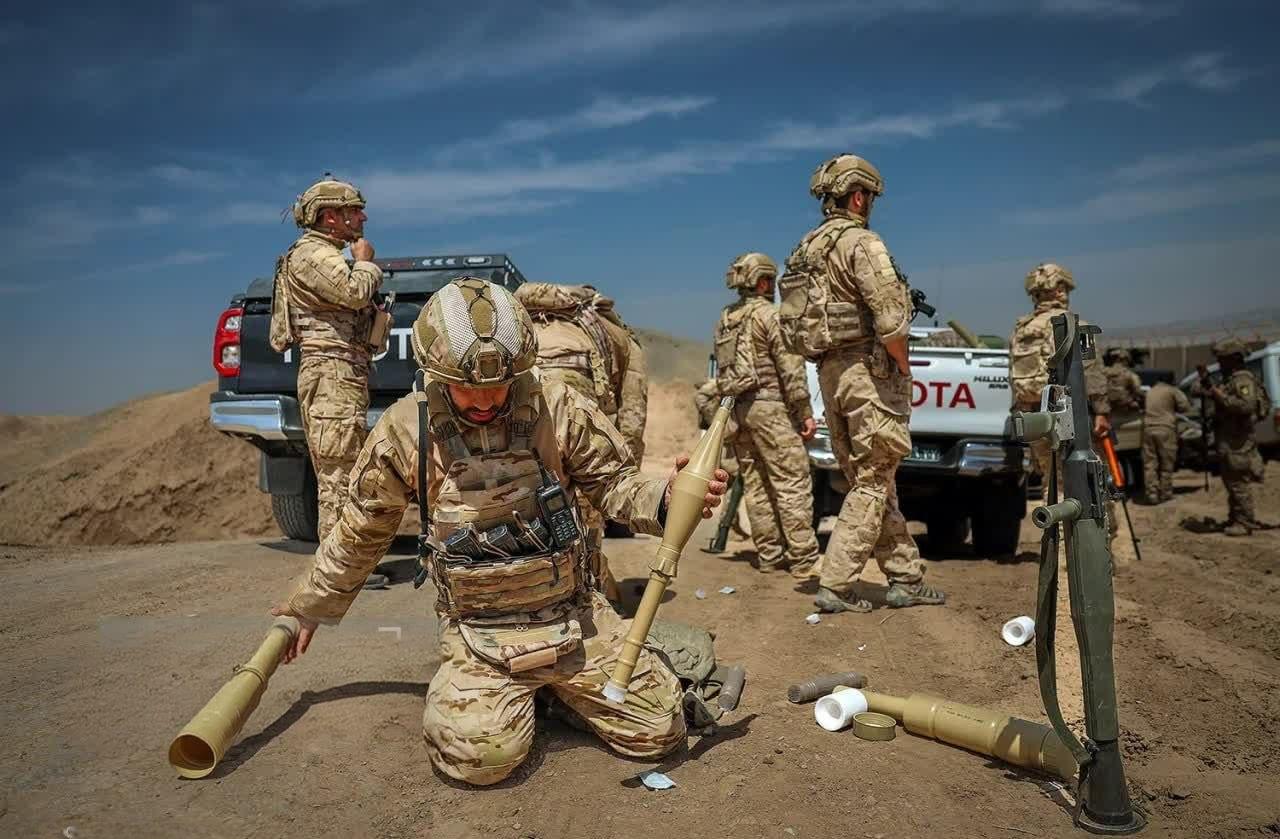
No single country controls the Strait of Hormuz. Its northern coastline belongs to Iran, while the southern coastline is shared by Oman and the UAE, with internationally recognized shipping lanes passing through the territorial waters of both Iran and Oman.
International maritime law guarantees a right of "transit passage" through straits used for international navigation, generally allowing commercial and military vessels from all countries to pass continuously and without unnecessary delay.
Under international law, countries cannot unilaterally impose fees on foreign vessels simply for exercising the right of transit passage through an international strait; coastal states may charge only for specific services they provide, such as pilotage or port facilities.
A blanket protection fee has no clear basis under the U.N. Convention on the Law of the Sea (UNCLOS), though interpretations differ because neither the U.S. nor Iran is a party to the convention. Article 42 of UNCLOS permits only charges tied to specific services, meaning a general protection fee would almost certainly face legal challenge.
The strait carries roughly one-fifth of the world's oil consumption and a significant share of global LNG exports, with about 20 million barrels of crude oil and petroleum products passing through daily.
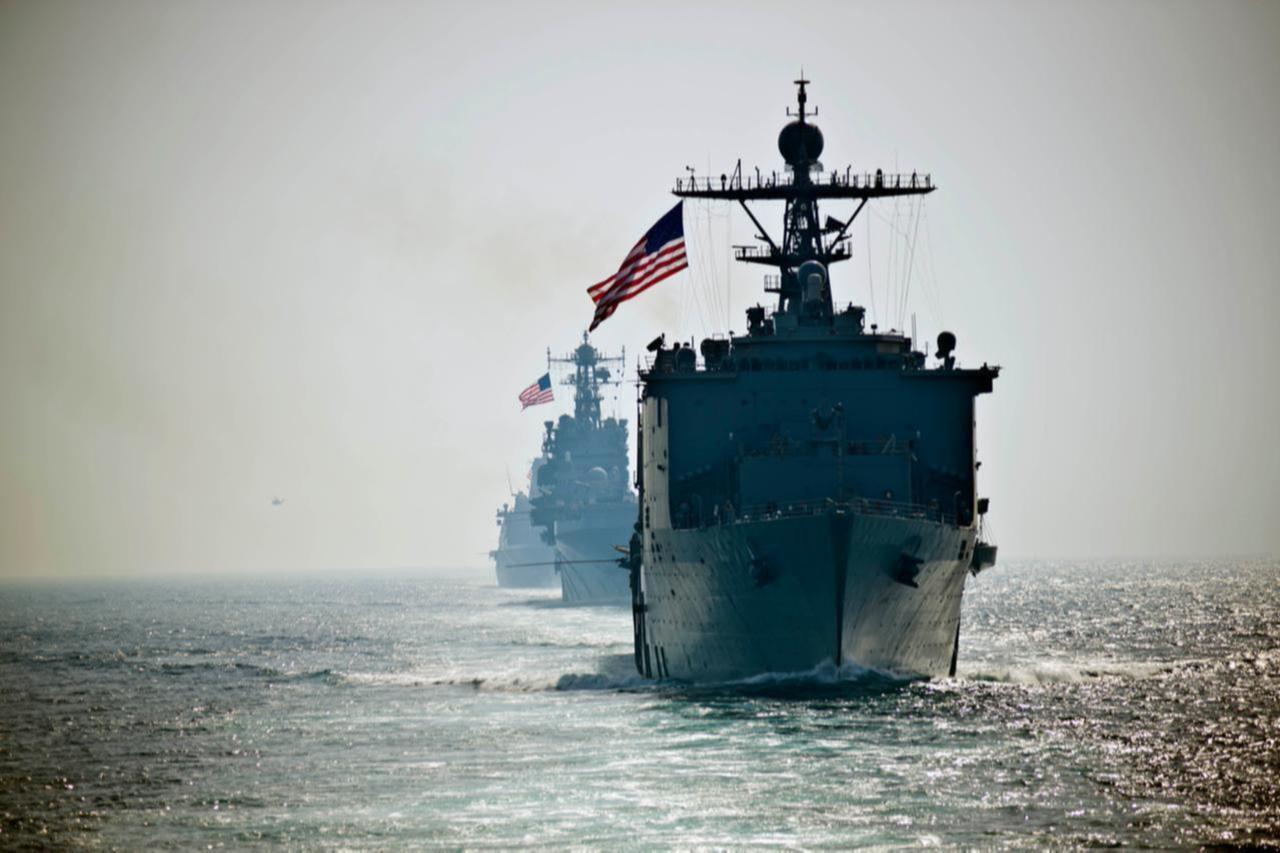
Iran has long argued it bears primary responsibility for security in the strait, given its extensive coastline along the waterway, while the U.S. has maintained a major naval presence in the Gulf for decades through the Navy's Fifth Fleet, headquartered in Bahrain, arguing this protects freedom of navigation and global energy supplies.


 Set as preferred source
 Set as preferred source


 1 min read