Newsletters


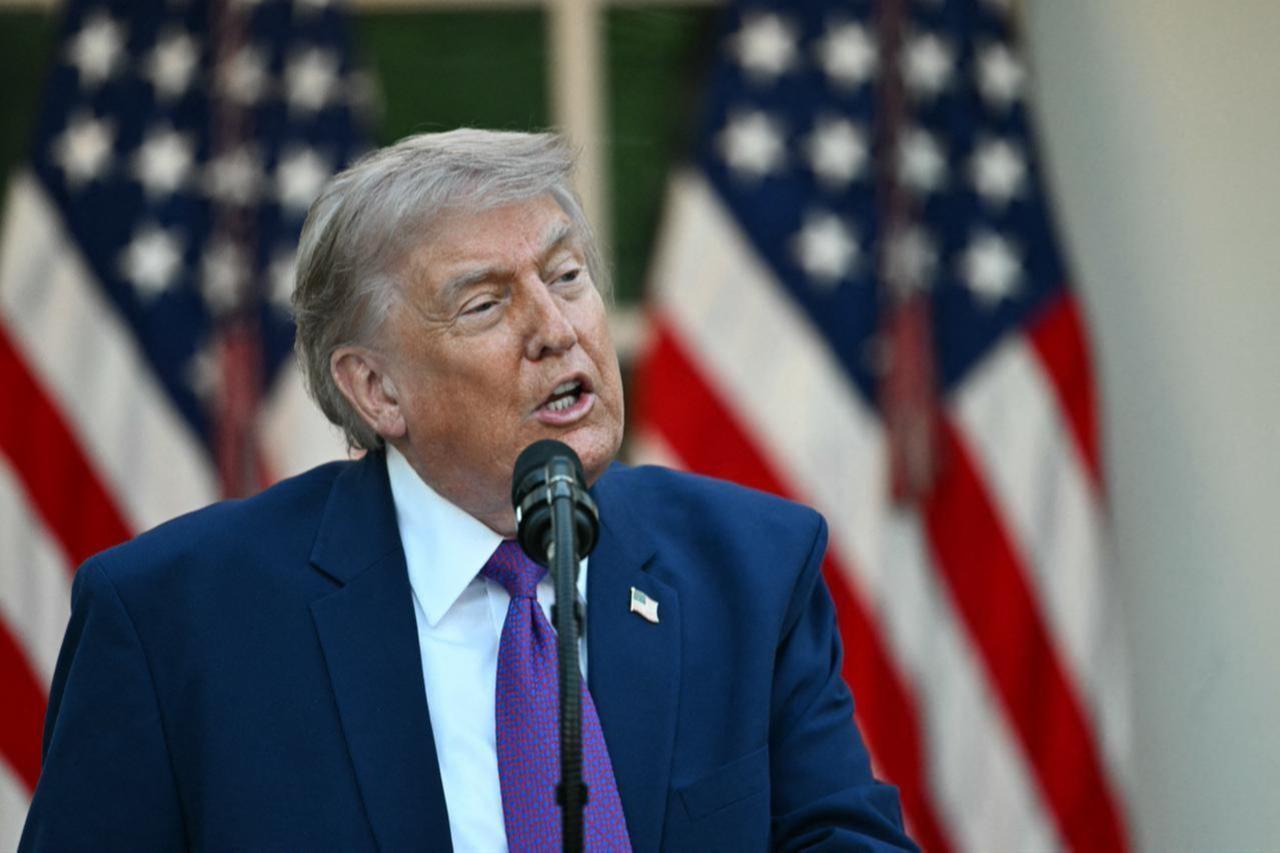


President Donald Trump warned Tuesday that the United States could launch another military assault on Iran within days, raising the prospect of renewed conflict even as diplomatic efforts to end the war continued through Pakistani mediation.
Trump told reporters at the White House he had come within an hour of ordering fresh strikes before holding back, and said a new deadline of "two or three days, maybe Friday, Saturday, Sunday" would determine whether the fragile ceasefire held.
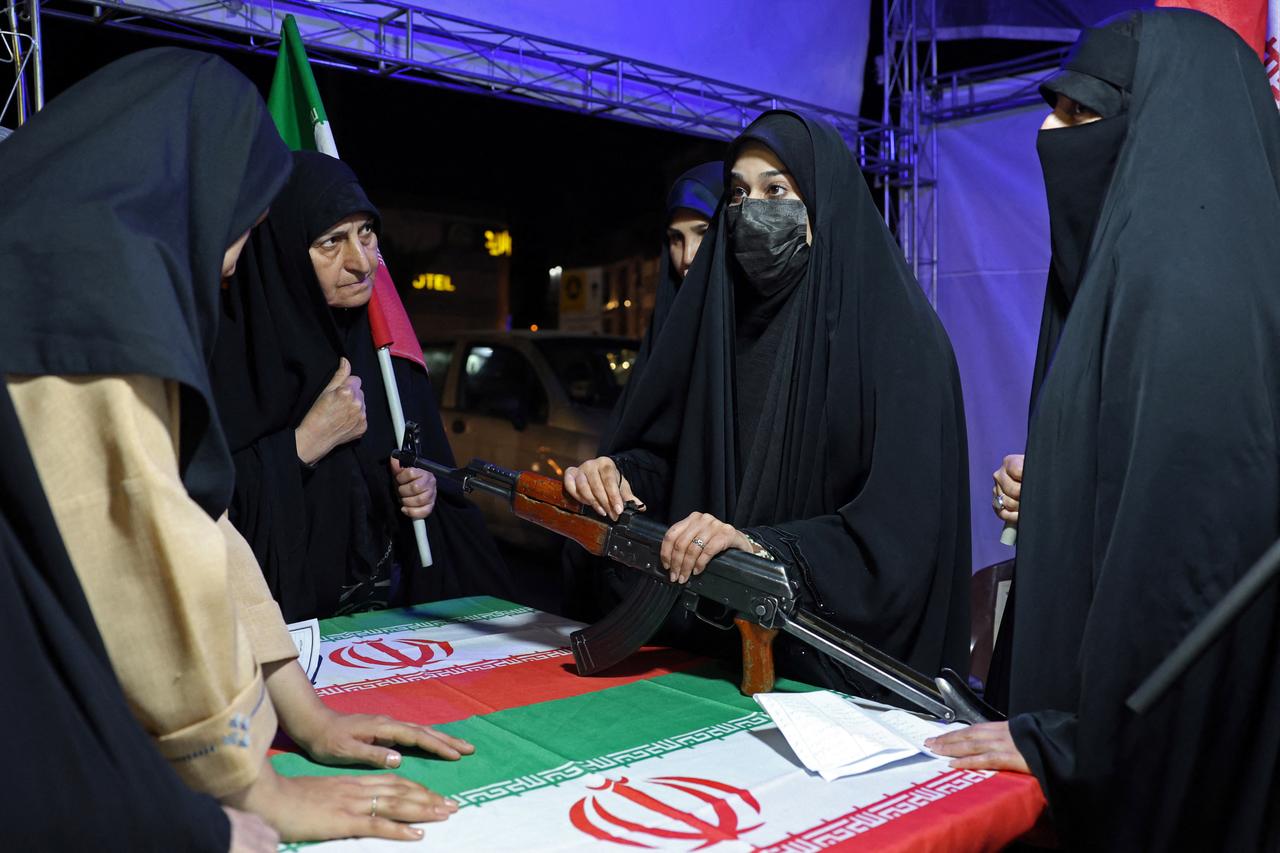
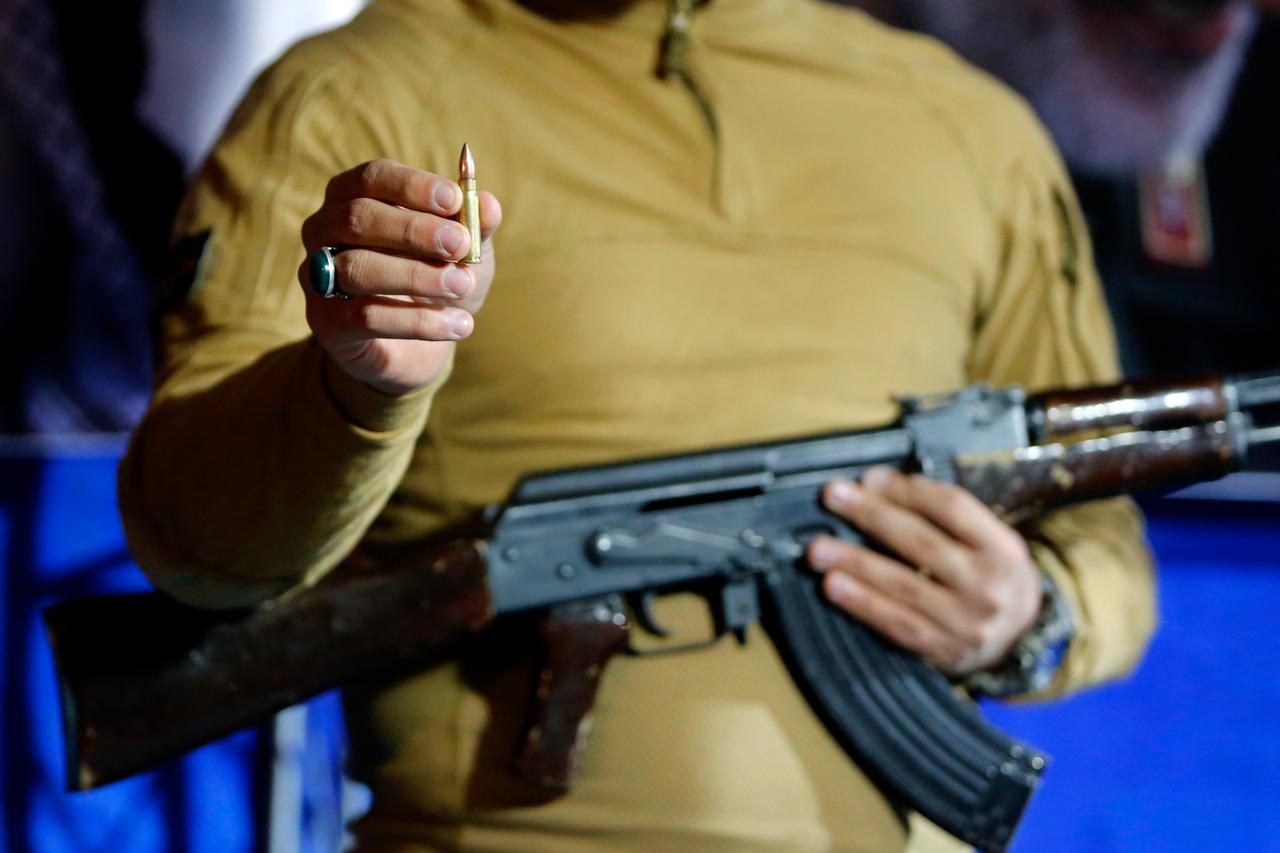
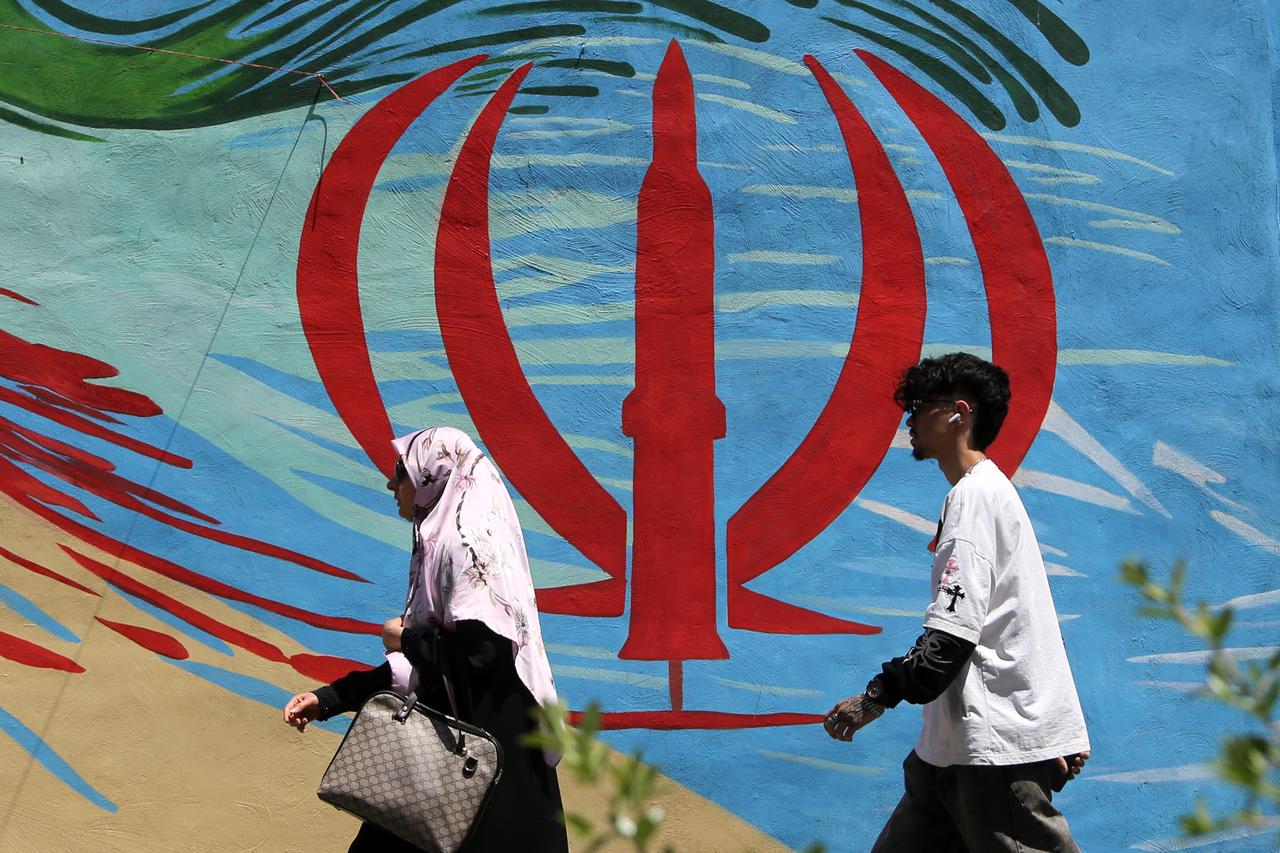
Iran's army spokesman, Mohammad Akraminia, responded that the Islamic republic would "open new fronts" against the United States if Washington resumed its attacks, and said Tehran had used the ceasefire period to strengthen its military capabilities.
The exchange marked a sharp escalation in rhetoric between the two countries, more than six weeks after a ceasefire halted a war that began on February 28 and has since disrupted global energy markets through Iran's control of the Strait of Hormuz.

Trump said Gulf leaders had personally urged him to hold off on a strike at the eleventh hour, which he did because, in his words, "serious negotiations are taking place." He described the posture facing Iran as one of overwhelming advantage, saying the situation was one where "you're beating them badly" and adversaries "come to the table, they're begging to make a deal."
He added that he had instructed the U.S. military to remain prepared to move forward with "a full, large-scale assault of Iran, on a moment's notice" if no agreement was reached in time.
Iran's Deputy Foreign Minister Kazem Gharibabadi dismissed the framing on social media, saying Trump was calling what amounted to a threat a chance for peace.
Qatar, one of Iran's main targets in the conflict, urged patience. Qatari foreign ministry spokesman Majed al-Ansari told reporters that Doha believed more time was needed for the Pakistani-mediated diplomatic track to produce results.
Since the ceasefire took hold on April 8, the two sides have held a single round of talks, which failed to produce a deal. Iran has repeatedly rebuffed U.S. proposals. Iranian foreign ministry spokesman Esmaeil Baqaei confirmed that exchanges with Washington continued through Pakistan, and said Tehran had made its concerns clear.
Iran is demanding the release of frozen assets held abroad, the lifting of longstanding sanctions, and war reparations. Its supreme leader was killed in strikes on the first day of the war, but the clerical state has proven resilient and has continued to exercise military influence across the region.
On Monday, Iran's Revolutionary Guards announced they had struck groups it accused of smuggling American weapons into Iran near the Iraqi border, and separately threatened to place internet fibre optic cables running through the Strait of Hormuz under a system of permits, a move that could affect global communications infrastructure.
The United Arab Emirates also confirmed Tuesday that a drone attack on its Barakah nuclear power plant on May 17 originated from Iraqi territory. A senior Emirati official had already suggested Iran or one of its regional proxies was responsible. Iran backs armed groups in Iraq that have been accused of launching attacks on Gulf nations throughout the conflict.
Negotiations have stalled on terms that Iranian media described as excessive. On Sunday, Iran's Fars news agency reported that Washington had presented a five-point plan demanding Tehran limit nuclear enrichment to a single facility and transfer its stockpile of highly enriched uranium to the United States.
The U.S. had also reportedly refused to release even a quarter of Iran's frozen assets or pay any war reparations, and made clear it would only agree to a full ceasefire once Iran entered formal peace negotiations.
Iran said it had responded to the latest proposal and insisted on its own conditions. However, Tasnim news agency, citing a source close to the Iranian negotiating team, reported one potential sign of movement: the United States had agreed in its latest communication to waive oil sanctions while negotiations remained ongoing, a step the source characterized as new.
The war's economic toll has been significant. Iran's grip on the Strait of Hormuz, through which roughly 20 percent of global oil trade typically passes, has driven up energy prices and added pressure on American consumers.


 Set as preferred source
 Set as preferred source


 1 min read
 1 min read