Newsletters


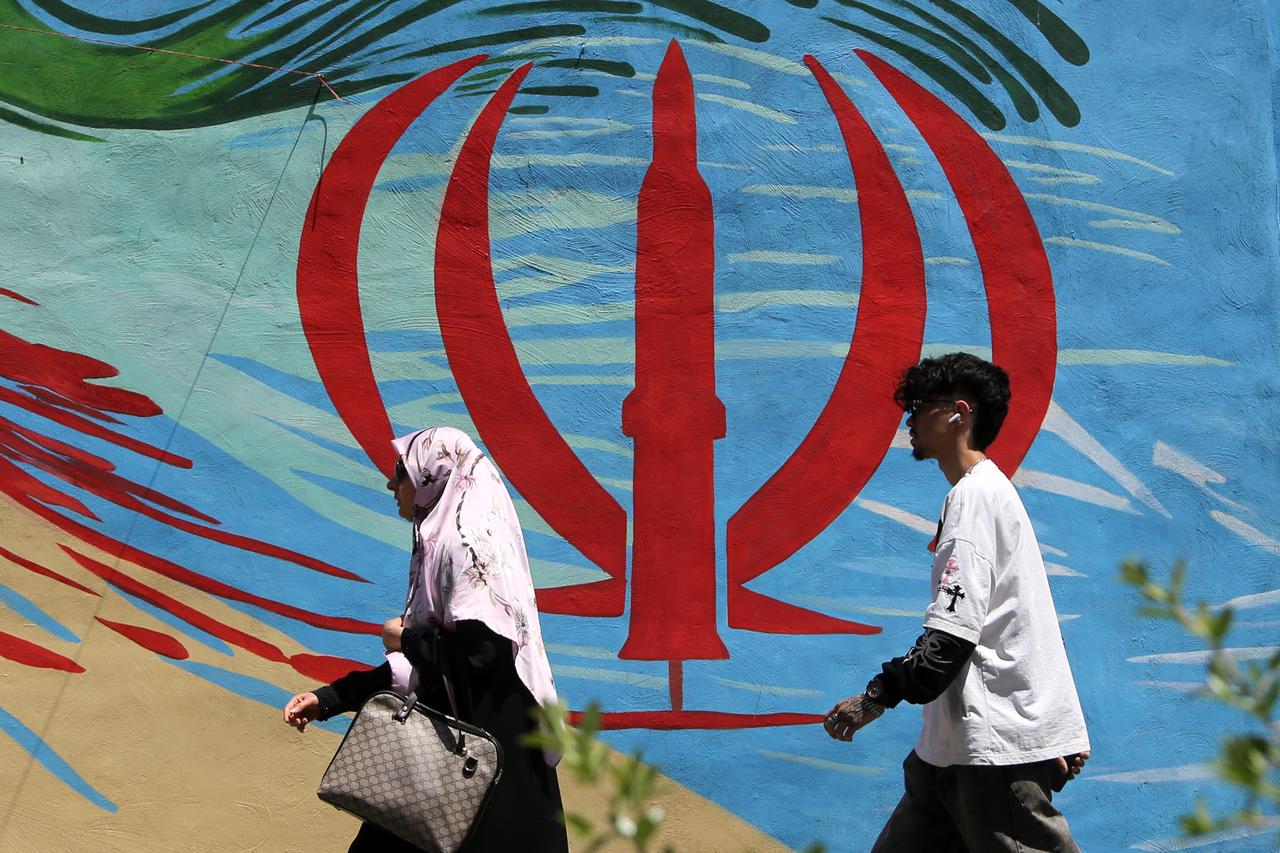


Iran's Deputy Foreign Minister Kazem Gharibabadi has detailed Tehran's latest proposal to Washington.
The proposal includes the removal of all unilateral sanctions and U.N. Security Council (UNSC) resolutions against Iran, a full U.S. military withdrawal from Iran's surrounding region, and compensation for damages caused by the war, Iran's official news agency IRNA reported.
Garibabadi presented the briefing during a meeting with members of the National Security and Foreign Policy Commission of the parliament, IRNA reported.
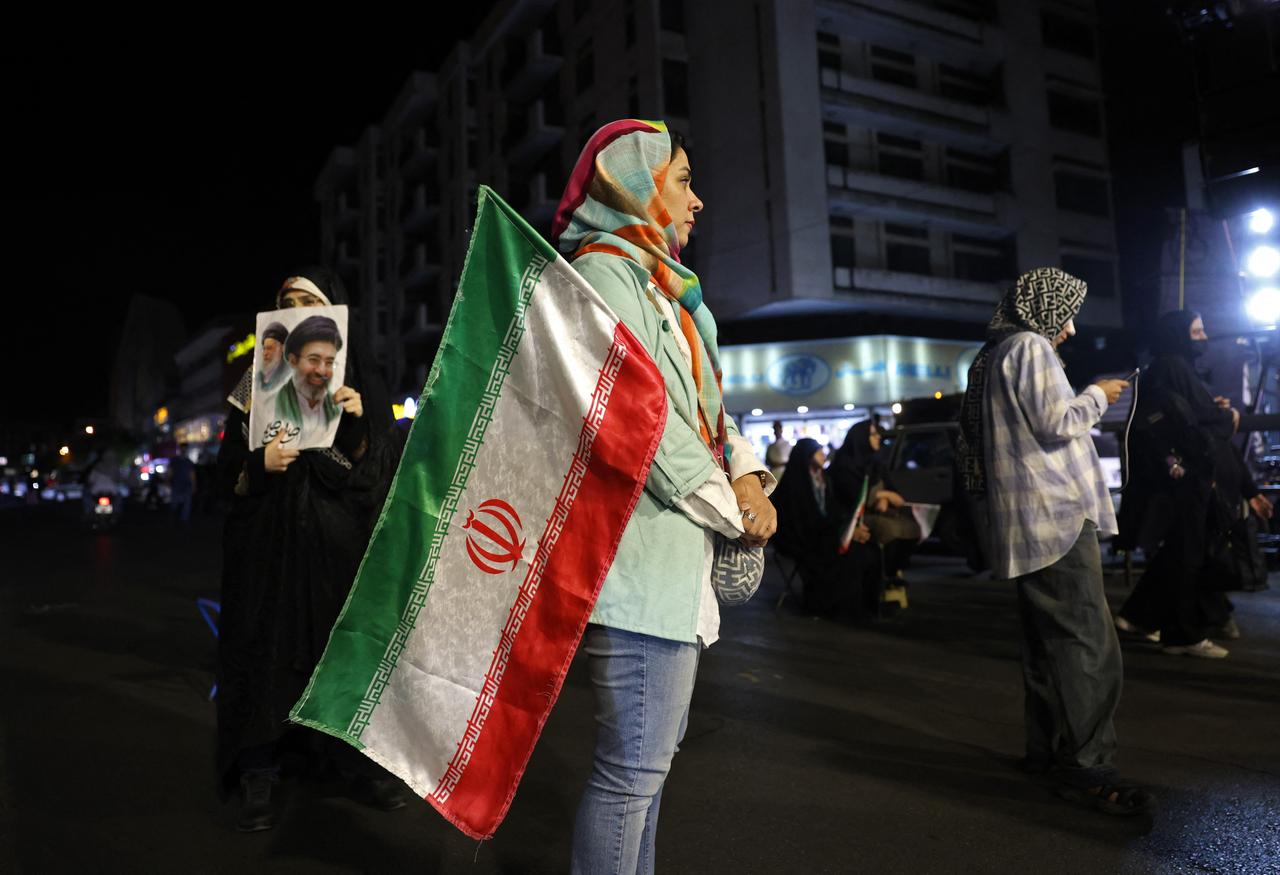

Among the core elements of Tehran's proposal, Garibabadi said, are the protection of Iran's right to uranium enrichment and peaceful nuclear energy, the cessation of hostilities on all fronts, including Lebanon, the lifting of the U.S. naval blockade, the return of Iranian assets held abroad and compensation for damages caused by what he described as a war imposed by the United States.
Iranian President Masoud Pezeshkian, separately, addressed the domestic consequences of the conflict at a meeting with Labor and Social Welfare Ministry officials, IRNA reported.
"We must move forward with a cautious, planned and long-term perspective to overcome the effects and consequences of the war," Pezeshkian said.
Pezeshkian said temporary economic measures were insufficient on their own.
"While some current measures are necessary, they are of a temporary relief nature. Structural and sustainable planning is needed to address the root causes of economic and social problems," he said.
He called for the creation of permanent employment for those who lost their jobs due to the war, and urged conservation of water, electricity, natural gas and fuel as a national necessity.
The Washington Post reported, citing officials, that the U.S. and Iran exchanged several proposals and counterproposals last week in an effort to avoid further conflict.
The report said Trump was dissatisfied with Iran's earlier proposal on nuclear enrichment restrictions and sought a deal with broader limitations.
In previous negotiating rounds, the U.S. proposed prohibiting Iran from enriching uranium for 25 years, a proposal Iran rejected, the Washington Post reported. A subsequent U.S. offer called for a 20-year ban, which Iran also declined.
During more recent discussions, the U.S. indicated it might consider easing sanctions on Iranian oil exports if Tehran agreed to halt support for proxy groups in the region, the Washington Post reported.
Recent proposals suggest Iran may be open to transferring part of its enriched uranium stockpile abroad, though neither that matter nor the sanctions question had been finalized and both would likely depend on other aspects of a broader agreement, according to the Washington Post.
Trump said Monday he decided to delay a planned resumption of attacks after leaders of Saudi Arabia, Qatar, the United Arab Emirates and unspecified others told him they believed a deal to fully end the war was close.
"Serious negotiations are now taking place, and that, in their opinion, as Great Leaders and Allies, a Deal will be made, which will be very acceptable to the United States of America, as well as all Countries in the Middle East, and beyond," Trump said.
Axios reported that Trump spoke by phone with the leaders of Saudi Arabia, Qatar and the UAE in the 24 hours before his announcement, and that the Arab leaders told Trump they did not want their oil and energy facilities damaged by Iranian retaliation.
Trump nonetheless told military leaders "to be prepared to go forward with a full, large-scale assault of Iran, on a moment's notice, in the event that an acceptable Deal is not reached," CBS News reported.


 Set as preferred source
 Set as preferred source


 1 min read
 1 min read