Newsletters




A senior Iranian lawmaker said on Friday that Tehran does not intend to transfer its enriched uranium stockpile to any third country, drawing a firm line on one of the central sticking points in the ongoing negotiations with the United States.
Ebrahim Azizi, chairman of the Iranian parliament's National Security and Foreign Policy Commission, told Russian state news outlet RIA Novosti that Iran does not "intend to transfer its enriched uranium to a third country," according to Iran's state-affiliated Mizan News Agency.
In a separate post on X earlier this week, Azizi said Iran would not retreat from its "red lines" under pressure from President Donald Trump's rhetoric. Those red lines, he said, include the right to enrich uranium, possession of enriched uranium, authority over the Strait of Hormuz, and the removal of sanctions.
Azizi said Trump was "seeking a way out of this strategic deadlock" and alternated between issuing threats and appealing for an agreement.
Iran has repeatedly said it will not relinquish its enriched uranium stockpile, which can be used to make a bomb, but has insisted it is not pursuing a nuclear weapon.
The stockpile includes nearly 1,000 pounds of uranium purified to 60% enrichment.
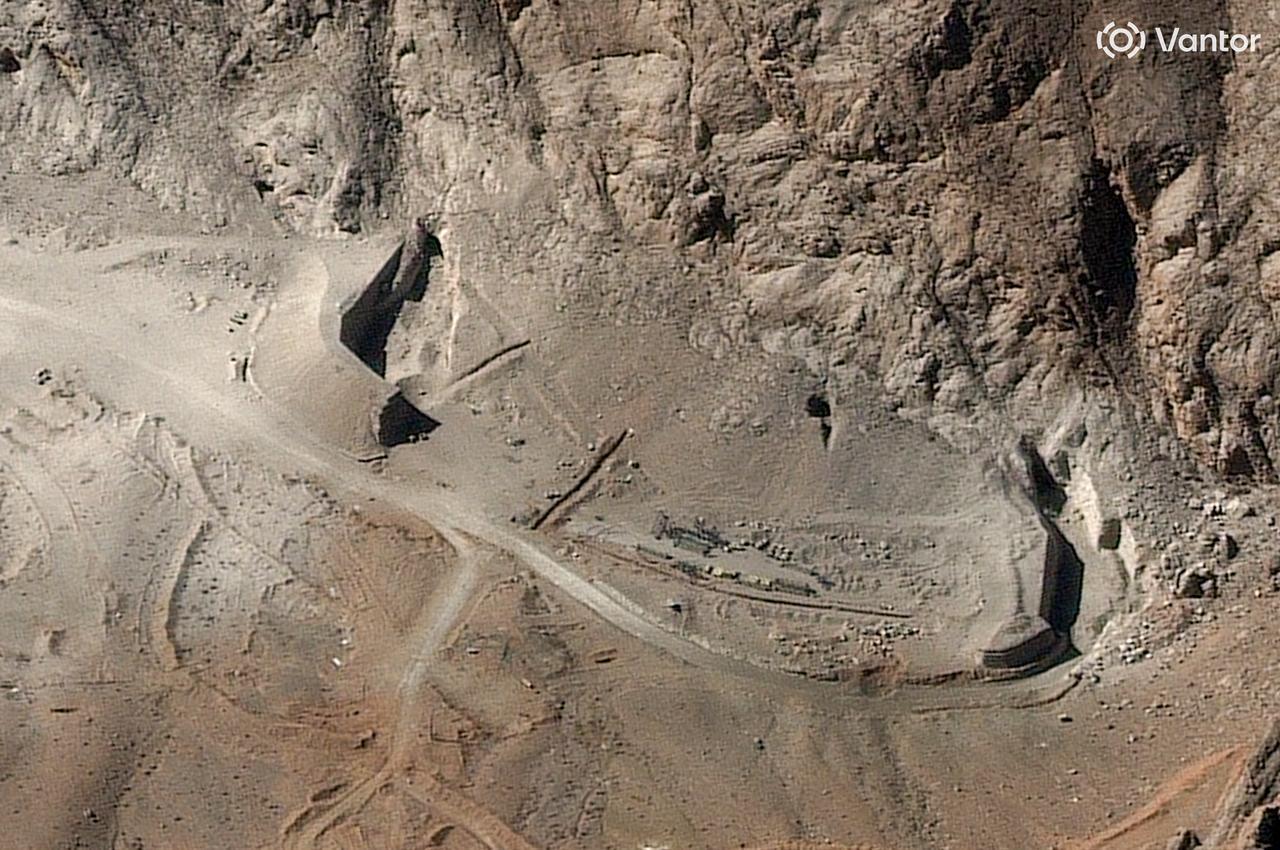

The statement came as the U.S. and Iran are reportedly close to a 60-day Memorandum of Understanding (MoU) to formalize the ceasefire and reopen the Strait of Hormuz. But the question of what happens to Iran's uranium stockpile would remain unsettled and serve as a key focus of subsequent negotiations.
U.S. Vice President J.D. Vance said it was "TBD" whether Trump would sign the tentative MoU, noting the two countries were still negotiating over "a couple of language points," including the question of Iran's enriched uranium.
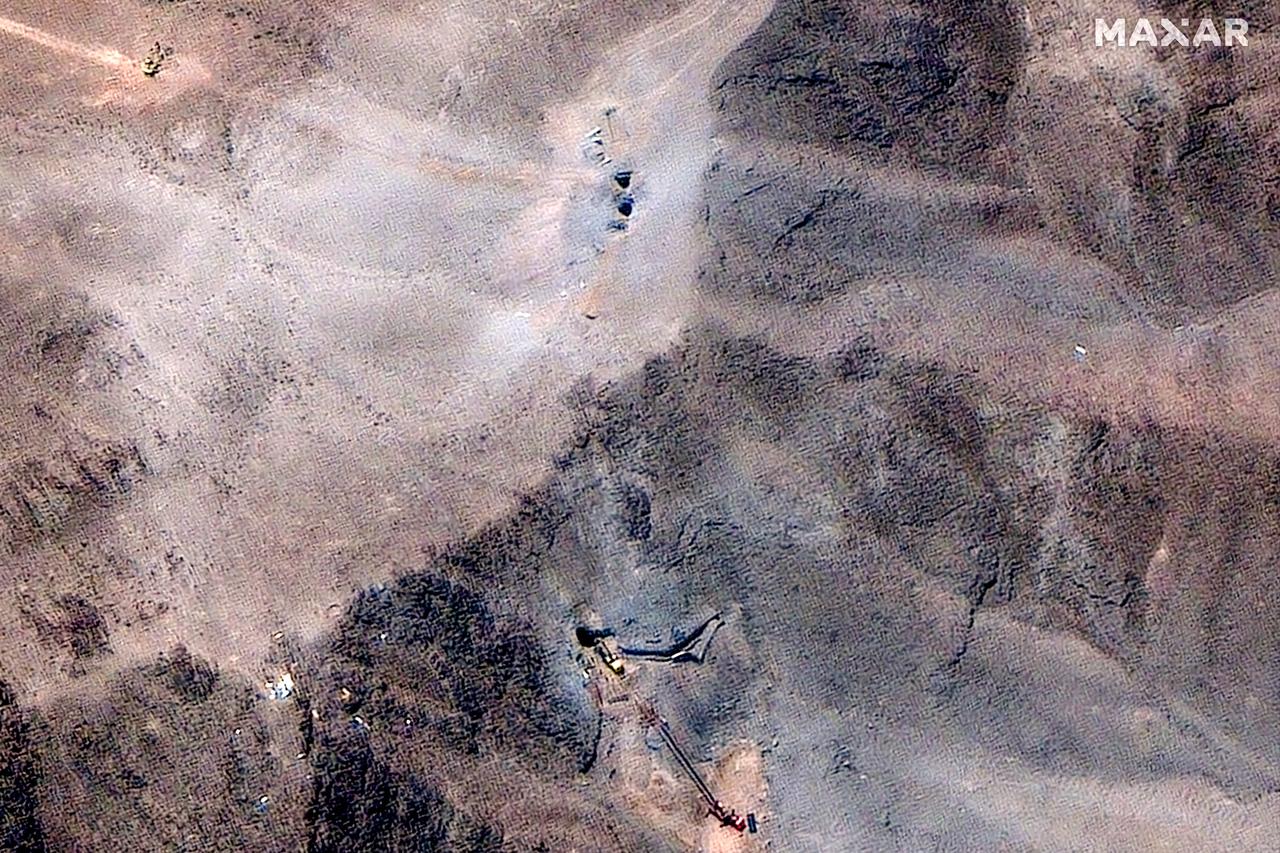
Earlier this month, Trump threatened to "go in" with force and retrieve the uranium if negotiations failed. CNN reported in March that military planners reviewed options for an operation at the Isfahan complex, assessing that it could require hundreds if not thousands of troops, risk a high number of casualties, and demand a large security footprint to allow specialized forces to handle the material.
The war began Feb. 28 when the U.S. and Israel launched strikes on Iran. A ceasefire took effect on April 8, mediated by Pakistan and was later extended indefinitely by Trump.


 Set as preferred source
 Set as preferred source



 2 min read