

 Newsletters


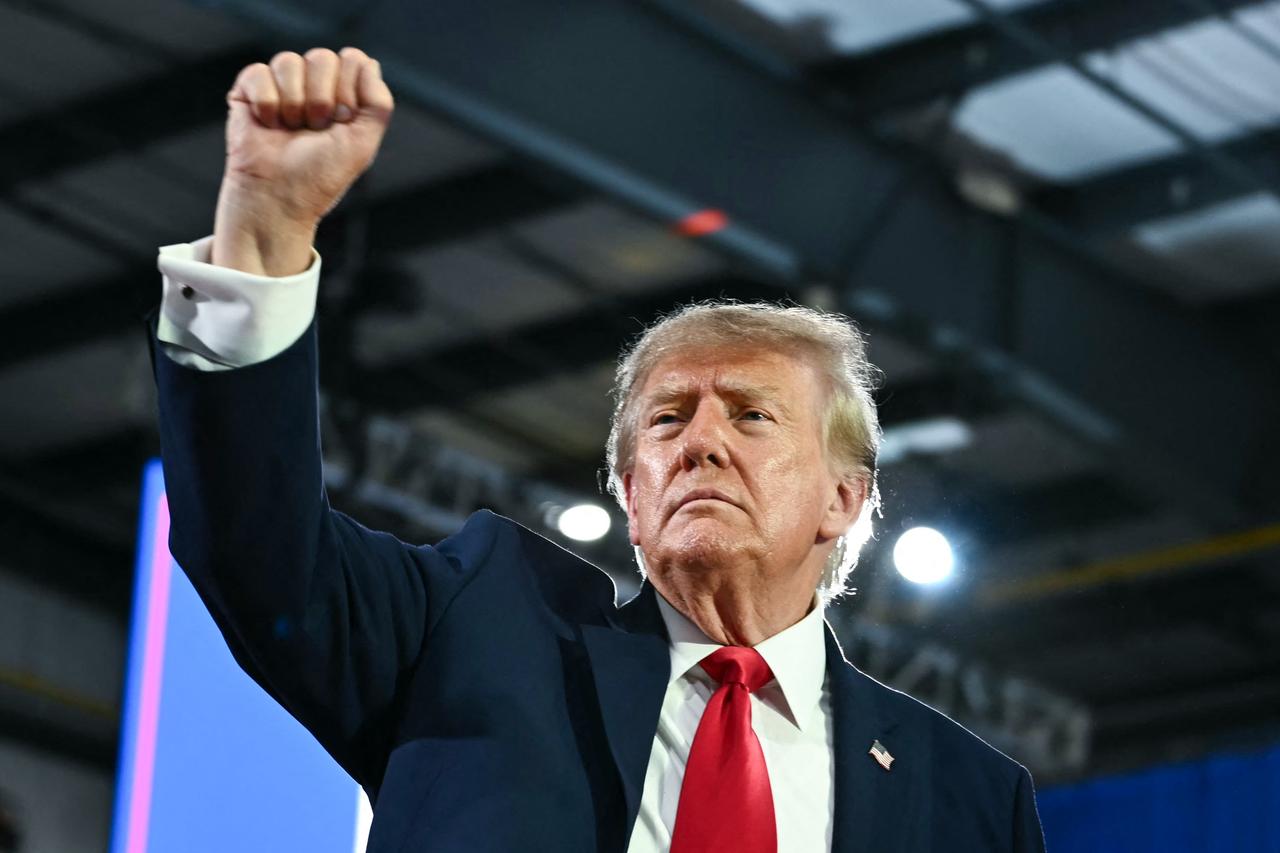
United States President Donald Trump warned Friday that Washington could launch another military operation against Iran if Tehran fails to reach a negotiated settlement, as his envoy Tom Barrack suggested American strikes could begin as early as this weekend.
Speaking at a rally in Florida, Trump pointed to Operation Midnight Hammer and Operation Epic Fury, claiming the two military campaigns had severely damaged Iran's nuclear capabilities.
“We obliterated Iran's nuclear enrichment capacity with Operation Midnight Hammer,” Trump told supporters. “You remember that late at night, one of them, and then did the rest with Operation Epic Fury, which it was.”
The president then raised the possibility of further military action if Iran refuses to negotiate.
“We may do another little Epic Fury, or they'll agree,” he said.
“If they're smart, they'll just say, ‘Let's get down to business,’” Trump added, expressing doubt that Tehran would take that approach.

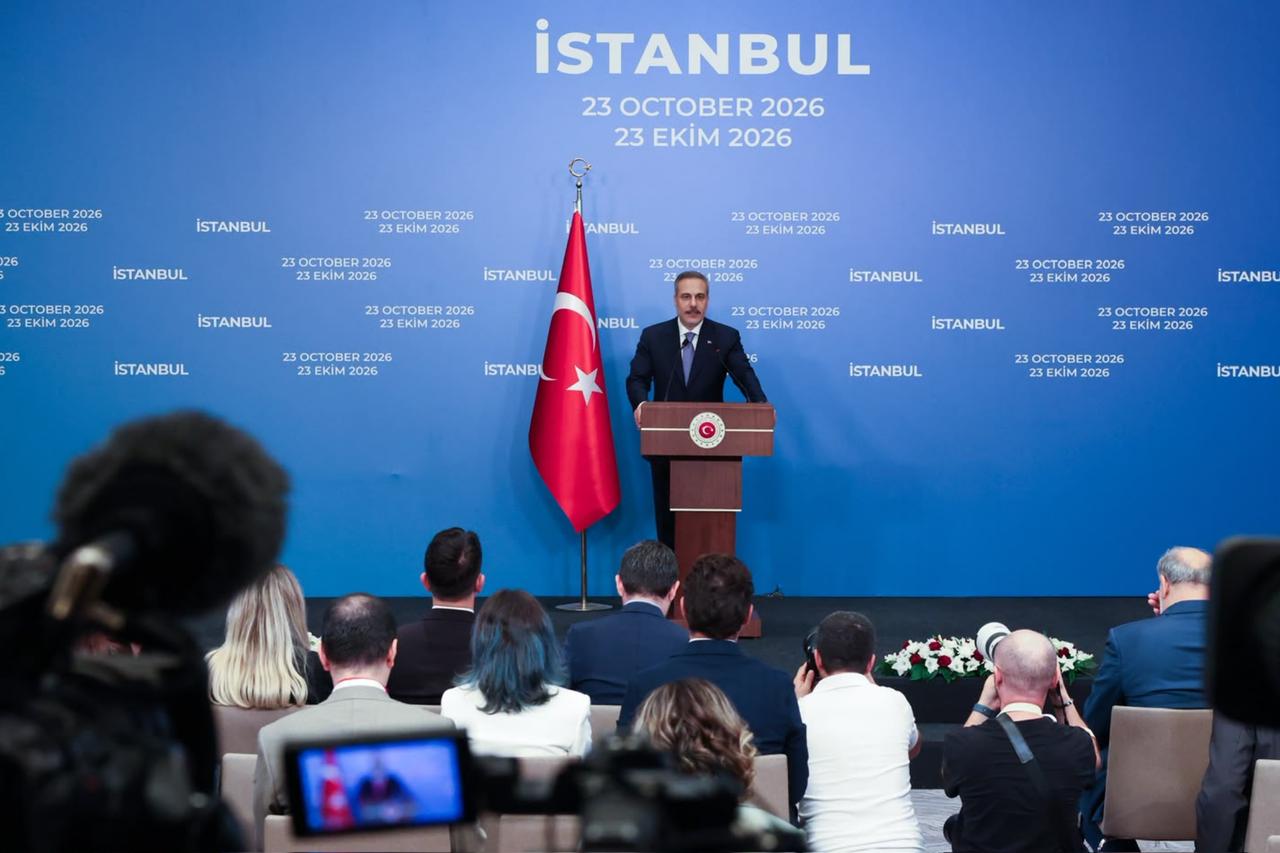
Earlier Friday, U.S. Ambassador to Türkiye Tom Barrack said Washington could launch another attack against Iran as soon as this weekend, despite previous indications that military action would be delayed until after the Nov. 3 U.S. midterm elections.
“Could there be a strike this weekend? Absolutely,” Barrack, who also serves as U.S. special presidential envoy for Syria and Iraq, told podcast host Mario Nawfal during a visit to the Gulf.
Barrack, a longtime friend and former business associate of Trump who has no direct responsibility for Iran policy, stressed that the administration remained open to a diplomatic settlement.
Trump "is very clear. He's open and available and accessible to a deal and we've been at the table for months and months and months," Barrack said.
However, Trump appeared surprised when reporters in Florida asked whether Barrack's remarks signaled a change in his position on launching strikes before the congressional elections.
“That was my ambassador?” Trump asked.
“He’s a pretty powerful man, I guess. Well if that’s the case, I don’t know anything about it,” he added.
Despite warning of possible military action, Barrack insisted that Washington was not seeking to overthrow Iran's government, a position that contrasts with statements by Israeli Prime Minister Benjamin Netanyahu.
"If you keep threatening the world, our allies, the Gulf, there will be a consequence. The consequence won't be regime change," Barrack said.
"The United States -- the president of the United States -- has said he's not interested in regime change," he added.
"The problem with regime change always is, what's the day-two scenario?"
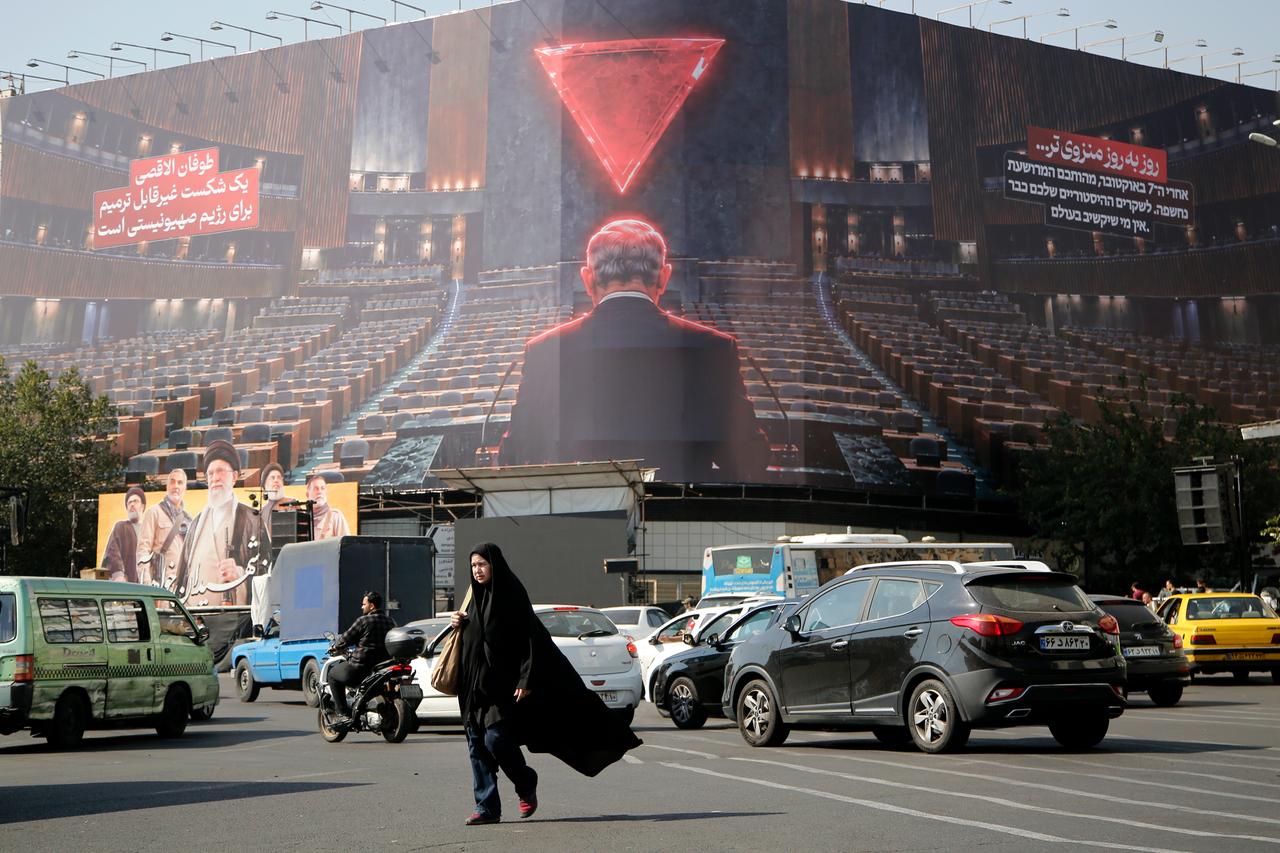
Netanyahu, who is seeking reelection in Israel's Oct. 27 parliamentary elections, has repeatedly called for the overthrow of Iran's clerical leadership in recent days, following two major bombing campaigns against the country since last year.
Trump has also signaled a willingness to resume military strikes following a prolonged diplomatic deadlock, although he previously said such action would not take place before the Nov. 3 U.S. midterm elections.
The United States and Israel launched a war against Iran in late February, seeking to destroy the country's nuclear program and topple its government.
The conflict remains unresolved despite a ceasefire and a memorandum of understanding intended to pave the way for a final peace agreement.
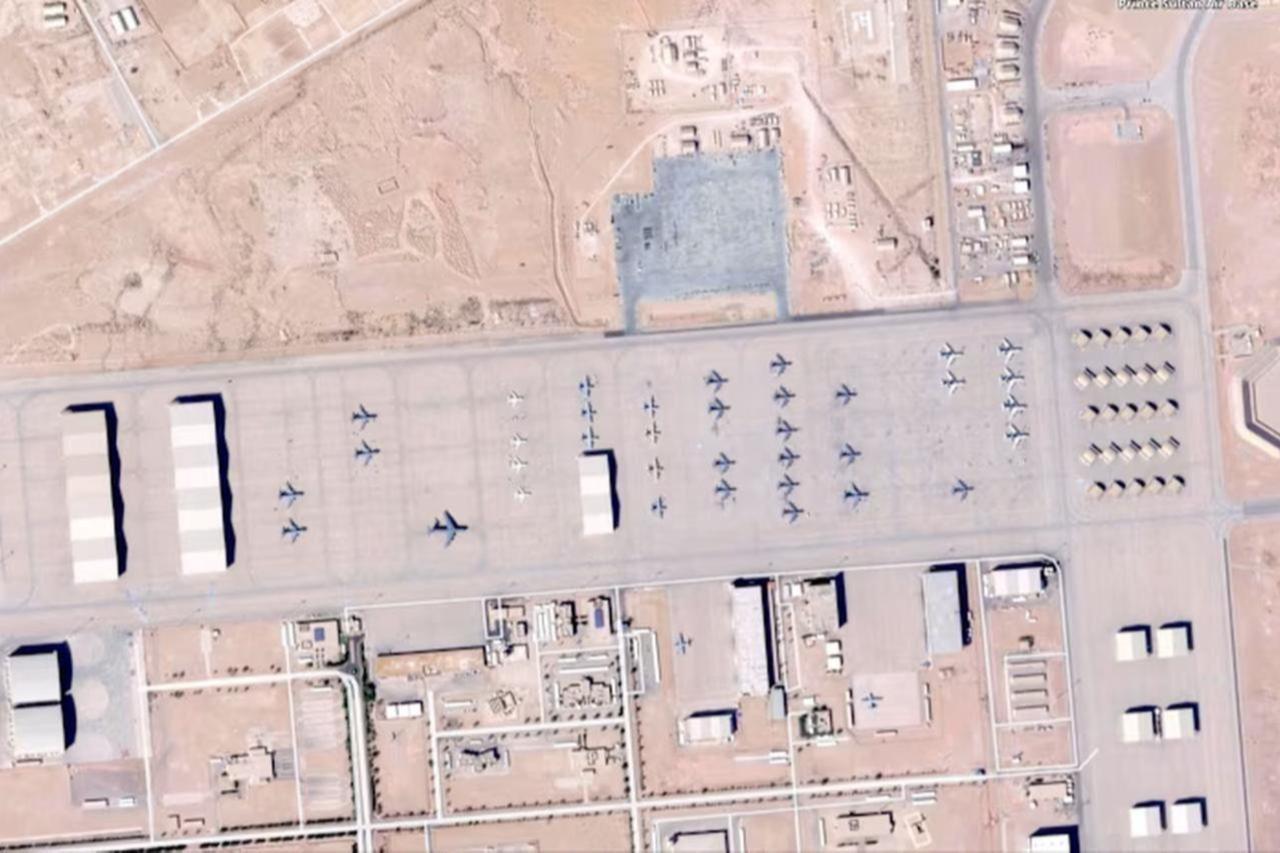
Reports have also indicated that Washington and Israel have developed plans for renewed strikes against Iran following the U.S. midterm elections, raising concerns about another escalation in the region.
Iran's Islamic republic has remained a longstanding adversary of Washington and Israel since the 1979 revolution that overthrew the pro-Western shah.


 Set as preferred source
 Set as preferred source


 1 min read
 1 min read


