

 Newsletters




Iran’s retaliation against U.S. and Israeli attacks didn’t just hit military targets; it paralyzed the Gulf in a way that was only imagined in doomsday scenarios.
A sweeping drone and missile campaign against regional ports, chokepoints, and U.S. bases has severely disrupted global energy exports and left neighboring economies reeling. Critically, the strikes have accelerated simmering questions about the ultimate fate of America’s military footprint in the region.
The United States has 40,000–50,000 troops stationed at bases across the Persian Gulf region, including permanent bases in Bahrain, Jordan, Kuwait, Qatar, Saudi Arabia, and the United Arab Emirates. Information about damage to U.S. bases remains limited. Gulf and U.S. officials have often disputed Iranian claims of successful strikes, attributing reported damage to debris from intercepted missiles.
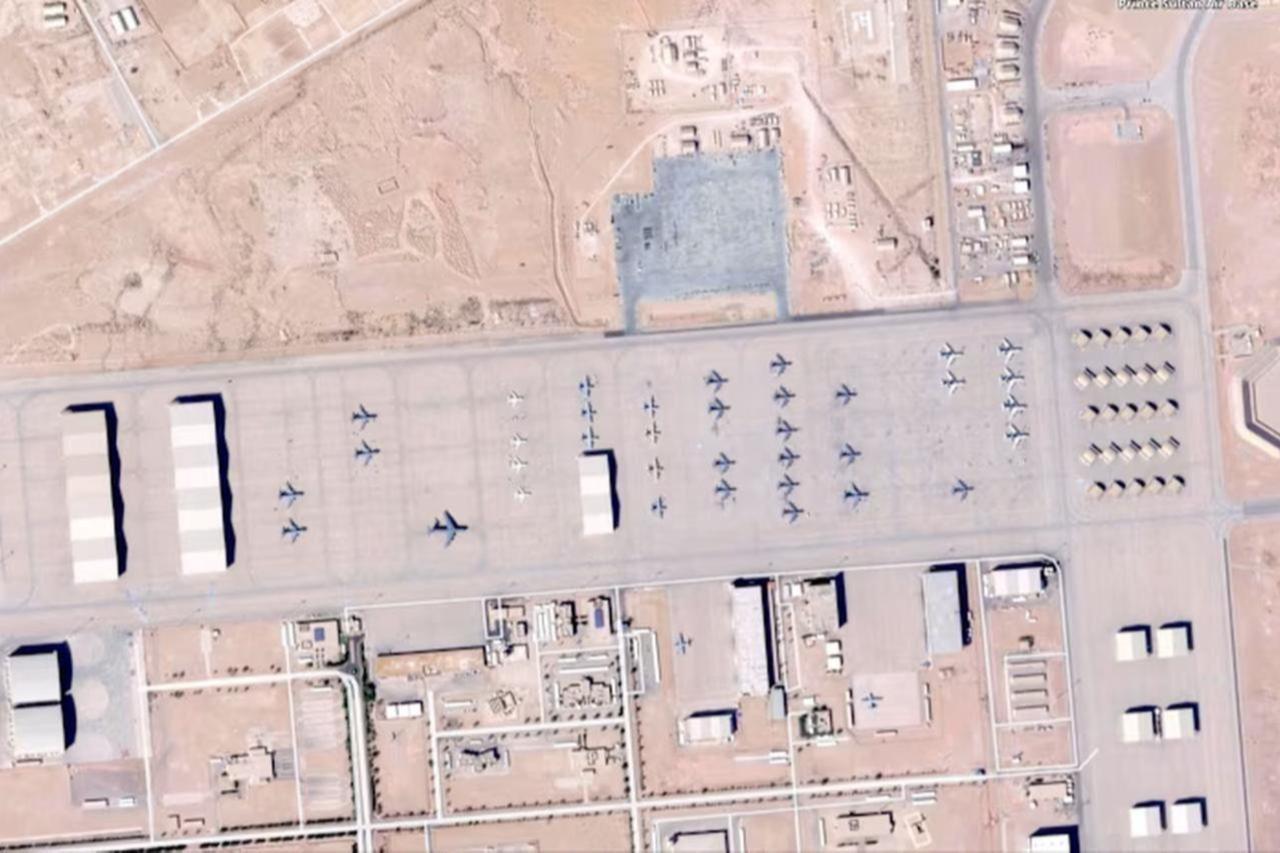
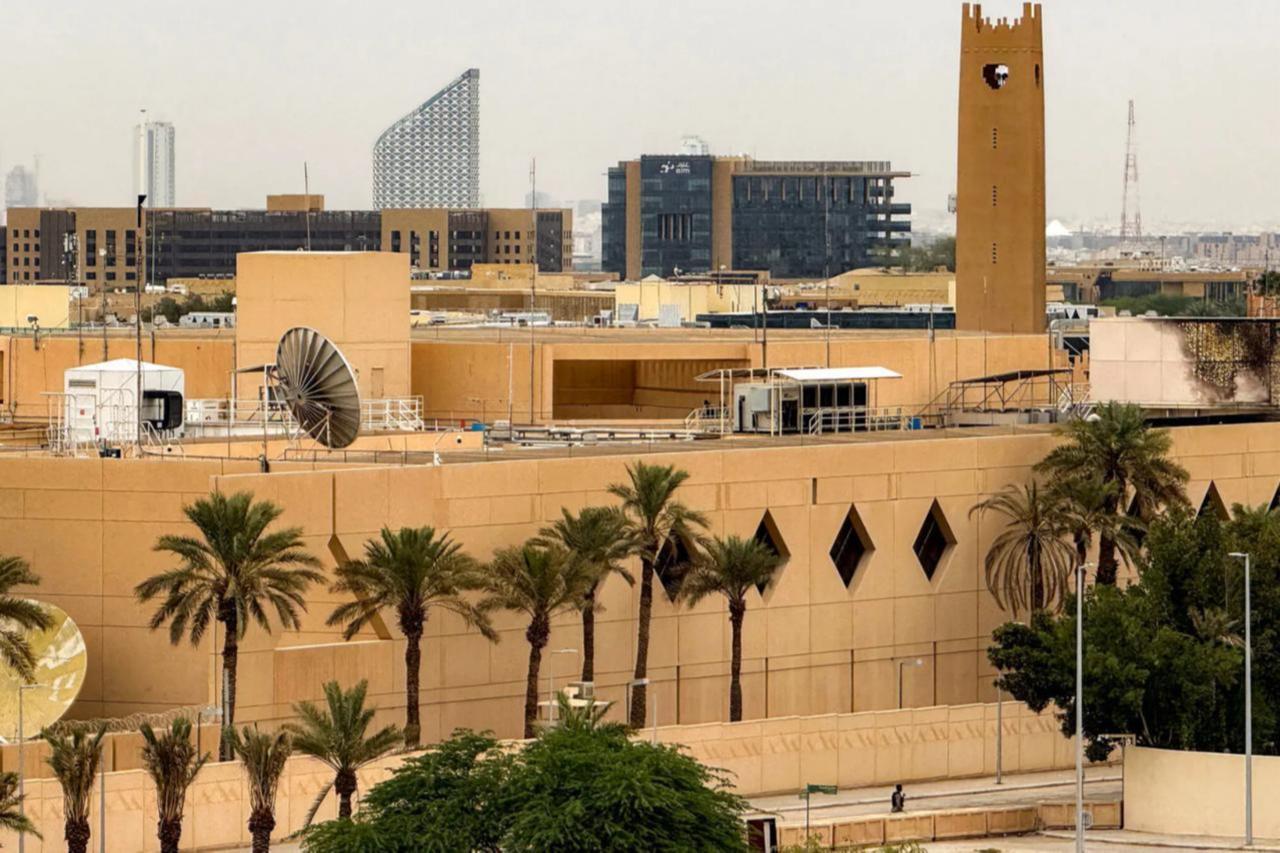
Yet media reports and satellite imagery indicate significant damage at Prince Sultan Air Base in Saudi Arabia, as well as Camp Arifjan and the Port of Shuaiba in Kuwait, where six U.S. service members were killed and dozens were injured. Satellite imagery and eyewitness accounts suggest that damage to the U.S. Naval Support Activity in Bahrain could leave it out of service for an extended period. CBS footage of the attacks on Camp Buehring in Kuwait at the start of the war further illustrates the scale of destruction.
For three decades, U.S. bases have underpinned Washington’s security commitments to regional allies and its military presence in the Middle East. The Iran war has exposed their vulnerability: advances in drone and missile technology have placed bases within Iran’s reach, while defending them consumes interceptors and resources. Some of these installations date to the Cold War and were expanded after the 1991 Gulf War. They subsequently supported U.S. campaigns in Afghanistan and Iraq and operations against Daesh, but may no longer suit today’s threat environment.
The war is likely to intensify the debate in Washington over competing priorities. Those favoring a shift toward the Western Hemisphere and the Indo-Pacific support reducing the U.S. presence in the Middle East; others argue that Washington must remain engaged and guarantee Gulf security.
Regardless of the outcome of the Iran war, the United States appears likely to reduce and reorganize its regional forces under the current administration, accelerating a trend already reflected in its drawdown in Iraq and Syria.
Nearly eight months into the conflict, 18 U.S. service members had been killed. According to Defense Secretary Pete Hegseth, the United States had withdrawn approximately 90% of its troops from bases within range of Iranian fire before the war. Before the war, the United States had also dispersed aircraft and equipment from vulnerable Gulf installations, directed operations from within the United States, and relied on facilities in Israel, Jordan, and Saudi Arabia, as well as offshore naval platforms.
A September report by the Department of Defense Inspector General put the cost of Operation Epic Fury at $33.4 billion as of June 29, with projections reaching $37.5 billion by September's end. The report documented hundreds of damaged buildings and structures across eight countries and $3.7 billion in equipment losses, including dozens of damaged or destroyed aircraft.
It did not estimate the cost of repairing the bases, citing uncertainty over future U.S. force deployments and the contributions regional partners might make to repair and reconstruction efforts. In other words, the United States has not yet decided whether to repair the damaged bases, and it remains unclear which will return to service.
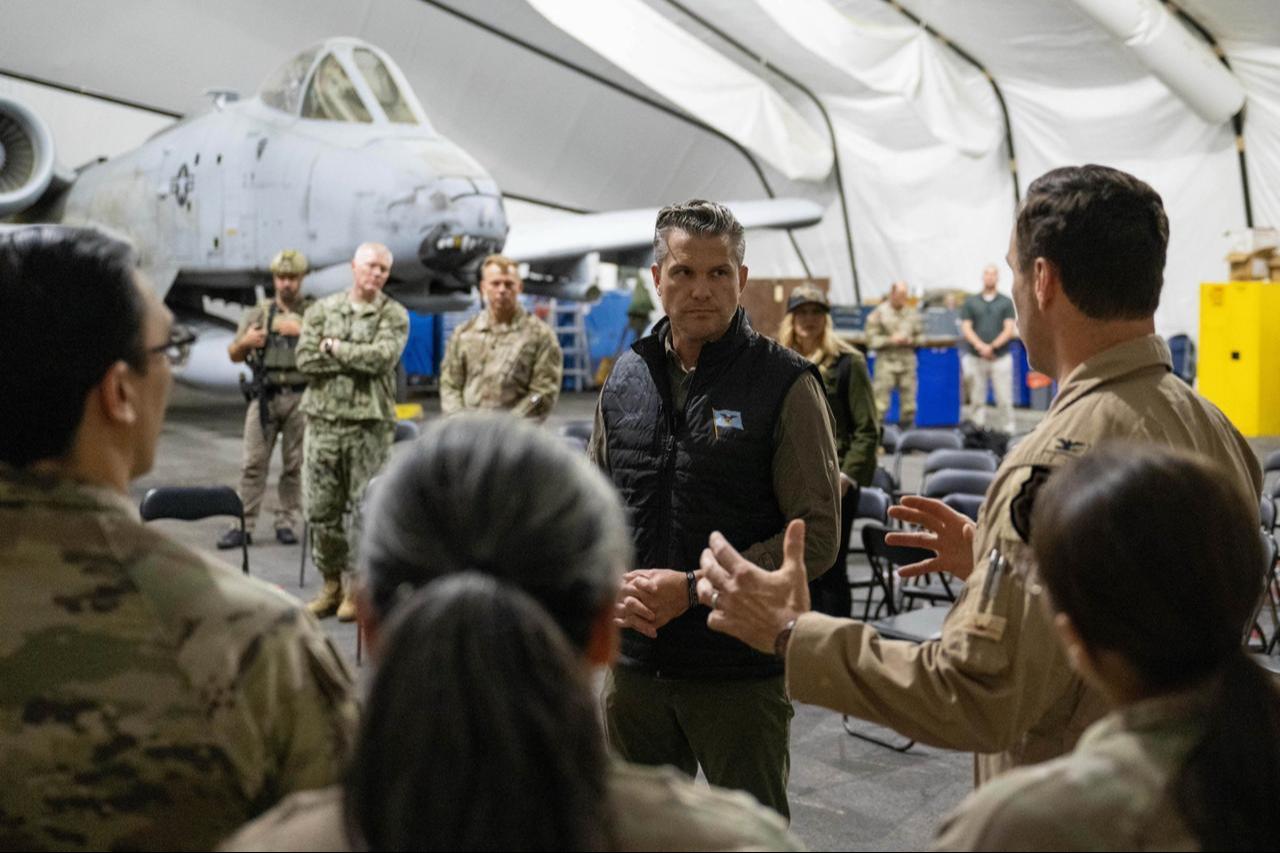

The Pentagon is reportedly reviewing the future of U.S. bases and troop deployments in the region, including whether to rebuild damaged facilities. The war demonstrated that operations could be managed without large numbers of troops stationed across the Gulf. Given the difficulty of defending installations in Bahrain, Qatar, and Kuwait, Washington could relocate some forces and equipment farther west, including to Israel, Saudi Arabia's Red Sea coast, or Egypt. Reports suggest that troops stationed at bases in Jordan, Qatar and Kuwait have been ordered to move in recent days.
Israel is one of the potential hosts. U.S.-Israeli military coordination during the war and Washington's use of Israeli bases have strengthened the case for closer basing and access agreements. Former Deputy Assistant Secretary of Defense Dana Stroul argues that the Pentagon may favor a less static regional presence, combining access agreements with Israel and positioning equipment there and along the Red Sea. However, bases on the Red Sea coast could also be vulnerable to Houthi attacks.
Decisions about U.S. basing will have major implications for Gulf countries, which rely on American forces and air-defense capabilities. Although regional governments intercepted many attacks with the help of U.S. and Israeli equipment and intelligence, some concluded that Washington had failed to protect them adequately and had prioritized Israel’s defense. Meanwhile, restrictions imposed on U.S. access to Gulf airspace and military bases exposed limits on Washington’s ability to use its regional installations.
Relocating forces would be expensive, and the costs, terms of access, and benefits of hosting U.S. assets would need to be negotiated with prospective host countries.
A reduction in U.S. troop levels or the relocation of bases could leave Gulf countries more vulnerable to future Iranian attacks, since developing alternative defense capabilities will take years.
Washington is unlikely to withdraw entirely, but a smaller presence could raise doubts about its security commitments, making clear and credible assurances to Gulf countries more important than ever. Gulf governments may still interpret a reduced U.S. military presence as a weakening of Washington’s commitment to their security.
Gulf countries were already diversifying their security partnerships, a trend that the war has further accelerated. The Mecca defense pact involving Türkiye, Saudi Arabia, and Pakistan, along with the UAE-Israel defense partnership, illustrates this shift. Ukraine, the United Kingdom, and France also supported Gulf countries during the war and could play larger roles through defense cooperation and arms sales. China, an influential player in the regional arms market, could expand its role.
Gulf countries may also pursue greater engagement with Iran rather than confrontation, as recent diplomatic signals suggest. Meanwhile, Washington could offset a reduced military presence by expanding intelligence and technology sharing and facilitating arms sales to regional partners.
As one expert suggested, the United States could maintain a fixed number of troops in the Middle East while rotating forces across the region for joint exercises and training, with partners sharing facilities, maintenance, and costs.
Whatever new forms of cooperation Washington develops, the United States will likely remain an important Gulf security partner, but it will no longer be the region's sole security guarantor.


 Set as preferred source
 Set as preferred source


 2 min read

 1 min read


