Newsletters


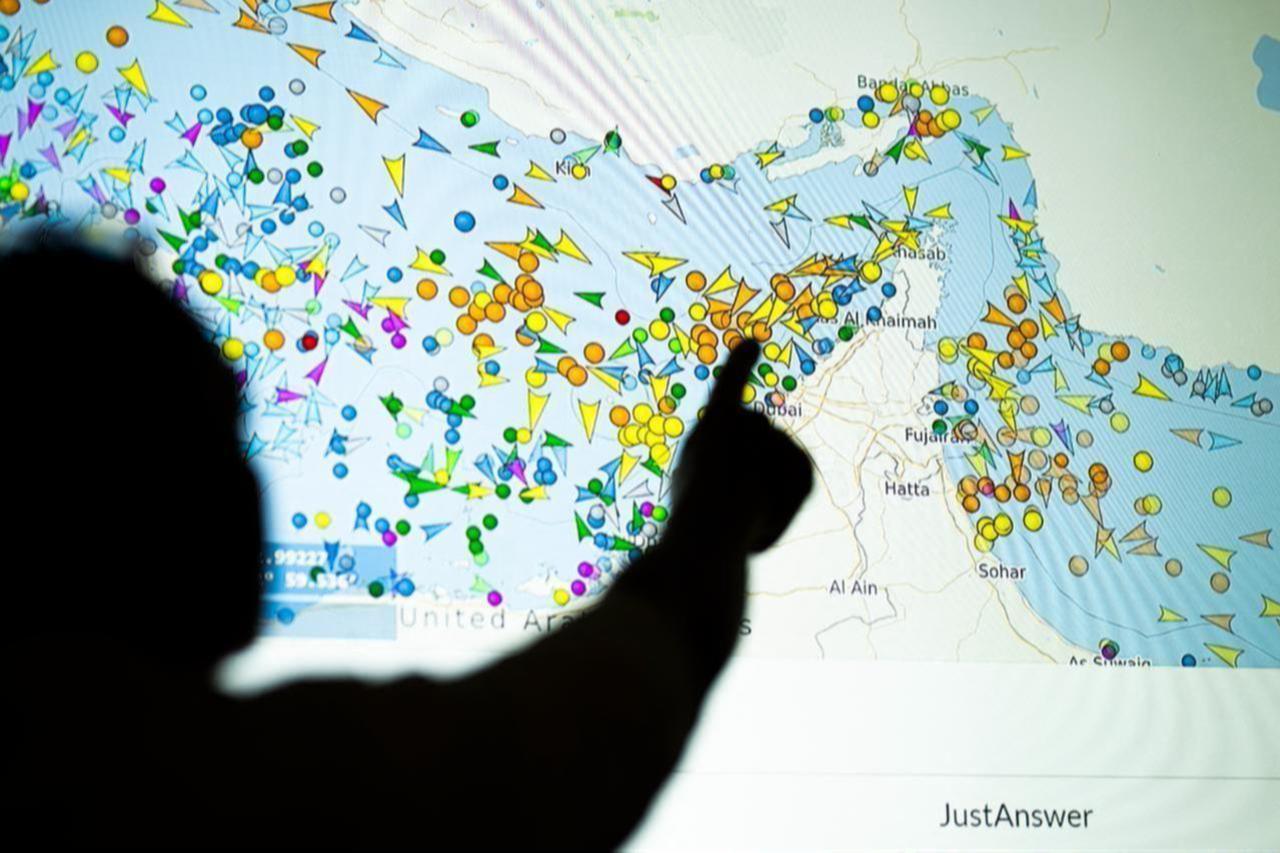


Omani and Iranian officials convened in Muscat on Sunday to negotiate a framework governing freedom of navigation through the Strait of Hormuz, amid signs that a broader diplomatic agreement between Iran and the United States may be close to fruition.
Omani Foreign Minister Badr Albusaidi met with Iran's Deputy Foreign Minister for Legal and International Affairs, Kazem Gharibabadi, who arrived at the head of a diplomatic and legal delegation.

The visit was preceded by a verbal message from Iranian Foreign Minister Abbas Araghchi addressed to his Omani counterpart, covering regional developments and the state of ongoing Iranian-American negotiations being mediated through Pakistan.
Following the bilateral meeting, the two sides convened an expanded session focused on a set of principles governing safe and lawful transit through the strait. The delegations also exchanged views on building shared capabilities to ensure the safety of shipping, trade, and supply chains, according to Oman's Foreign Ministry.
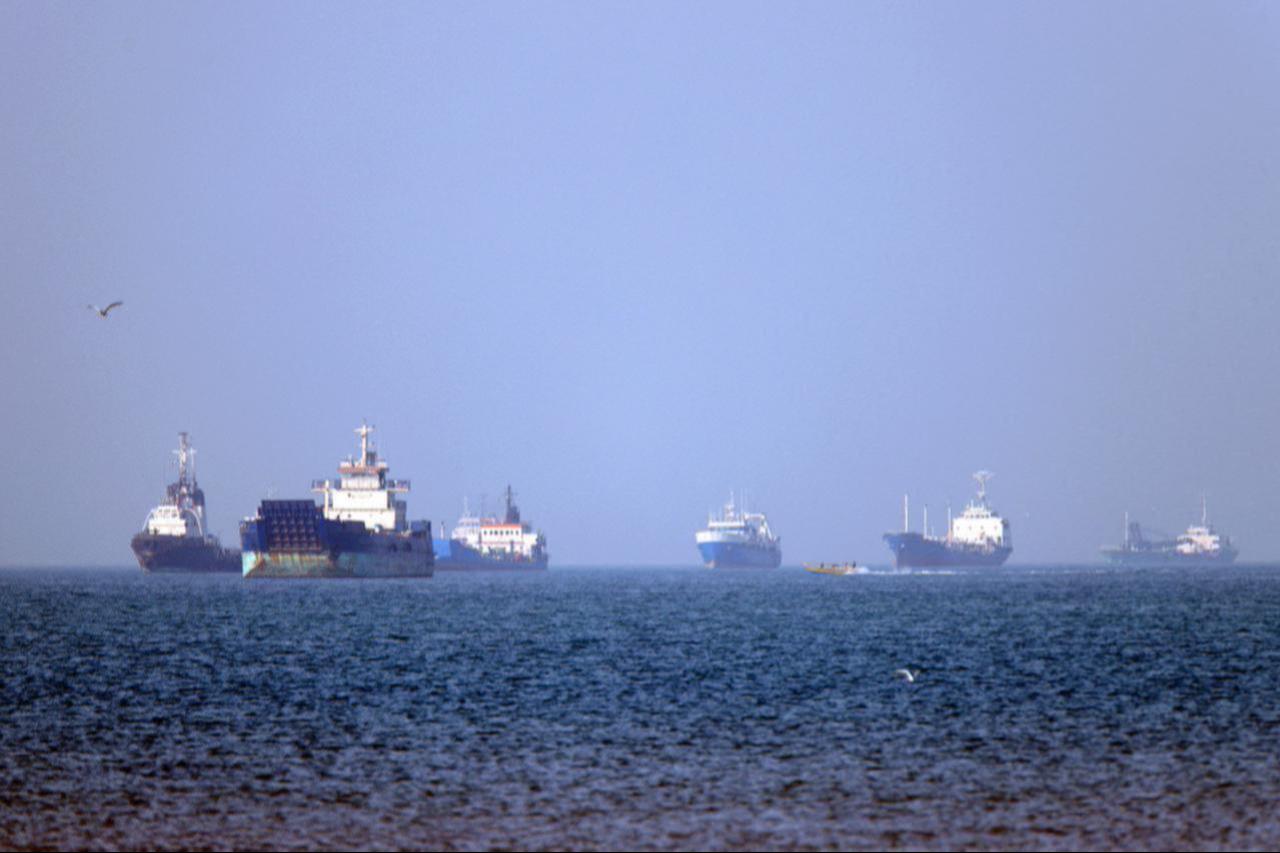
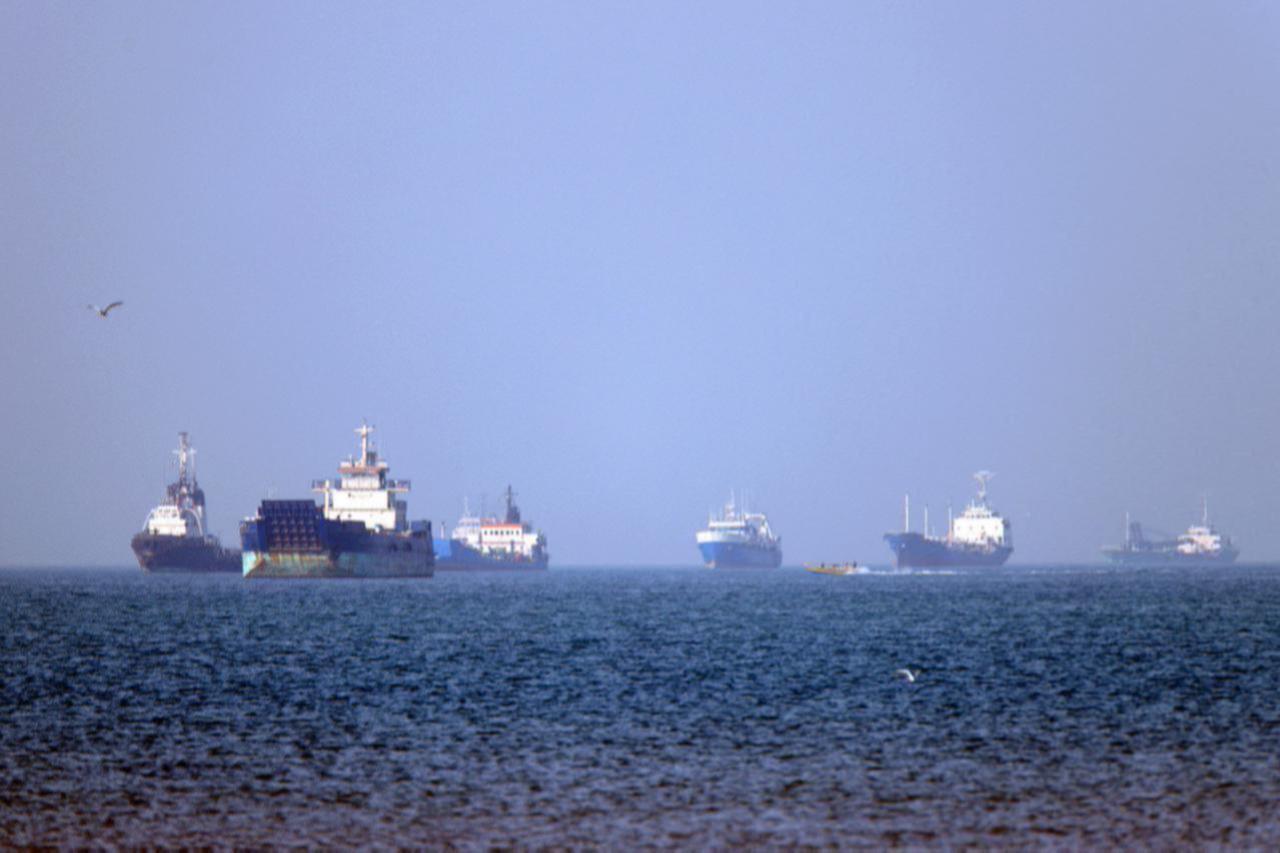
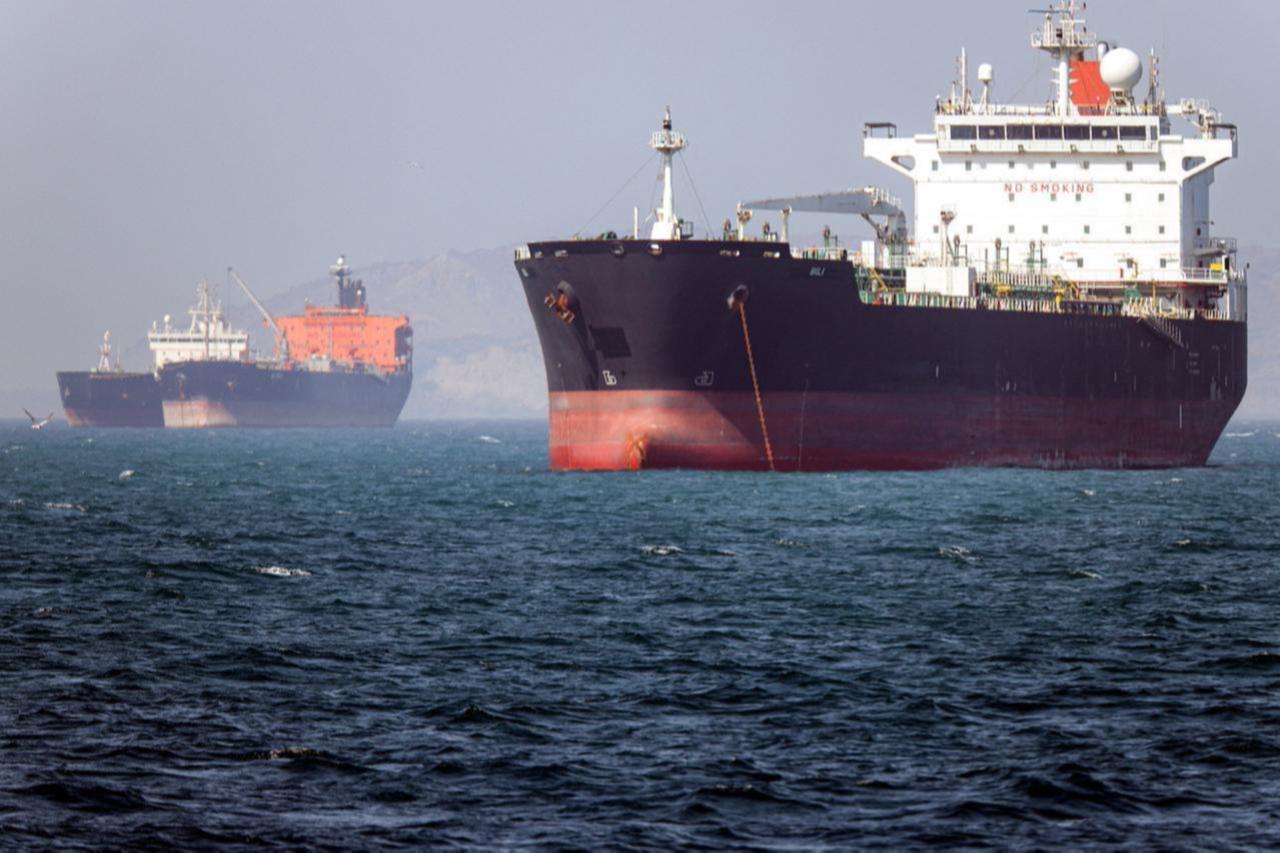
The Strait of Hormuz, just 21 nautical miles wide at its narrowest point, is the world's most consequential maritime chokepoint, through which roughly one-fifth of global oil and liquefied natural gas supplies flow.
Under the United Nations Convention on the Law of the Sea, international straits used for global navigation are subject to the principle of transit passage, guaranteeing continuous and unobstructed movement for ships of all nations. Iran has signed but not ratified UNCLOS, a distinction that has long complicated its legal posture toward the waterway, whose territorial waters are divided between Iran and Oman.
Shipping traffic through the strait declined sharply following the outbreak of a conflict that began on Feb. 28, with reports of Iranian restrictions on maritime movement drawing international condemnation. The Omani ministry said the two sides discussed efforts to restore freedom of navigation through the strait "in a safe and sustainable manner."
Sunday's talks unfolded against the backdrop of intensifying diplomatic activity between Washington and Tehran. Iran's Tasnim news agency reported that a potential memorandum of understanding between the two countries would require an end to hostilities on all fronts, including Israeli operations in Lebanon, and a US commitment to waive sanctions on Iranian oil during the negotiating period.
Under the reported terms, the Strait of Hormuz would not immediately return to its pre-war status if an agreement is reached. Instead, the volume of vessels permitted to pass would be restored to pre-war levels within 30 days, with Iran retaining an assertion of sovereign rights over the strait, the details of which Tehran said it would announce at a later stage.
US President Donald Trump said on Saturday that a deal with Iran was "largely negotiated" and awaiting finalization.
The diplomatic breakthrough has been significantly shaped by Pakistan's intervention. A ceasefire in the conflict, which began on Feb. 28, was first brokered by Islamabad on April 8. Pakistani Army Chief Asim Munir visited Tehran twice in recent weeks, with his latest trip preceding Trump's statement that a deal was nearly in hand.
Oman, a Gulf state that has historically maintained constructive ties with both Iran and Western powers, has frequently served as a back-channel for sensitive regional diplomacy. Sunday's session underscored Muscat's continued role as a forum for dialogue on the legal and operational dimensions of the strait, whose status has become one of the central flashpoints of the broader conflict.


 Set as preferred source
 Set as preferred source


 2 min read
 1 min read