Newsletters


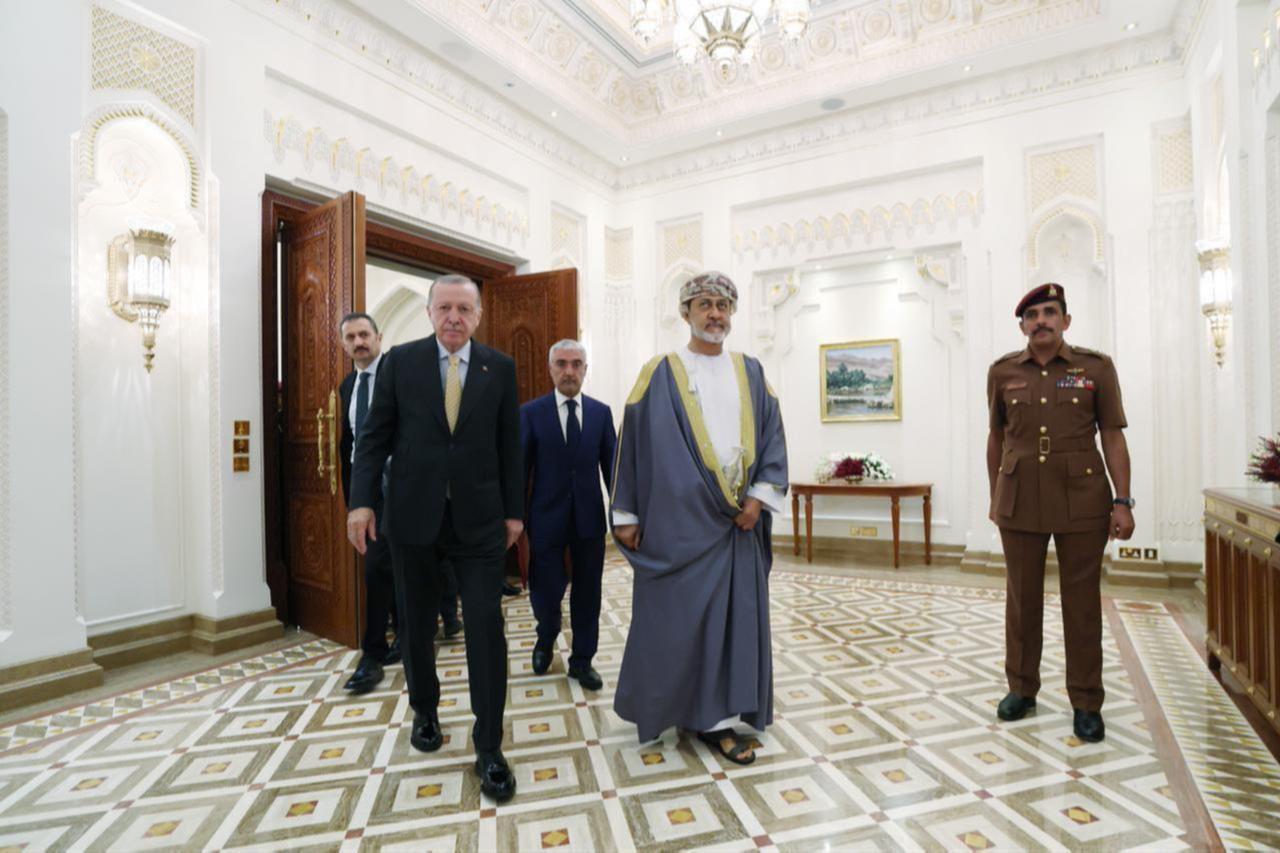


President Recep Tayyip Erdogan called on Monday for sustained diplomatic engagement to prevent further regional escalation, as Oman moved to cement its role as a key intermediary, hosting senior Iranian officials for talks on freedom of navigation through the Strait of Hormuz.
In a phone call with Omani Sultan Haitham bin Tariq, Erdogan said a renewed escalation of war in the region would serve no one's interests, and stressed that Türkiye, alongside what he described as "brotherly countries" in the region, was working toward lasting peace.
He also reaffirmed Ankara's commitment to defending Palestinian rights "on every platform," according to Türkiye's Communications Directorate. The call, which also carried Eid al-Adha greetings from Erdogan to the Sultan, underscored growing diplomatic coordination between Ankara and Muscat at a particularly sensitive moment for the region.

The day prior, Oman's Foreign Minister Badr Albusaidi received Iranian Deputy Foreign Minister for Legal and International Affairs Kazem Gharibabadi in Muscat, where the two sides convened expanded delegations to discuss a set of principles governing passage through the Strait of Hormuz in line with international law.
Gharibabadi arrived carrying a verbal message from Iranian Foreign Minister Abbas Araghchi concerning regional developments and the status of ongoing Iranian-US negotiations, which are being conducted through Pakistani mediation.
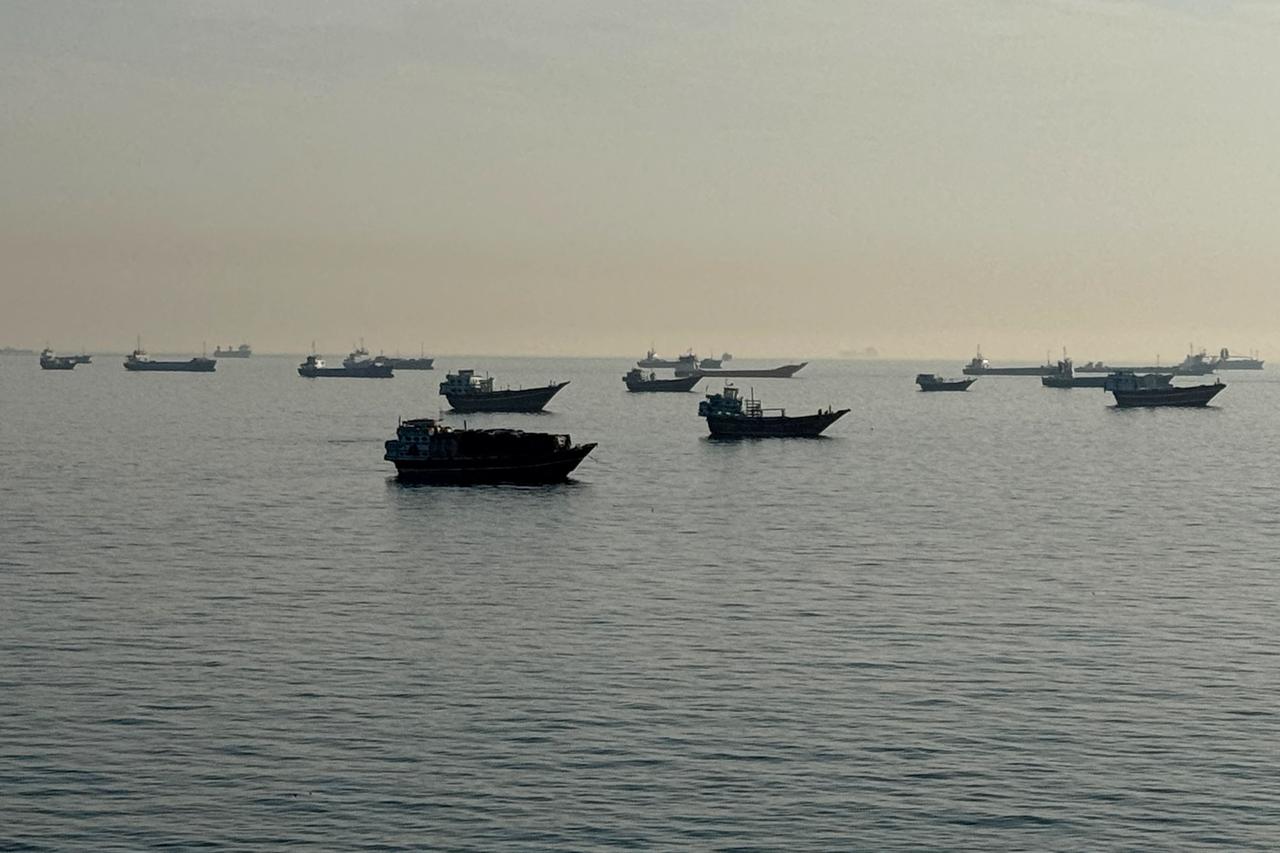
Following the initial meeting, delegations from both countries held a broader session focused on ensuring the safety of shipping, trade and supply chains, and on restoring what Oman's Foreign Ministry described as "freedom of navigation through the Strait of Hormuz in a safe and sustainable manner."
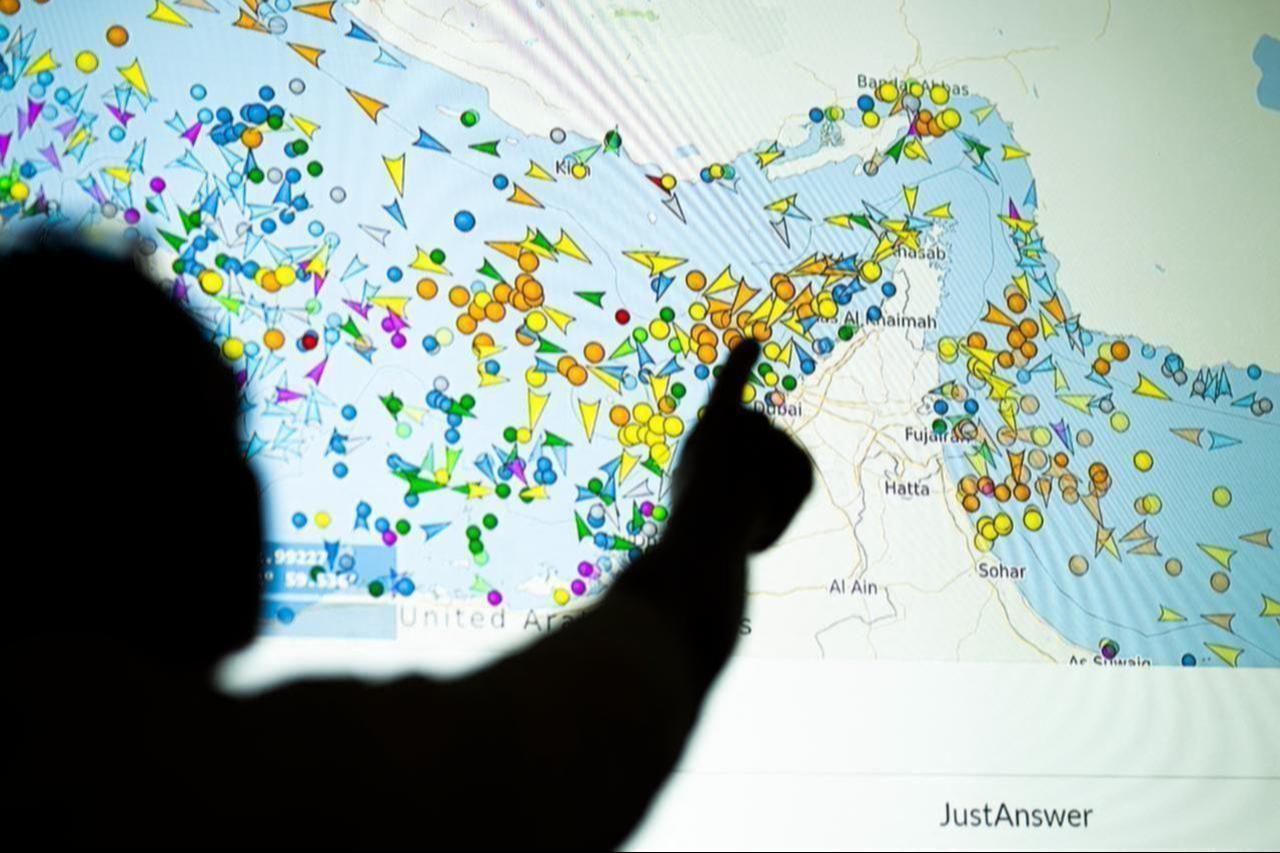
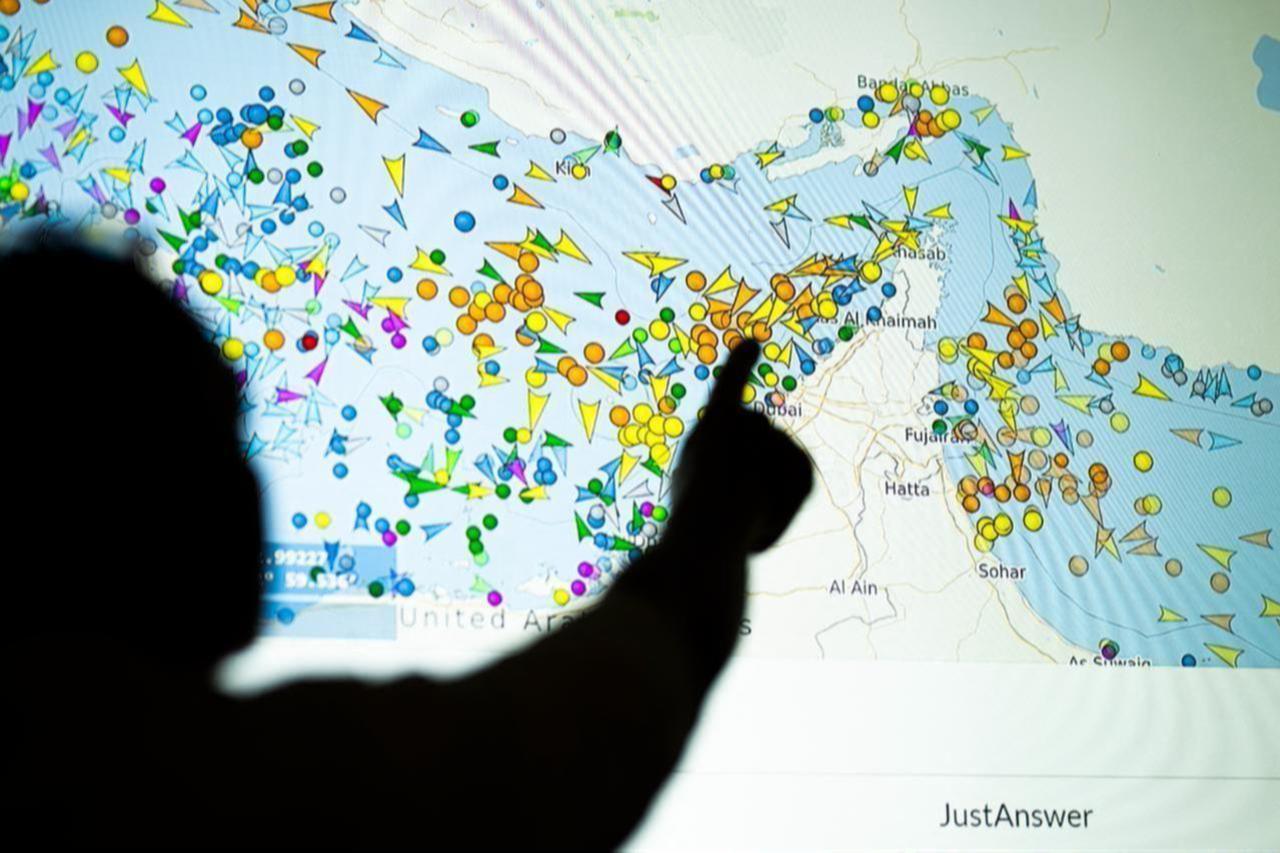
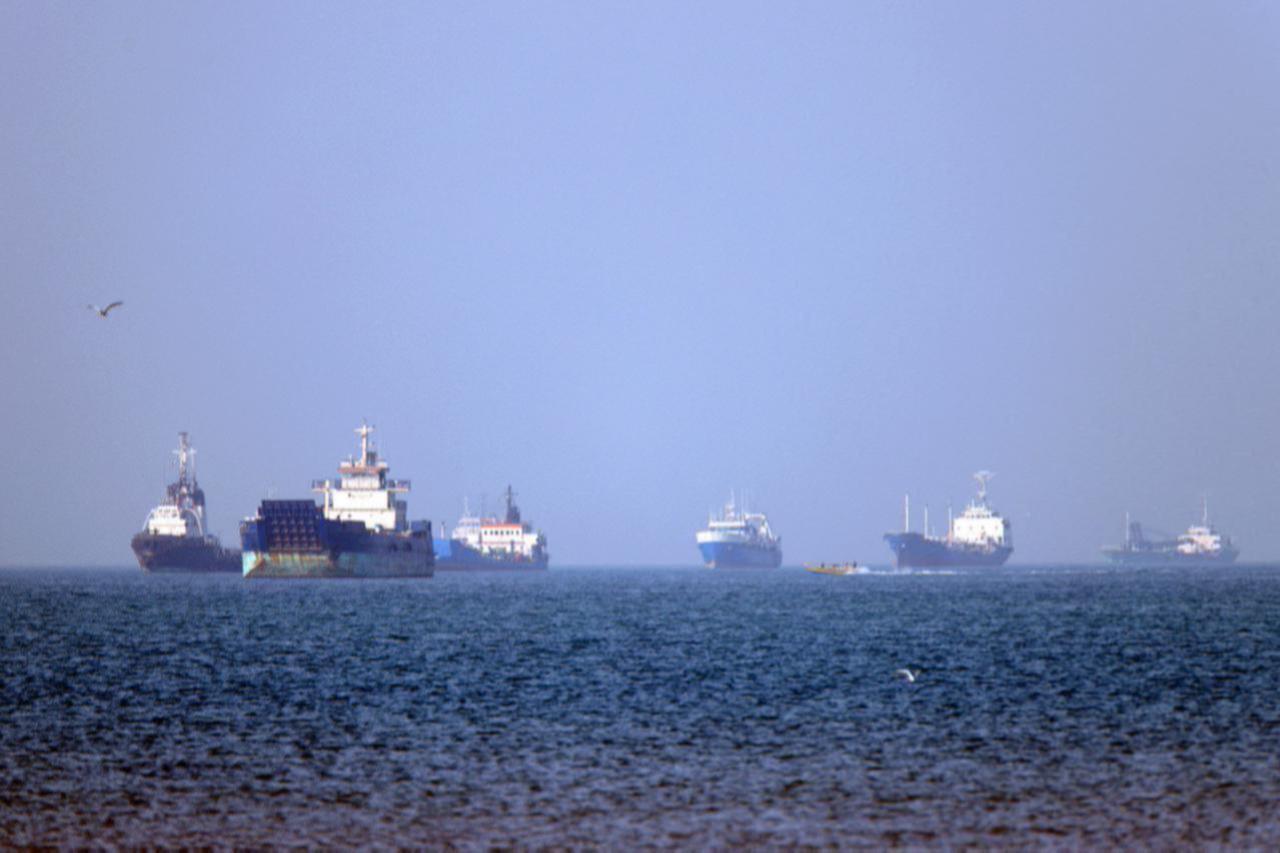
The Strait of Hormuz, a narrow waterway separating Iran from Oman and the United Arab Emirates, is among the world's most consequential maritime passages.
According to the International Energy Agency, nearly 20 million barrels of crude oil and petroleum products transited the strait daily in 2025, representing roughly a quarter of total global seaborne oil trade, along with approximately one-fifth of global liquefied natural gas shipments. Any significant disruption to traffic through the strait carries immediate consequences for energy markets and supply chains worldwide.
Iranian state-affiliated outlet Tasnim news agency reported Sunday that a potential memorandum of understanding between Tehran and Washington could include a cessation of hostilities on all fronts, among them Israel's operations in Lebanon, as well as a US commitment to waive sanctions on Iranian oil during the negotiation period.
Under the terms outlined by Tasnim, the Strait of Hormuz would not revert fully to its pre-war status following any agreement, but the volume of ships permitted to transit would be restored to pre-war levels within 30 days. The report added that Iran intends to assert its sovereign rights over the strait through means to be specified at a later date.
US President Donald Trump said on Saturday that a deal with Iran was "largely negotiated" and awaited only finalization. The diplomatic momentum followed a visit to Tehran by Pakistani army chief Asim Munir, his second in recent weeks. Pakistan first brokered a ceasefire in the conflict, which began on Feb. 28, on April 8.


 Set as preferred source
 Set as preferred source


 1 min read
 1 min read