Newsletters


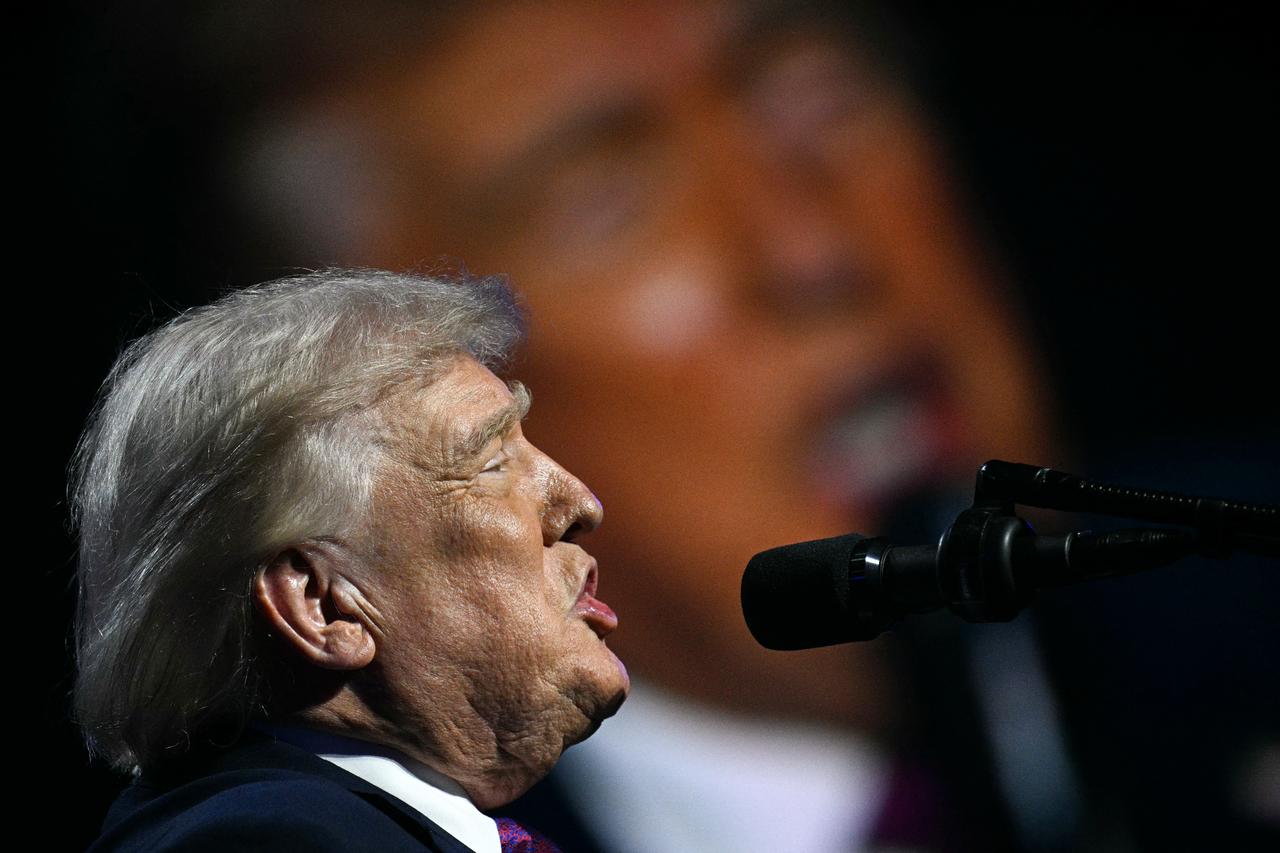


Iran's Deputy Foreign Minister Saeed Khatibzadeh criticized the United States for what he described as confusing and contradictory messaging on the ongoing negotiations.
He said that the U.S. President Donald Trump "tweets a lot, talks a lot" and leaves it to the American public to judge whether his statements were consistent or in accordance with international law.
The deputy foreign minister rejected the uranium transfer to the United States, declaring the U.S. naval blockade permanently invalid, conditioning a second round of talks on a prior agreed framework.
He also accused Washington of a "maximalist approach" that prevented a deal in the first round, and warned that Iran would defend itself "to the last bullet and the last soldier" if the war resumed.
Asked about Trump's threat to resume bombing if no deal was reached by Wednesday, Khatibzadeh was blunt.
"That's President Trump talk, he talks too much. He said contradictory things within the same statement. I don't know exactly what he meant," he said.
He added: "The American side tweets a lot, talks a lot, sometimes confusing, sometimes contradictory. So I don't want to judge what he means. The American people should decide whether his statements are consistent or in accordance with international law or not."
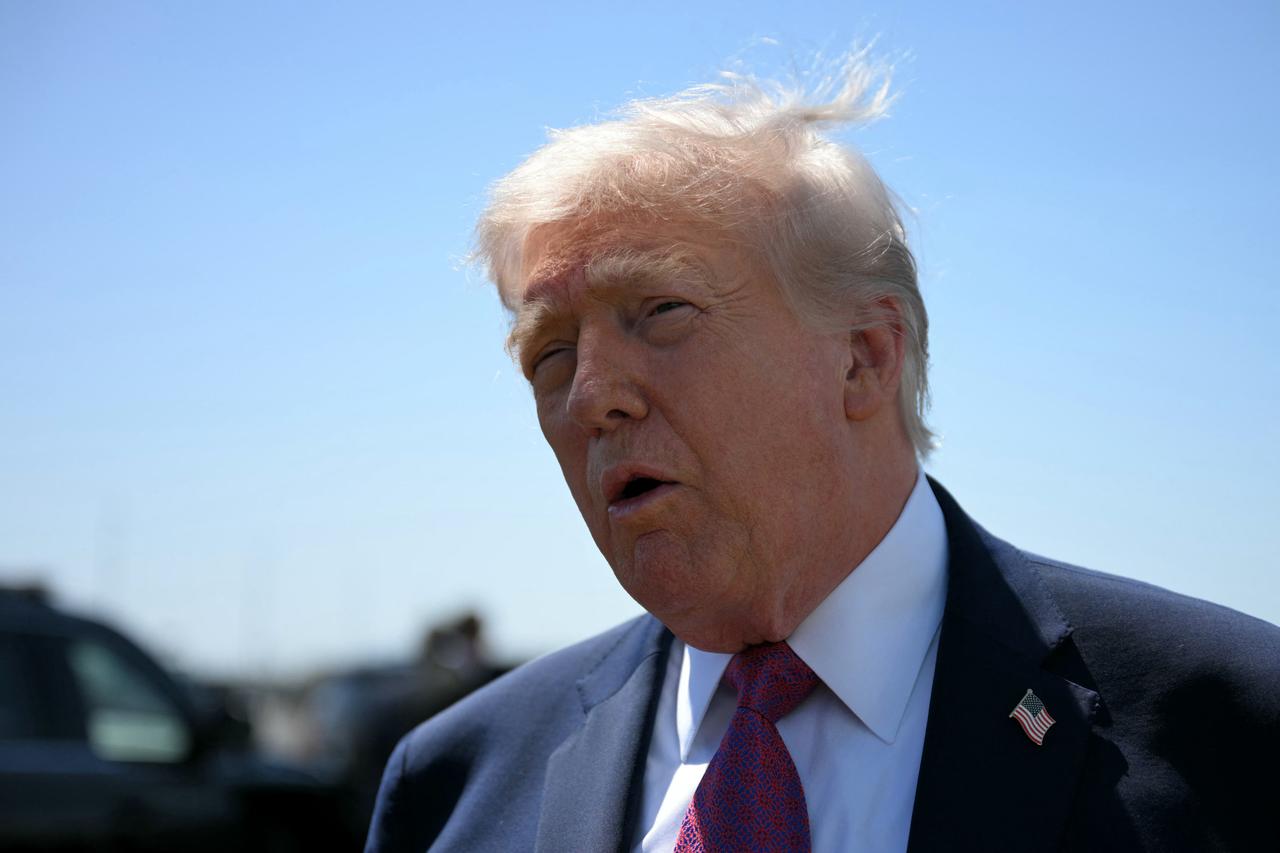

Khatibzadeh was unambiguous on the precondition for any next round of talks.
"Until we agree on the framework, we cannot set the date. Now we are focusing on finalizing the framework of understanding between two sides. We don't want to enter into any negotiation or meeting which is due to failure and which can be a pretext for another round of escalation," he said.
He said significant progress had been made in the first round but that the other side's approach had blocked agreement.
"There was significant progress made but this maximalist approach by the other side prevented us from reaching an agreement," he added.
He stressed Iran's firm position on international law.
"Iran would not accept to be an exception from international law. We do have responsibilities and we do have rights," citing commitments under the IAEA and the Non-Proliferation Treaty.
Tasnim News Agency separately confirmed, citing relevant Iranian authorities, that Tehran "has not, up to this moment, agreed to the next round of talks" due to the U.S. naval blockade and Washington's "excessive demands."
The message had been conveyed to Washington through Pakistani mediators.
"We informed the American side of our non-agreement to a second round through the Pakistani intermediary," a source told Tasnim.
Khatibzadeh framed Iran's posture as fundamentally diplomatic while placing conditions on the U.S.
"Things are sensitive these days but I can assure you that Iran is very much committed to diplomacy," he said, adding that the other side should "abandon its maximalist position" and respect international law to ensure "results-oriented" diplomacy.
"Alternatives to diplomacy are so unattractive," he said.
Khatibzadeh dismissed Trump's claim that the U.S. would go into Iran and retrieve the enriched uranium stockpile, referred to by Trump as "nuclear dust." Iran's position, he made clear, was that the material would not be transferred to the United States under any terms currently on the table, and that any nuclear arrangements must conform to Iran's rights under international law.
Khatibzadeh was categorical on the U.S. naval blockade of Iranian ports.
"There will never be any blockade in the future. The era of colonialism must come to an end. The U.S. cannot dictate orders to other nations," he said.
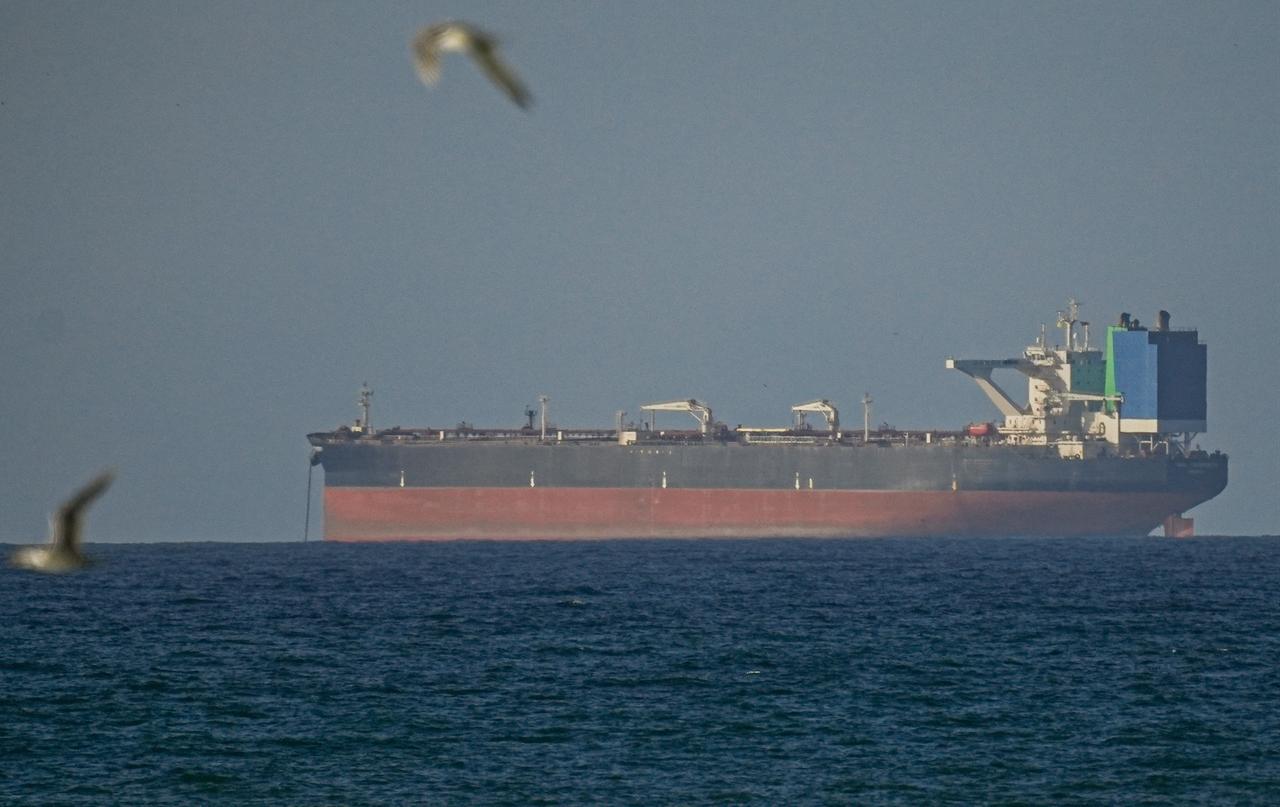
He added, "Americans cannot impose their will to do a siege over Iran while Iran, with good intention, is trying to facilitate safe passage through the Strait of Hormuz."
Khatibzadeh addressed the Strait of Hormuz in historical terms, placing responsibility for its closure on the U.S.-Israel military campaign.
"This Strait of Hormuz was open before the aggression for millennia. We would like to see this strait open and safe for passage. If they would like to see the Strait of Hormuz open again, they have to stop this aggression," he said, accusing the U.S. of seeking to undermine regional security.
While maintaining Iran's commitment to diplomacy, Khatibzadeh issued an unambiguous warning.
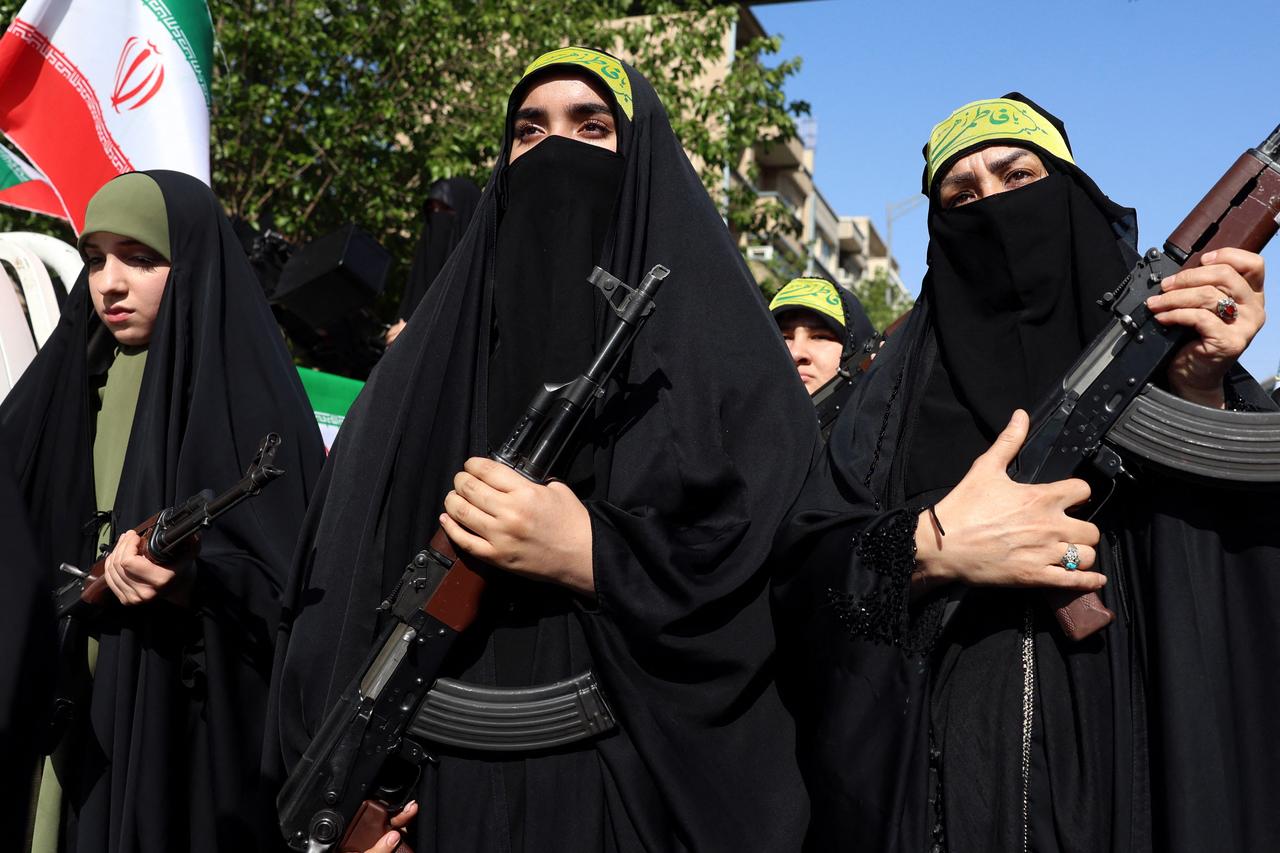
"We are going to defend ourselves heroically, patriotically, and we are going to defend Iran to the last bullet that we do have, the last soldiers that we do have," he said, adding that Iran believed "war cannot lead to any positive outcome," but that Tehran would respond with full force if attacked.


 Set as preferred source
 Set as preferred source


 1 min read
 1 min read