Newsletters


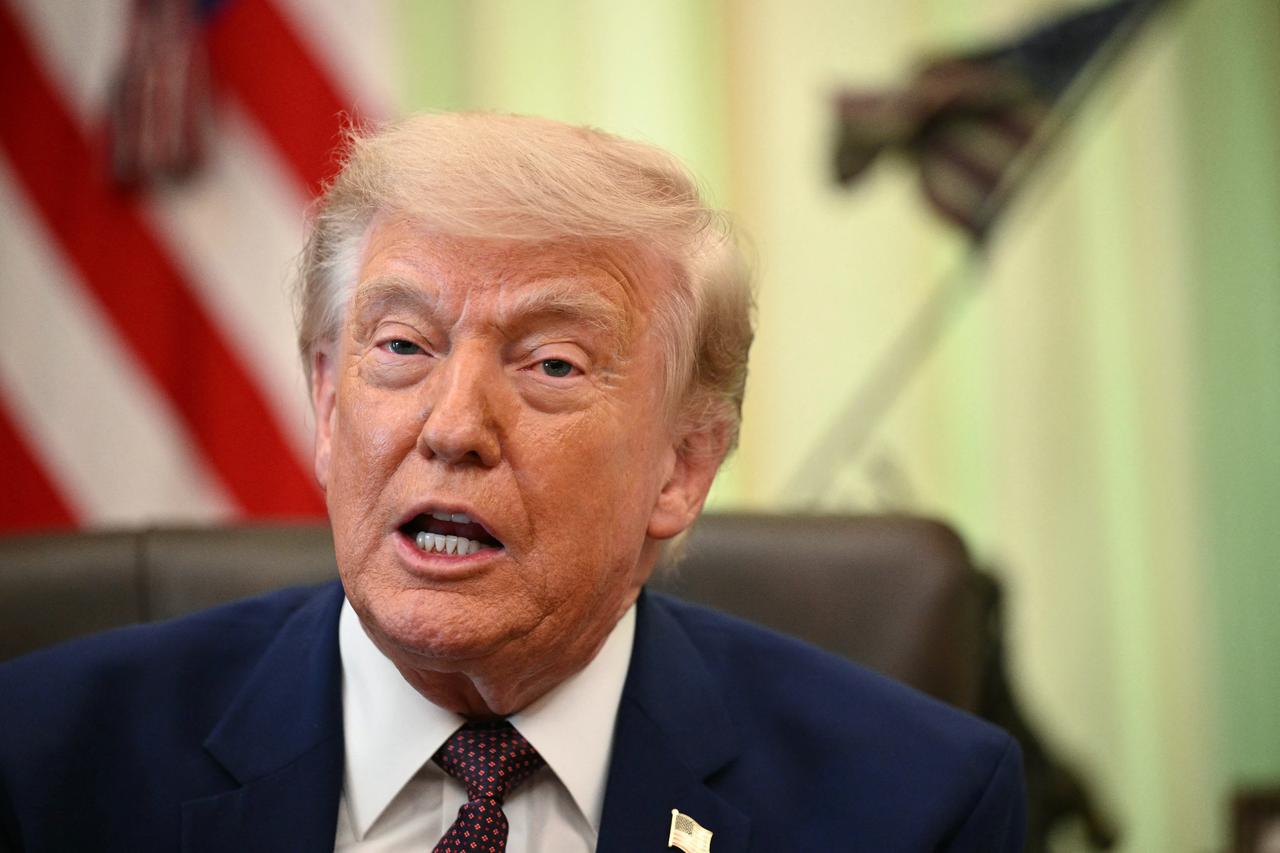


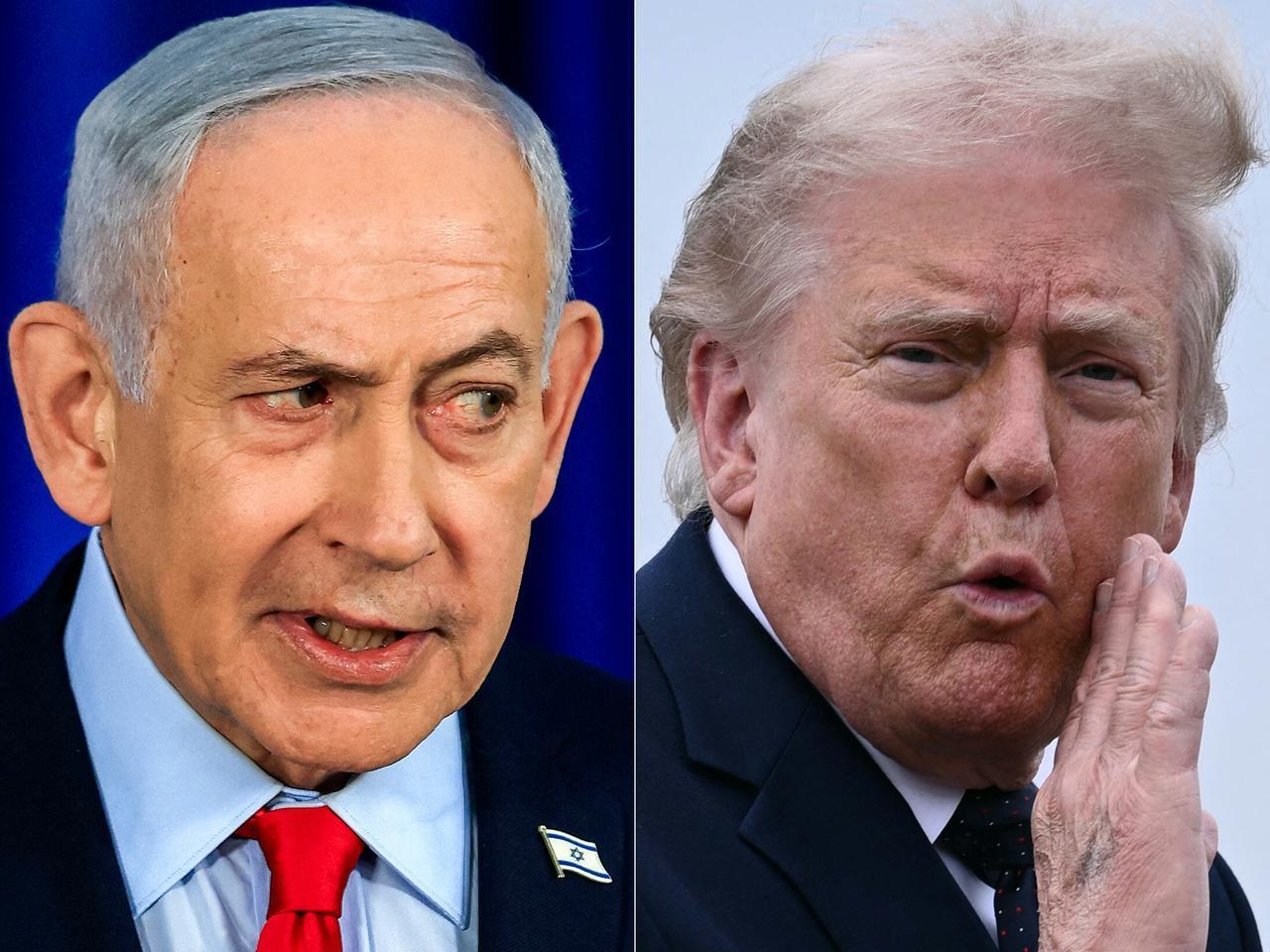
Two senior U.S. officials say Donald Trump wants to end the war, while Benjamin Netanyahu appears intent on resuming it. The rift was underscored by a furious phone call in which Trump reportedly forced Israel to abandon planned strikes on Beirut. One official described the moment with a damning remark: “Sometimes Bibi doesn't know when to stop.”
Trump chastised Netanyahu in a Monday call and pulled the brakes on the planned Beirut strikes after Iran threatened to abandon nuclear negotiations with Washington and launch missiles at Israel over Israeli actions in Lebanon, Axios reported.
The fallout inside Israel was immediate.
Rivals and some hawkish government allies accused Netanyahu of making Israel an American "vassal" and surrendering Israeli sovereignty to Trump.
"It was a terrible phone call. Trump really hammered Bibi. He demanded that he immediately back down from the plan to strike Beirut in order not to blow up the situation in Lebanon, and through that, the negotiations with Iran," an Israeli source told Axios.
Netanyahu did not deny that Trump had called him "crazy" or claim he would have remained in jail without Trump's help.
The Israeli prime minister told CNBC that the two had argued before but always maintained their close partnership. Trump confirmed Axios's reporting about the call to the New York Post, adding that he likes Netanyahu and has worked well with him.
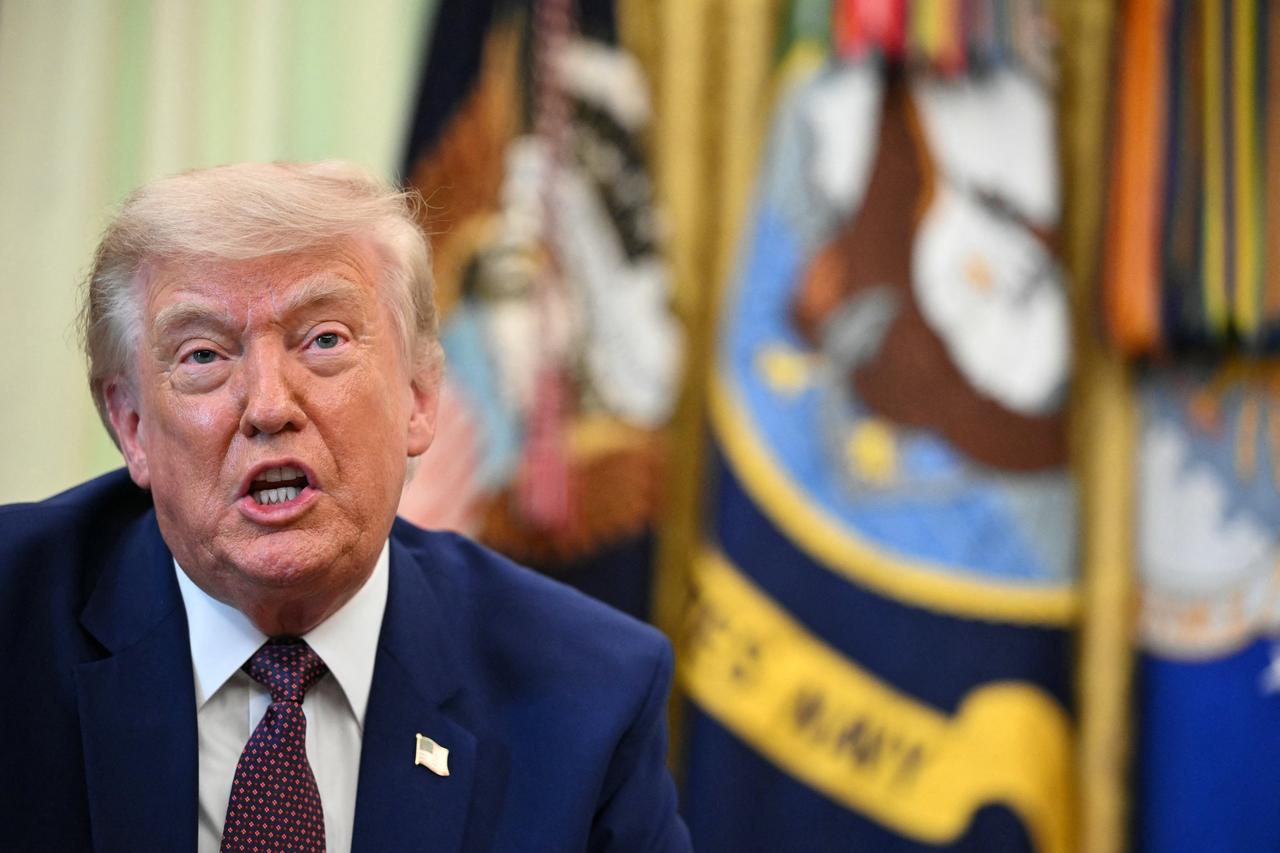

Netanyahu himself said Tuesday that it was an "open question" as to whether he and Trump were aligned on how the war with Iran should end, a remarkable public admission given the two leaders speak almost daily and have coordinated closely on Iran policy.
With an election expected by October, Netanyahu has not delivered on his promise to destroy Hamas or on his plans for regime change in Iran and faces intense domestic criticism over ongoing Hezbollah attacks. Every incoming drone or missile siren near the border generates fresh pressure on him to respond.
That pressure led Netanyahu to vow major strikes on Hezbollah targets in Beirut before Trump forced him into retreat.
Netanyahu is now concerned, according to an Israeli source who speaks regularly with the prime minister and his close advisers, that the tense call is a prelude to further U.S. restrictions on Israel's freedom of operations in Lebanon.
The source said Netanyahu fears Washington will apply "much stricter criteria" to Israeli strikes across Lebanon, not just Beirut, before giving its green light.
On Wednesday, after two days of U.S.-mediated talks in Washington, Lebanon and Israel announced a renewed ceasefire and a plan to establish "pilot zones" placing the Lebanese army in exclusive territorial control, with all non-state actors excluded.
The agreement followed weeks of near-daily Israeli strikes on Lebanon that have killed more than 3,500 people since March 2, despite a prior ceasefire that took effect April 17.
Lebanese President Joseph Aoun said Thursday that implementation "could begin within 24 hours" of final approval.
He described the Washington negotiations as "very difficult," saying they resumed only after intervention by U.S. Secretary of State Marco Rubio following a suspension by Lebanese delegation head Simon Karam.
"We are awaiting the responses of all concerned parties and guarantees of compliance, and implementation could begin within 24 hours of final approval," Aoun said.
Hezbollah, which did not take part in the talks, rejected the agreement outright.
In a statement, the group said it had "officially informed President Joseph Aoun of its rejection of the agreement, insisting that any acceptable deal must begin with a full Israeli withdrawal from all Lebanese territory."
The group added that the return of displaced residents, reconstruction efforts, and the release of Lebanese prisoners were "essential conditions for any future agreement."
Israel's military continued strikes in southern Lebanon throughout Thursday, with blasts reported near Nabatieh.
The Israeli army warned residents not to move south of the Zahrani River, saying "facilities and infrastructure located in your villages and nearby" were the targets and that "anyone heading south endangers their life."
Meanwhile, the Israeli Defense Minister, Israel Katz, said the military would continue operations and remain deployed across the south it occupies, a buffer zone Israel says is meant to protect northern communities, and that hundreds of thousands of displaced Lebanese residents would not be allowed to return for now.
Israeli forces currently occupy approximately 2,000 square kilometers of Lebanese territory, roughly one-fifth of the country, in the deepest incursion since Israel's withdrawal to the Blue Line in 2000.


 Set as preferred source
 Set as preferred source


 1 min read


 1 min read