Newsletters




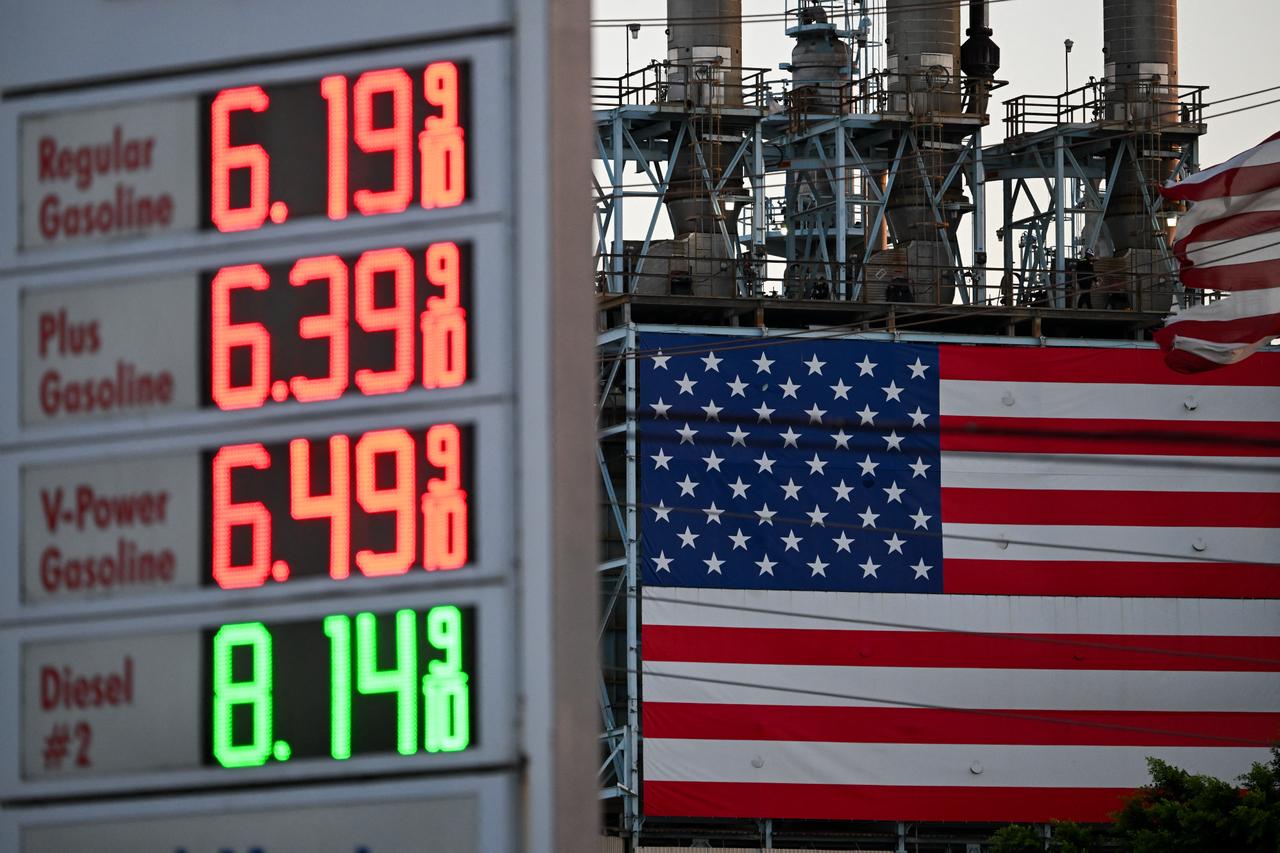
Oil prices edged lower Thursday, pulling back from recent gains as reports of a ceasefire agreement between Israel and Lebanon eased concerns about a broader conflict in the Middle East.
International benchmark Brent crude fell 1% to $96.8 per barrel, while U.S. benchmark West Texas Intermediate (WTI) dropped 1% to $95.1 per barrel as of 7:30 a.m. GMT.
Asian markets traded lower, with technology stocks leading the decline after U.S. chipmaker Broadcom issued weaker-than-expected forecasts for its artificial intelligence-related revenue, dampening investor sentiment across the sector.
Japan’s Nikkei 225 fell 1.4% to close at 67,470.69, while South Korea’s Kospi dropped 1.8%. The sell-off extended across the region, sending Hong Kong’s Hang Seng Index down 1.5% and China’s Shanghai Composite lower by 0.6%.
European equities, meanwhile, moved higher as investors welcomed signs of easing geopolitical tensions in the Middle East, with the pan-European Stoxx 600 rising 0.4%, Germany’s DAX gaining 0.6%, and France’s CAC 40 advancing 0.7%. Britain’s FTSE 100 edged up 0.1%, while Türkiye’s BIST 100 outperformed most regional peers with a 0.7% increase.
Precious metals also strengthened during the session as gold climbed 0.6% to $4,460 and silver matched the gain to reach $73.2 per ounce, while palladium added 0.3% to $1,290 per ounce and platinum rose 0.9% to $1,860 per ounce.
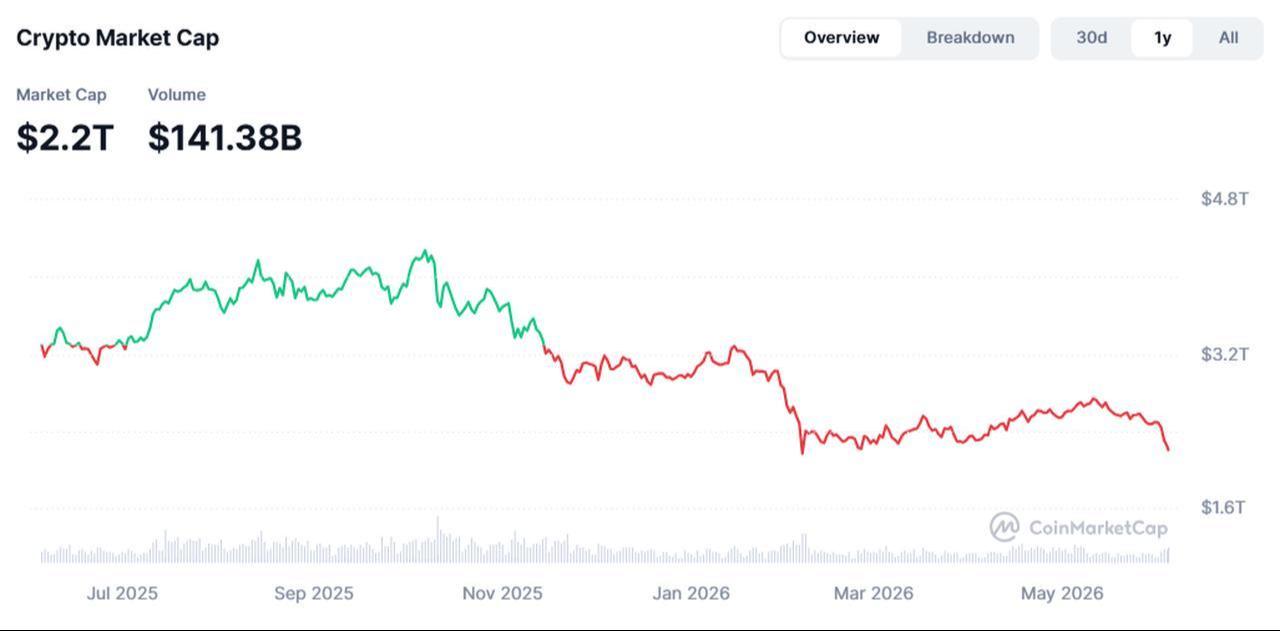
Bitcoin and Ethereum extended their losses, falling more than 5.4% to around $63,460 and $1,770, respectively, while the total cryptocurrency market capitalization shrank 4.8% to $2.2 trillion.

A ceasefire framework agreed by Israel and Lebanon helped ease market concerns over a wider conflict in the Middle East, reducing fears of further disruptions to regional energy supplies. The agreement, reached after two days of negotiations at the U.S. State Department, establishes "pilot zones" where the Lebanese Armed Forces would take sole responsibility for security while Hezbollah would be excluded.
The development also raised hopes that diplomatic efforts involving Iran could continue moving forward. U.S. President Donald Trump said talks with Tehran were going "very well" and suggested progress could emerge as early as this weekend, adding that Iran was close to reaching an agreement with Washington.
Iran, however, offered a more cautious assessment, with Foreign Minister Abbas Araghchi saying contacts with the United States remain open but no meaningful progress has been achieved in the negotiations so far.
Meanwhile, concerns that interest rates could remain elevated for longer continued to weigh on risk appetite. U.S. private-sector employment increased by 122,000 in May, exceeding expectations and marking the strongest rise since January 2025, reinforcing expectations that the Federal Reserve may keep monetary policy tighter for longer.


 Set as preferred source
 Set as preferred source


 1 min read
 1 min read