Newsletters


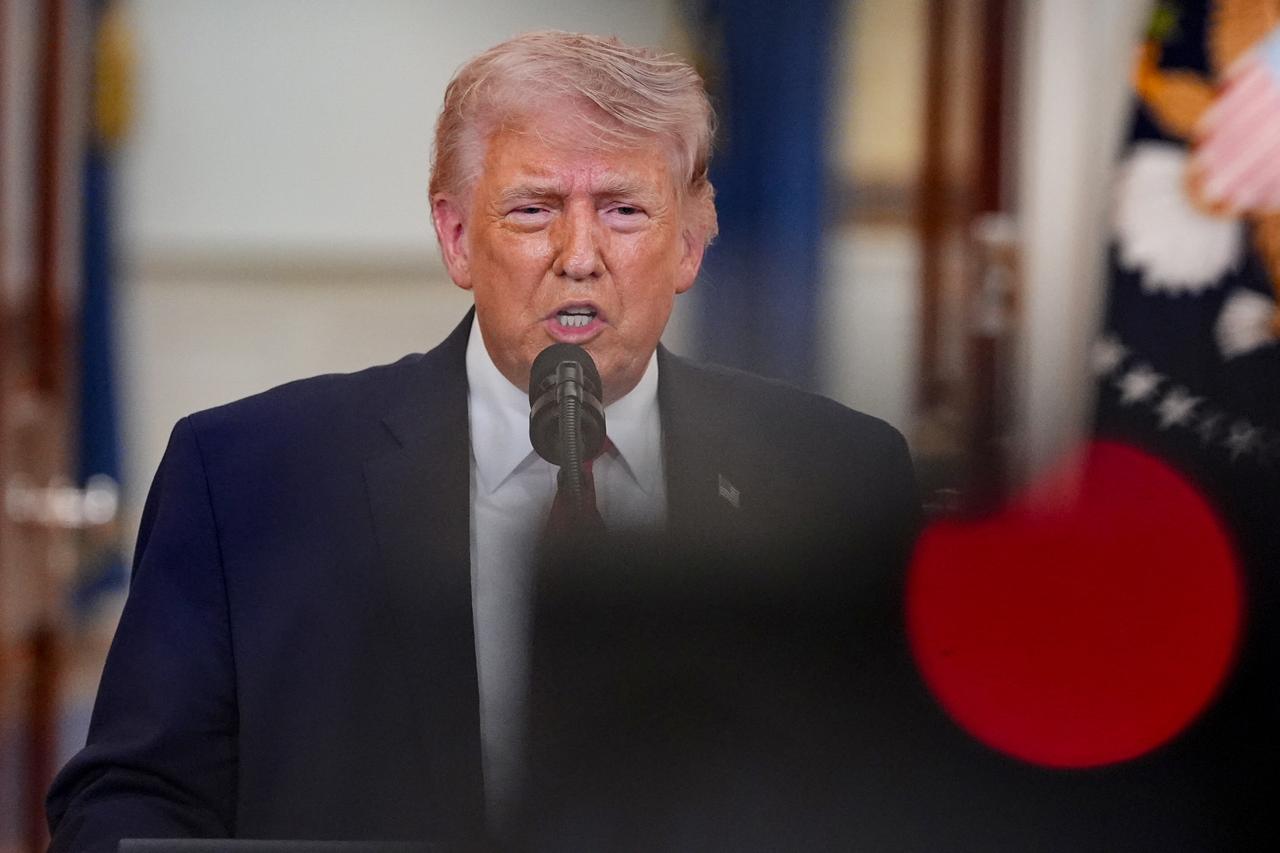


U.S. President Donald Trump said Saturday that Iran has 48 hours to make a deal or reopen the Strait of Hormuz, warning that otherwise “all hell will reign down.”
“Remember when I gave Iran ten days to MAKE A DEAL or OPEN UP THE HORMUZ STRAIT,” Trump wrote on Truth Social, referring to his ultimatum issued on March 26.
“Time is running out -- 48 hours before all Hell will reign (sic) down on them,” the president said, adding: “Glory be to GOD!”
Trump on Friday said the United States could “open” the Strait of Hormuz and “take the oil” if given more time.
“With a little more time, we can easily OPEN THE HORMUZ STRAIT, TAKE THE OIL, & MAKE A FORTUNE. IT WOULD BE A ‘GUSHER’ FOR THE WORLD???” Trump posted on Truth Social.
The message did not explain how the United States could end Iranian control over the Strait of Hormuz or what oil Trump was referring to.

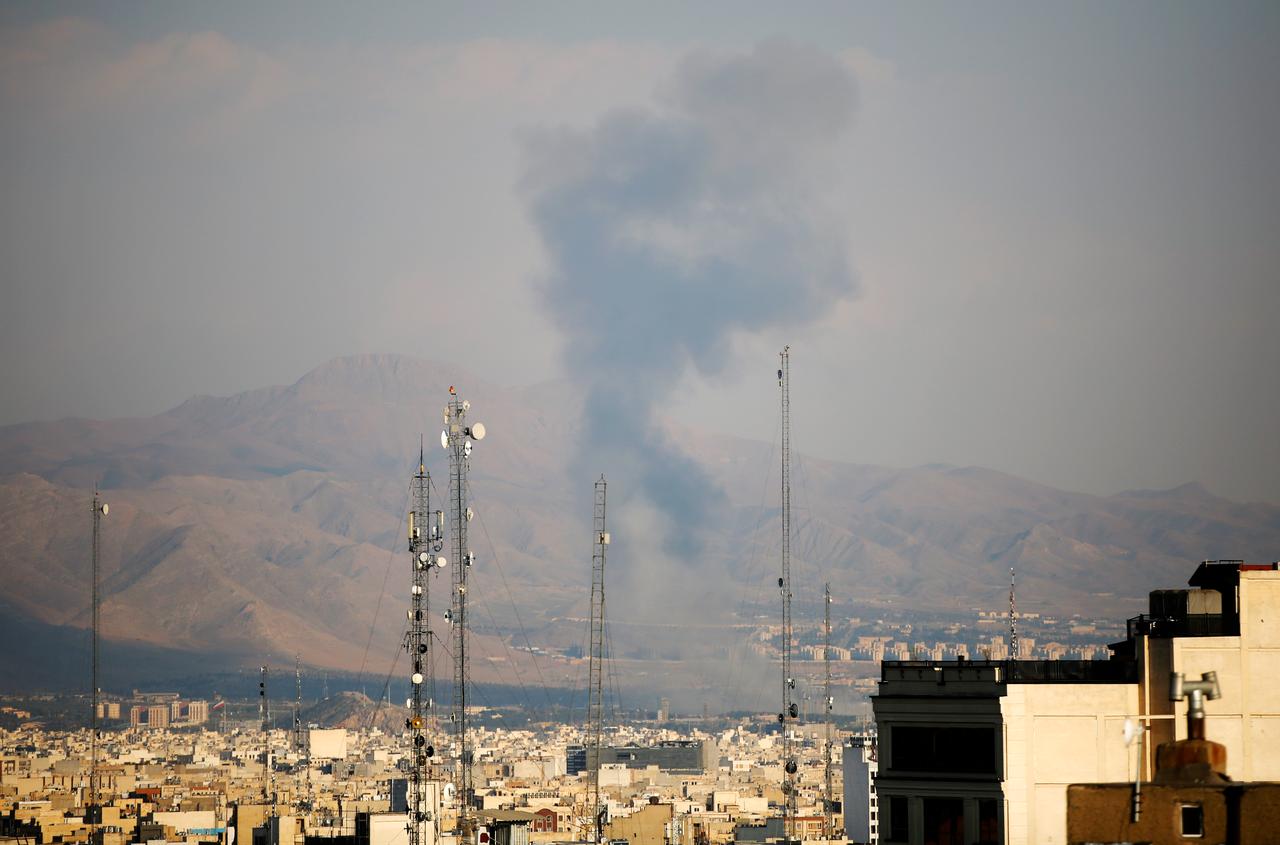
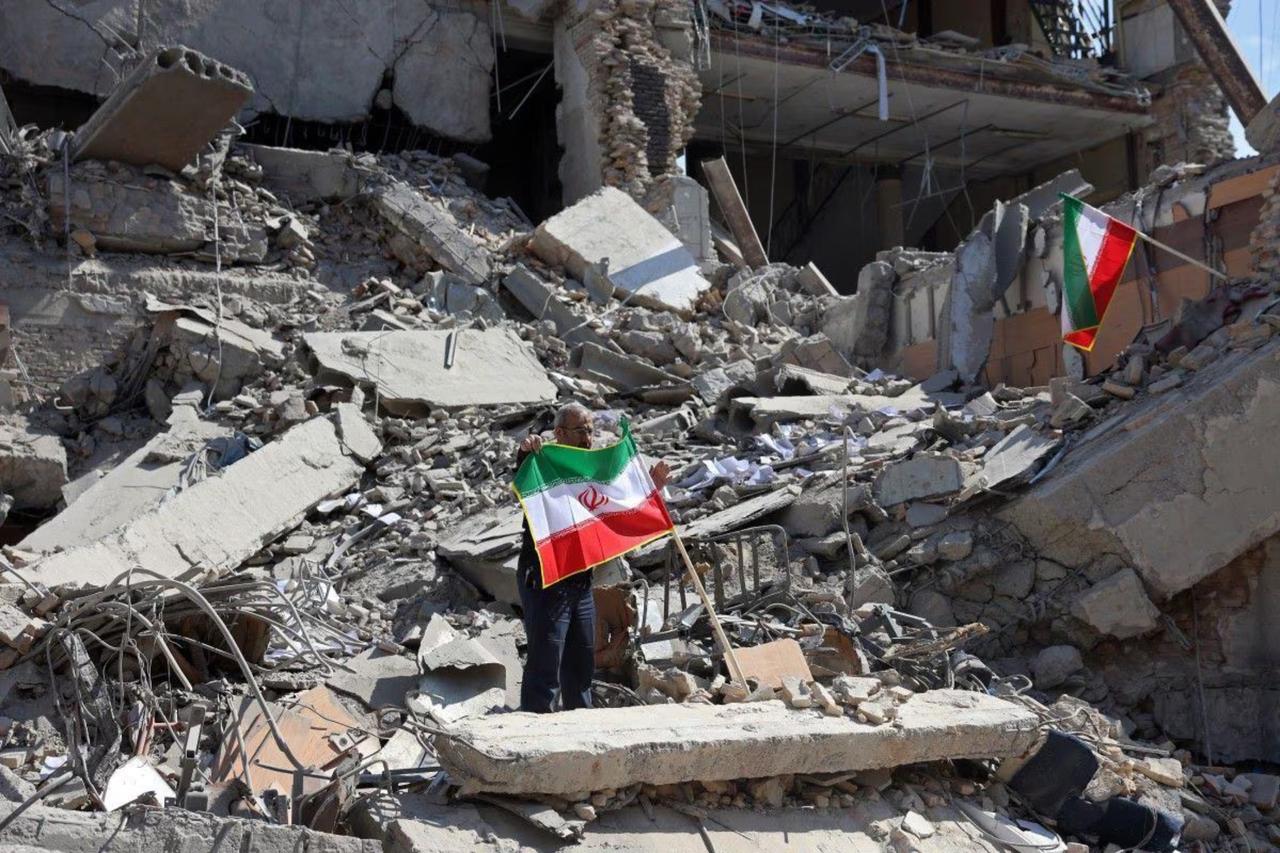
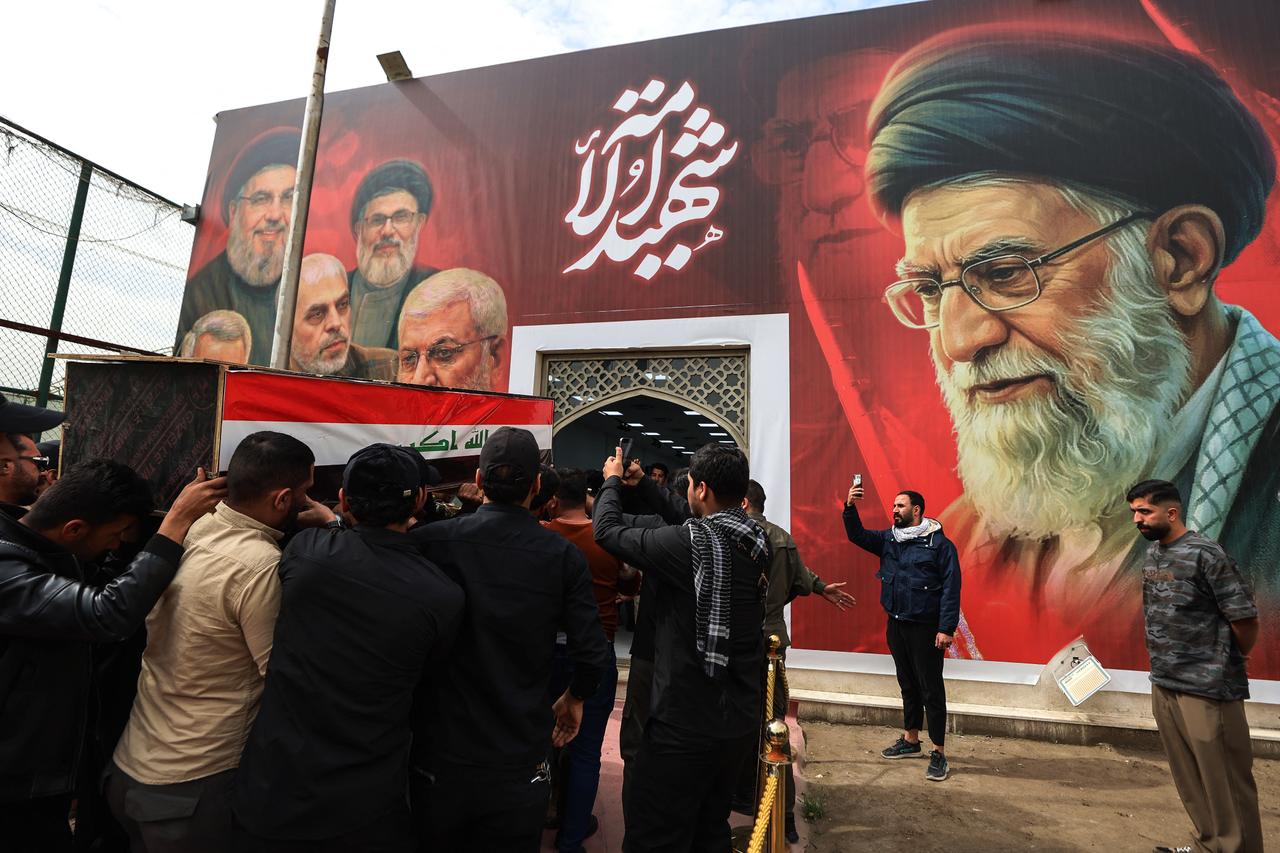
The remarks came in the second month of the U.S.-Israeli war on Iran, which since Feb. 28 has killed more than 1,340 people, including then-Supreme Leader Ali Khamenei. Iran has responded with drone and missile strikes targeting Israel, Jordan, Iraq and Gulf states hosting U.S. forces.
While Trump has called on NATO allies in Europe to contribute naval forces to secure the Strait of Hormuz, several key members have resisted involvement, highlighting strategic differences and debate over the alliance’s role. Some allies also pointed out that the United States launched the war without consulting NATO partners.
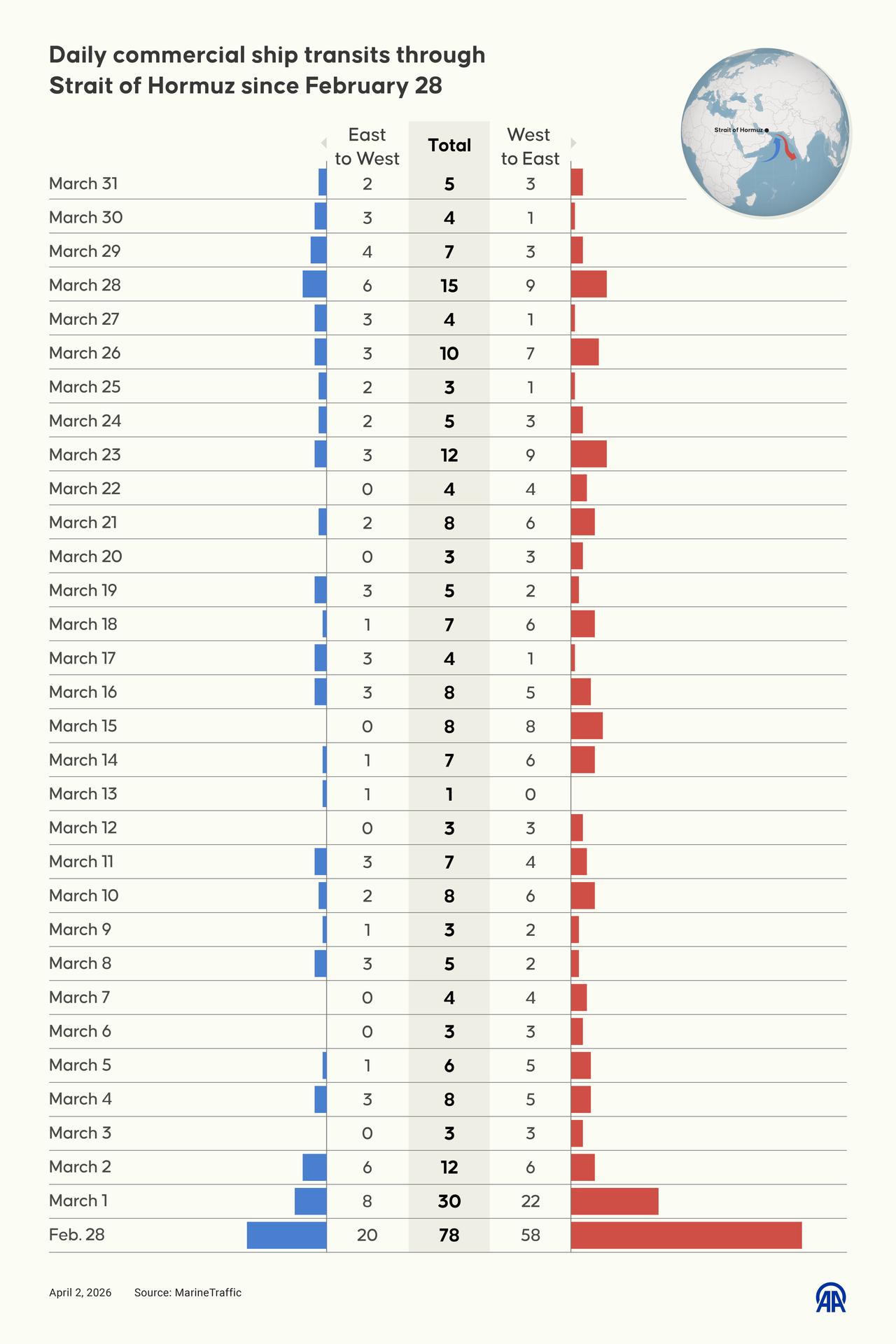
Rising tensions in the region have caused disruptions in the Strait of Hormuz, which handles around 20% of global oil trade. Tanker traffic has slowed sharply, with crossings dropping to zero on some days and overall traffic declining by more than 90%.
The daily transport of 15 million barrels of crude oil through Hormuz is now at risk, while rising insurance costs and security concerns are putting additional pressure on shipments.
The developments pushed oil prices from around $70 to $120, marking an increase of nearly 70%. On the natural gas side, the rise has been even sharper, with Europe’s benchmark TTF gas contracts climbing from around €30 to the €60–€70 range.
Although the decision by member countries of the International Energy Agency (IEA) to release 400 million barrels from emergency oil reserves signaled additional supply to the market, volatility continues amid concerns that the war in the region could intensify.
On the natural gas side, measures such as increasing storage use, accelerating spot LNG supply and managing demand have been introduced, but prices remain elevated due to continuing supply risks.
Meanwhile, Iran approved on Saturday the passage of ships carrying humanitarian and essential goods through the Strait of Hormuz, according to a letter by the Agriculture Ministry’s trade development office, Iran’s semi-official Tasnim News Agency reported.
Backed by the government and the armed forces, the directive permits vessels carrying essential goods and livestock feed to pass through under designated protocols, the report said.
After the approval, industry associations informed their member companies to proceed with sending cargo ships to southern Iranian ports following the removal of previous restrictions, it added.
Regional tensions have escalated since the United States and Israel launched a joint offensive on Iran on Feb. 28, killing more than 1,340 people to date, including then-Supreme Leader Ali Khamenei.
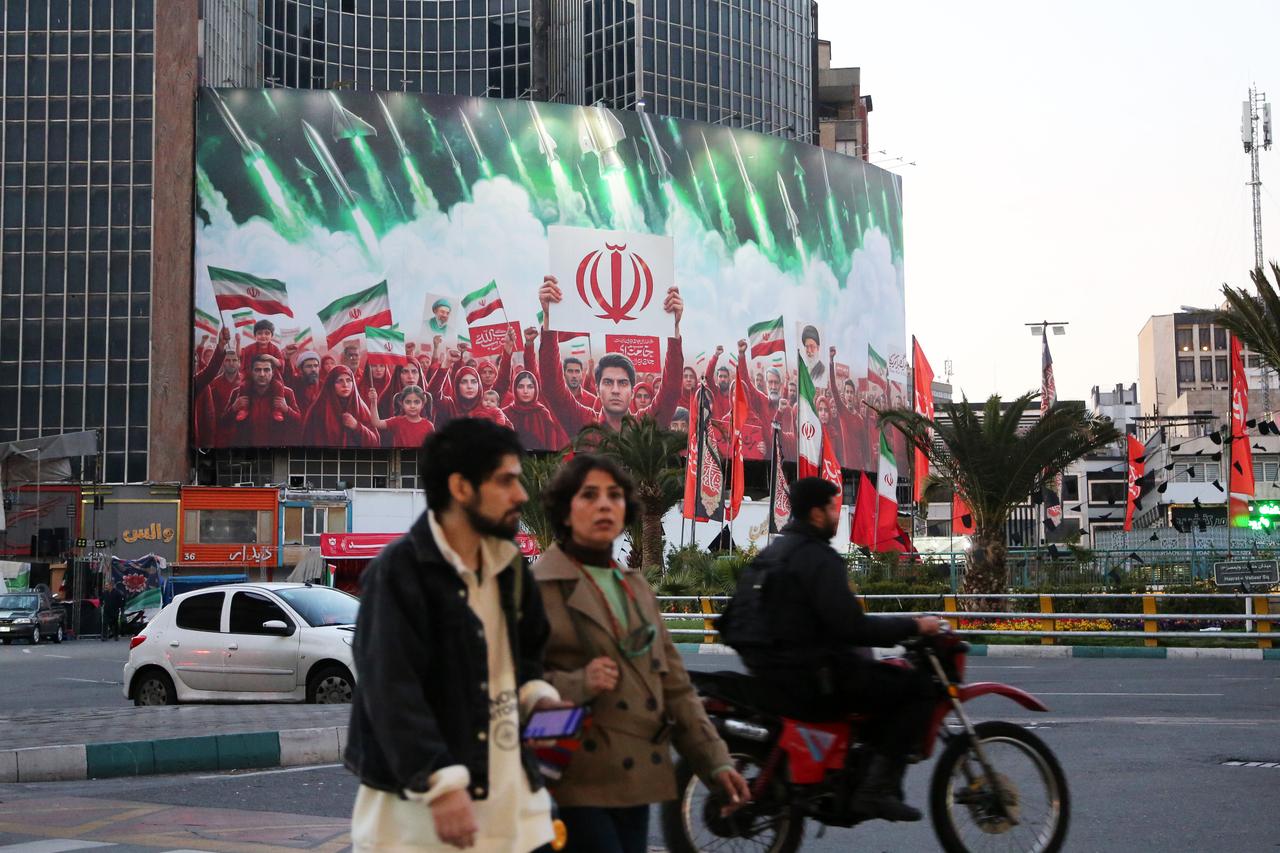
Tehran has retaliated with drone and missile strikes targeting Israel, as well as Jordan, Iraq and Gulf countries hosting U.S. military assets. Iran has also restricted the movement of ships through the Strait of Hormuz.


 Set as preferred source
 Set as preferred source


 1 min read
 1 min read