

 Newsletters


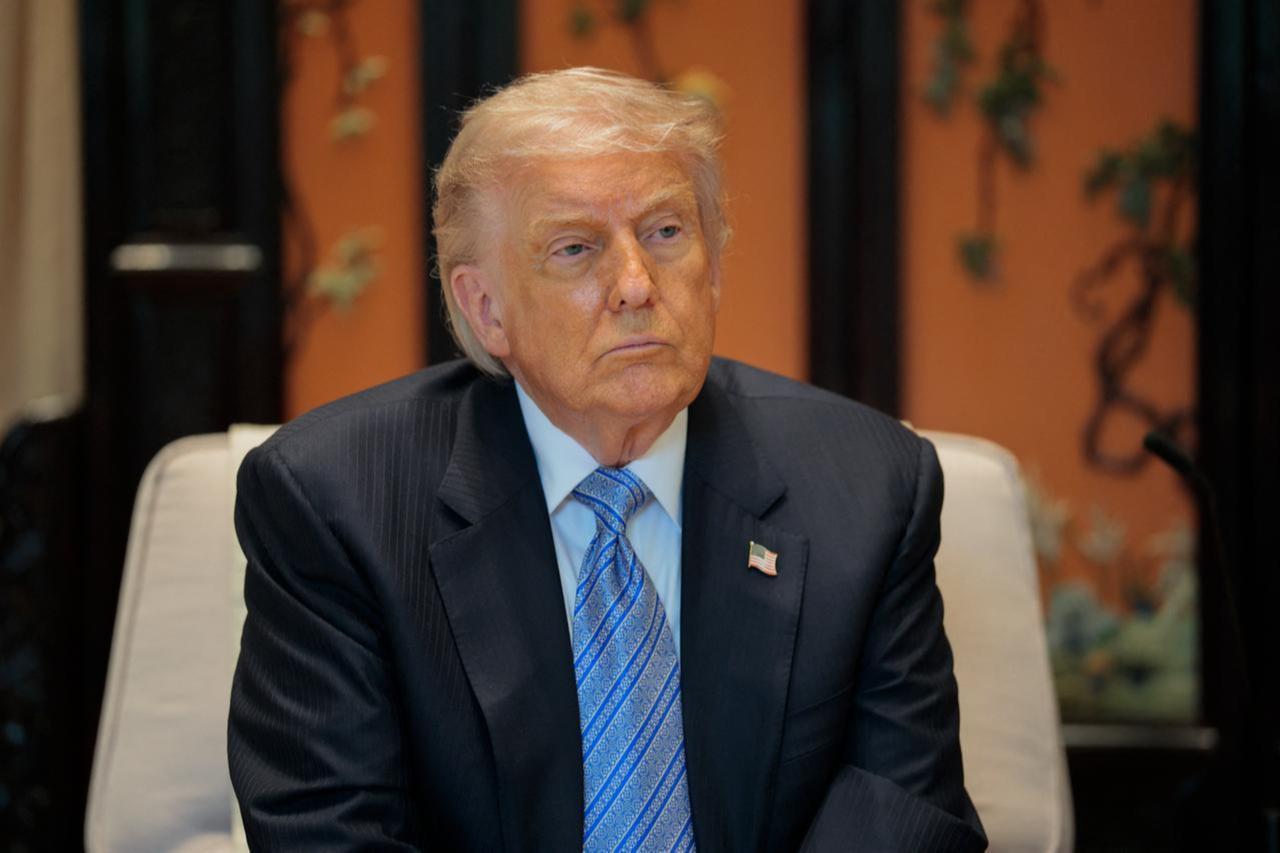


U.S. President Donald Trump issued a blunt public warning to Iran on Sunday, declaring that Tehran must move quickly toward a nuclear agreement or face the consequences, in remarks that underscored growing frustration within the White House over the pace of ongoing negotiations.
"The clock is ticking for Iran," Trump told Axios correspondent Barak Ravid in a phone call, warning that Tehran had better "get moving fast or they are not gonna have anything left." Trump echoed those words in a post on Truth Social, writing that Iran "better get moving, FAST, or there won't be anything left of them," and adding: "TIME IS OF THE ESSENCE!"
The remarks come amid a fragile and complicated diplomatic effort to end a broader conflict between the United States and Iran that has included U.S. military strikes on Iranian nuclear sites, a naval blockade of Iranian ports, and a protracted ceasefire whose expiration has been looming over both parties.
According to Axios, the White House has been working toward a one-page memorandum of understanding, negotiated through Trump envoys Steve Witkoff and Jared Kushner, that would declare an end to hostilities and set a 30-day framework for more detailed nuclear talks. The U.S. expects Iran to respond on several key outstanding points, but no agreement has been finalized.
The core sticking points remain significant. Washington has insisted that Iran halt uranium enrichment for an extended period, believed to be at least 10 to 15 years, and surrender its stockpile of an estimated 440 kilograms of highly enriched uranium.
Tehran, for its part, has pushed for an end to hostilities and the lifting of U.S. sanctions before any substantive nuclear concessions, while rejecting demands to fully dismantle its nuclear infrastructure.
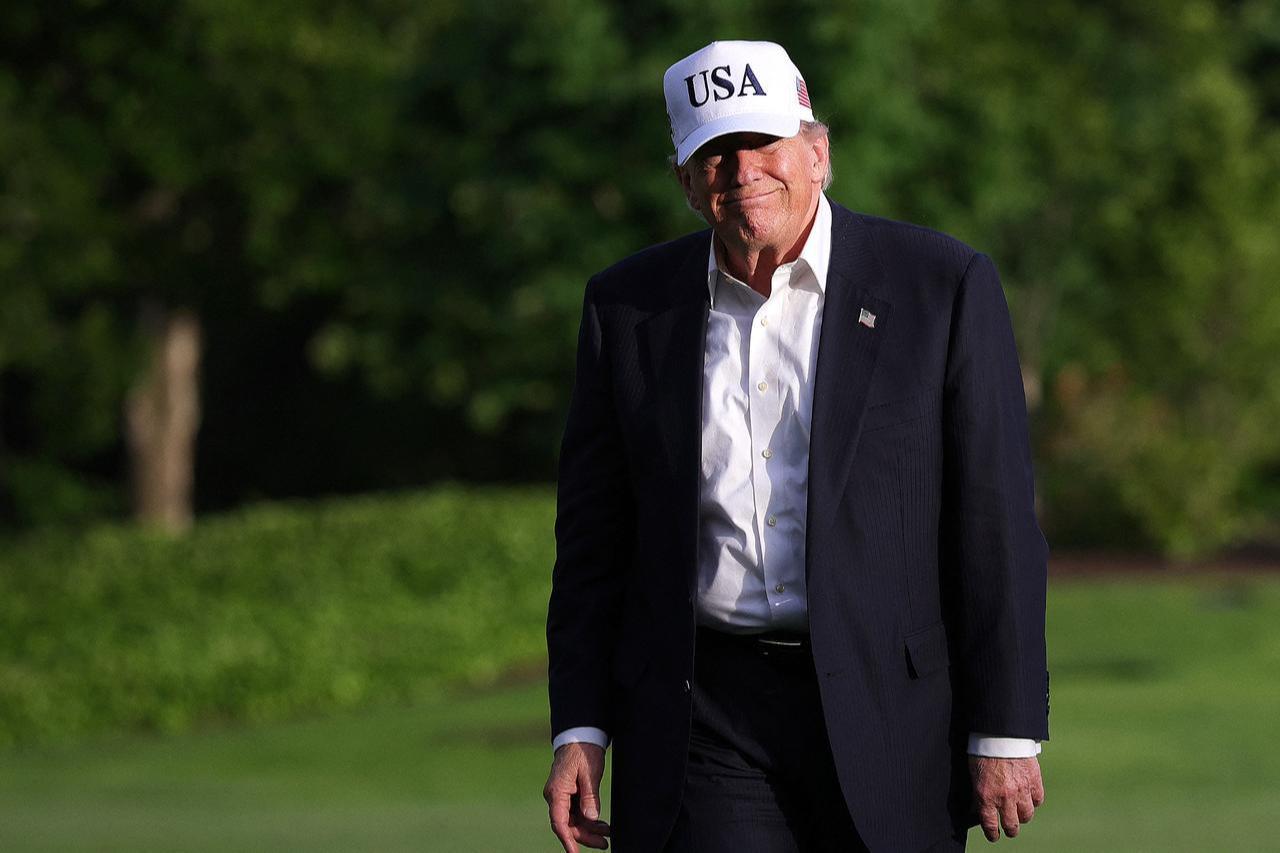

Trump's social media intervention is consistent with a broader negotiating posture he has maintained throughout the current conflict. Earlier rounds of talks have repeatedly stalled, with Iranian officials publicly rejecting assertions by Trump that Tehran had agreed to major concessions.
Analysts have noted that Iran's leadership is wary of appearing to capitulate under pressure, and that public ultimatums from Washington have complicated back-channel progress.
The two countries have no diplomatic relations, and negotiations have proceeded through intermediaries including Oman and Pakistan, as well as indirectly through Gulf states.
The naval blockade, which Trump has described as his primary source of leverage, has also been a flashpoint. A senior Iranian security source cited by state media previously warned that the armed forces' "patience has limits."
The current confrontation is rooted in a years-long impasse over Iran's nuclear program. The 2015 Joint Comprehensive Plan of Action, negotiated under the Obama administration, had limited Iranian enrichment in exchange for sanctions relief, but Trump withdrew from that agreement in 2018, calling it the worst deal ever, and reimposed sweeping economic sanctions.
Iran subsequently expanded its nuclear activities significantly, enriching uranium to levels far beyond the caps set in the original accord.
Trump has said any new agreement must be far stronger than its predecessor, demanding zero enrichment and full accountability, terms Iran has repeatedly rejected as maximalist and unworkable.


 Set as preferred source
 Set as preferred source


 1 min read
 1 min read



