Newsletters


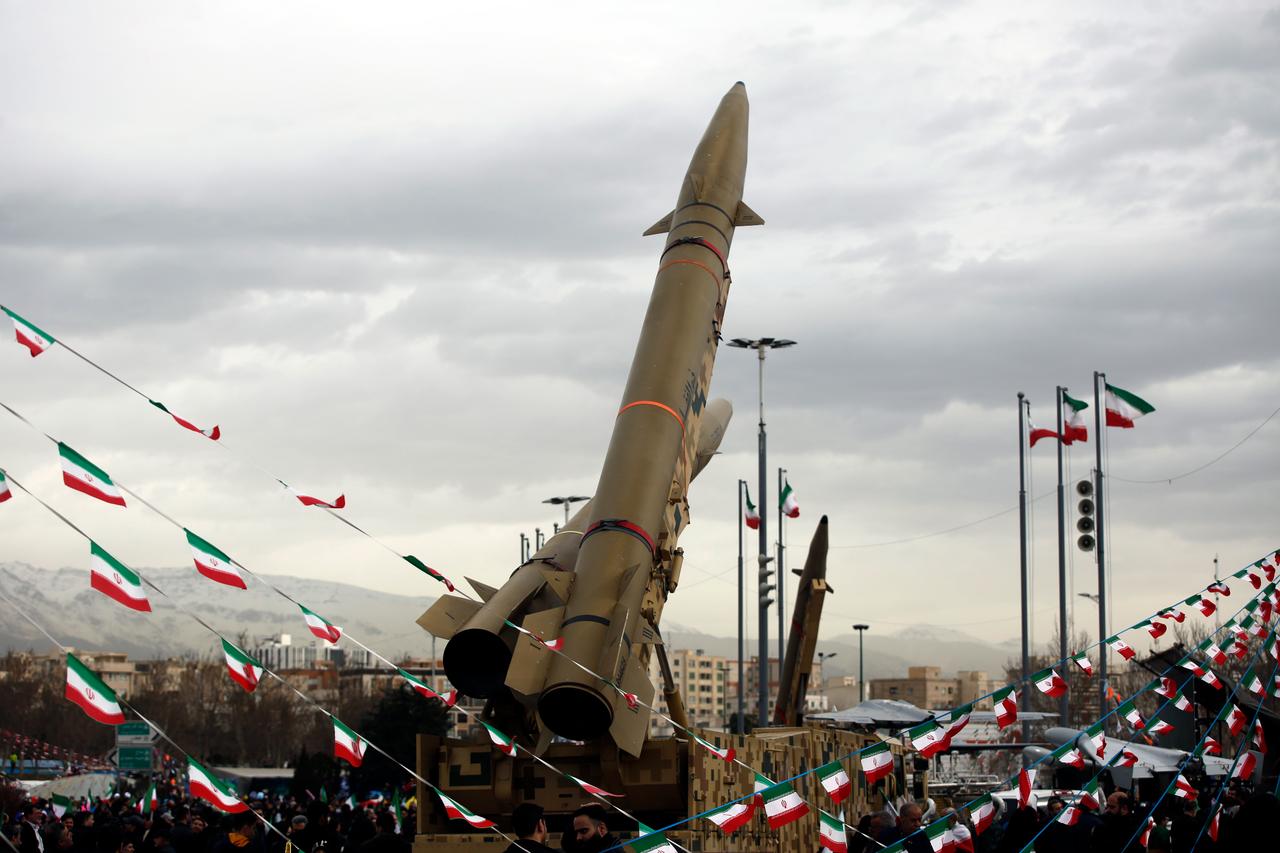


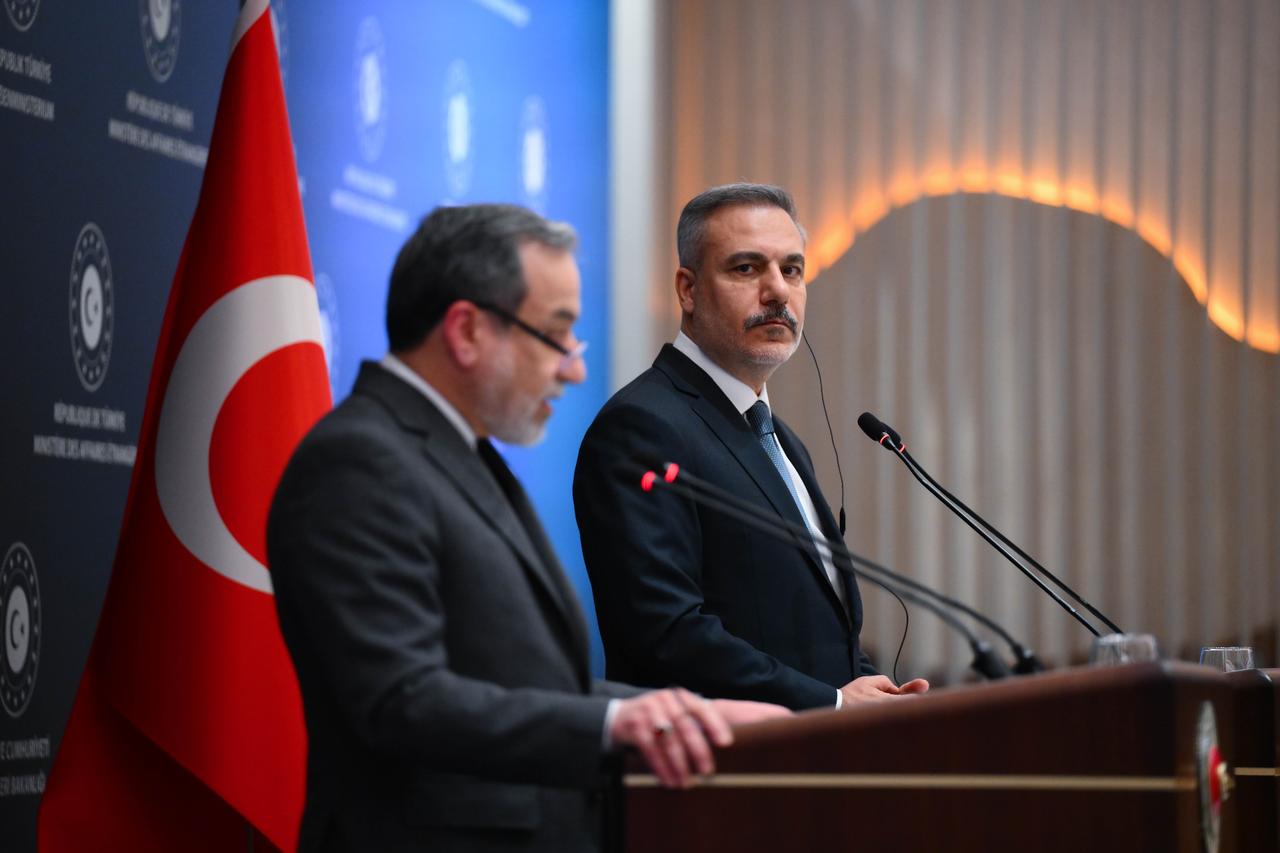
Foreign Minister Hakan Fidan said the United States and Iran appear ready to compromise to secure a nuclear agreement, but warned that broadening negotiations to include Iran’s ballistic missile program could lead to “nothing but another war.”
Iran and the United States resumed negotiations last week for the first time since last June’s "12-day war" with Israel, during which Washington carried out strikes on Iranian nuclear sites.
In an interview with the Financial Times, Fidan said Washington has signaled flexibility on its long-standing demand that Iran end all uranium enrichment, a key obstacle in previous talks, while Tehran insists it has the right to enrich uranium as a signatory to the Nuclear Non-Proliferation Treaty.
Fidan said he believes Iran “genuinely wants to reach a real agreement” and would accept limits on enrichment levels and a strict inspections regime, similar to the 2015 nuclear deal reached with world powers.
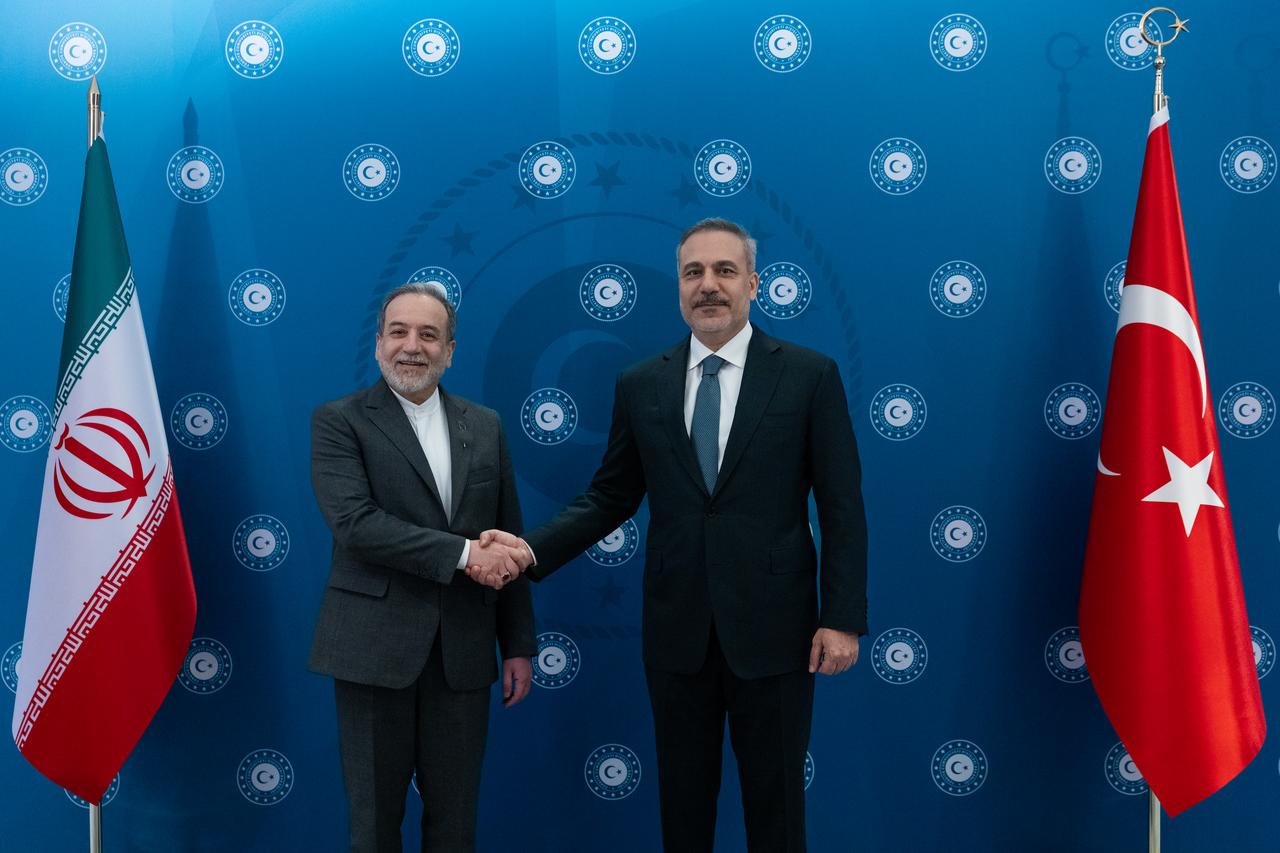

“It is positive that the Americans appear willing to tolerate Iranian enrichment within clearly set boundaries,” Fidan said.
“The Iranians now recognize that they need to reach a deal with the Americans, and the Americans understand that the Iranians have certain limits. It’s pointless to try to force them,” he added.
However, Fidan cautioned that progress could stall if Washington insists on addressing multiple issues simultaneously, including Iran’s ballistic missile arsenal and its support for regional militant groups.
“If the U.S. insists on addressing all the issues simultaneously, I’m afraid even the nuclear file will not move forward,” he said. “The result could be another war in the region.”
According to the Financial Times, U.S. envoys Steve Witkoff and Jared Kushner held indirect talks with Iranian Foreign Minister Abbas Araghchi in Muscat last week, following intensified mediation efforts by Türkiye, Qatar, Oman and Egypt.
Both Washington and Tehran described the discussions as a positive first step and said another round of talks is expected, though diplomats cautioned that reaching an agreement would be difficult.
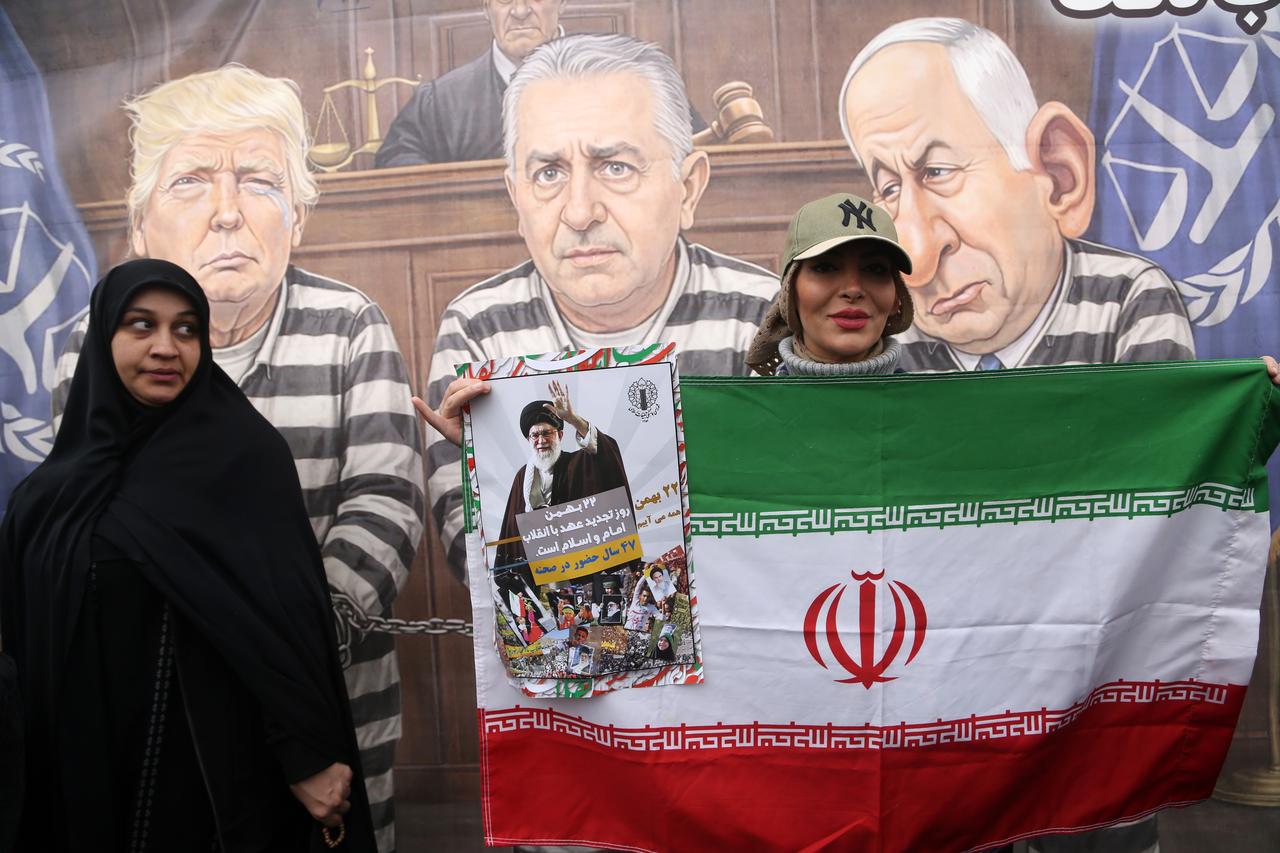
U.S. President Donald Trump’s messaging on the scope of a potential deal, however, has been mixed. While Washington has previously demanded curbs on Iran’s missile program and an end to its support for groups such as Lebanon’s Hezbollah and Yemen’s Houthis, Trump said after the Muscat talks that an agreement focused solely on Iran’s nuclear program could be “acceptable.”
Trump described the talks as “very good,” but said negotiations would continue to determine whether a deal could be finalized.
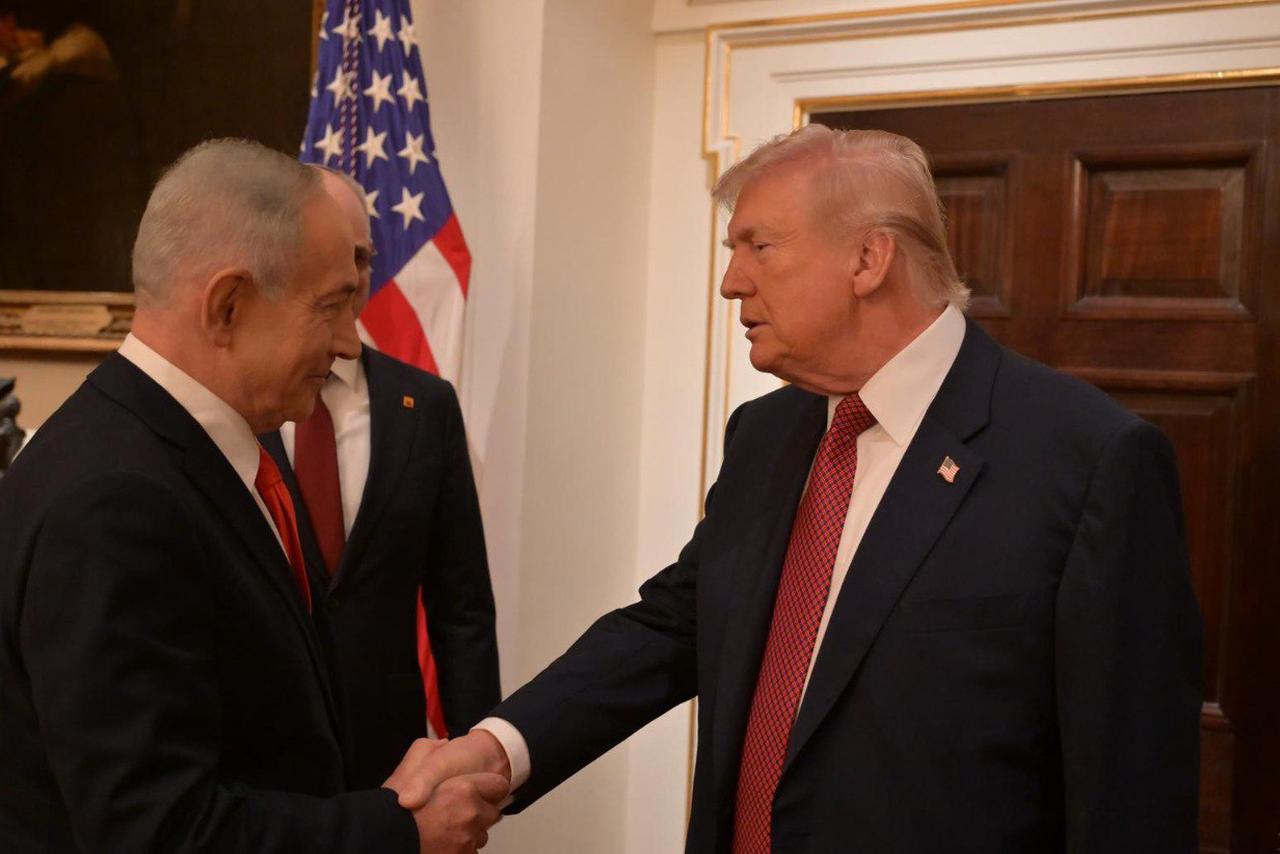
“If it cannot, we will just have to see what the outcome will be,” Trump wrote on Truth Social after meeting Israeli Prime Minister Benjamin Netanyahu at the White House.
Netanyahu’s office said Wednesday that the Israeli leader emphasized Israel’s “security needs” during talks with Trump focused on Iran, Gaza and broader regional issues.
“The prime minister emphasized the security needs of the State of Israel in the context of the negotiations, and the two leaders agreed on continued coordination and close contact,” the statement said.
Fidan said he was concerned Netanyahu could seek to influence Trump’s position, noting that Israel prioritizes maintaining military superiority in the region.
“For Israel, maintaining a position of military superiority in the region is a central priority,” Fidan said. “The presence of Iranian missiles complicates that objective.”
Israel has pushed for Iran’s missile program to be included in any negotiations, a position Tehran has repeatedly rejected.
Fidan said Türkiye and other regional governments are working on “creative ideas” to address Iran’s missile capabilities and support for militant groups, arguing that these issues directly affect regional security.
“The Americans are deeply concerned about Iran’s nuclear capabilities,” he said. “However, the other issues are closely tied to countries of the region, because missiles and proxies affect regional security; they do not have a global reach.”
He stressed that any agreement should avoid repeating the shortcomings of the 2015 deal, which he said left regional states feeling excluded.
“It will be important for Iran to pair any agreement with the U.S. with steps that strengthen confidence with regional partners,” Fidan said. “There is a significant trust gap with regional countries, and addressing that dimension is essential.”
Fidan added that Iran’s leadership is aware of the pressure it faces following Israel’s war last year and recent anti-government protests, which he said were largely driven by economic hardship.
“So they know that the sanctions issue needs to be resolved,” he said.
He also said that U.S. military strikes would be unlikely to trigger regime change in Iran.
“I don’t think that regime change will occur,” Fidan said. “Government institutions and some targets could be badly hit or destroyed, but the regime as a political entity would remain functioning.”
Meanwhile, Iranian President Masoud Pezeshkian said Wednesday that Tehran would “not yield to excessive demands” over its nuclear program, while reaffirming openness to verification.
He said Iran was prepared for “any verification” of its nuclear activities and insisted it was not seeking an atomic weapon.
“Our Iran will not yield in the face of aggression, but we are continuing dialogue with all our strength with neighbouring countries in order to establish peace and tranquillity in the region,” Pezeshkian said.
Iran has said it wants the talks to remain focused solely on its nuclear program, while the United States has sought to expand discussions to include Tehran’s missile capabilities and support for militant groups. Iran insists its nuclear program is peaceful, though Western countries and Israel say it is seeking to develop a nuclear weapon.


 Set as preferred source
 Set as preferred source


 2 min read

 1 min read