Newsletters


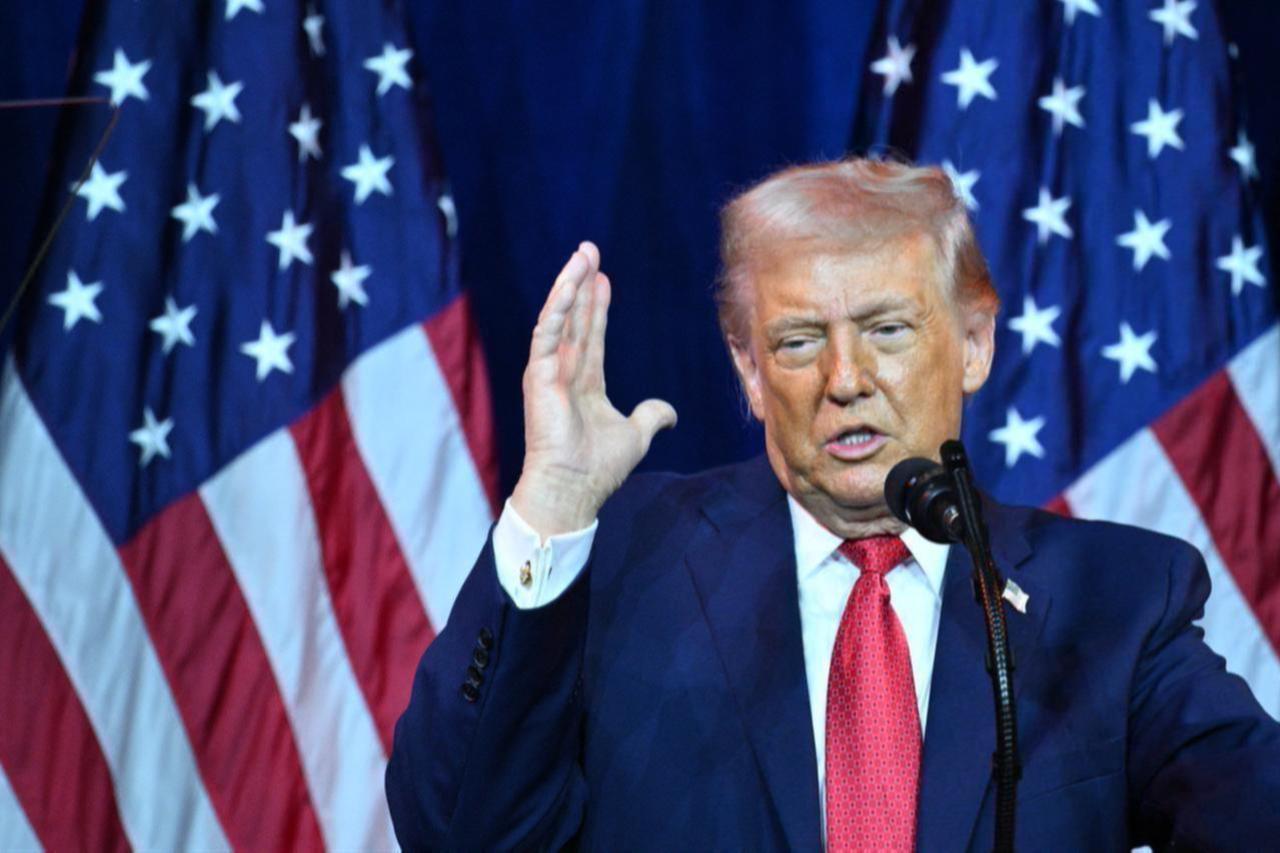


US President Donald Trump threatened Iran with severe repercussions on Thursday if Tehran fails to reach a nuclear agreement, even as Israeli Prime Minister Benjamin Netanyahu openly questioned whether any deal with the Islamic Republic could meet Israel's security demands.
Trump told reporters he expected a result "over the next month" from Washington's negotiations with Iran, warning that failure to reach an agreement would trigger what he called "phase two." He said that phase "will be very tough for them," adding: "We have to make a deal, otherwise it's going to be very traumatic. I don't want that to happen, but we have to make a deal."
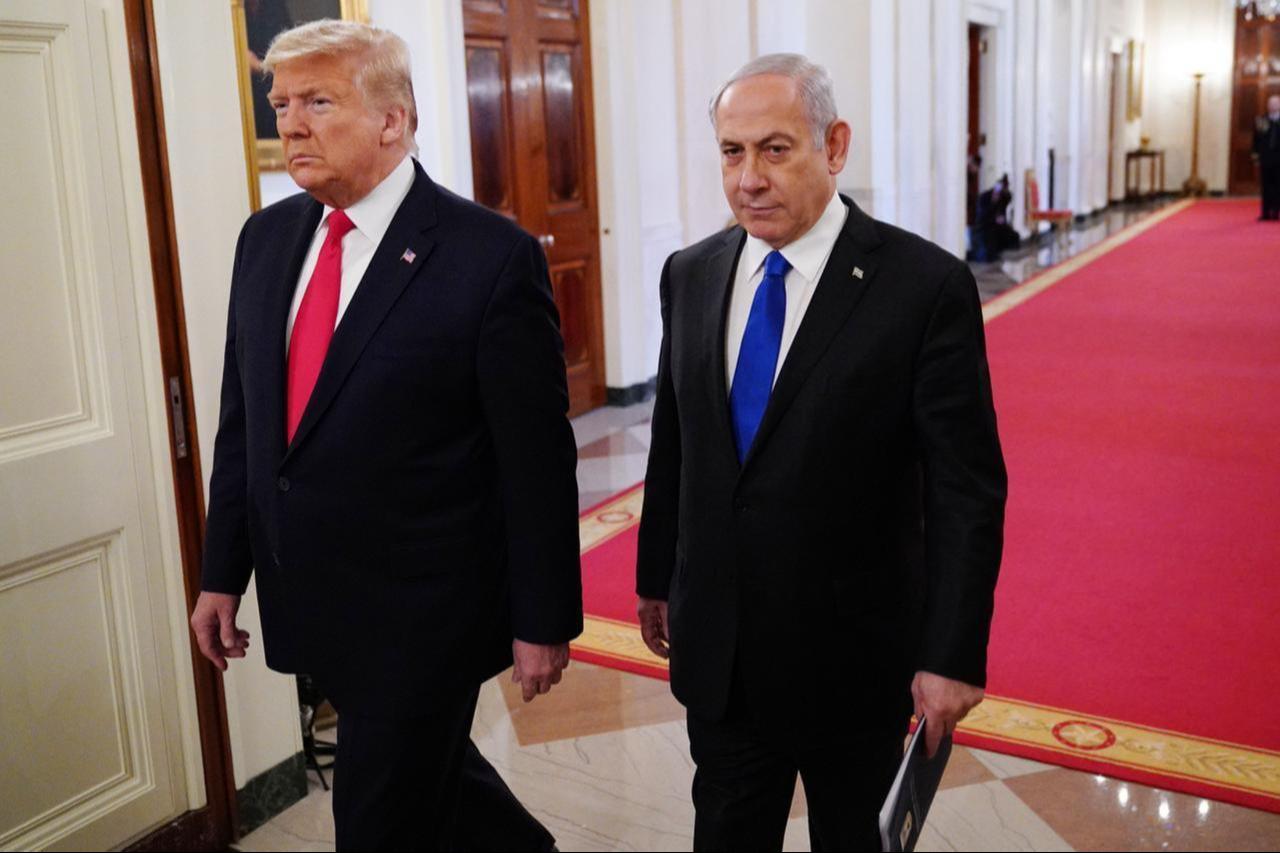
The comments came a day after Trump hosted Netanyahu at the White House, where the two leaders appeared to remain at odds over the direction of the Iran talks. Netanyahu had traveled to Washington specifically to press Trump toward a harder negotiating stance, particularly on the inclusion of Iran's ballistic missile arsenal in any agreement.

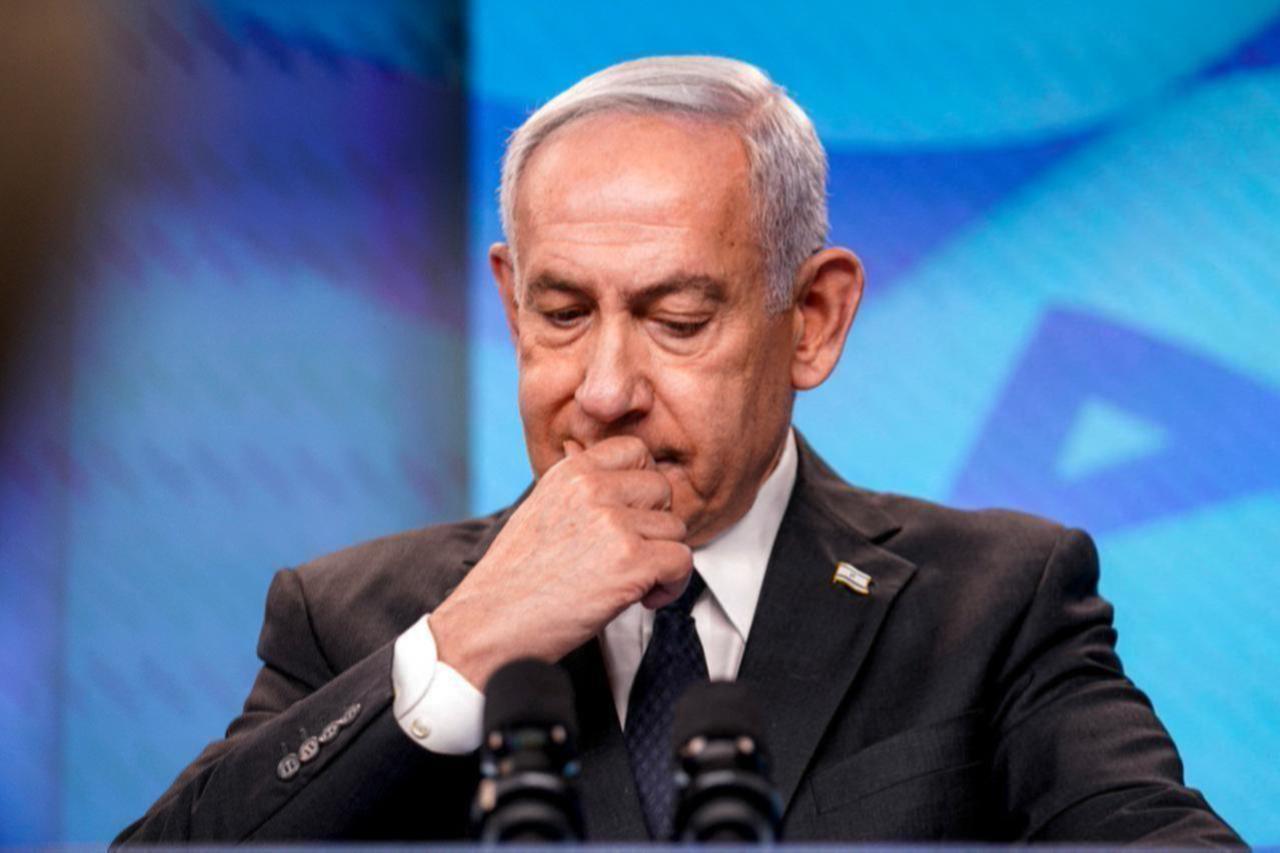
Speaking in Washington on Thursday before departing for Israel, Netanyahu acknowledged that Trump believed he was laying the groundwork for an agreement, saying the US president felt the conditions he was creating "may create the conditions for achieving a good deal." But the Israeli premier struck a notably cautious tone.
"I will not hide from you that I expressed general skepticism regarding the quality of any agreement with Iran," Netanyahu said in a video statement released by his office.
The prime minister argued that any deal "must include the elements that are very important from our perspective," listing Iran's ballistic missile program alongside its support for armed groups including the Palestinian movement Hamas, Yemen's Houthi rebels, and Hezbollah in Lebanon. "It's not just the nuclear issue," he said.
Trump underscored the threat of force behind his diplomatic push. He is reportedly considering sending a second aircraft carrier to the Middle East to pressure Iran and recalled US military strikes he ordered on Tehran's nuclear facilities during Israel's 12-day war with Iran in July last year.
Washington and Tehran restarted talks last week with a meeting in Oman, though the previous round of negotiations had been cut short by the Israeli-Iranian conflict and the subsequent US strikes.
Iran has so far rejected expanding the scope of the new talks beyond its nuclear program. Tehran denies seeking a nuclear weapon and has said it will not yield to what it calls "excessive demands."
Despite their apparent disagreements on Iran, Trump signaled strong personal support for Netanyahu. He criticized Israeli President Isaac Herzog for rejecting his request to pardon the Israeli prime minister on corruption charges, saying: "You have a president that refuses to give him a pardon. I think that man should be ashamed of himself."
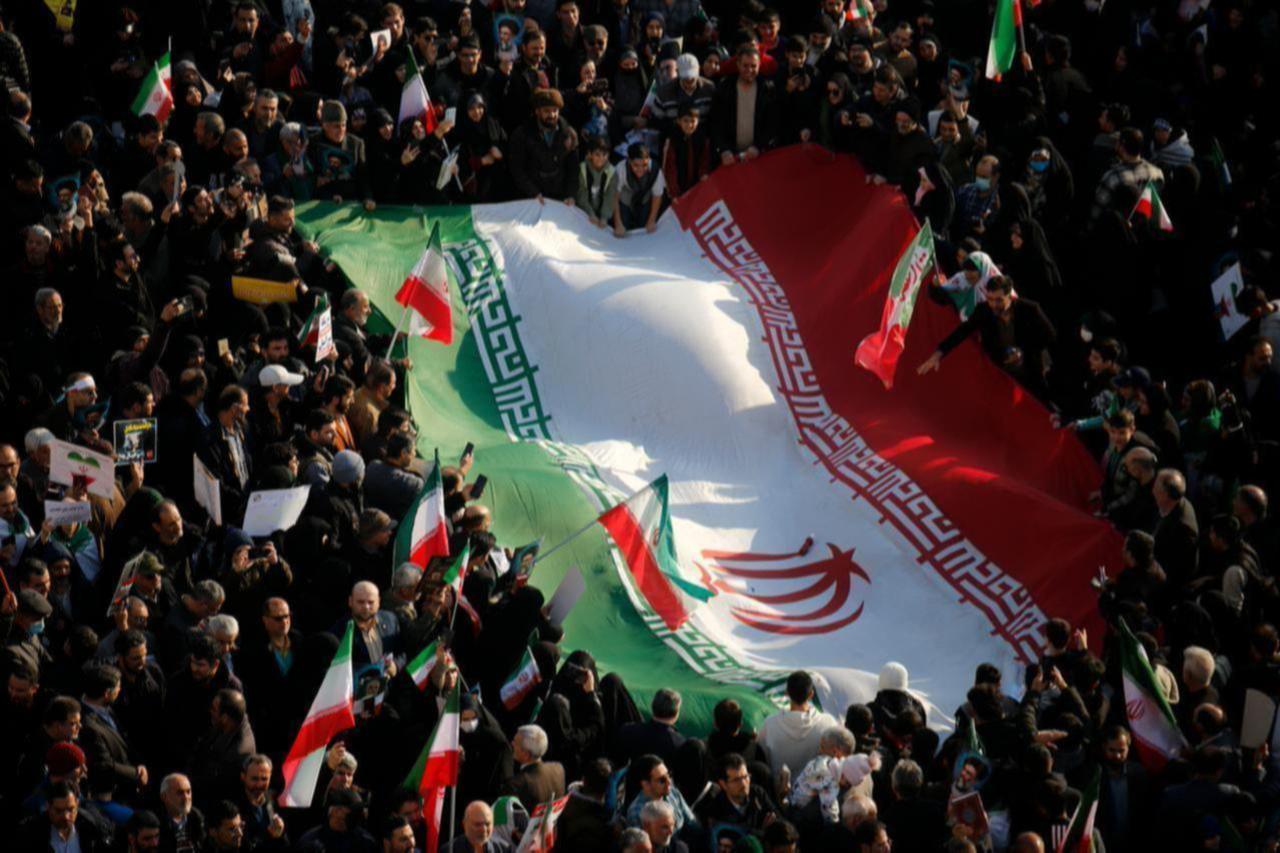
Trump has repeatedly hinted at potential US military action against Iran following the country's deadly crackdown on protests last month, maintaining pressure even as diplomatic channels have reopened.


 Set as preferred source
 Set as preferred source


 1 min read
 1 min read