Newsletters


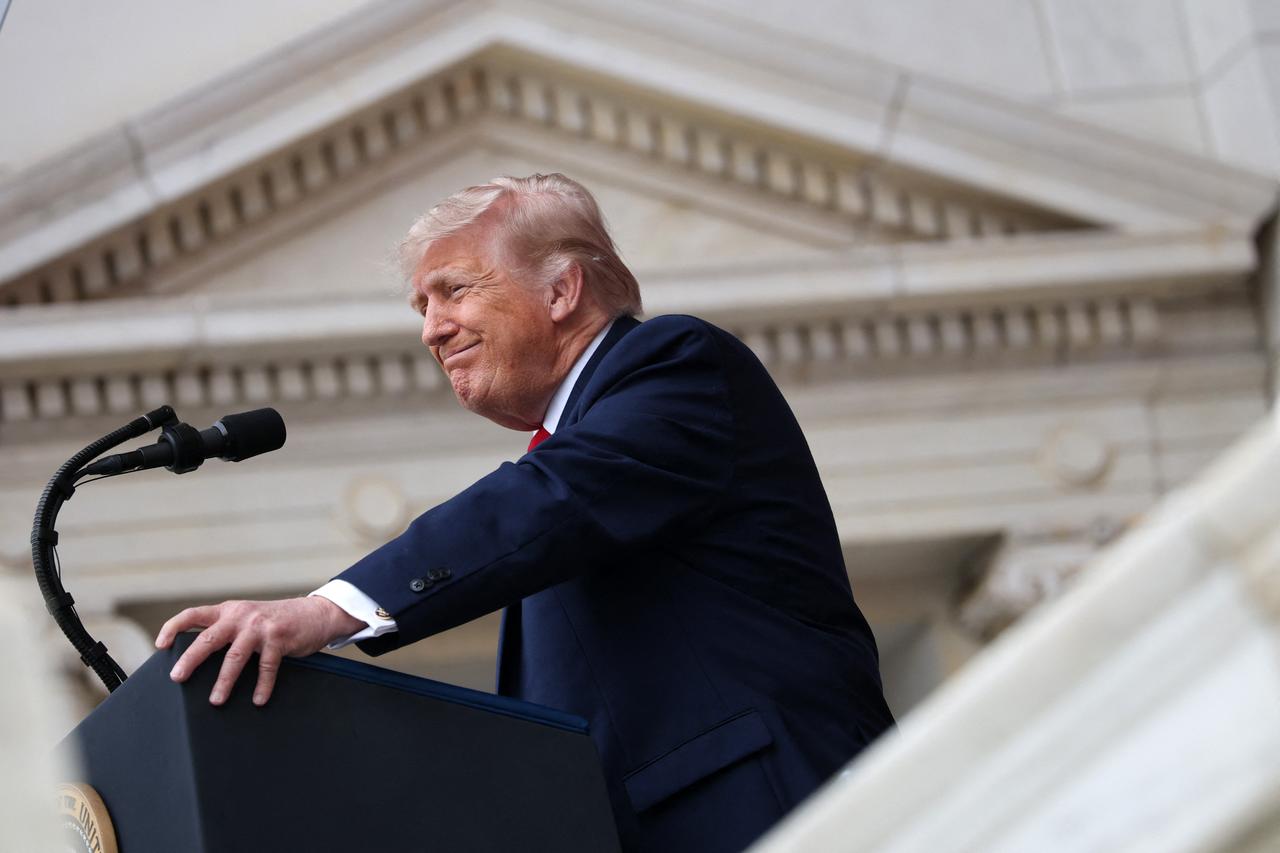


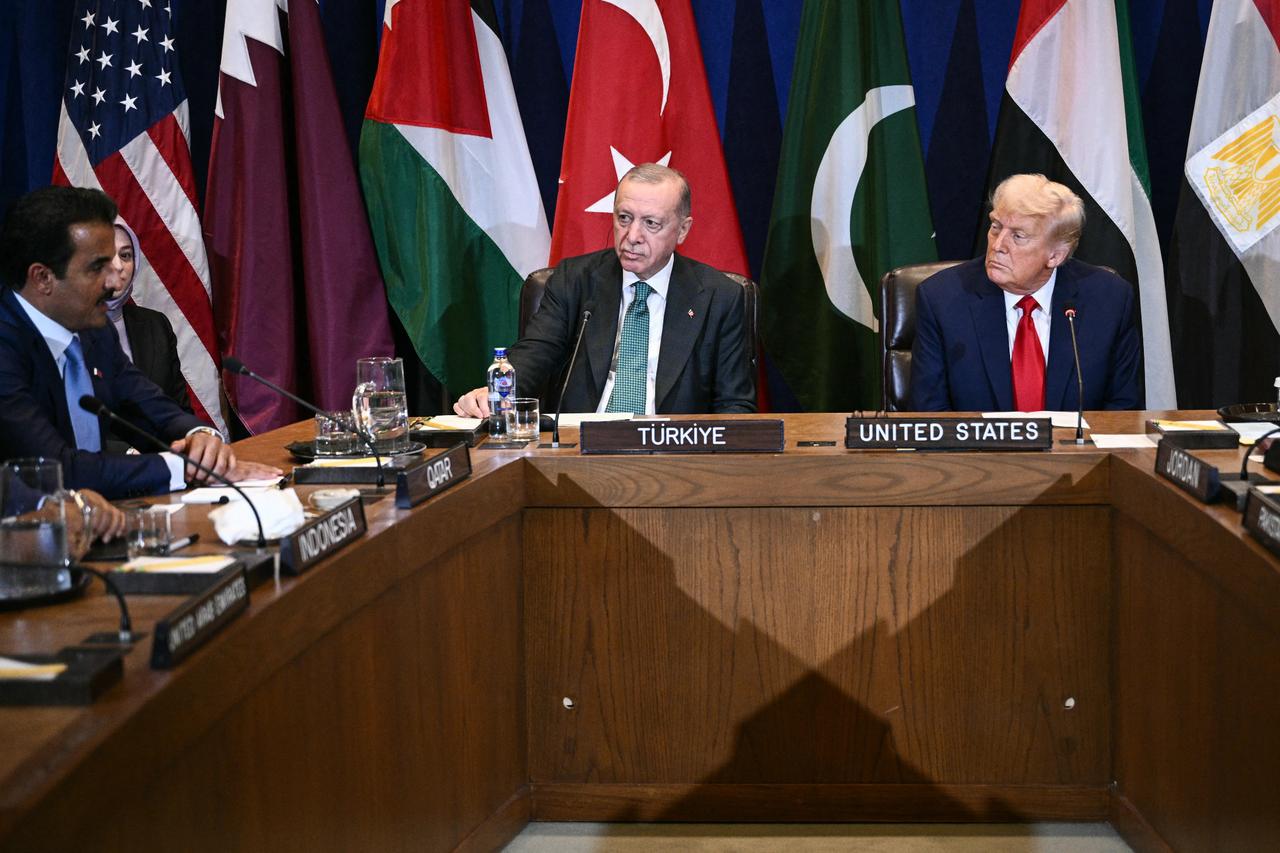
U.S. President Donald Trump's demand that Muslim-majority countries join the Abraham Accords as part of an Iran peace deal is being treated by the governments involved as either a domestic political tactic or an unworkable condition.
Multiple analysts and officials told Agence France-Presse (AFP) and Politico that none of the named countries is expected to comply, at least not in the near term.
A Gulf Arab diplomat granted anonymity told Politico: "It is a smart tactic to calm down the angry base. He will keep bringing it up again and again. But it will not be part of the deal."
Upon hearing of Trump's demands, a former U.S. official sent mock congratulatory notes to Arab officials and received laughing-emoji responses.
The former official told Politico that Arab government contacts view the demand as a "poison pill" that "creates new conditions for peace that neither Iran nor the states in question will accept."
A second former U.S. official described the reaction from Middle East government contacts as "disbelief and frustration."

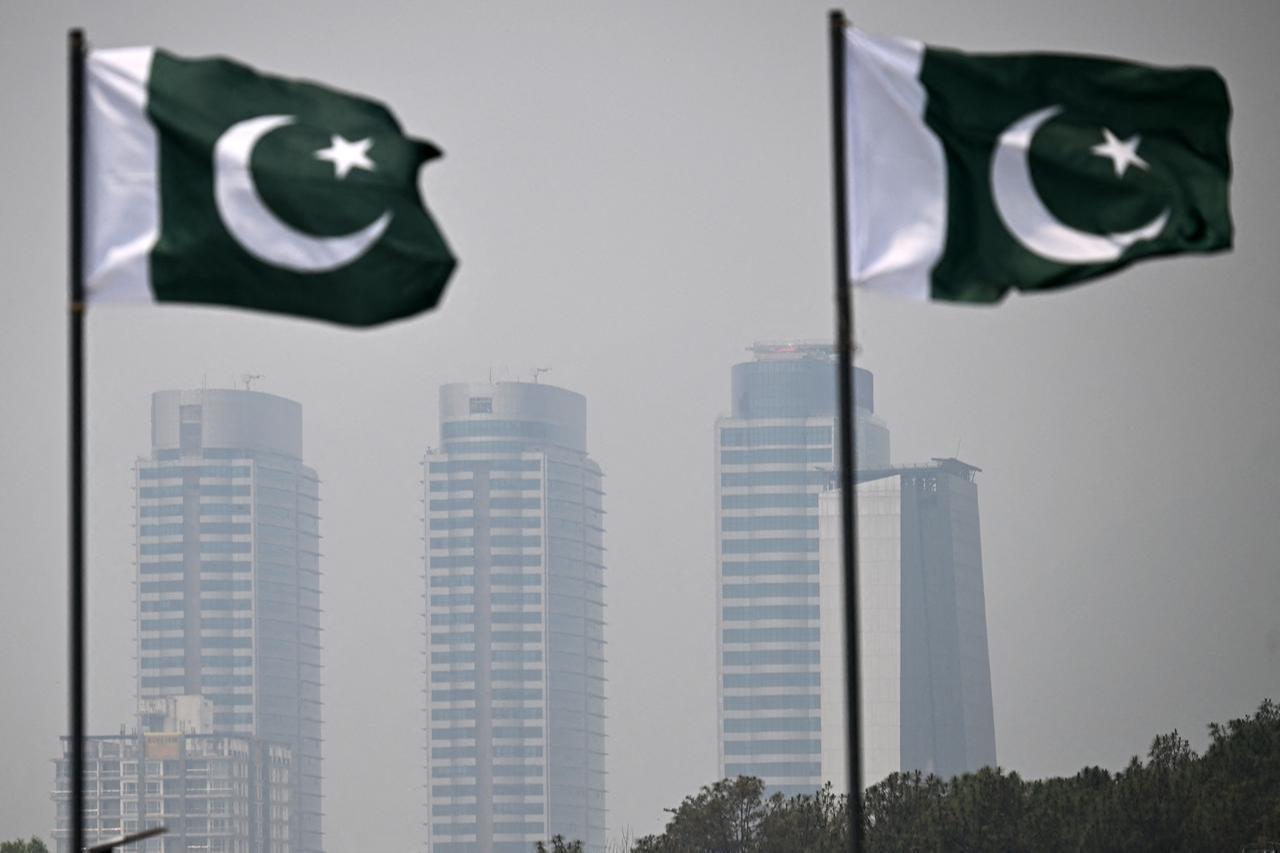
Pakistani Defense Minister Khawaja Asif explicitly ruled out Pakistan joining the Accords in an interview on Samaa TV.
"In my personal view, I don't think we'll be part of any accords like this. It would clash with our fundamental views. And I think no initiative like this has been taken from our side, nor has anyone approached us," Asif said.
A Gulf Arab official said Saudi Arabia's position had not changed: "The Kingdom is supportive of all diplomatic efforts to resolve conflict, not military solutions. The kingdom also opposes all forms of aggression. Its position on the two-state solution being the only sensible way forward has not changed."
Saudi Arabia had been engaged in tentative normalization talks in 2023 but abruptly pulled out when the Gaza war erupted, later saying it would not recognize Israel without a clear pathway to an independent Palestinian state.
Crown Prince Mohammed bin Salman told Trump in November 2025 that the kingdom was open to joining the Accords, "as long as there was a clear path" to a two-state solution, a condition that has not been met.
H.A. Hellyer, senior fellow at the Royal United Services Institute and Center for American Progress, told AFP: "For most of the states named, the political cost of signing up under current conditions would be prohibitive. Gaza is ongoing, annexation of the West Bank is accelerating, Israeli forces remain in southern Lebanon, the Golan is occupied."
Yossi Mekelberg, Middle East expert at Chatham House, said the demand was "no more than a sweetener for Israel and most likely won't happen. Why would these countries reward Netanyahu after so much destruction in the region and to their interests?"
Aaron David Miller, senior fellow at the Carnegie Endowment for International Peace, said it was highly unlikely any broadening of the Accords would occur in the near term.
"The Saudis are not going to join the Abraham Accords. The Saudi-Emirati rivalry prevents that," he said.
"What's in it for the Gulf states in agreeing to normalize with Israel?" Miller also noted that Trump had made the same request following the October 2025 Israel-Hamas ceasefire agreement, with no result.
Former U.S. diplomat Barbara Leaf, assistant secretary of state for Near Eastern affairs under President Biden, told AFP: "I do not expect any of the Arab or Muslim states whose leaders spoke to President Trump on May 23 to move towards normalization with Israel right now."

Analysts offered two explanations. Some said Trump is trying to demonstrate support for Israel while pursuing a deal with Iran, which the Accords demand as compensation for the concessions Israel fears the deal will require.
Abdulla Banndar Al-Etaibi, assistant professor of International Relations at Qatar University, wrote on X that the demand was "an American attempt to convince Israel and hardline factions within Washington that war, pressure, and escalation have produced political gains worth building upon."
Others, including Hellyer, speculated the announcement could be aimed at deliberately complicating the Iran deal, perhaps on behalf of parties opposed to it.
White House spokesperson Anna Kelly defended the idea as consistent with Trump's longstanding policy goal and said the Accords had provided "massive economic benefits" to existing members.


 Set as preferred source
 Set as preferred source


 2 min read
 1 min read