Newsletters




U.S. President Donald Trump’s latest directive to nullify all documents signed by Joe Biden using an autopen marks one of the most far-reaching attempts to unwind a predecessor’s decisions.
The announcement states that any executive action, including those pardons, commutations, and administrative directives validated through an autopen, now carries “no legal effect.”
The policy raises immediate questions about the practical status of decisions processed over four years of the Biden administration.
Agencies must now reassess which actions relied on autopen authorization and determine their operational standing, including those that affect the new Syria, unless new directives are issued.
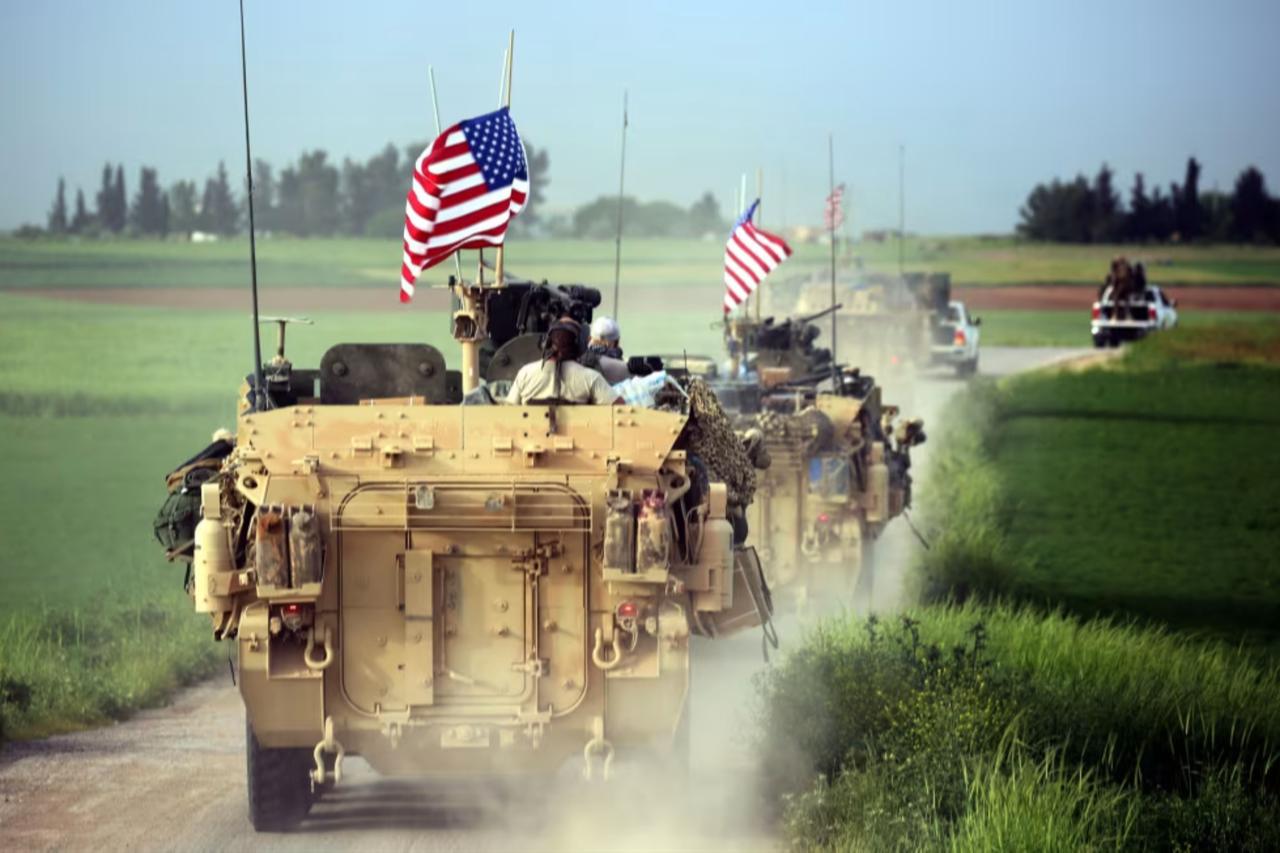
Under the Biden administration, key components of U.S. support to the SDF, including ammunition supplies, armored vehicles, surveillance and intelligence assistance, air operations, field coordination teams, and special forces advisers, were authorized through presidential authority documents, and President Trump’s directive now signals that the time has come for all such authorities to be terminated and withdrawn.
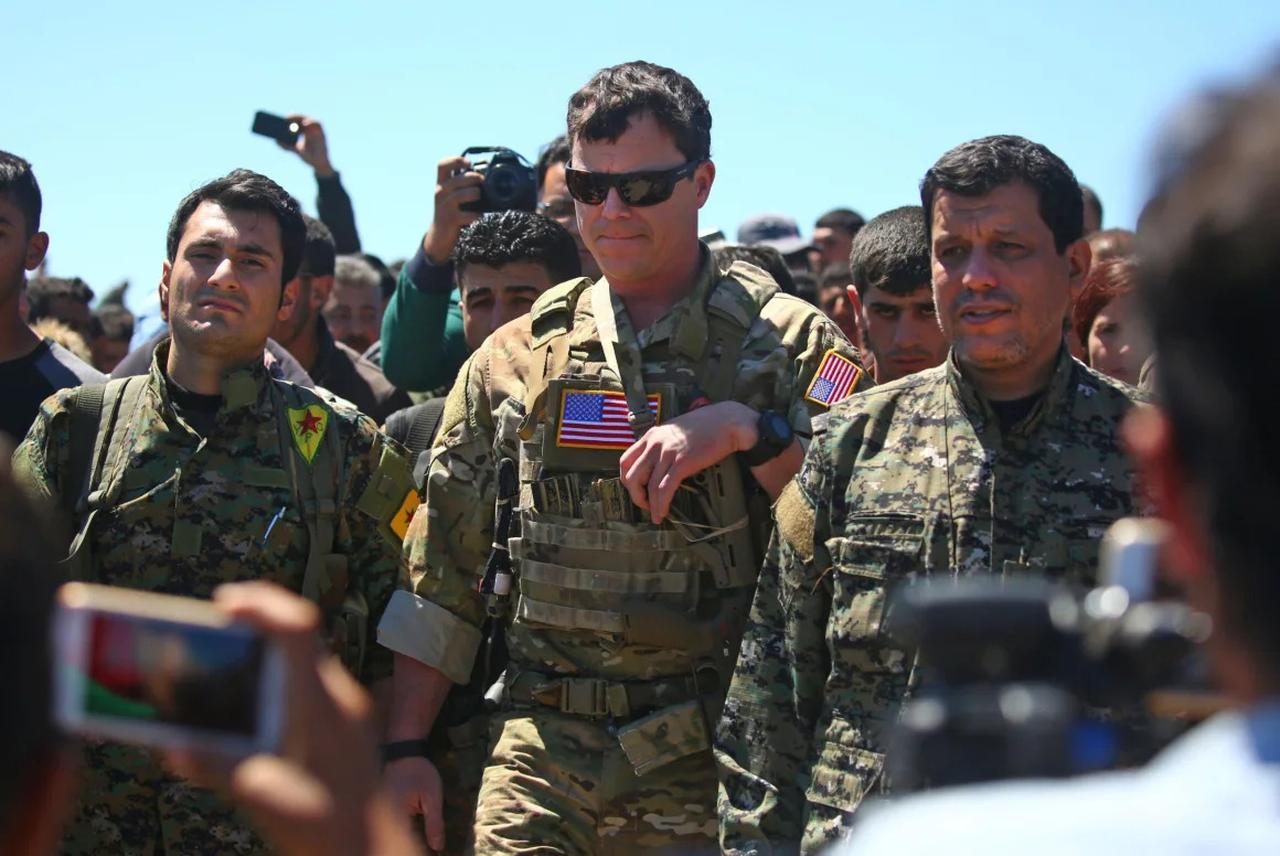

Among the most consequential effects of Trump’s decision is the abrupt disruption of U.S. assistance to the SDF. Many components of the U.S. military and security partnership in northeast Syria were authorized through Biden-era directives now deemed invalid.
While some support rests on broader statutory authorities, operational coordination frequently relies on presidential findings, orders, and administrative approvals.
This development affects a wide range of programmatic support. Ammunition shipments, armored vehicle transfers, and intelligence-sharing frameworks were conducted under authorization documents now in question.
Air operations, including U.S. helicopter missions, surveillance flights, and drone coordination, may be halted unless reauthorized under new guidance.
Field coordination teams and special operations advisers, central to maintaining situational awareness and command links with local forces, also operate under rules that could require immediate reassessment.
If interpreted strictly, shared patrols between U.S. forces and the SDF would stop at once. Air cover provided to SDF units would also be suspended absent explicit continuation orders.
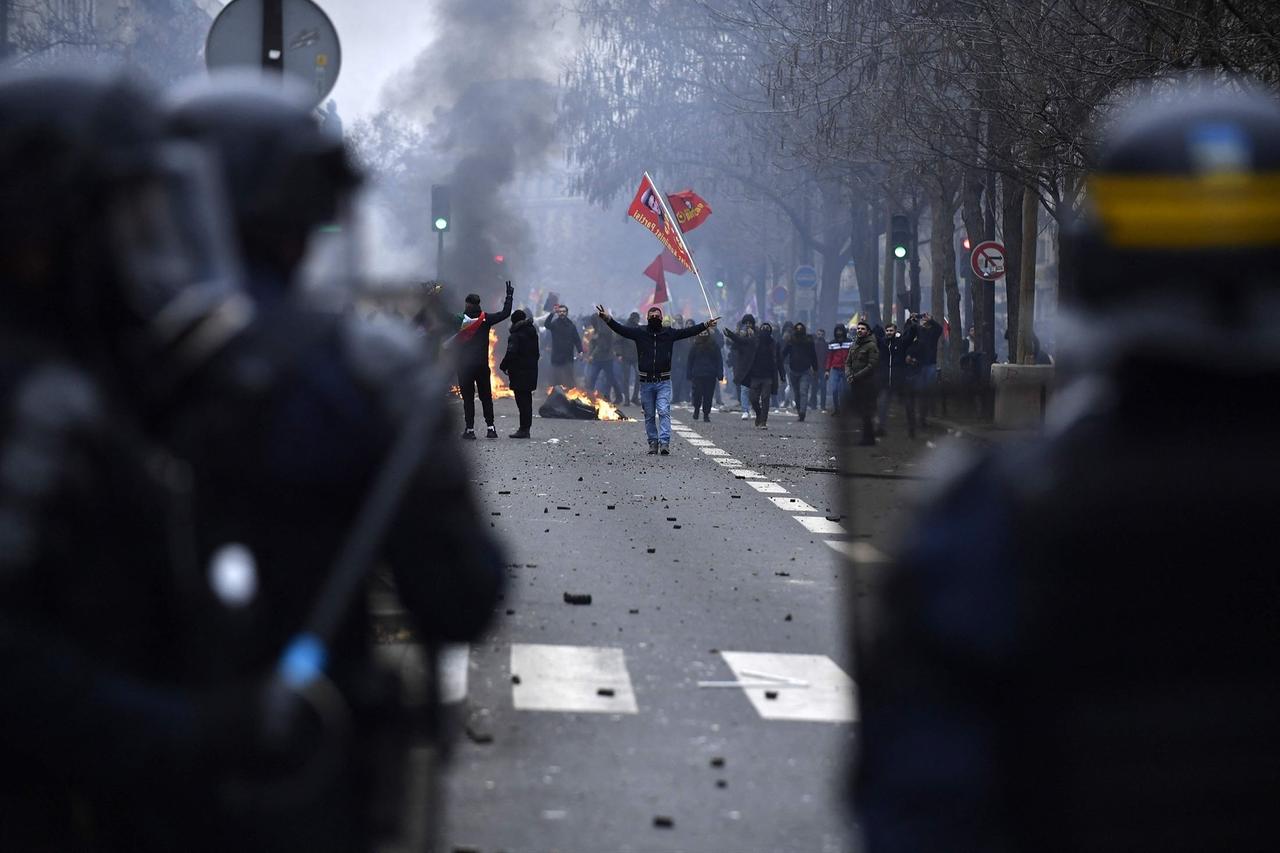
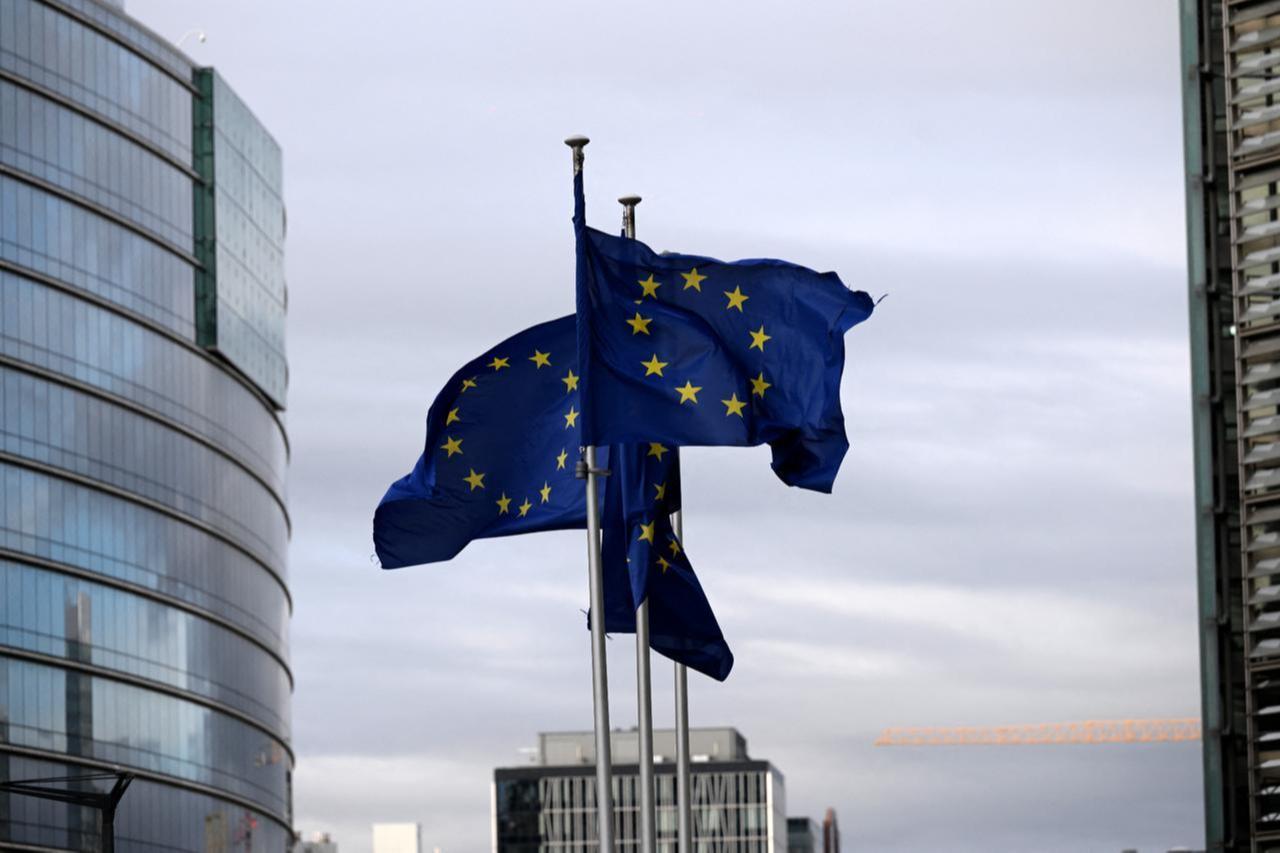
President Trump’s shift intersects with broader debates in Europe over the 'budgeting' issue, where historical political attitudes diverge from Washington’s evolving approach.
Europol's 2023 data, “EU Terrorism Situation and Trend Report,” highlights the continuing harbor the PKK poses in Europe, noting that members of far-left and anarchist groups have joined the organization in training and combat in northern Iraq, southeastern Türkiye, and, more recently, northeastern Syria.
The agency also reports that the PKK remains highly active across EU member states, using them for recruitment, administration, financing, and propaganda work, with drug trafficking and fraud identified as key revenue sources.
Historically, European governments designated the PKK as a terror organization in 2002, five years later than the United States did, but their domestic landscapes allowed the group’s networks more operational space.
European capitals often framed Kurdish groups through the lens of minority rights and political representation, while Washington focused primarily on security, utility and regional stability. This divergence contributed to a fragmented NATO approach, especially during moments when military necessities overshadowed political concerns.
The latest U.S. shift potentially brings a decisive break from the Biden administration’s willingness to sustain gray-zone support to militant groups operating outside a state framework. With the legal basis of those programs now voided, Washington is positioning itself to pursue partnerships more closely aligned with state actors in the region, as is also apparent in the statements of the U.S. Ambassador to Türkiye and Special Envoy for Syria Tom Barrack.
This recalibration may prompt European governments either to review their own policies, particularly as regional states seek more unified Western engagement on counterterrorism and security matters, or to take the responsibility for the causes they are willing to support.
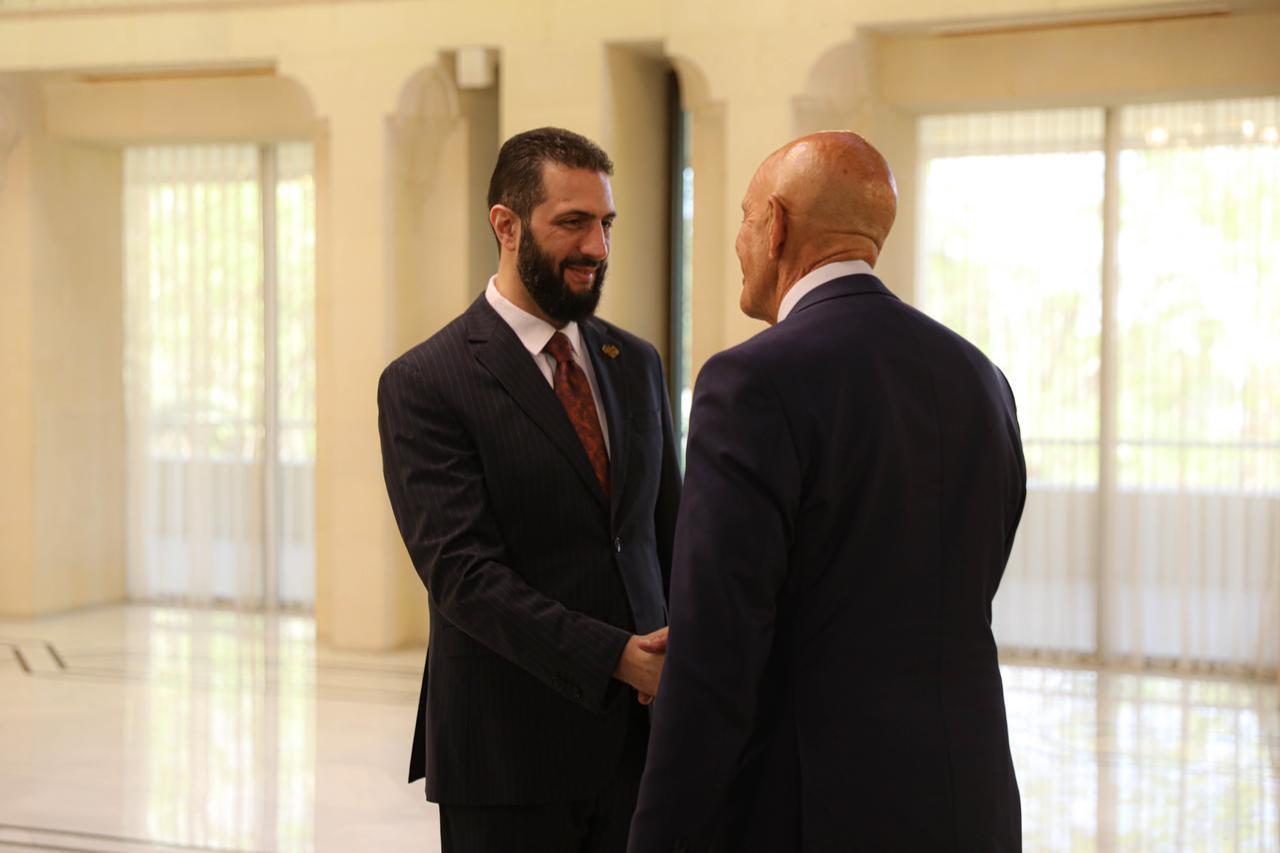
The nullification of Biden-era authorizations creates an opening for Washington to redefine its Middle East engagements as well.
U.S. officials have signaled a reluctance to commit taxpayer resources to overseas armed groups without a clear legal footing or strategic return.
On the other hand, the policy change indicates a preference for structured cooperation with recognized governments, especially as regional states push for stronger coordination against transnational threats.
This shift may encourage renewed diplomacy among U.S. partners in the Middle East who have consistently argued that counterterrorism efforts should be state-centric. Countries affected by the previous rise of non-state actors, including Türkiye, Lebanon, Syria and Iraq, will likely seek to advance bilateral security discussions under this new framework.
The recalibration also aligns with rising congressional skepticism toward open-ended military commitments absent explicit authorization.
With Biden-era authorizations legally nullified, the United States is positioned to rebuild its portfolio around state actors and structured agreements, and it provides an immediate chance to apply the Trump Doctrine in the Middle East as well.


 Set as preferred source
 Set as preferred source


 4 min read