Newsletters


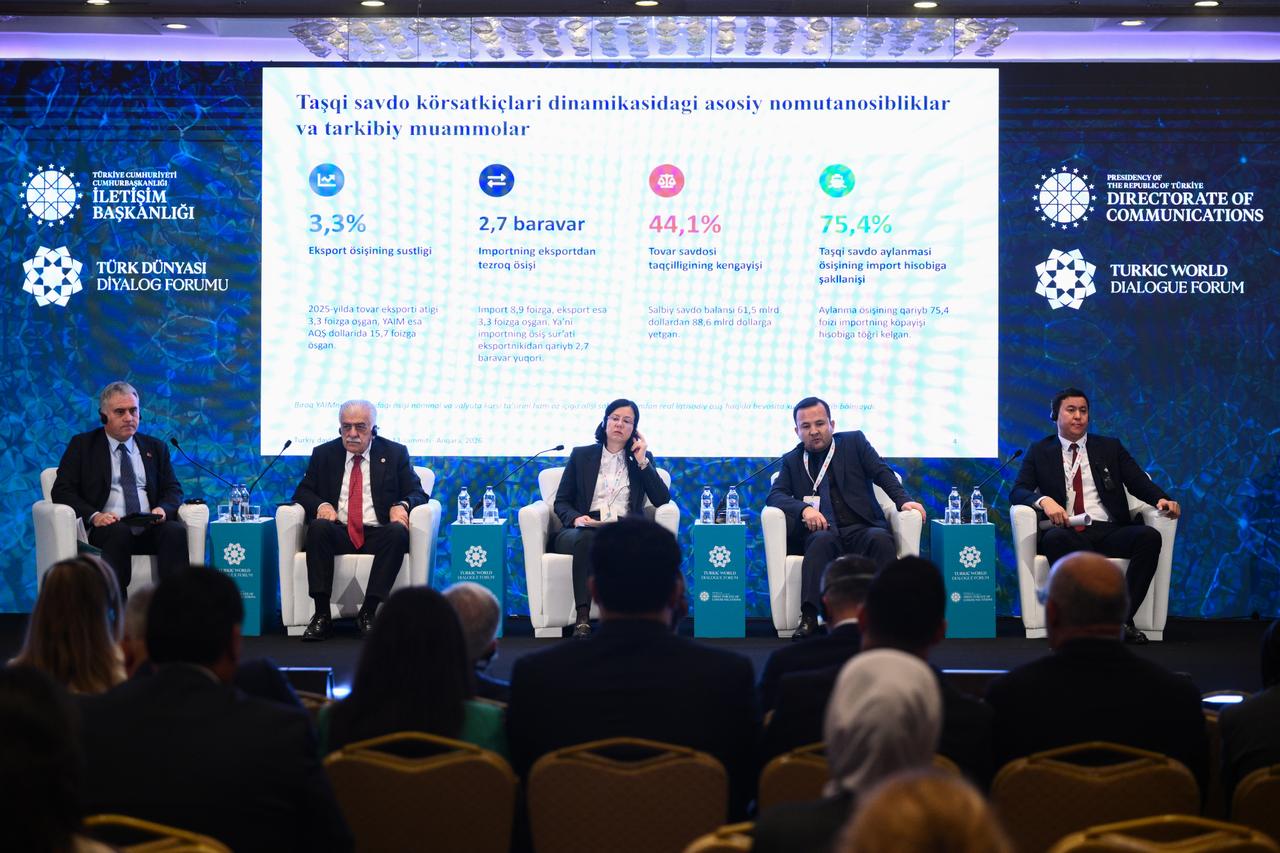


Binali Yildirim, chairman of the Council of Elders of the Organization of Turkic States (OTS), called for joint production facilities and logistics centers to be established along the Middle Corridor, saying the route should be viewed as more than a transport link.
Yildirim spoke at the Turkic World Dialogue Forum in Ankara during a panel titled “From the Middle Corridor to a Common Production Ecosystem: An Economic Model in the Turkic World.”
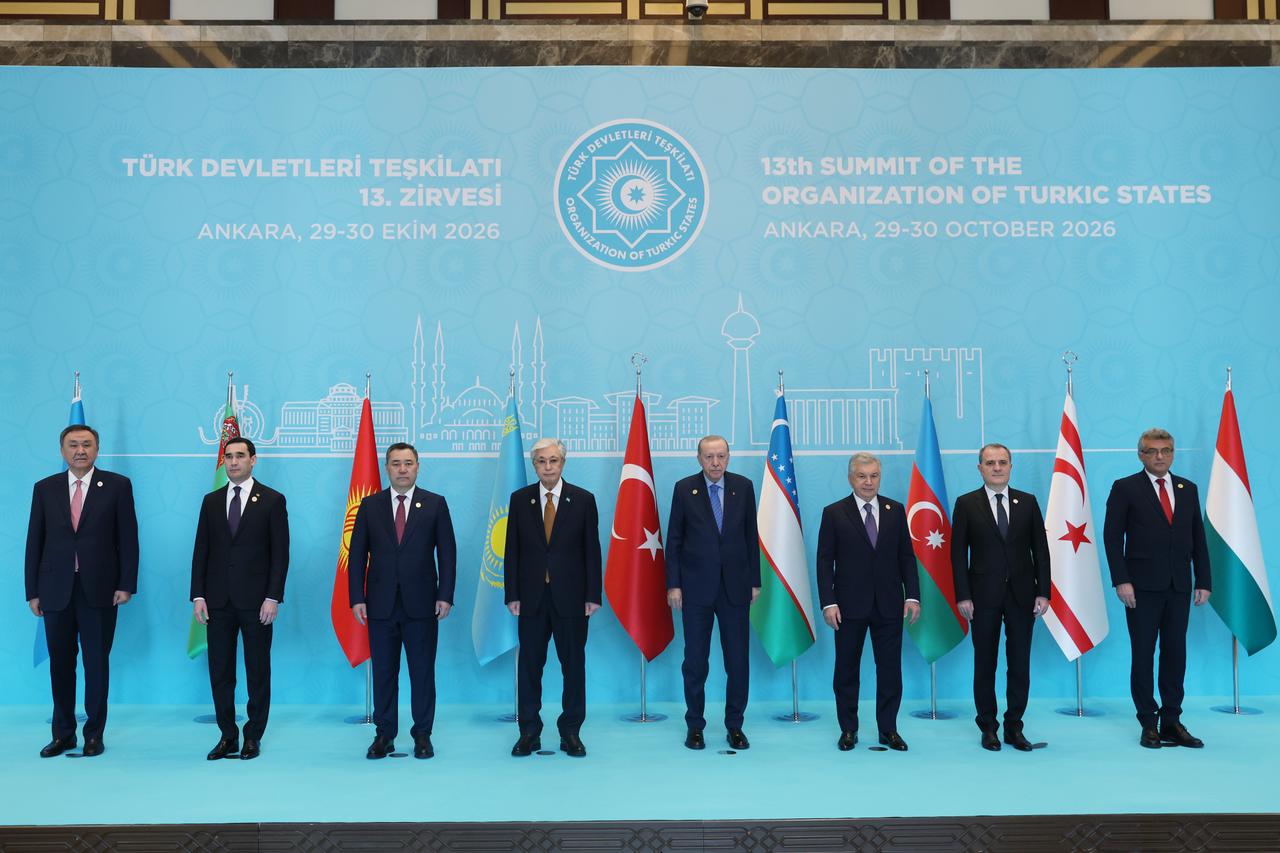
He said the 13th OTS summit, in Ankara, had assessed the present and future of the Turkic world and produced an important declaration.
Yildirim noted that around 800 million people worldwide live at the absolute poverty line amid global uncertainty and limited economic growth, saying Turkic states were working to help reduce global inequalities.
He argued that the Middle Corridor offers greater added value than northern and southern routes and should not be seen only as a transportation corridor.
“The Middle Corridor is a corridor of prosperity, an economic corridor, a historical corridor and a cultural corridor,” Yildirim said. “What we need to do is establish joint production facilities and joint logistics centers from the beginning of the corridor to its end.”
Yildirim said the volume of cargo transported through the Middle Corridor could potentially increase to 30 million tons.
He said work was needed to shorten transit times and improve transfers between different modes of transport.
Yildirim said the OTS should assess its members’ strengths and weaknesses so each country can make better use of its advantages.
Samil Ayrim, head of the Türkiye-Azerbaijan Interparliamentary Friendship Group and an AK Party lawmaker from Istanbul, said the strategic importance of the Middle Corridor was growing as reliability, speed and route diversification became more important in global trade.
He said the corridor was particularly important for landlocked countries seeking access to world markets and that its success should ultimately be measured by investment, access to new markets and employment.
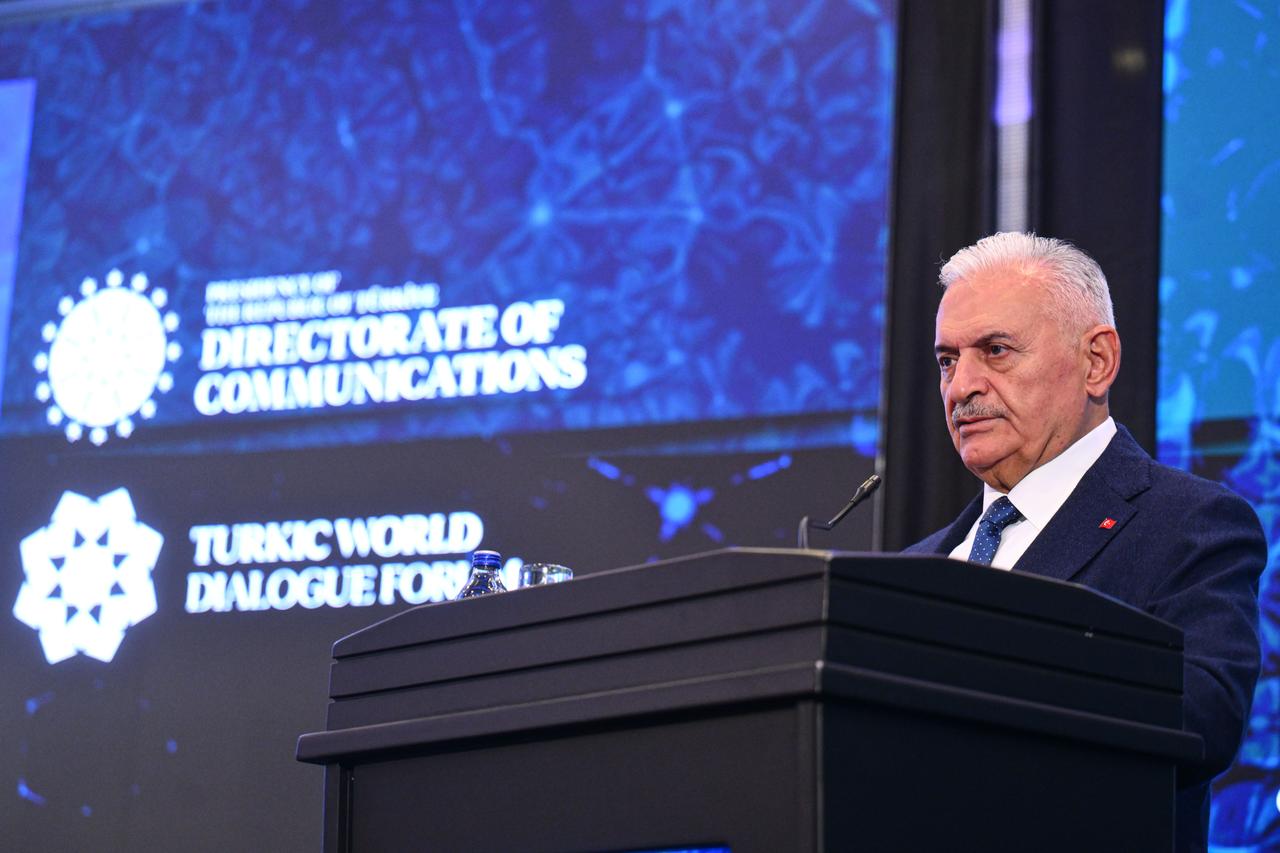

Eda Becer of Eastern Mediterranean University said the Middle Corridor should be transformed from a transportation network into a model based on joint production, investment and development.
Lesbek Taizhanov of Ahmet Yesevi International Turkish-Kazakh University said the next stage of cooperation should turn transport routes into production networks, investment partnerships and regional value chains.
He said the key issue was not only how efficiently goods pass through member countries, but how much value those countries can add before the goods reach their final markets.
Bekmukhammad Tursunov of Uzbekistan University of Journalism and Mass Communications also called for an inventory of production potential among Turkic states and the identification of priority industrial sectors.
He said innovation sharing among OTS countries could help create new technology markets and support specialization.
Yildirim also said the Turkish Republic of Northern Cyprus (TRNC) was an “inseparable and indispensable member” of the Turkic world.
He said Türkiye’s rights and interests arising from international maritime law in the Eastern Mediterranean could not be ignored and criticized efforts to isolate the TRNC from regional and global developments.
Yildirim said Turkic states would continue supporting the TRNC and following the issue closely.


 Set as preferred source
 Set as preferred source


 1 min read
 1 min read