Newsletters




Türkiye is investing about $10 billion to remove bottlenecks along the Middle Corridor, aiming for a seamless rail freight route linking China and Europe through its territory by 2031.
Ankara is also pursuing southern rail links to the Middle East as Russia’s war in Ukraine closes northern routes and instability around the Hormuz and Bab el-Mandeb straits exposes weaknesses in maritime shipping, according to the report.
Projects under construction or planned for tender will create a seamless rail freight corridor of more than 2,000 kilometers between Türkiye’s eastern and western borders by 2030-2031, with annual capacity reaching 30 million tons, Transport and Infrastructure Minister Abdulkadir Uraloglu told Nikkei Asia.
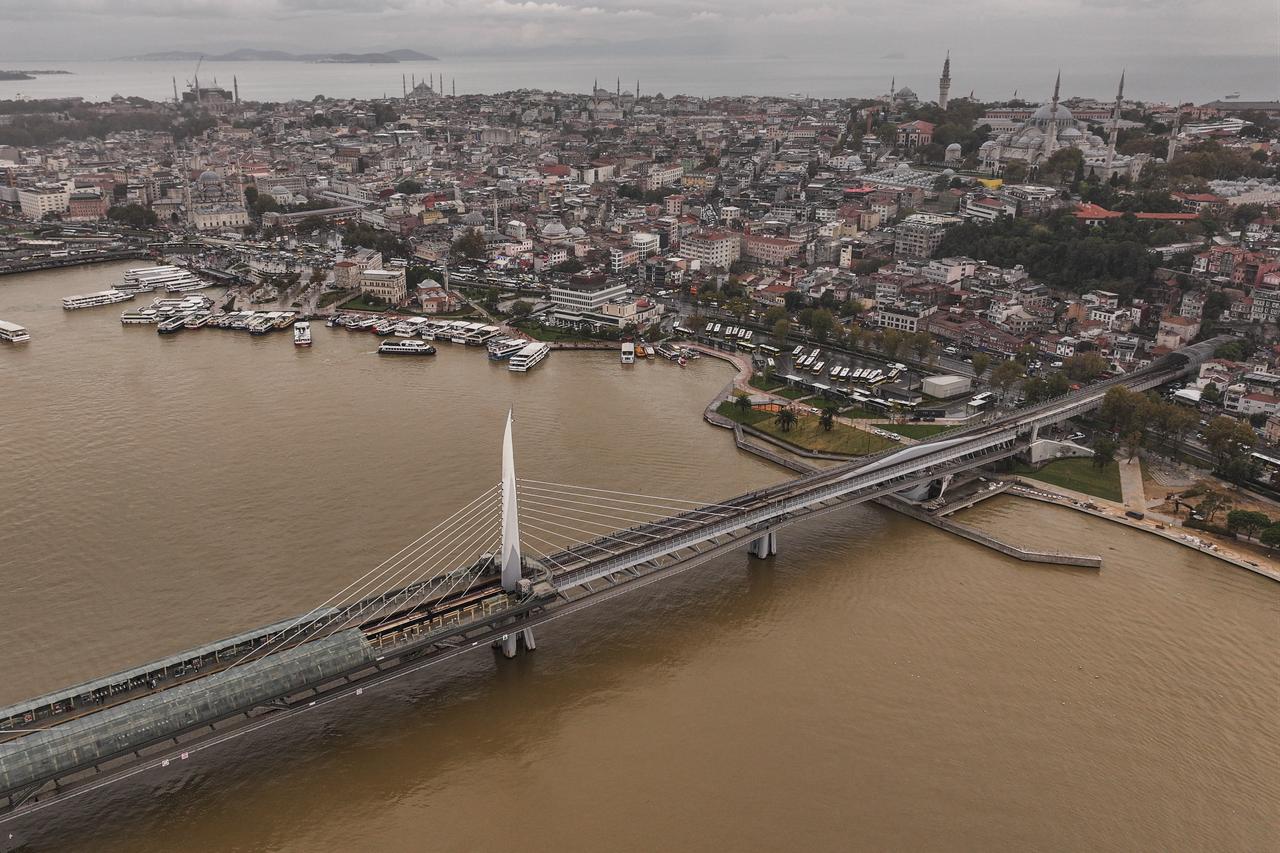
Türkiye will announce technical bids Nov. 11 for the Istanbul North Rail Crossing Project (INRAIL), a 127-kilometer line linking Istanbul’s two airports and industrial zones on both sides of the Bosporus via the Yavuz Sultan Selim Bridge.
The project is expected to cost about $8 billion, with financing from institutions including the World Bank, Asian Development Bank and Asian Infrastructure Investment Bank, according to the report.
"We expect it to be completed in four to five years, and once it is done, the bottleneck between Asia and Europe will be eliminated," Uraloglu said, adding that capacity would rise to 50 million tons a year from 3 million.
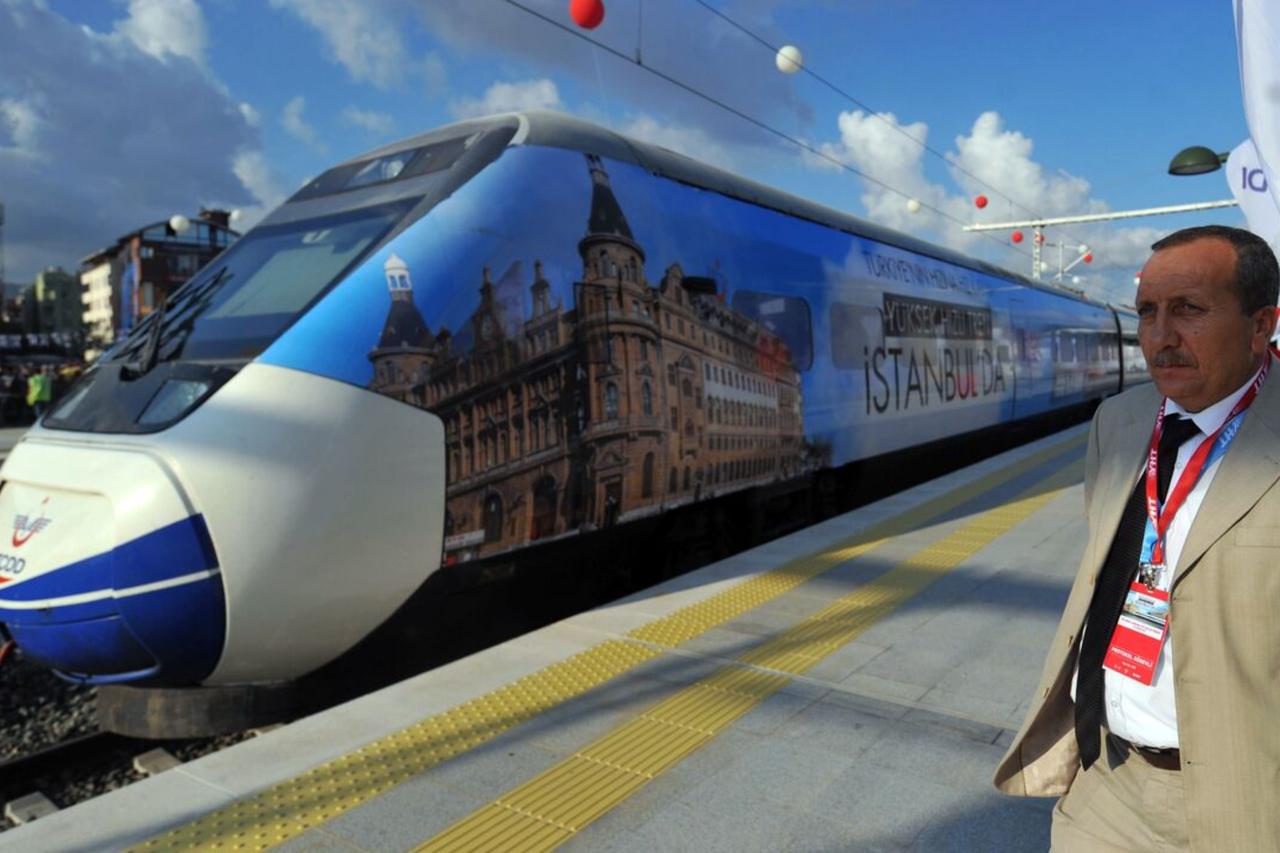
Trains now cross the Bosporus only through the Marmaray tunnel, which can handle just four freight trains a day.
"When we have a railway option over the third Bosporus bridge, we can easily more than double this flow," said Erdin Erengul of Mars Logistics, which runs 20 weekly services between Türkiye and Romania, Czechia and Germany.

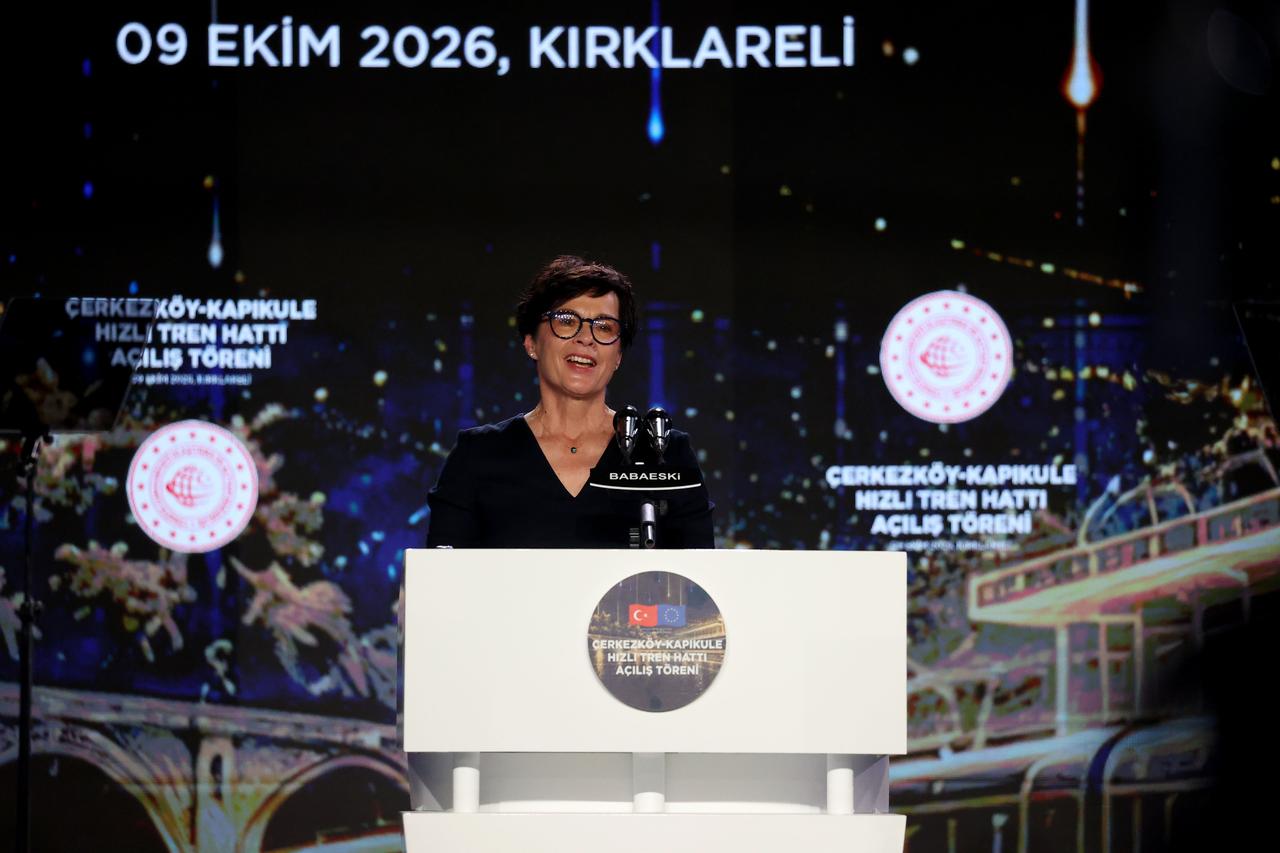
Türkiye opened a 153-kilometer railway between Kapikule on the Bulgarian border and Cerkezkoy near Istanbul this month as part of a €1.2 billion ($1.3 billion) project partly backed by the EU. When the full 229-kilometer route reaches Istanbul’s Halkali in 2028, travel time to the border will fall to 90 minutes from four hours and freight capacity will rise to 9.5 million tons from 1.5 million.
EU Enlargement Commissioner Marta Kos said at the opening that the bloc aims to mobilize up to 12 billion euros for the Middle Corridor through its Global Gateway initiative.
A World Bank study estimated coordinated investments could boost freight volumes along the corridor 3.6-fold by 2040 and lift Türkiye’s long-term economic growth by 4.1%, or about $47 billion.
On the Trans-Caspian route, Uraloglu said, "The biggest problem today and in the future is bureaucracy," adding that China-London delivery times could fall to 14 days if managed properly.
Ankara and Baghdad agreed on a financing model for the roughly $25 billion Development Road project linking Iraq’s Grand Faw Port to Türkiye, under which Iraqi oil revenues would fund construction by Turkish contractors, pending Iraqi parliamentary approval, Uraloglu said.
"I hope it will pass this year and we can start construction next year and finish it within five years," he said, estimating its contribution to Türkiye’s economy at $55 billion over 10 years.
Uraloglu called the U.S.-backed India-Middle East-Europe Economic Corridor (IMEC) "stillborn."
Türkiye is also promoting a revived Hejaz Railway linking it with Syria, Jordan and Saudi Arabia, a route that would bypass the Strait of Hormuz. Construction to Saudi Arabia would take at least five years, Uraloglu said, adding that "such projects will not be shelved because of limited clashes."
A rail link through Azerbaijan’s Nakhchivan exclave and southern Armenia, known in Türkiye as the Zangezur corridor, is also under discussion as an additional Middle Corridor route.


 Set as preferred source
 Set as preferred source


 1 min read
 1 min read