Newsletters


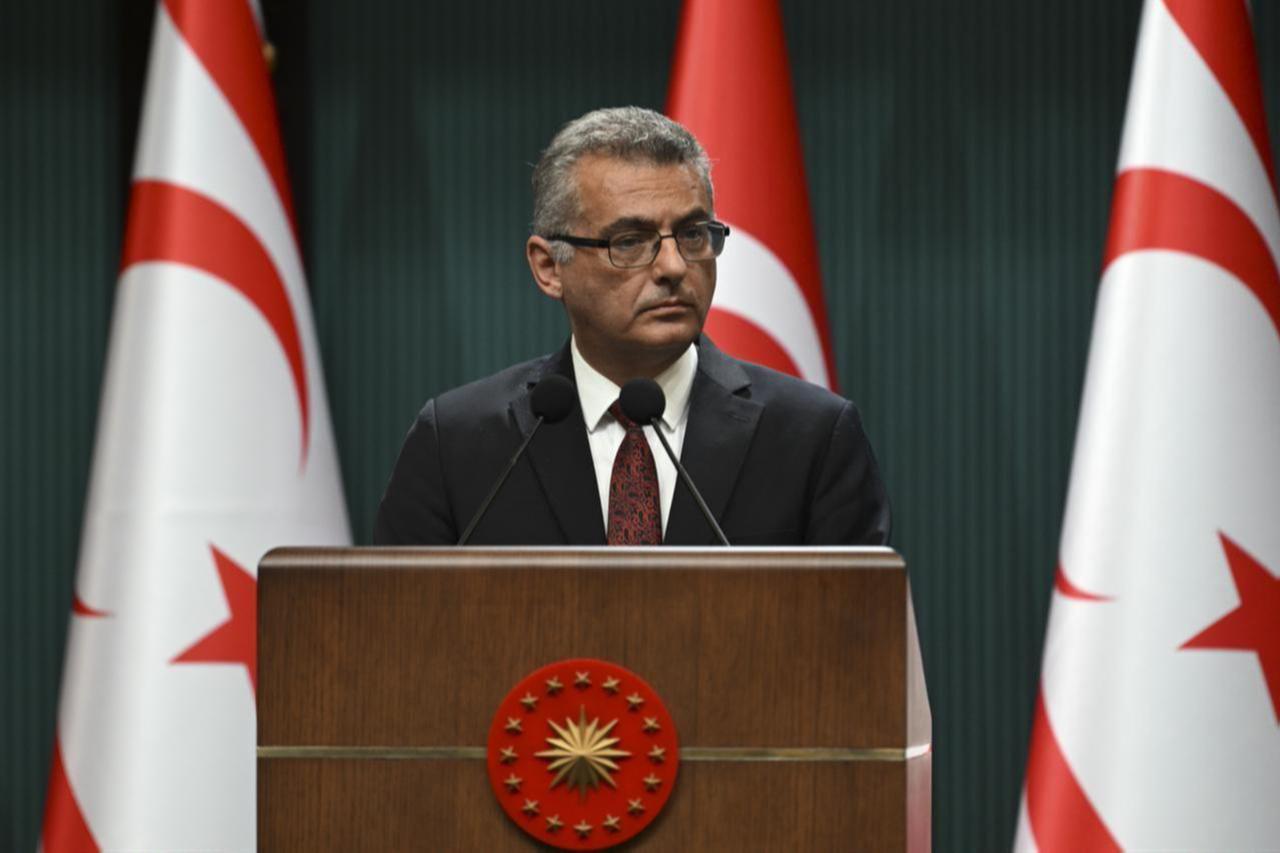


Turkish Republic of Northern Cyprus (TRNC) President Tufan Erhurman said Türkiye would not allow any initiative on the island of Cyprus that ignores the rights of the TRNC and Turkish Cypriots.
Speaking to a group of journalists, including CNBC-e, Erhurman said the Greek Cypriot side has promoted the Great Sea Interconnector (GSI) electricity project as an attempt to bypass Northern Cyprus, despite Türkiye’s proposals to jointly address the island’s electricity needs.
He said the undersea power line planned via Greece is not feasible and cannot be implemented.
“If the Greek Cypriot side, Israel, and Greece try to connect to each other via an undersea electricity project and attempt to exclude Northern Cyprus and Türkiye, Türkiye will not allow this by using various means,” Erhurman said. “The same applies to the hydrocarbons issue. It is not possible to run a unilateral process in areas where Türkiye and Turkish Cypriots claim rights.”
He added that such approaches are counterproductive.
“What we are trying to explain to both Europeans and Greek Cypriots is this: unless you move toward what is rational on these issues, you are in fact losing as well,” he said.
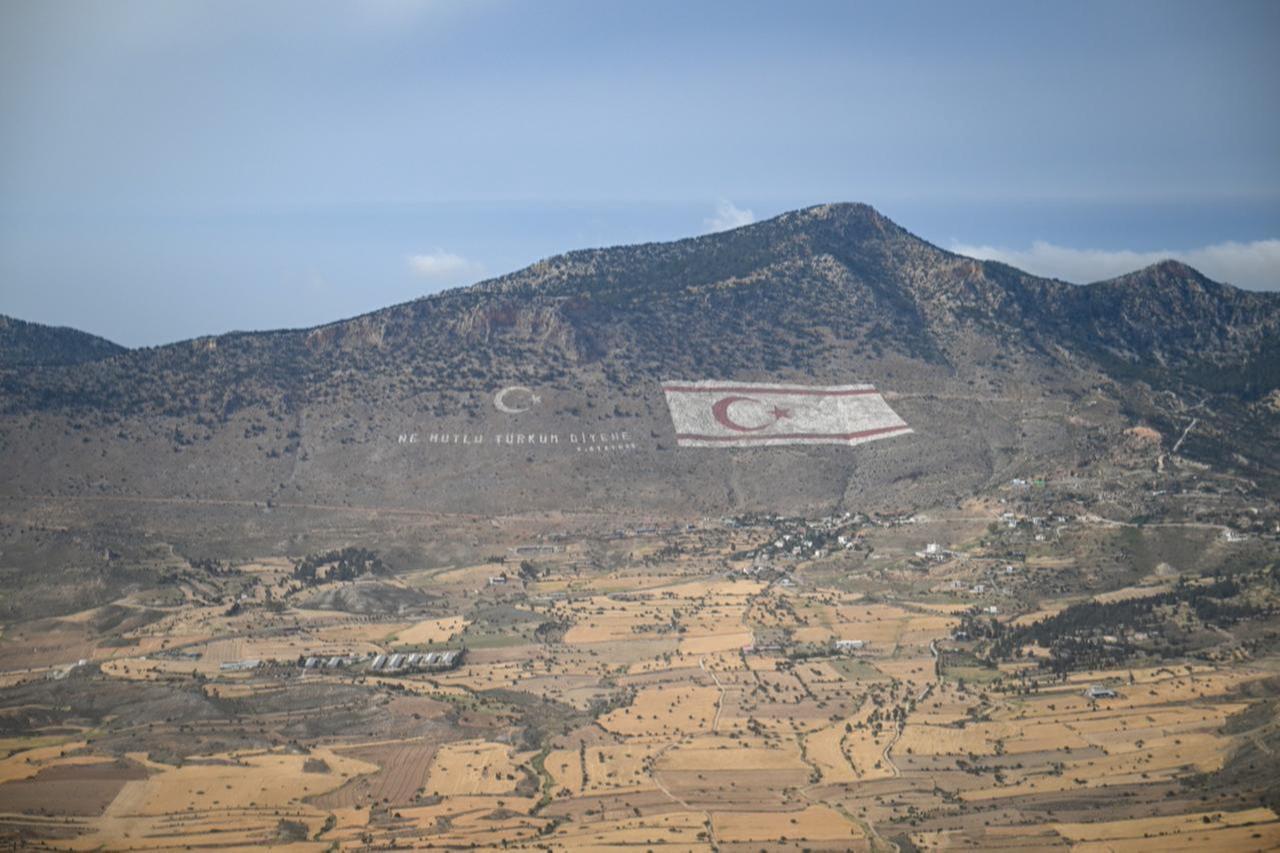

Erhurman said the Cyprus issue is currently being addressed through two separate tracks: a formal negotiation table for a comprehensive settlement and a talks table focused on methodology and confidence-building steps.
“We are currently sitting at the talks table,” he said.
Within this framework, Erhurman said the U.N. secretary-general’s personal envoy on Cyprus, Maria Holguin, has met twice with Turkish Cypriot officials, while he also held talks with Greek Cypriot leader Nikos Christodoulides.
Erhurman said the Turkish Cypriot side submitted a 10-point proposal package covering practical issues, including facilitating trade under the Green Line Regulation, easing crossing points, addressing EU citizenship problems faced by children of mixed marriages, and resolving restrictions on trade in halloumi cheese.
He noted that an agreement required for halloumi exports to the European Union has remained unsigned by the Greek Cypriot side for three years, despite a commitment by Christodoulides at the United Nations to finalize it by Jan. 31.
Erhurman also said agreements were reached to ease crossings at Derinya and Bostanci, adding that Turkish Cypriots are waiting for these steps to be completed before the next round of talks. He said Holguin may visit again later this month.
Cyprus has remained divided for decades between Greek Cypriots and Turkish Cypriots, despite repeated United Nations-led efforts to reach a comprehensive settlement.
Intercommunal violence beginning in the early 1960s forced Turkish Cypriots into enclaves for safety.
In 1974, a Greek Cypriot coup aimed at uniting the island with Greece prompted Türkiye to intervene militarily as a guarantor power, citing the need to protect Turkish Cypriots. The TRNC was later declared in 1983.
Peace efforts have since stalled repeatedly, including the collapse of talks in Switzerland in 2017 involving guarantor powers Türkiye, Greece and the United Kingdom.
The Greek Cypriot administration joined the European Union in 2004, the same year Greek Cypriots rejected a U.N.-backed reunification plan in a referendum.


 Set as preferred source
 Set as preferred source


 2 min read

 1 min read