Newsletters





The Turkish Republic of Northern Cyprus (TRNC) Foreign Ministry said it will not recognize or engage with Raffaele Fitto, the European Union's newly appointed special representative for Cyprus, calling his appointment illegitimate ahead of his planned visit to the island.
In a written statement, the TRNC Foreign Ministry said the EU's appointment of Fitto, a European Commission vice president, as what it called a "so-called" special representative for Cyprus, made at the request of the Greek Cypriot Administration (GCA), "carries no legitimacy whatsoever" for the TRNC.
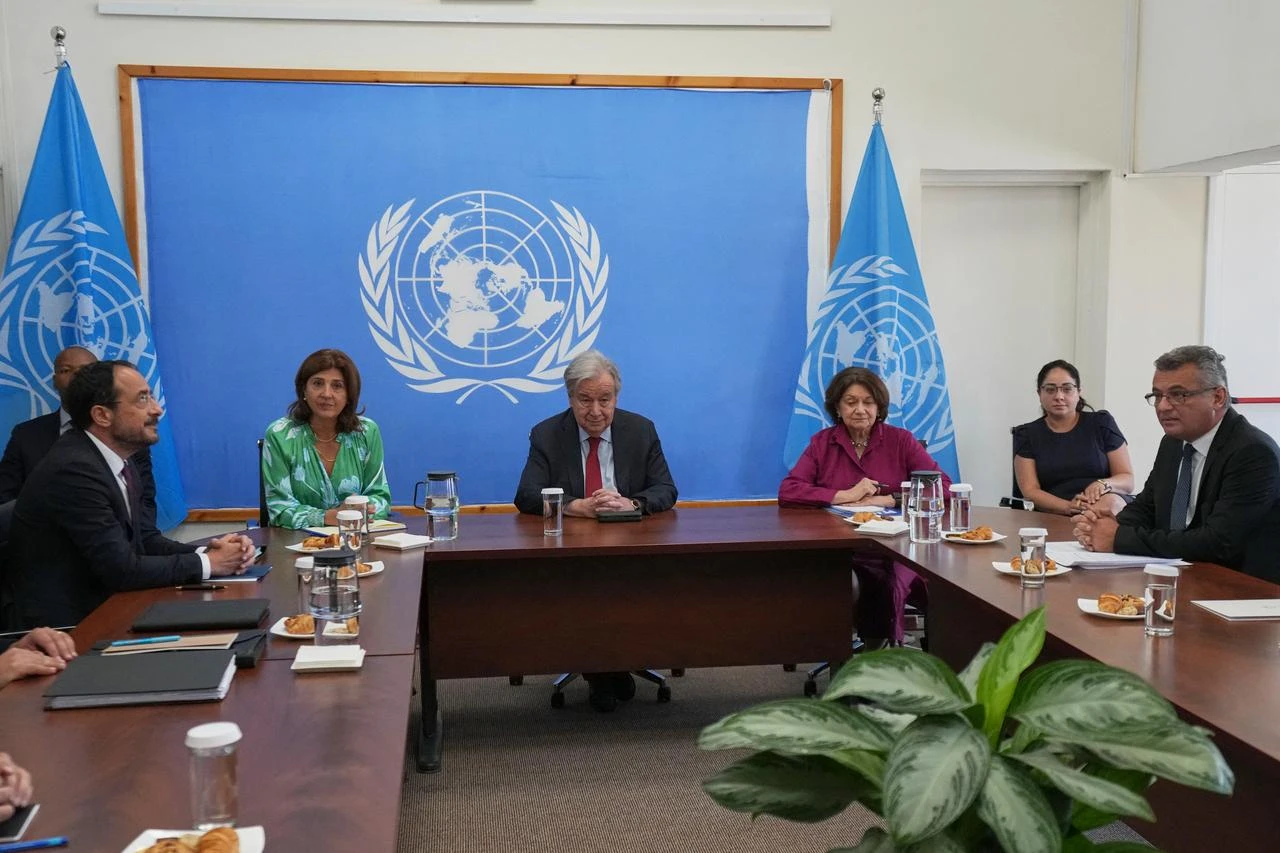
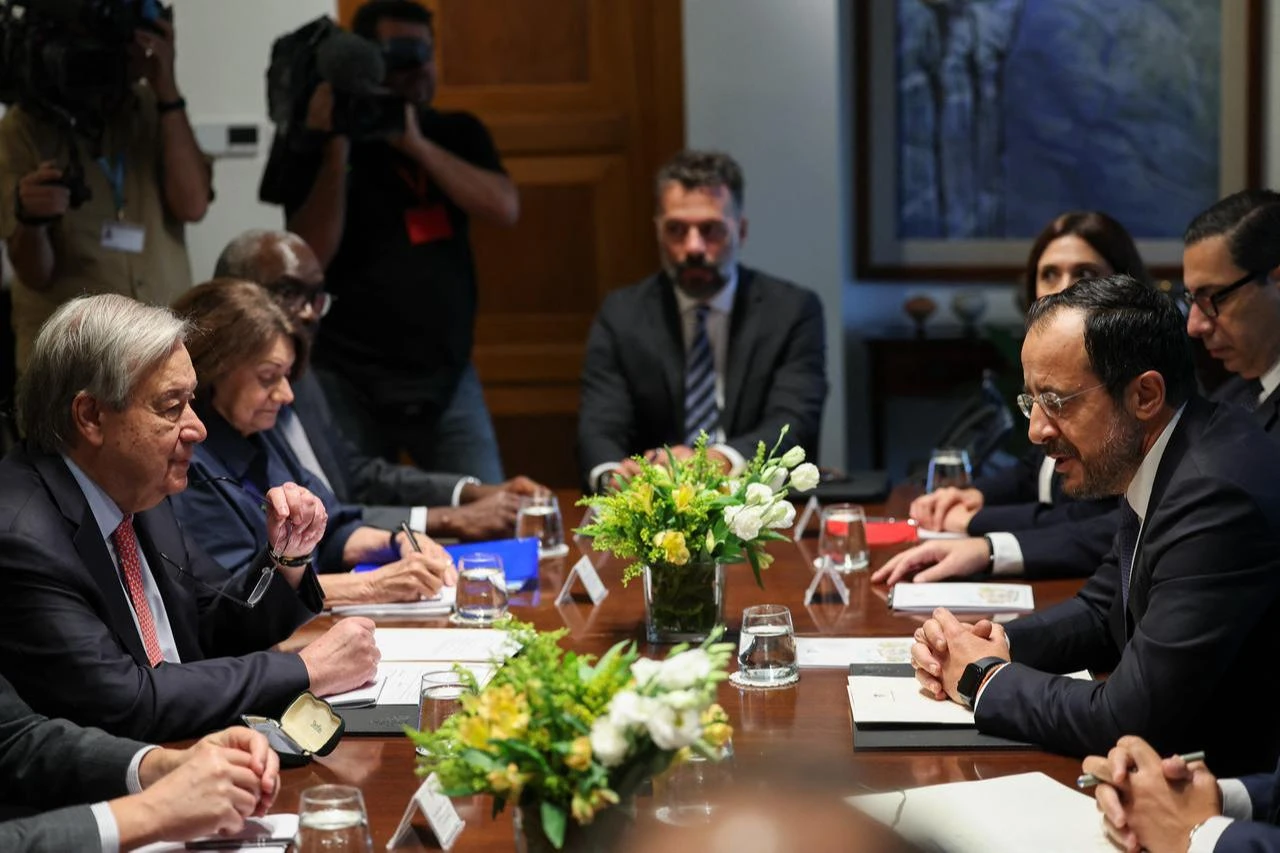
The ministry noted Fitto's upcoming visit to the island comes immediately after contacts on Cyprus by U.N. Secretary-General António Guterres, calling it "the latest example of the European Union's insistence on becoming involved in the Cyprus issue."
The ministry said that in the current environment, in which even the U.N. secretary-general has refrained from appointing a special representative on Cyprus, appointing only a personal envoy instead, and where no formal negotiation process exists between the parties, the EU's appointment of a special representative at Greek Cypriots request, without TRNC consent and in complete disregard of the will of the Turkish Cypriot people, "carries no legitimacy whatsoever" from the TRNC's perspective.
"Accordingly, our Government cannot accept any activity he may carry out in our country under this title or any attempt to become involved in a possible process, and he will not be received as an interlocutor in any capacity," the statement said.

The ministry said the EU lost its impartiality on the Cyprus issue when it unilaterally admitted the Greek Cypriot Administration to EU membership in 2004, entirely disregarding the will of the Turkish Cypriot people.
It said this "strategic error" further emboldened what it called the intransigent stance of the Greek Cypriot side, deepened the status inequality between the two sides, and became one of the most significant obstacles to reaching an agreement. The ministry said the EU bears "undisputable" responsibility as one of the parties most responsible for the current imbalance on the island.
The ministry said that if the EU is sincere about contributing constructively to the Cyprus issue, it should first fulfill its past commitments to the Turkish Cypriot people by taking concrete steps to end what it described as the unjust political, economic, cultural and sporting isolation imposed on the TRNC for many years.
However, the ministry said it does not expect a positive EU response to this expectation, given that EU decision-making requires unanimity among member states, a structure that would allow the Greek Cypriot Administration, as an EU member, to block such steps.
The ministry reiterated its position that "today, there are two separate peoples, two separate states, and two separate democratic authorities on the island."
It said a permanent and sustainable agreement is only possible through recognition of these realities, confirmation of the sovereign equality and equal international status of both parties, and the establishment of a cooperative relationship between the two states.
The ministry said any unilateral steps taken without acceptance of these realities "will not produce any legal or political consequence" for the Turkish Cypriot people.


 Set as preferred source
 Set as preferred source


 4 min read