Newsletters





Former Israeli military intelligence chief Tamir Hayman said a U.S.-Israeli plan aimed at toppling Iran’s leadership was abandoned after President Recep Tayyip Erdogan convinced U.S. President Donald Trump to cancel a key operation involving Kurdish armed groups.
Hayman, a retired major general and former head of the Israeli military’s Intelligence Directorate (AMAN), made the remarks in an interview with PBS.
He said the United States and Israel had pursued a series of covert plans during the conflict launched against Iran on Feb. 28, including efforts involving Kurdish armed groups and a scenario in which former Iranian President Mahmoud Ahmadinejad would become part of a post-conflict political arrangement.
Hayman said a report published by The New York Times (NYT) on May 19 claiming that the United States and Israel discussed replacing Iran’s current leadership with Ahmadinejad was accurate.
"There was a sequence of special operations, very, very unique, that was supposed to happen. And Ahmadinejad was a part of that sequence," Hayman said.
"The rest of the operations are not fully disclosed to the public, except for the Kurdish invasion," he added.
According to Hayman, the broader plan depended on the success of a Kurdish operation that was intended to serve as the opening stage of the effort.
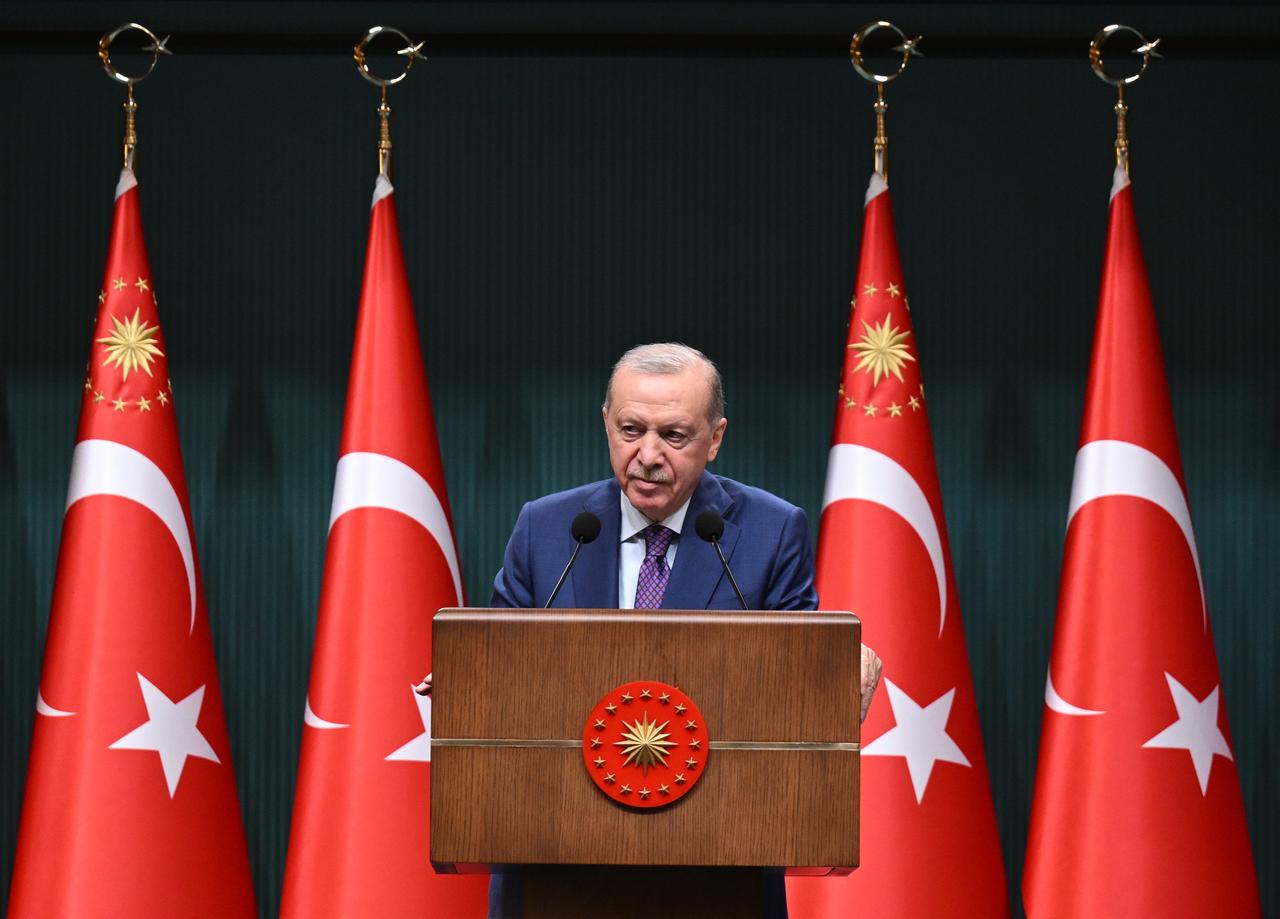
Hayman said the operation was ultimately canceled after Erdogan raised objections with Trump.
"According to what was published, Erdogan convinced Trump that it's a bad idea to give the Kurds a state," Hayman said.
"Backing the Kurdish by the United States goes against the interests of Türkiye. And I think that had something to do with the decision of Trump to cancel this operation," he added.

Hayman said he did not believe Iran’s government could be overthrown through an air campaign alone.
"I didn't believe that we can topple a regime through aerial campaign," he said.
"Most professionals would state that that's impossible to achieve," Hayman noted.
He argued that military action could damage Iran’s nuclear program but was unlikely by itself to bring about regime change.
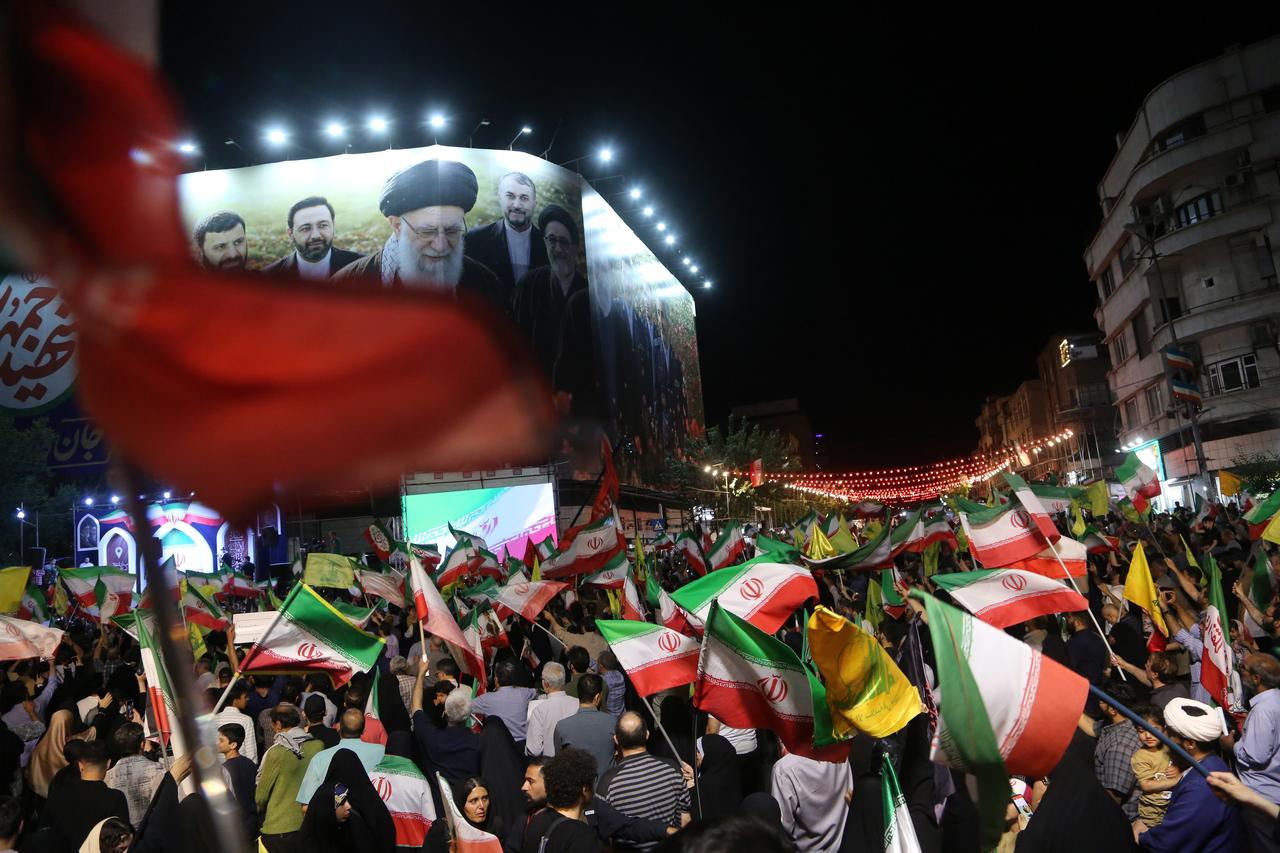
Hayman also expressed concern that Iran emerged from the conflict more resilient than expected under the leadership of Mojtaba Khamenei, who succeeded his father, Ali Khamenei.
"The Iranian regime survived the worst-case scenario," he said.
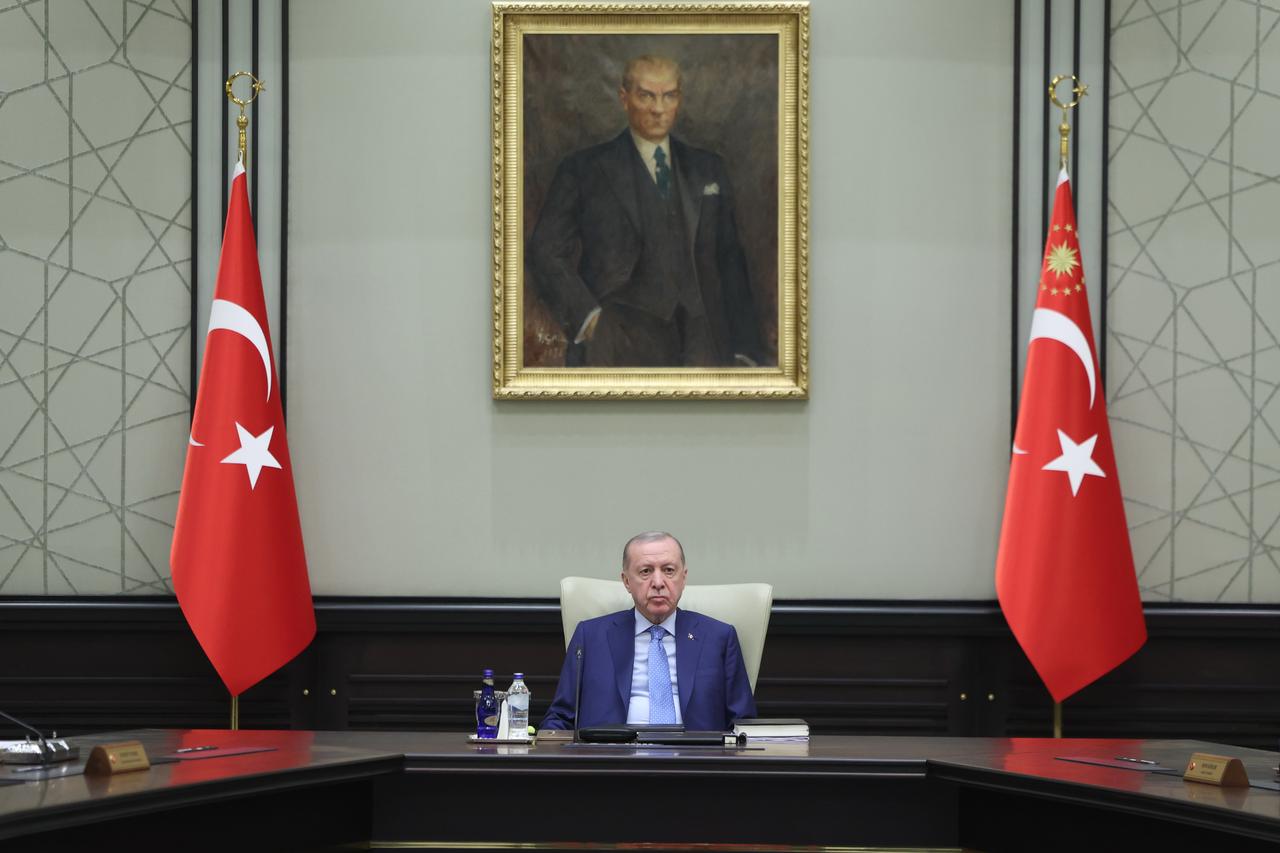
Hayman said Trump decided to halt military operations because he believed negotiations could achieve the same objectives as continued military pressure.
"On the brink of execution, President Trump stopped the war and believed that he can get the same results ... through negotiations," he said.
He warned that prolonged negotiations could allow Iran time to recover and strengthen its position.
Hayman said Israel now sees two possible paths forward: a comprehensive nuclear agreement that eliminates Iran’s enrichment capabilities and underground facilities, or renewed pressure if diplomacy fails to achieve those goals.


 Set as preferred source
 Set as preferred source


 2 min read

 1 min read