Newsletters




Türkiye's government on Thursday rejected a Reuters report alleging that its national intelligence agency had secretly arranged talks between Syrian government officials and Hezbollah, calling the claims "entirely unfounded" and "fabricated and speculative."
The denial, issued jointly by the Presidency's Directorate of Communications and its Center for Countering Disinformation, came in response to a Reuters exclusive reporting that Syrian government officials and Hezbollah held secret talks in Türkiye.
The Reuters story, bylined by Feras Dalatey, Laila Bassam and Timour Azhari, had circulated widely across international media outlets and social media platforms. It followed a separate denial from a Syrian official.
In its statement, the Directorate of Communications said reports claiming that "Syrian government officials and Hezbollah officials met in Türkiye, hosted by the National Intelligence Organisation (MIT)" had no basis in fact.
The agency said specific details cited in the circulating posts, including the purported date, venue, content and participants of the alleged meeting, "do not reflect any reality."
"The claims in these posts regarding the date, venue, content and contacts do not reflect any reality and are entirely fabricated and speculative," the statement said.
The communications body urged the public to rely solely on statements issued by official authorities rather than the circulating reports.
The Turkish rebuttal came after a Syrian official had already disputed the Reuters account, though further details of that denial were not included in Thursday's Turkish statement.
Neither Reuters nor the Syrian government immediately issued additional public comment following Türkiye's rejection of the report.
The episode touches on a relationship that has drawn close scrutiny since the fall of former Syrian President Bashar al-Assad in late 2024.
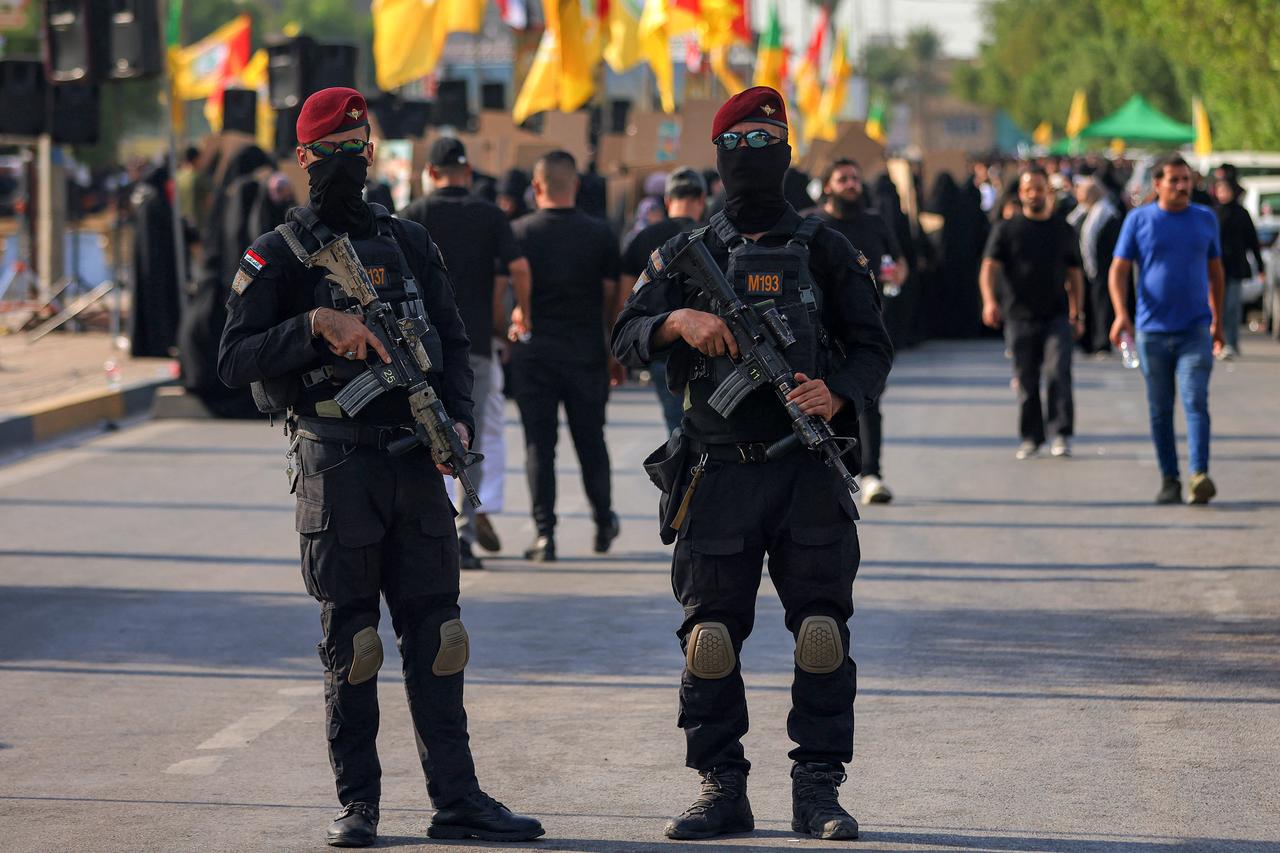
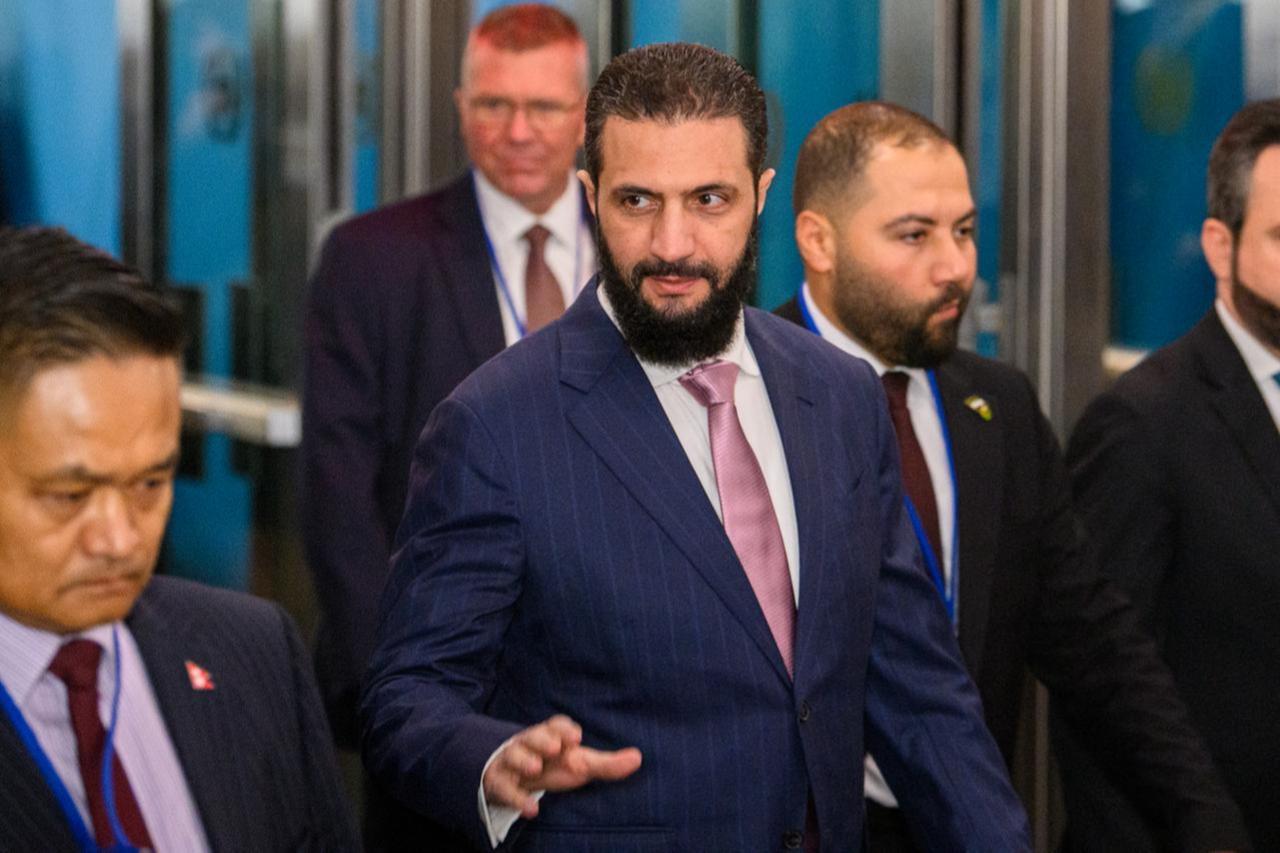
Hezbollah, the Iran-backed Lebanese armed group and political party, had fought in Syria for years in support of Assad's government during the country's civil war, placing it at odds with the array of opposition factions that eventually formed Syria's new administration under President Ahmad al-Sharaa.
Since the change of government in Damascus, Syrian and Hezbollah officials have occasionally signaled openness to engagement despite that history.
Syrian Foreign Minister Asaad al-Shibani said in July that a meeting with Hezbollah was possible, while al-Sharaa has said he would not oppose talks if they served Lebanon's interests and protected Syrian interests.
Any direct contact between the two sides would be notable given their adversarial roles during the civil war, which is part of why reports of secret talks have drawn significant attention.
Türkiye, which supported opposition factions against Assad during the civil war, has positioned itself as an active diplomatic player in the post-Assad landscape, maintaining relations with Syria's new government.


 Set as preferred source
 Set as preferred source


 2 min read
 1 min read