Newsletters


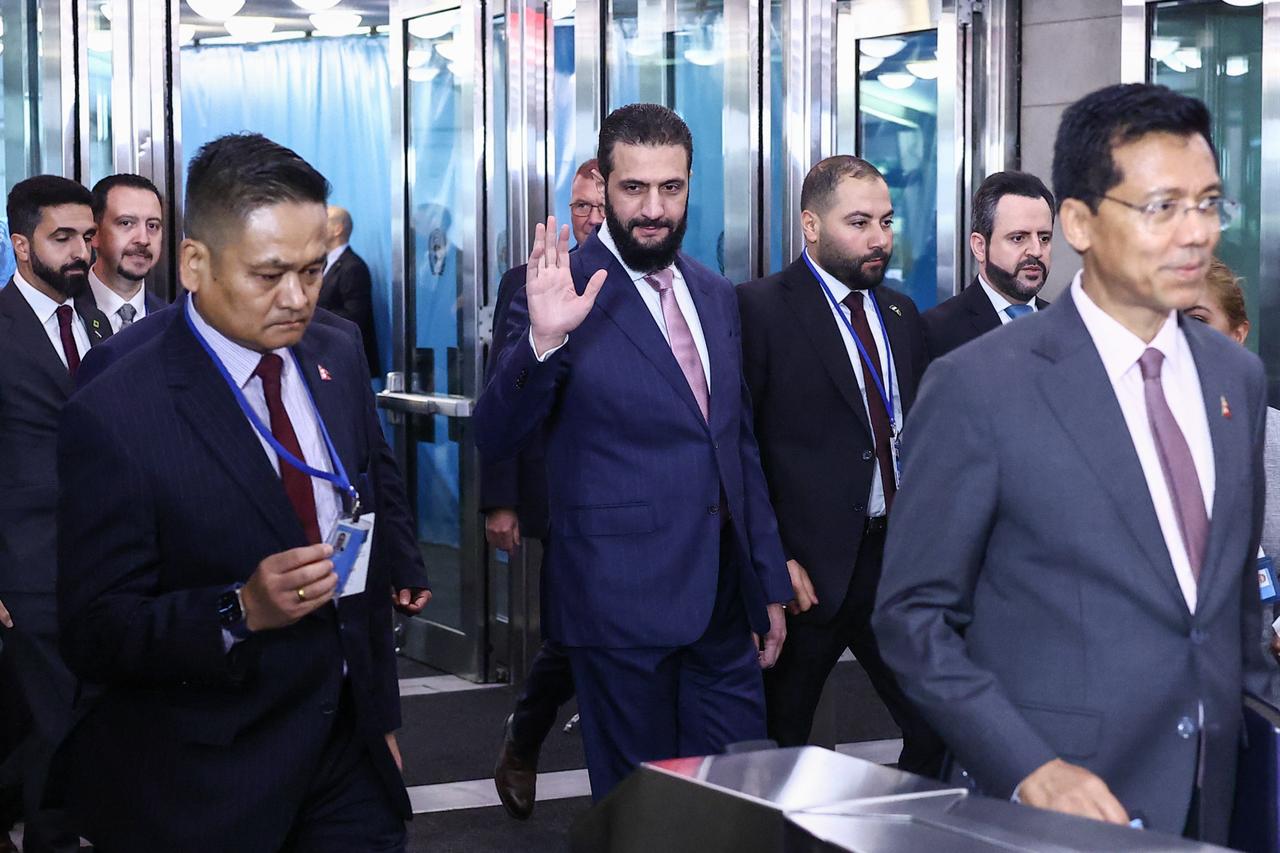


Representatives of the Syrian government and Hezbollah held secret talks in Türkiye in September as part of an Ankara-backed effort to reduce tensions between the longtime adversaries, Reuters reported Thursday, citing six people briefed on the meeting.
The talks marked the first known face-to-face meeting between officials from Syria’s new government and the Iran-backed Lebanese group since the fall of Bashar Assad in late 2024.
Syrian intelligence and Foreign Ministry officials met Hezbollah representatives at least once at the invitation of Turkish security and intelligence agencies, according to the report.
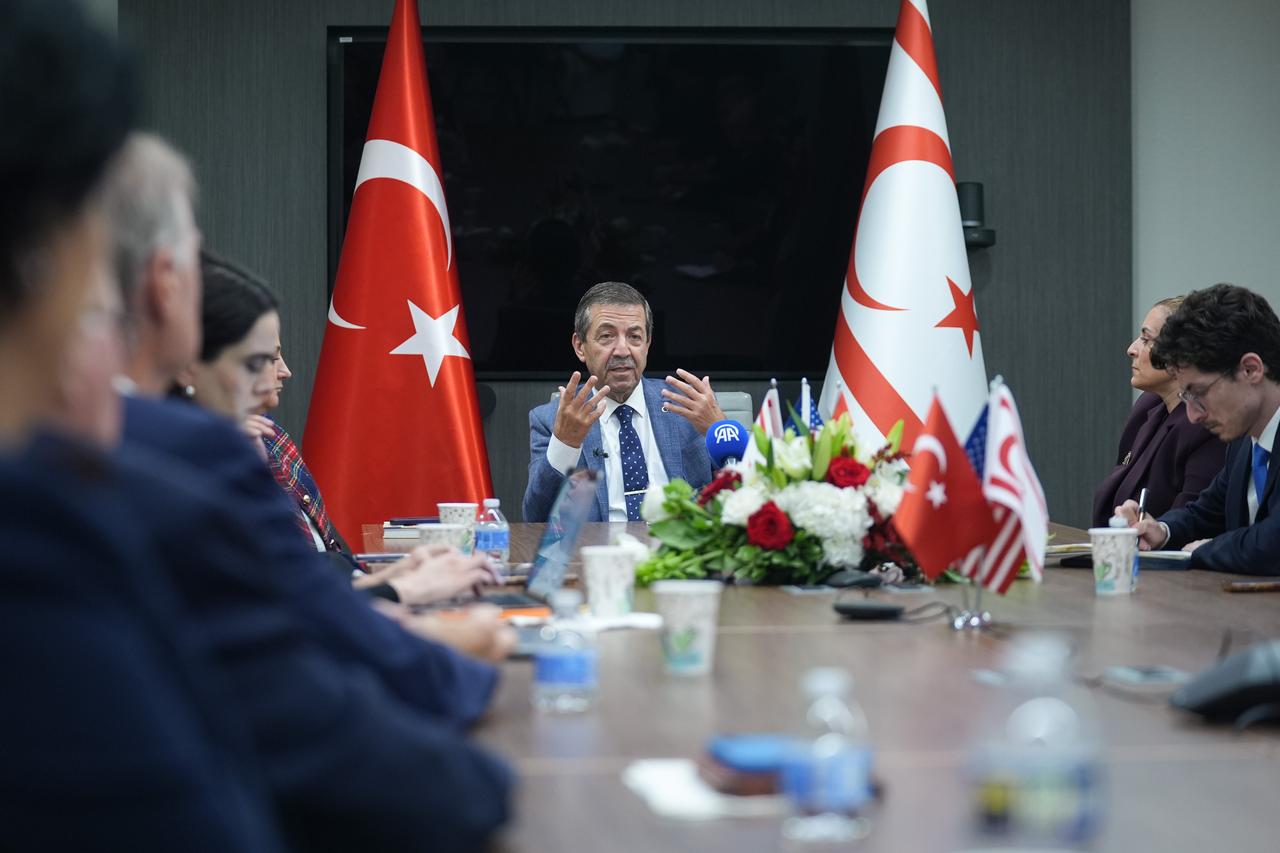
Türkiye sought to bring the sides together as part of broader efforts to ease regional tensions and stabilize Syria.
Three people briefed on the discussions told Reuters that Türkiye had actively pressed for the meeting.
The location in Türkiye and the duration of the September talks could not be established, and it was unclear whether additional face-to-face meetings had taken place.
No final agreement was reached, and neither side intended to publicly announce the meeting, according to people cited in the report.

The discussions focused on security disputes that have strained relations between Damascus and Hezbollah since Assad’s overthrow.
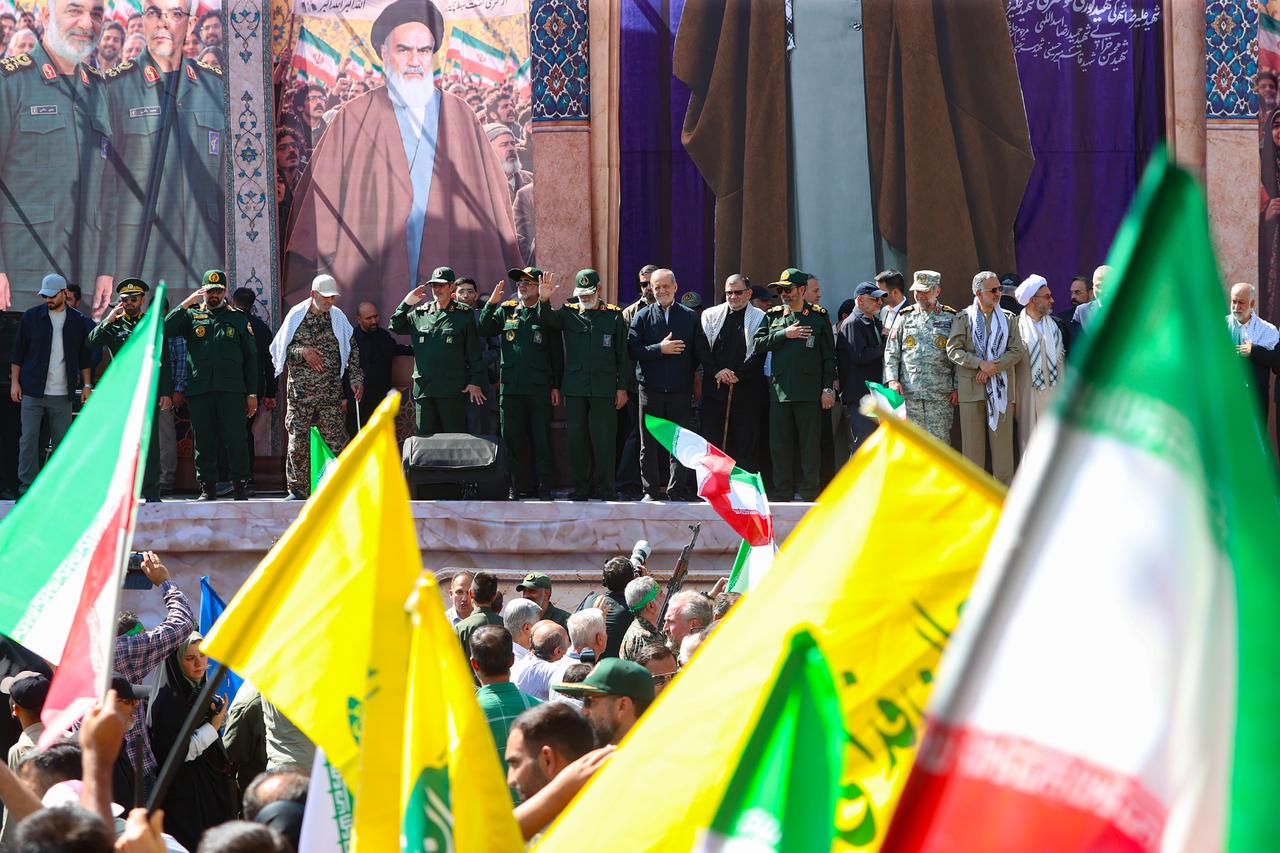
Syria’s new authorities are hostile to Hezbollah, which fought alongside Assad’s forces during the Syrian civil war and has long been a key Iranian ally in the region.
Syrian authorities have previously said they dismantled several Hezbollah-linked cells preparing attacks inside Syria, allegations the group has denied.
According to people familiar with the meeting, Syria assured Hezbollah that it did not intend to send forces into Lebanon to disarm the group.
Damascus, in return, sought Hezbollah’s cooperation in preventing cross-border smuggling and dismantling what Syrian authorities describe as remaining Hezbollah sleeper cells, particularly in southern Syria.
Hezbollah representatives did not give Damascus a direct commitment on those demands but pledged not to interfere in Syrian affairs, according to the report.
A senior Lebanese security source familiar with the talks said the two sides had “made a lot of progress on security issues.”
“Hezbollah wants to protect its flank,” the source said, referring to concerns that Syrian forces could eventually move against the group inside Lebanon.
Tensions between the two sides have remained visible despite the secret contacts.
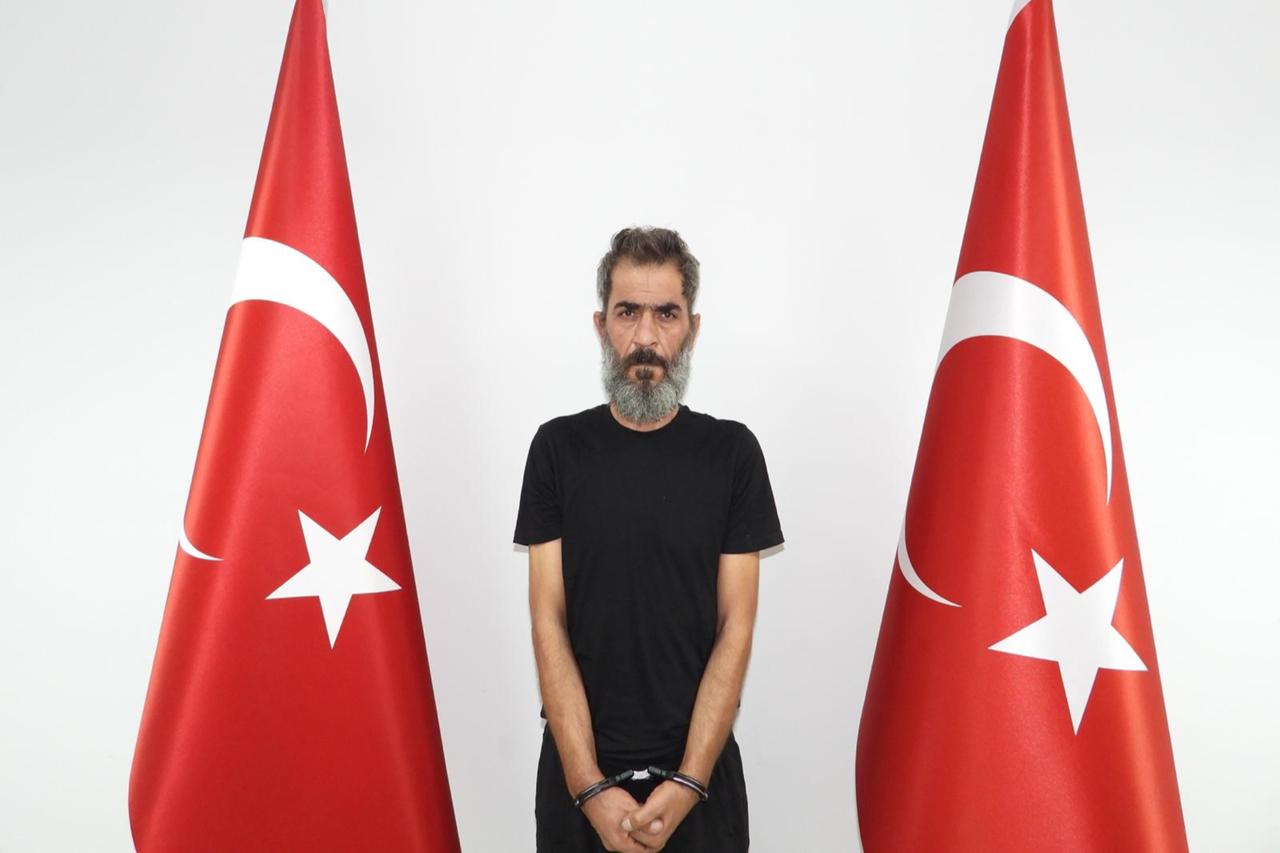
Syrian authorities said Tuesday that security forces had arrested three people in the southern province of Daraa accused of belonging to a Hezbollah-linked cell that was preparing rocket-launching platforms for attacks intended to destabilize the country.
Hezbollah rejected the allegation Wednesday, denying any connection to the detained group and insisting that it has no presence or military or security activity inside Syria.
The group also accused Israel of seeking to disrupt ties between Lebanon and Syria.
It called on Syrian authorities “to identify the real beneficiary of escalating tensions between the two countries, namely the Israeli enemy.”
The accusations are part of a broader dispute over Hezbollah’s role after the collapse of Assad’s government.
Hezbollah spent years fighting alongside Assad’s forces during the Syrian civil war, while Syria also served as a key route for weapons reaching the Lebanese group from Iran.
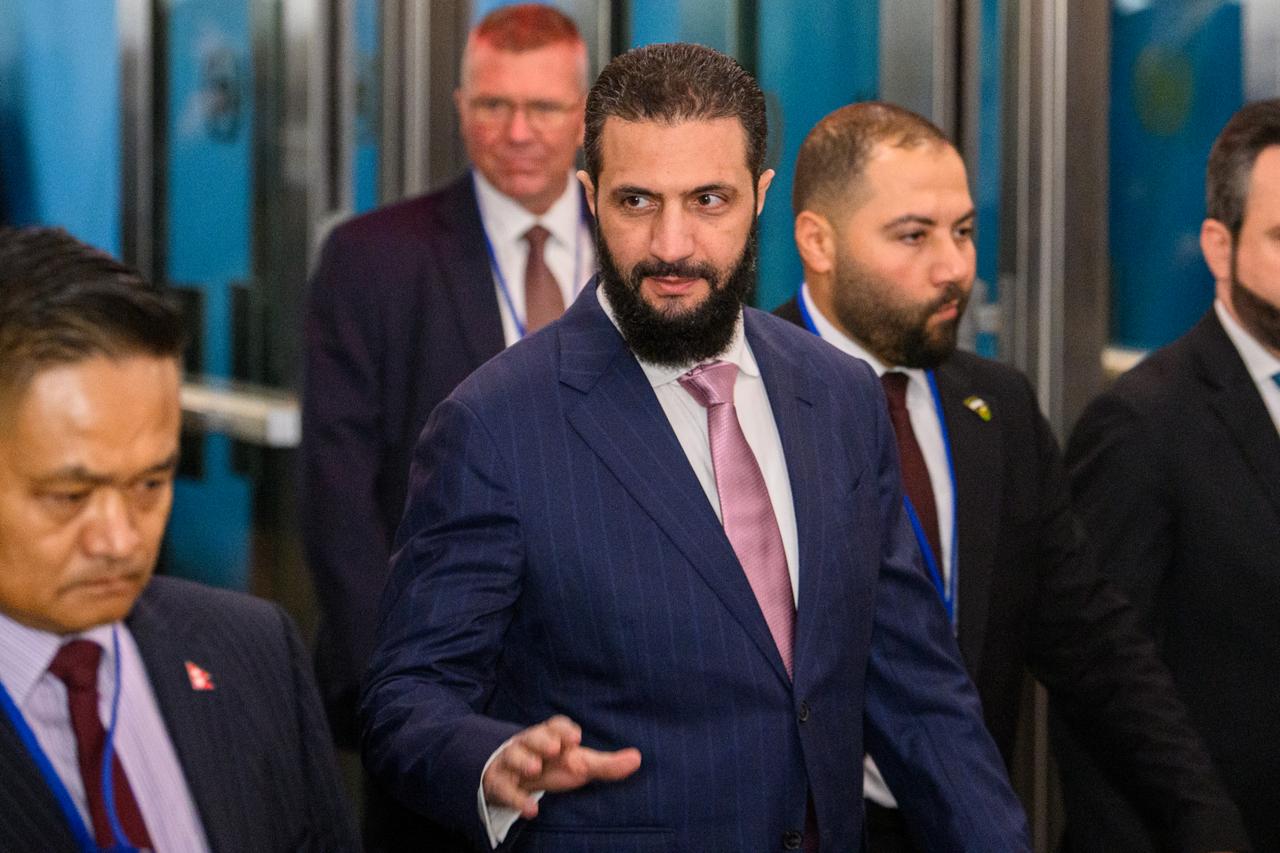
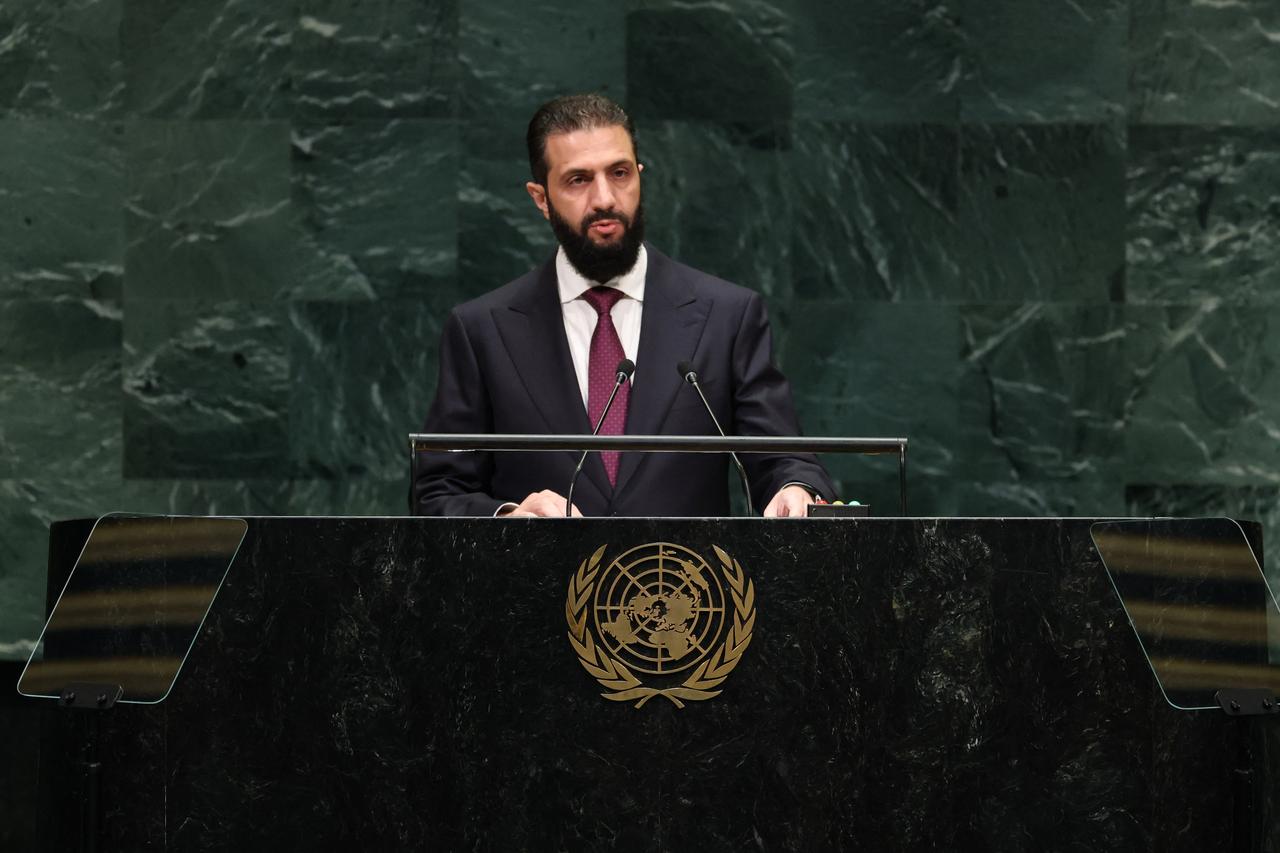
That relationship changed sharply after rebels led by forces now aligned with Sharaa seized Damascus in December 2024.
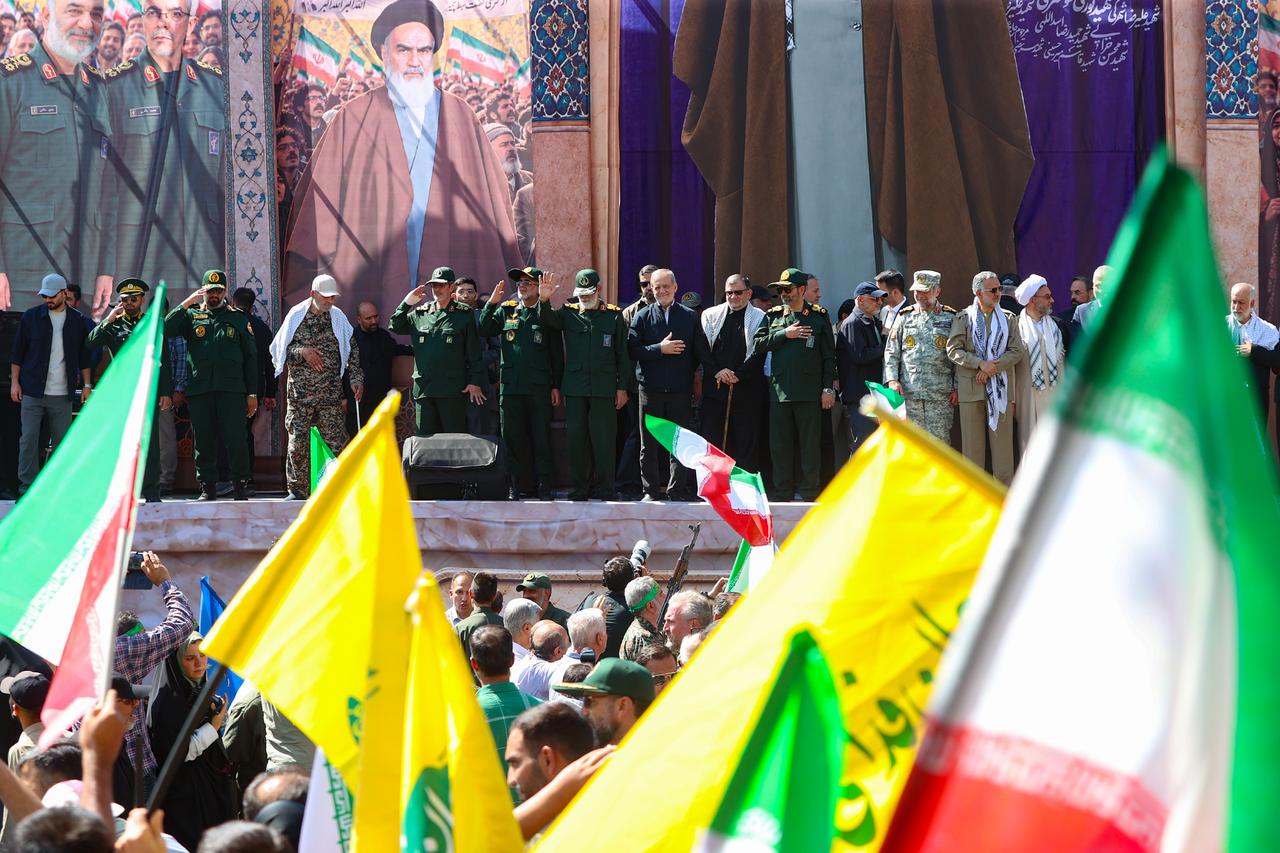
The September meeting followed public signals from both Damascus and Hezbollah that they were prepared to open direct channels despite years of hostility.
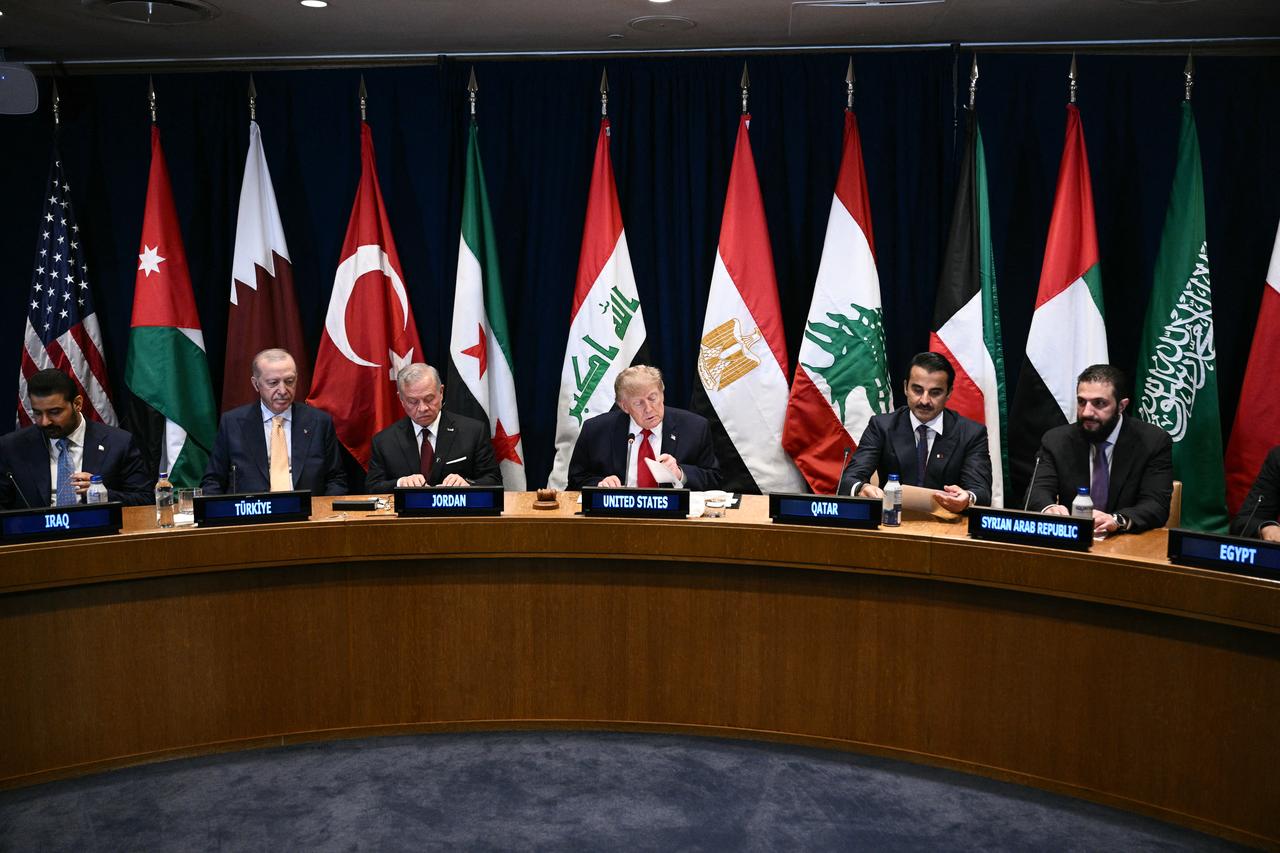
Syrian Foreign Minister Asaad al-Shaibani said during a July visit to Beirut that Damascus would be willing to meet Hezbollah if such talks served the national interest.
Sharaa also said Syria was prepared to engage with the group if doing so benefited both Syria and Lebanon.
In June, when asked whether he would sit at the table with Hezbollah, Sharaa said: “If this serves Lebanon’s interests and safeguards Syria’s interests, why not.”
Hezbollah leader Naim Qassem said in August that there was no obstacle to an open meeting between the group and Syria’s leadership at a time acceptable to both sides.
He also called for positive and cooperative relations between Lebanon and Syria.
Contacts through Türkiye began roughly two months before the September meeting, according to the Lebanese security source cited by Reuters.
Iran, Hezbollah’s main regional backer, did not directly participate in the talks.
Hezbollah attended with Tehran’s knowledge, but Iranian officials were disappointed that Iran had not been included as a participant, according to the Lebanese security source.
The source also said Sharaa had rejected the prospect of establishing direct relations with Tehran for the time being.
Iran’s dissatisfaction was a key reason the discussions did not produce a final agreement or a public announcement, the source said.
Neither Syria’s Foreign Ministry nor Türkiye’s foreign and defense ministries immediately responded to Reuters’ requests for comment.
The U.S. State Department also did not respond, while Hezbollah’s media office declined to comment on the talks. Iran’s permanent mission in Geneva offered no immediate comment.


 Set as preferred source
 Set as preferred source


 1 min read
 1 min read